By Sr. Laurencila Akinyi, FSSSA
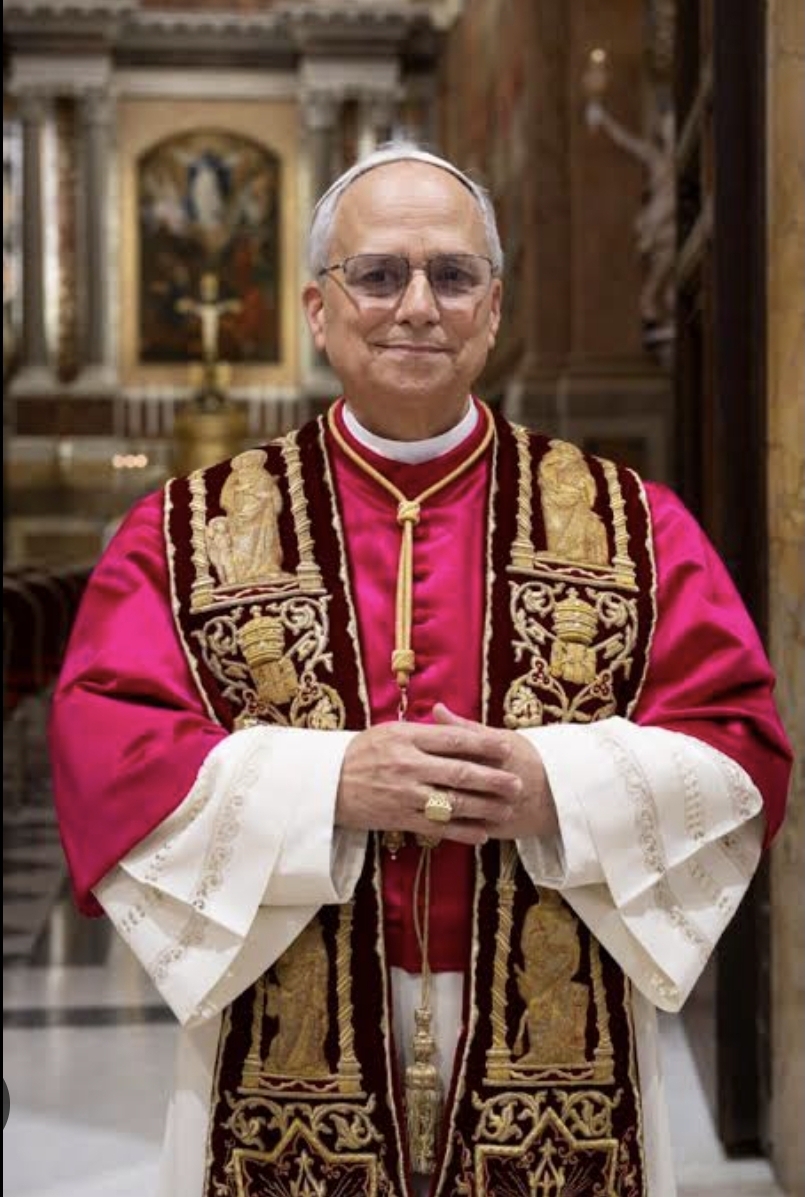
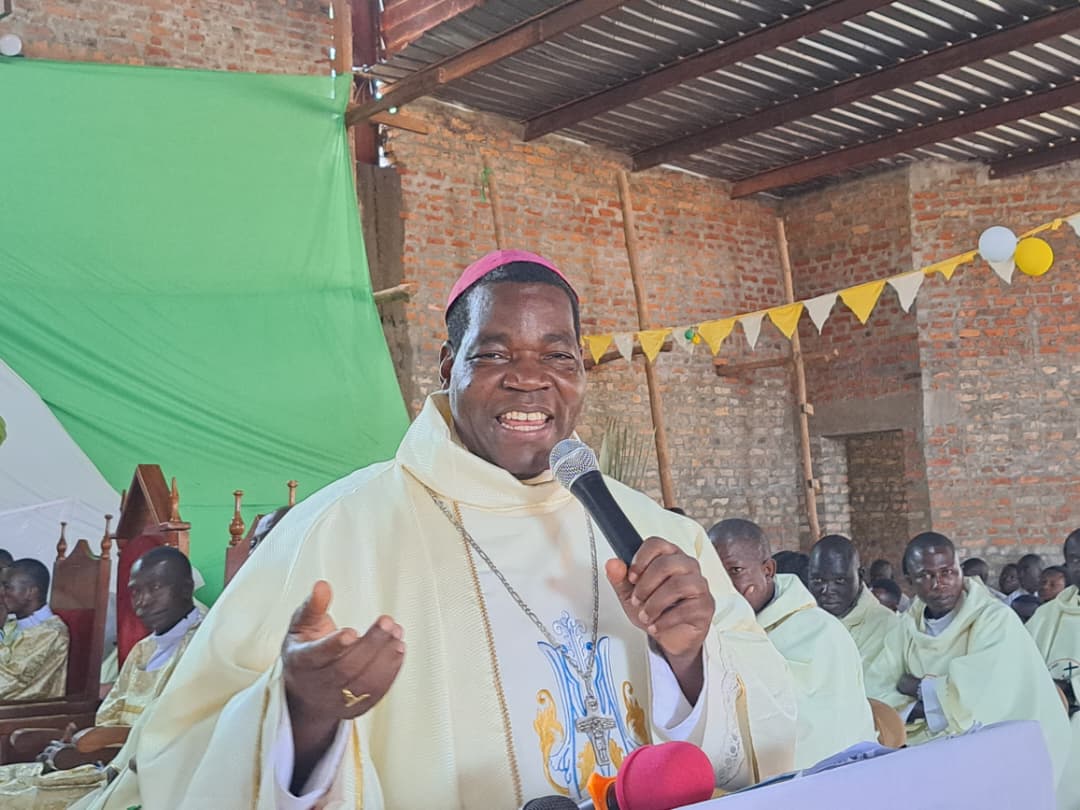
The Bishop of the Catholic Diocese of Tombura-Yambio, the Most Reverend Barani Eduardo Hiiboro Kussala, has issued a powerful pastoral letter calling on all people of Western Equatoria State to revive the culture of peaceful coexistence, dialogue, and reconciliation that once defined the region, warning against the misuse of social media and urging citizens to make the state a “Peace Basket” and “Forest of Dialogue” for South Sudan.
In a message dated May 13, 2026, and titled “Western Equatoria: The Green Heart and Peace Forest of South Sudan,” Bishop Hiiboro wrote with what he described as deep love, hope, and responsibility for the state and for the generations that will inherit the future being built today.
The Bishop described Western Equatoria as one of God’s most beautiful gifts to South Sudan and Africa, a land blessed with green rainforests, fertile soil, rivers, agriculture, hospitality, cultural richness, hard work, dignity, and peaceful coexistence. He recalled that for generations, the land welcomed people from different tribes, churches, and neighboring nations, with many who came as visitors remaining because they found acceptance, humanity, and peace.
A Heritage of Ubuntu and Coexistence
Bishop Hiiboro said Western Equatoria lived the spirit of Ubuntu—”I am because we are”—with people sharing markets, schools, marriages, celebrations, and dreams. Communities respected elders, protected life, and solved conflicts through dialogue and reconciliation. He noted that Western Equatoria was known not only as the Bread Basket of South Sudan but also as a Basket of Peaceful Coexistence, becoming the Green Heart of South Sudan, the Garden of Hospitality, the Home of Dialogue, the Land of Hard Work, and the Sanctuary of Human Dignity.
However, the Bishop acknowledged that over the years, painful challenges entered society. Violence, political instability, economic hardship, insecurity, displacement, mistrust, and division wounded the social fabric. Different parts of the state, from the LRA attacks to conflicts in Mundri, Maridi, Yambio, Ezo, and Tombura, experienced pain, fear, displacement, and suffering.
The Truth About Peace
Yet after all these painful years, Bishop Hiiboro said one truth became very clear: violence did not heal communities, hatred did not restore trust, and revenge did not create peace. He emphasized that peace began when people sat together, listened to one another, forgave one another, and rediscovered their shared humanity, declaring that true peace is born through dialogue.
The Bishop appealed to all people to revive the culture of respectful conversation, reconciliation, and unity. He called on leaders to speak honestly to communities and urged chiefs, churches, youth, women, intellectuals, civil society, and families to become bridges of healing and peace.
Safeguarding the Sacredness of Life
Above all, Bishop Hiiboro called for safeguarding the sacredness of human life, proclaiming that life is a gift from God. He declared that no tribe is greater than another, no political interest is more important than human dignity, and no anger should make people forget their common humanity. He emphasized that every life matters, every child matters, every elder matters, every family matters, and every community matters.
The Bishop stressed that Western Equatoria belongs to all and that peace must become the duty and responsibility of every citizen.
Warning Against Social Media Misuse
In a particularly timely section of his message, Bishop Hiiboro addressed the misuse of social media, warning that one careless message can destroy relationships built over generations and that one insult written behind a phone screen can plant hatred in many hearts. He noted that harmful words not only affect individuals but entire entities linked to them, with potential to be passed from generation to generation.
The Bishop emphasized that words are powerful, capable of healing or destroying, uniting or dividing. He urged everyone to ask before writing, speaking, or posting online: “What kind of seeds am I sowing?” He contrasted seeds of hatred, revenge, insults, division, and hopelessness with seeds of peace, patriotism, healing, forgiveness, dialogue, unity, and development.
Bishop Hiiboro said a society becomes what its people continually plant through words, attitudes, and actions. He called for developing a unifying language of respect, wisdom, healing, encouragement, and responsibility, urging that vocabulary reflect who people truly are as those who care for one another and that words protect relationships instead of destroying them.
A Vision for Western Equatoria
The Bishop declared that Western Equatoria must not export violence, tribalism, negativity, and division but must export peace, prosperity, agriculture, coexistence, innovation, and hope. As South Sudan searches for lasting peace, he said, Western Equatoria must become a shining example of reconciliation, stability, and development for the entire nation.
He called on the state to become the Peace Basket of South Sudan, the Forest of Dialogue, the Home of Unity, and the Green State of Hope. Above all, he invited all people to return to prayer and to hold firmly onto Christ, the Prince of Peace, saying that prayer changes attitudes, heals memories, softens bitterness, and renews communities.
Appeals to Specific Groups
Bishop Hiiboro directed specific appeals to different groups within society. To political leaders, he said leadership is service, not division. To youth, he urged using energy and intelligence to build the future through education, agriculture, innovation, entrepreneurship, and peacebuilding. To women, he encouraged them to continue being guardians of life, healing, and reconciliation.
To traditional leaders, the Bishop called for reclaiming the wisdom of dialogue, patience, and moral leadership. To church leaders, he urged continued defense of truth, justice, peace, and unity without fear or tribalism. To all people, he called for working together to return Western Equatoria to total peace, development, and prosperity so the state may make a bold contribution to the unity and future of South Sudan.
A Call That Must Not Be Ignored
Bishop Hiiboro described his message as “a call that must not be ignored,” emphasizing that the future generation is watching and will learn from current actions. He urged that children inherit peace and not bitterness, dialogue and not insults or disrespect, hope and not fear, prosperity and not destruction, unity and not division.
Quoting Scripture, the Bishop invoked Christ’s Beatitude that blessed are the peacemakers, for they shall be called children of God, and the Psalm declaring how good and pleasant it is when brothers and sisters live together in unity.
The Bishop concluded by affirming that the future is still possible and that Western Equatoria can rise again in dignity, unity, prosperity, and peace. He expressed hope that history will remember this generation as one that chose dialogue over violence, reconciliation over revenge, and humanity over hatred.
Bishop Hiiboro ended with prayers that God bless Western Equatoria State, that Christ heal wounds, that the Holy Spirit renew hearts, and that peace flourish once again beneath the green forests and fertile lands. He assured all of his daily prayers and love for them.
The pastoral letter was issued on May 13, 2026, the feast of Our Lady of Fatima and the feast day of Maridi Catholic Parish in the Catholic Diocese of Tombura-Yambio.
Significance and Impact
Bishop Hiiboro’s message comes at a critical moment for Western Equatoria State, which has experienced cycles of violence and displacement that have undermined the traditional culture of peaceful coexistence for which the region was known. His call for reviving dialogue, reconciling communities, and transforming the state into a model of peace for South Sudan represents both a remembrance of what was lost and a vision of what can be regained.
The emphasis on the misuse of social media addresses a growing concern across South Sudan and Africa more broadly, where digital communication platforms have sometimes amplified ethnic tensions, spread misinformation, and enabled anonymous attacks that would not occur in face-to-face community interactions. Bishop Hiiboro’s call for responsible digital citizenship reflects pastoral wisdom about how modern technology can either build or destroy community.
As one of the most influential religious leaders in South Sudan, Bishop Hiiboro’s voice carries significant moral authority. His consistent advocacy for peace, reconciliation, and human dignity has made him a respected figure not only within the Catholic Church but across religious and ethnic communities throughout the country. This latest pastoral letter reinforces his prophetic role in calling society back to its best values and highest aspirations.