By Sr. Laurencila, FSSA.
The Catholic Diocese of Tombura-Yambio has issued comprehensive medical and health guidelines for priests, religious, catechists, seminarians, and pastoral agents working in the tropical rainforest environment of Western Equatoria State, where missionaries face numerous health risks including malaria, typhoid, and dangerous travel conditions.
The guidelines, released on May 13, 2026, by the Diocesan Wholeness and Wellness Health Services Department, establish protocols for prevention, awareness, healthy living, safety, and wellness for all Church personnel. The document emphasizes that human life and health are sacred gifts from God and that caring for one’s body, mind, and spirit is part of Christian stewardship and responsible ministry.
The comprehensive protocol covers twelve major areas including regular medical check-ups, personal hygiene, safe drinking water and food safety, malaria prevention, typhoid prevention, worm infections, foot care, motorcycle and road safety, respiratory health, snake bite and insect protection, physical exercise and emotional wellness, emergency medical preparedness, and diocesan responsibility for supporting clergy health.
Key recommendations include annual medical check-ups, sleeping under treated mosquito nets, drinking only boiled or filtered water, wearing helmets while riding motorcycles, dressing warmly during travel to prevent pneumonia, maintaining regular physical exercise, and seeking early treatment for illnesses rather than delaying care.
The diocese particularly emphasized motorcycle safety, requiring mandatory helmet use, avoiding night travel, regular vehicle servicing, and wearing protective clothing during cold and rainy weather to reduce risks of respiratory infections. The guidelines also call for each parish to maintain basic medical supplies including first aid kits, Antimalarial medicines, and emergency contact numbers.
On Emotional and Psychological wellness, the Diocese acknowledged that Priests and Pastoral Workers often face Stress, loneliness, Trauma, and Exhaustion, encouraging Regular Prayer, Proper Rest, Spiritual Direction, and Fraternal support while discouraging isolation and unhealthy coping habits.
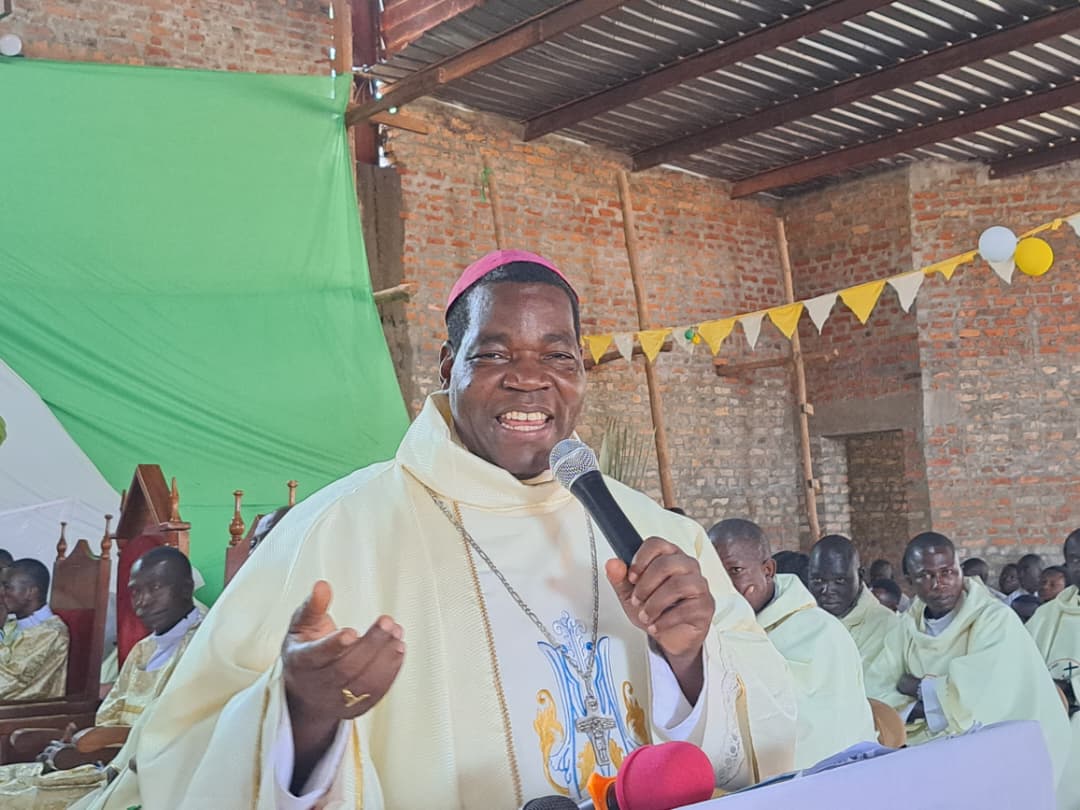
Bishop Barani Eduardo Hiiboro Kussala’s initiative reflects recognition that effective evangelization requires healthy pastoral workers and that prevention and responsible healthcare are essential parts of ministry. The diocese pledged to support Annual Medical Awareness Programs, Clergy Wellness Education, and Partnerships with Hospitals and Health Organizations to ensure the wellbeing of those serving God’s people in Challenging Missionary Environments.