By Waure Eddy
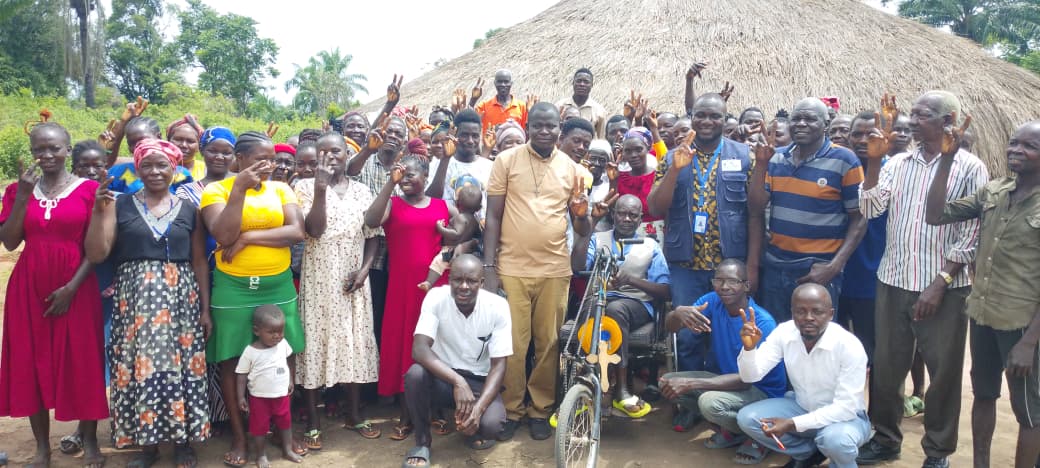
Fifty farmers from Uze have successfully completed two-day training on agro-ecological and good agronomy practices, organized by the Catholic Organization for Development and Peace with funding from Manos Unidas, as part of efforts to boost sustainable cultivation skills and strengthen food security in Western Equatoria State.
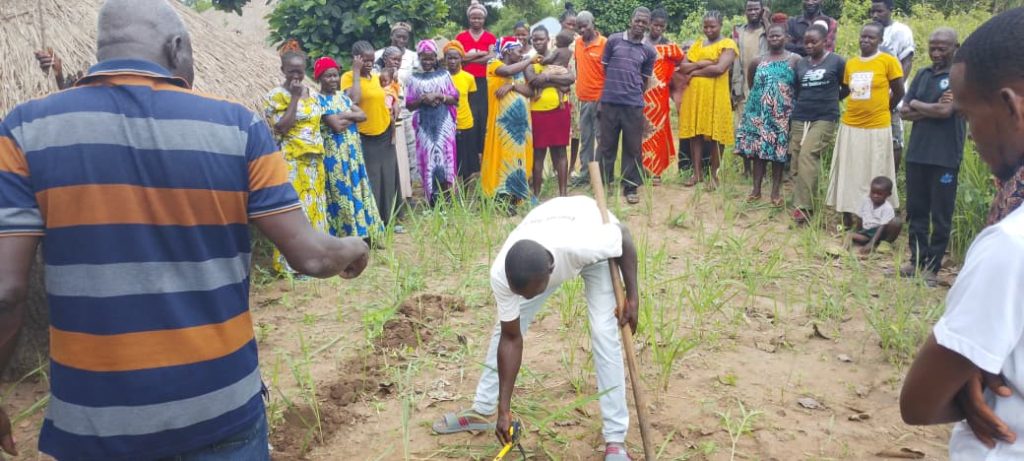
The initiative aimed to enhance farmers’ skills in sustainable cultivation while equipping them with essential tools and improved seed varieties. An additional 50 farmers from Ngindo will also benefit from similar training, bringing the total number of supported farmers to 100 across the two locations.
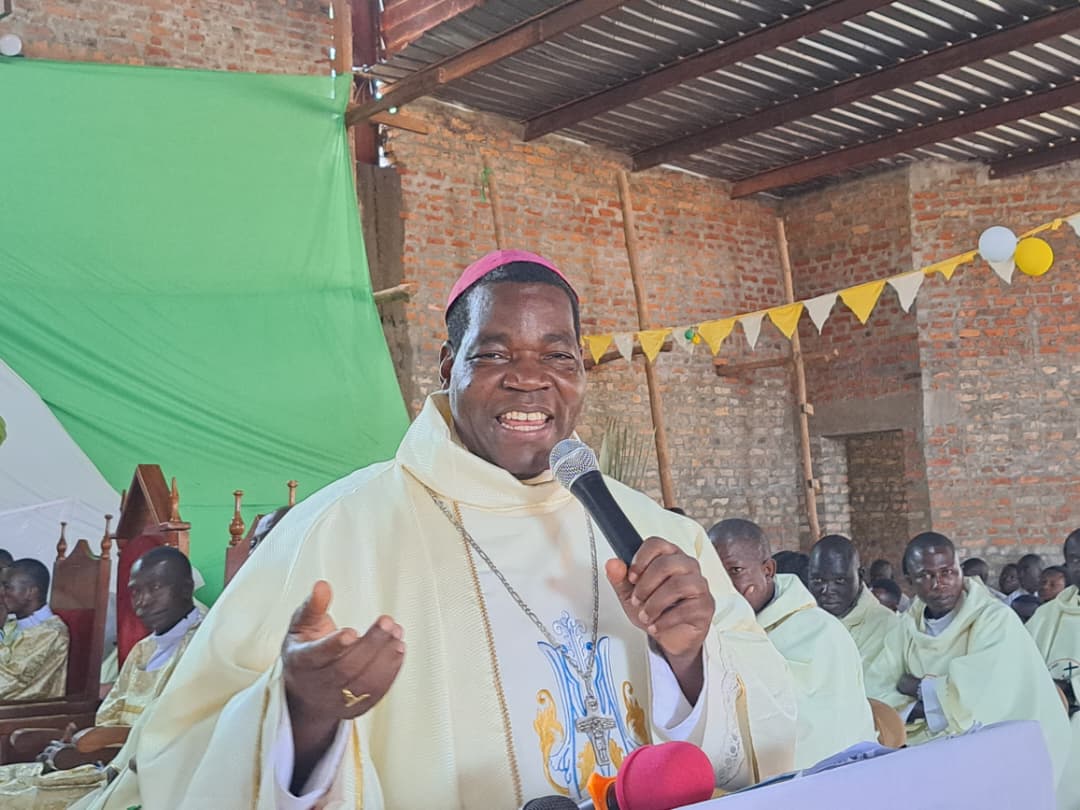
During the closing ceremony, Project Manager Mamu John Badari expressed gratitude to Bishop Barani Eduardo Hiiboro Kussala and partners for their trust in CODEP. He urged participants to put the acquired skills into practice, emphasizing that it is now the farmers’ responsibility to implement the project well. He challenged them not to go home with knowledge and relax but to train others and make their partners proud.

Community Commitment and Appreciation
Community leaders echoed this commitment to successful implementation. Headman Emmanuel Peter pledged that farmers would implement the training effectively, noting that land had already been secured for the project. His assurance addresses one of the critical challenges in agricultural development projects—access to suitable land for demonstration and production.
Farmer representative Angelina Joseph thanked CODEP and partners, saying the training had provided valuable new skills that would be applied without hesitation. Her statement reflects the enthusiasm and readiness of participating farmers to translate training into productive farming activities.

Facilitator Marcelo Bakuyo praised the farmers’ dedication, emphasizing that their readiness to translate knowledge into action would ensure success in the fields. His observation suggests that the training was well-received and that participants demonstrated genuine engagement with the material presented.
CODEP and Church Leadership Support
CODEP Director Reverend Father Charles Mbikoyo highlighted the importance of community cooperation, stating that the project is for the farmers and that with the Bishop’s effort and partners’ support, all must work hand in hand to ensure success. He expressed relief that the land issue, which had been a major concern, has been resolved.

Representing Bishop Hiiboro, Vicar General Reverend Father Thomas Bagbiowia encouraged farmers to remain committed, stressing that the project’s benefits would directly improve their livelihoods, including enabling them to send children to school. His emphasis on education reflects the integral development approach that connects agricultural productivity to broader family welfare and human development.
Government Support
Yambio County Commissioner Honorable Angelo Bakote reinforced the government’s support for the initiative, urging communities to provide land for such projects. He clarified that the land will not be owned by the organization but will remain for the communities to benefit, assuring that the government will work hand in hand with CODEP to ensure smooth implementation.

The Commissioner’s statement addresses potential community concerns about land ownership while demonstrating government commitment to supporting agricultural development initiatives led by non-governmental organizations.
Part of Broader Agricultural Strategy
The training and distribution of tools mark another step in strengthening food security and resilience among local farmers, with CODEP continuing its mission to empower communities through sustainable agricultural practices. The initiative aligns with Bishop Hiiboro’s vision, articulated in his recent Labour Day message, that the Catholic Diocese of Tombura-Yambio become food sufficient.

The two-day training covered agro-ecological practices, which emphasize farming methods that work with natural systems rather than against them, promoting soil health, biodiversity, and sustainable resource management. Good agronomy practices include proper land preparation, seed selection, soil fertility management, water management, pest control, and post-harvest handling.
By combining training with the provision of tools and improved seeds, the project takes a comprehensive approach that addresses both knowledge gaps and material constraints that often limit smallholder farmer productivity. This integrated strategy increases the likelihood that farmers will be able to successfully apply what they have learned.

The establishment of demonstration farms, mentioned by the Project Manager, will provide ongoing learning opportunities and serve as models for other farmers in the community. These demonstration sites allow farmers to see improved practices in action and gain confidence before adopting new methods on their own land.
The involvement of 100 farmers across Uze and Ngindo payams creates a critical mass of trained farmers who can serve as agricultural champions in their communities. As these farmers apply improved practices and achieve better yields, they can inspire and teach neighboring farmers, creating a multiplier effect that extends the project’s impact beyond direct beneficiaries.

CODEP’s Strengthening Smallholder Farmers for Sustainable Self-Sufficiency Project, funded by Manos Unidas, represents the ongoing partnership between local Catholic development organizations and international Catholic solidarity agencies. This collaboration brings together global resources with deep local knowledge and community trust to address critical development challenges.
As the farmers return to their communities with new knowledge, tools, and seeds, the success of this initiative will be measured not only by what was learned during training but by the harvests produced in the coming months and the extent to which improved practices spread throughout the farming communities of Yambio County.