By Waure Eddy.
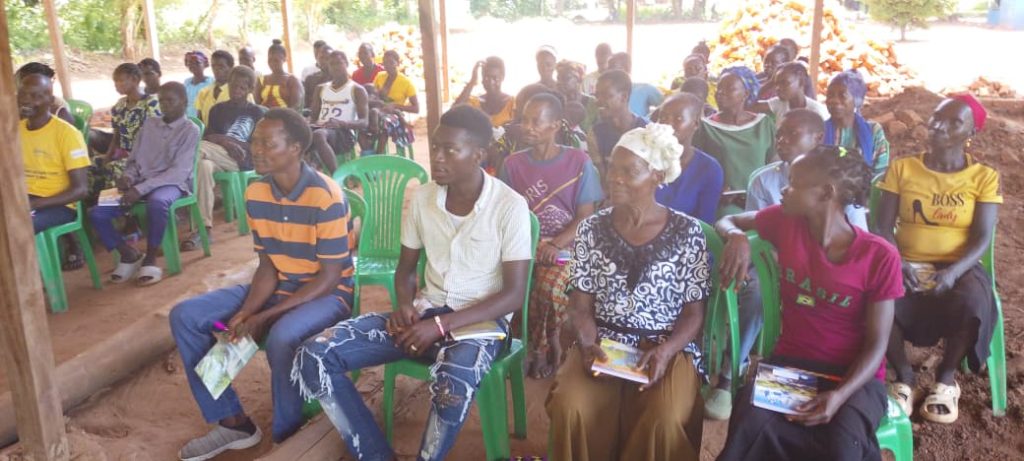
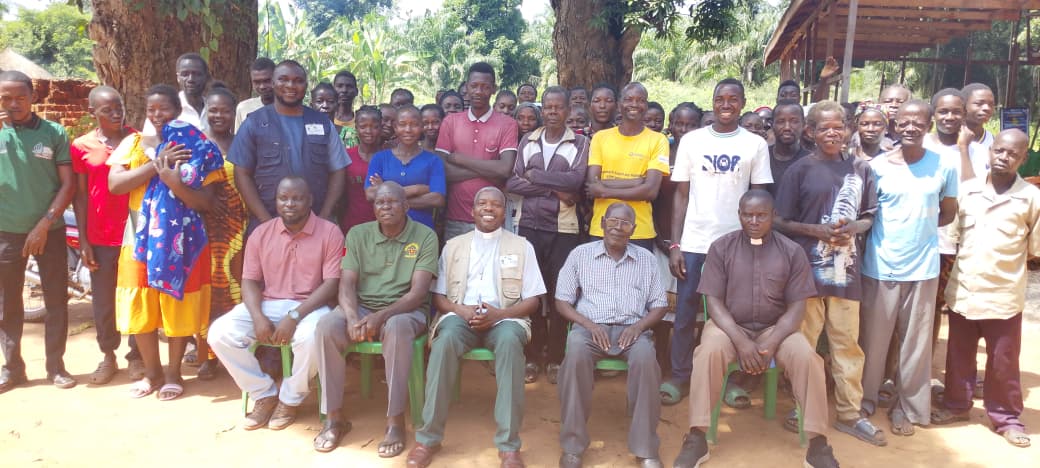
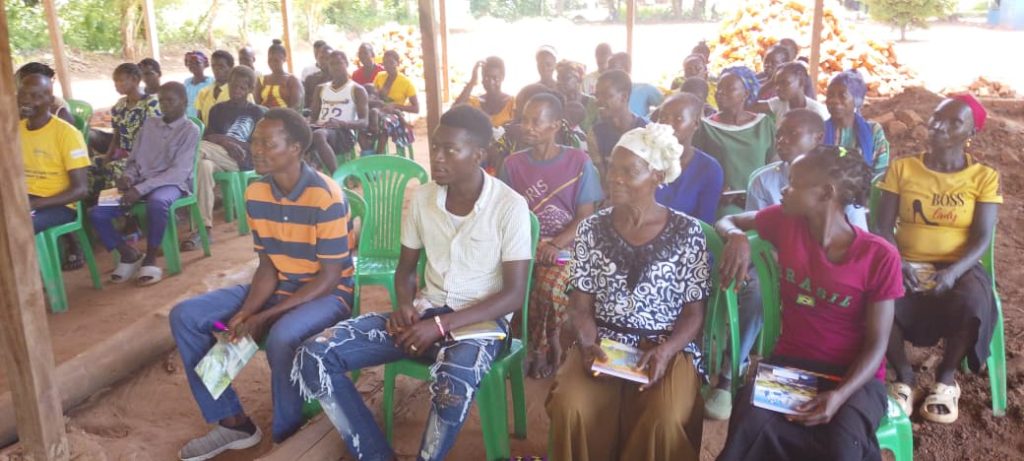
The Ngindo Cooperative Farmers in Yambio County have officially launched a two-day training program on sustainable agriculture, supported by Manos Unidas and implemented by the Catholic Organization for Development and Peace, as part of ongoing efforts to strengthen food security and improve farming practices in Western Equatoria State.
The program aims to equip 50 participants with practical skills to improve seed planting and farming practices, with the expectation that they will transfer the knowledge to others in their communities, creating a multiplier effect that extends the training’s impact beyond direct beneficiaries.
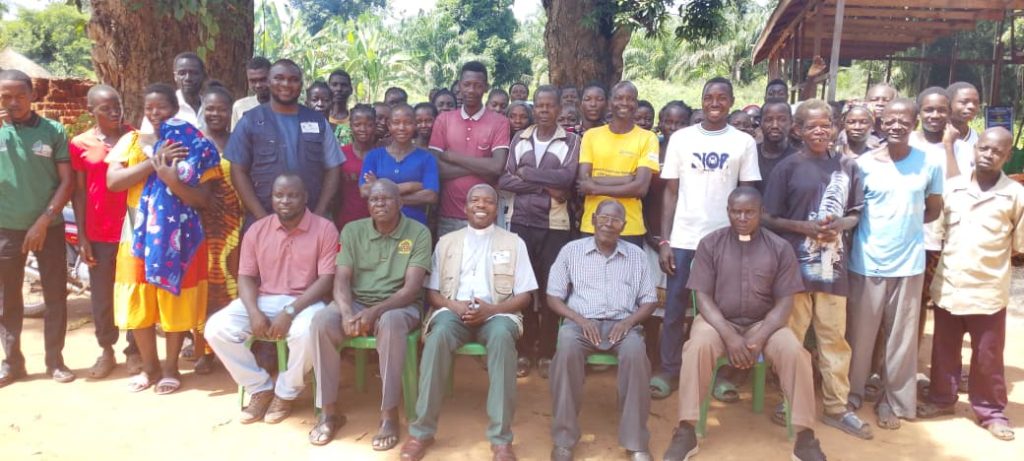
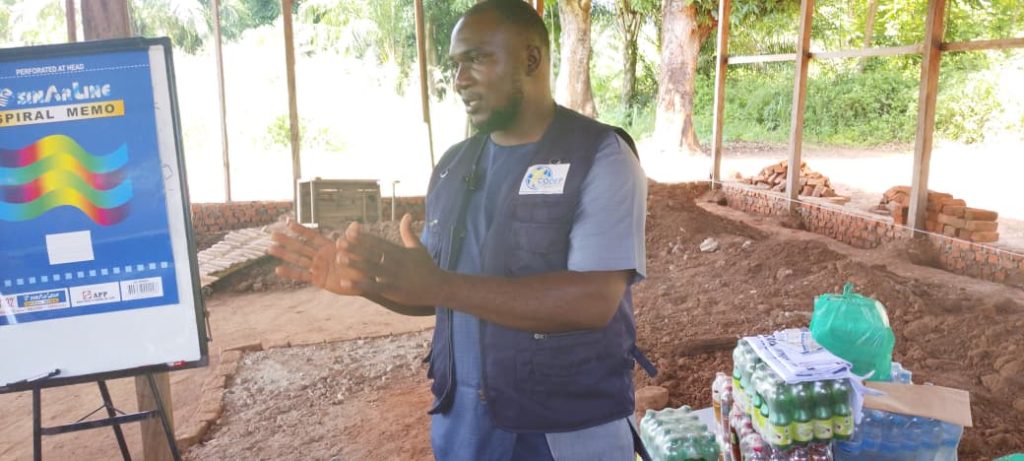
Speaking at the launch, Project Manager for Sustainable Agriculture, Mr. Mamu John, emphasized the importance of commitment from the farmers. He cautioned participants that farmers themselves would be the ones to fail the project if they are not serious with the training, urging them to work hard to achieve their abilities and make the most of the opportunity provided.
Mamu John noted that at the end of the training, farmers would receive agricultural tools to boost their farming capacity, combining knowledge with practical resources necessary for improved agricultural productivity.
Church and Community Support
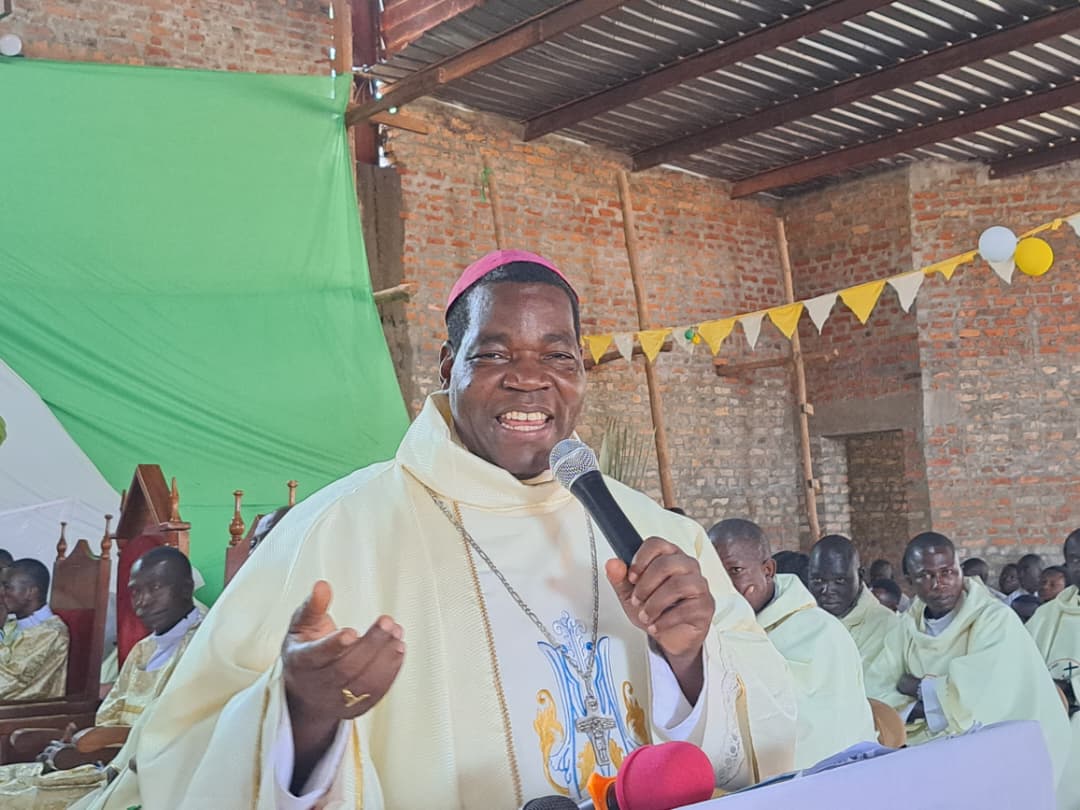
Parish Priest of St. Joseph Maingbangaru, Reverend Father Abel Tindi, expressed gratitude to Bishop Barani Eduardo Hiiboro Kussala for his continuous support in empowering farmers with agricultural knowledge. He identified hunger as the community’s primary challenge today, emphasizing the need to work hard so that the community can have enough food. Father Tindi encouraged active participation throughout the training sessions.
Community leaders also voiced their appreciation for the initiative. Headman Natale Bullen thanked CODEP and its partners for their support, urging selected farmers to be active and ask questions for clarity, recognizing that understanding comes through engagement and inquiry.
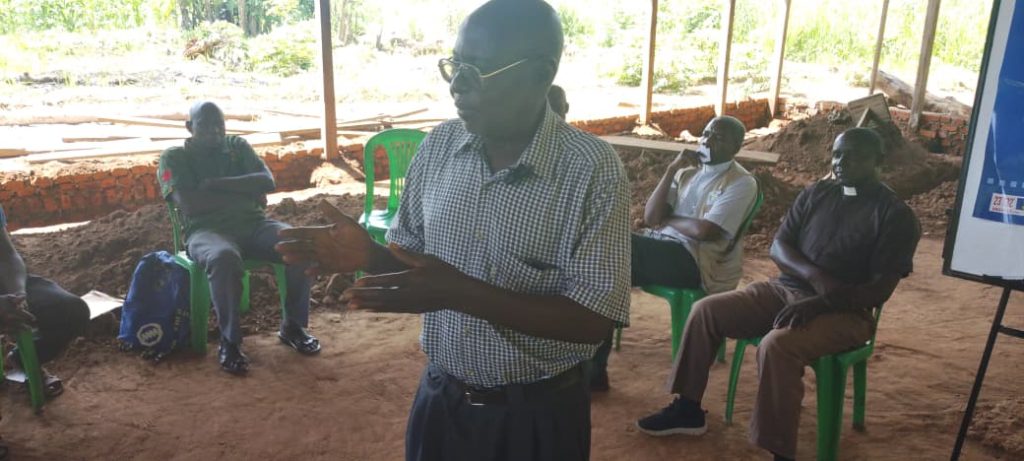
Executive Chief of Yambio Town Payam/County, Angelo Francis Ngindo Mokonzi, praised the collaboration between the community and the organization. He emphasized the need to make the organization and partners proud for giving them this project, affirming that the community is ready to perform better and demonstrate the value of the investment being made in their agricultural development.
CODEP Leadership Commitment
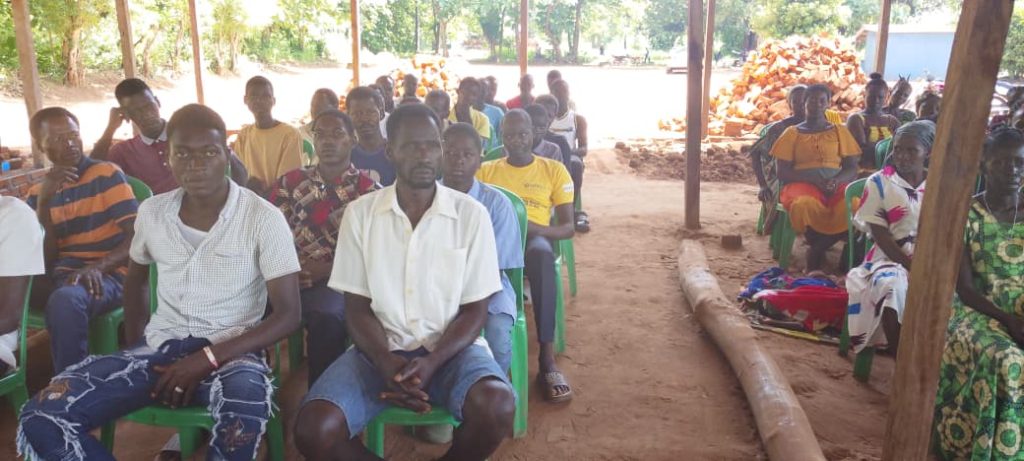
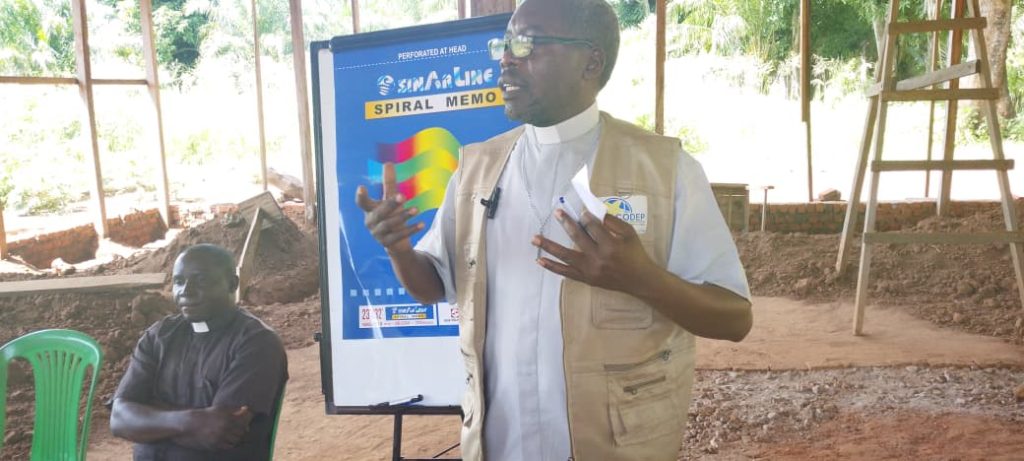
CODEP Director, Reverend Father Charles Mbikoyo, highlighted Bishop Hiiboro’s tireless efforts in seeking support for farmers and Christians to gain vast knowledge in cultivation. He thanked the Ngindo Cooperative Farmers for providing land for the project, stressing that the land remains community-owned and will continue to benefit local people.
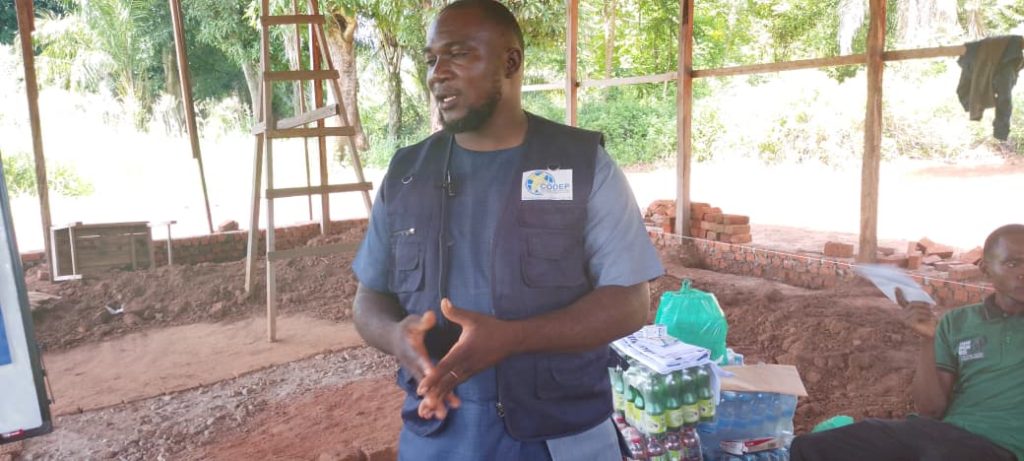
Father Mbikoyo noted that the donor directed CODEP to select women, men, and persons with disabilities into the group, affirming that this directive has been fulfilled. He urged farmers to work hard to achieve their goals, remain united, and avoid duplicating membership across groups, ensuring that benefits reach as many different households as possible.
Part of Broader Food Security Strategy
The training marks another milestone in CODEP’s ongoing mission to strengthen food security and sustainable farming practices in Western Equatoria State. Through Bishop Hiiboro’s advocacy, the organization pledged to continue engaging donors to support community-driven agricultural initiatives that can reduce hunger and improve livelihoods.
The initiative aligns with Bishop Hiiboro’s vision, articulated in his recent Labour Day message, that the Catholic Diocese of Tombura-Yambio become food sufficient. The Bishop has called on every household to cultivate a farm, every parish and institution to engage in production, and parish priests to become agricultural extension leaders in their areas.
The two-day training program will cover sustainable agriculture practices that promote long-term soil health, environmental conservation, and resilient farming systems capable of withstanding climate variability. These practices are particularly important in the context of South Sudan, where climate change is affecting rainfall patterns and agricultural productivity.
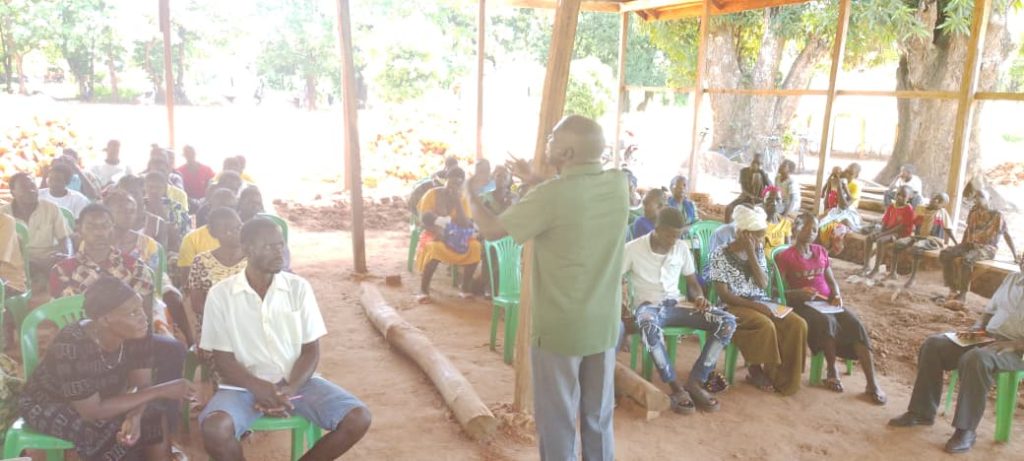
The inclusion of women, men, and persons with disabilities in the training group reflects best practices in agricultural development, recognizing that diverse participation strengthens communities and ensures that vulnerable groups have opportunities to improve their economic situation through productive farming.
The provision of agricultural tools at the end of training addresses a common constraint facing smallholder farmers who may have knowledge but lack the basic implements necessary to apply improved practices. By combining training with tool distribution, CODEP increases the likelihood of successful adoption of new farming methods.
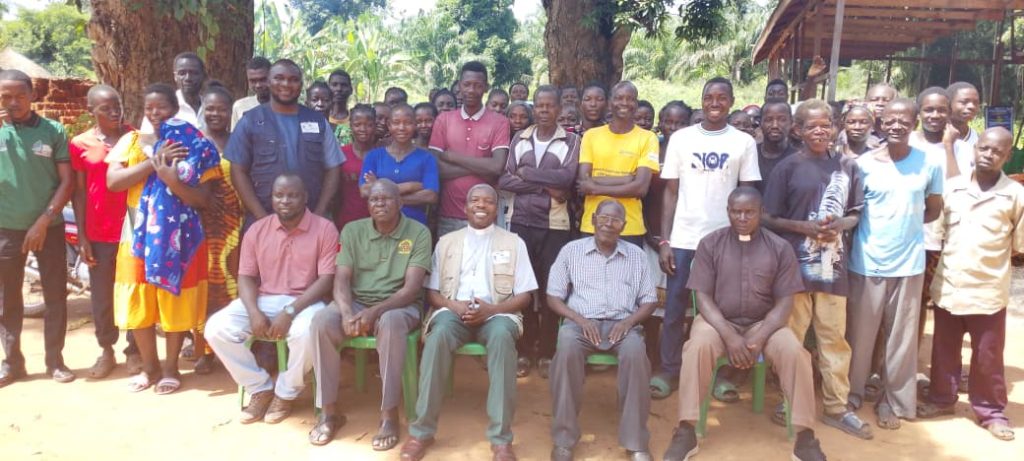
The establishment of the Ngindo Cooperative Farmers as an organized group provides a structure for ongoing collaboration, shared learning, and collective action. Farmer cooperatives can strengthen members’ bargaining power when purchasing inputs or selling produce, facilitate access to credit and extension services, and create peer support networks that sustain motivation and knowledge sharing.
As the training progresses, the 50 participating farmers will gain skills and knowledge that can transform not only their own farming practices but also those of their neighbors and fellow community members. The expectation that trained farmers will teach others creates a sustainable model for agricultural knowledge dissemination that can continue long after the formal project concludes.
CODEP’s Strengthening Smallholder Farmers for Sustainable Self-Sufficiency Project, funded by Manos Unidas, represents the ongoing partnership between local Catholic development organizations and international Catholic solidarity agencies working together to address food insecurity and poverty in South Sudan through agricultural development and community empowerment.