By Waure Eddy
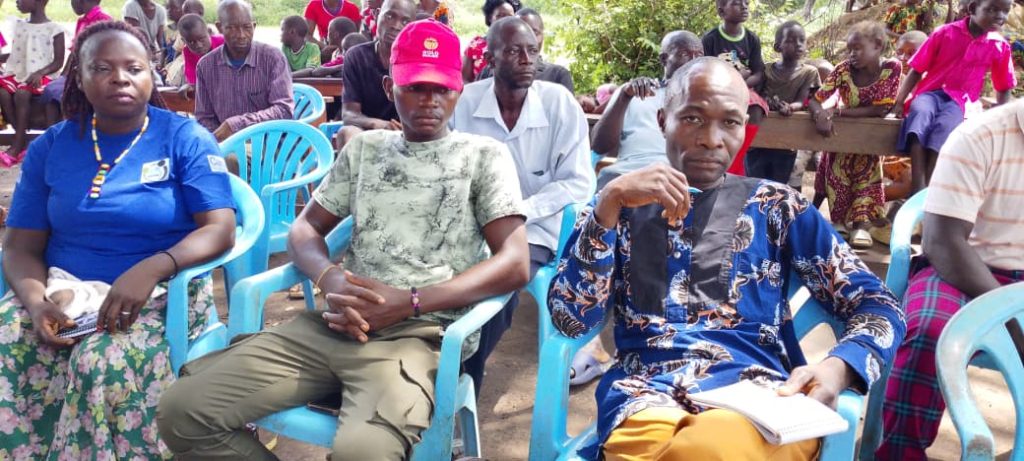
St. Peter Nursery and Primary School has officially launched a quality education initiative funded by Caritas Austria and implemented by the Integrated Community Development Organization in collaboration with the Catholic Diocese of Tombura-Yambio, bringing hope to a community where decades of conflict have devastated the education system.
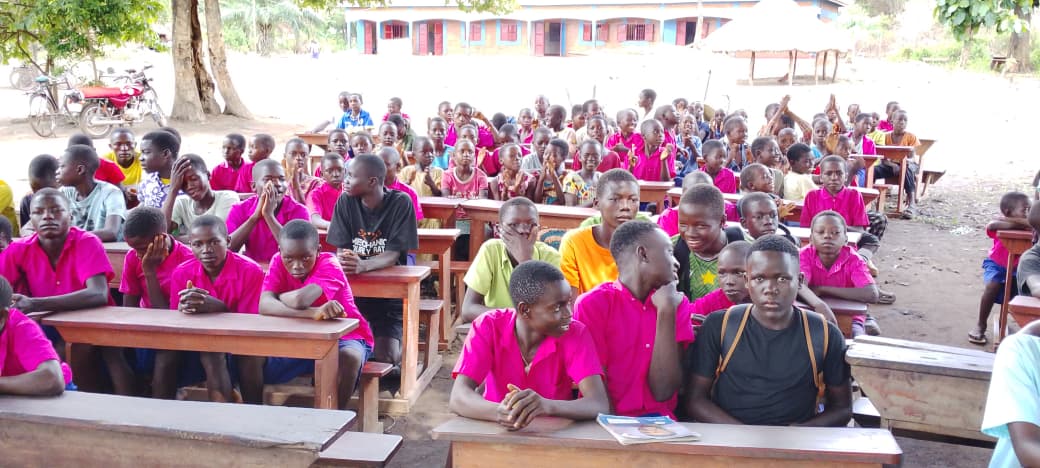
Gangura Payam, scarred by nearly three decades of civil war in Sudan and South Sudan and ethnic conflicts, has seen its education system collapse, with illiteracy rates standing at nearly 80 percent, particularly among girls and women. The new project aims to reverse this trend by promoting inclusive and equitable education for all children in Gangura and beyond.
Comprehensive Educational Investment
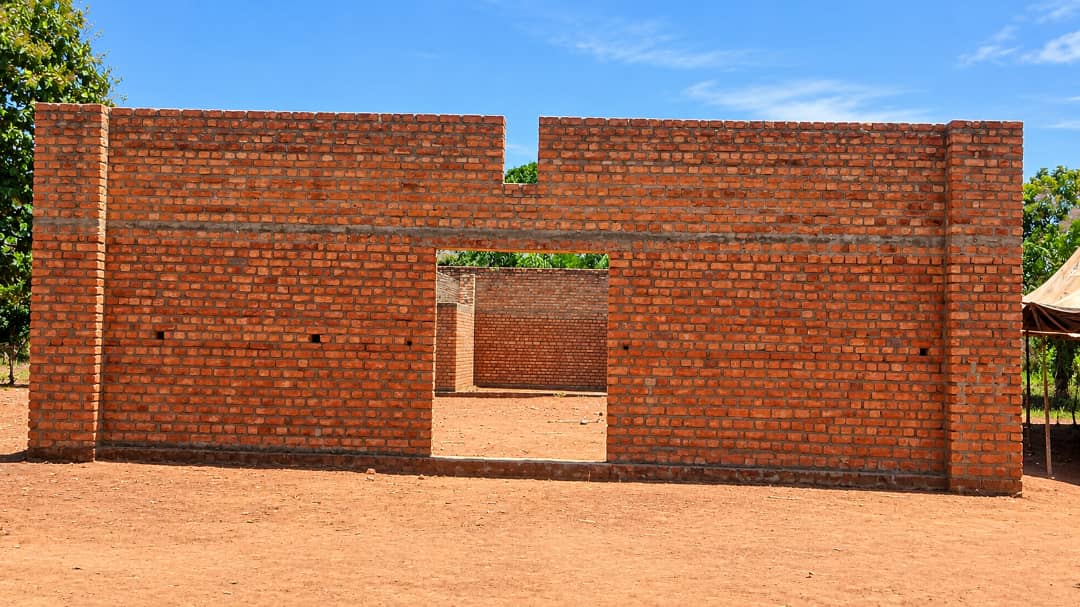
The project has already achieved significant milestones, including the recruitment and training of nine teachers at Solidarity Teacher Training College, installation of a solar power system to ensure reliable energy, construction of five classrooms to expand learning space, provision of internet access and nine laptops for teachers, and supply of essential learning materials for pupils. Caritas Austria has committed to a three-year support plan to sustain the school’s growth.
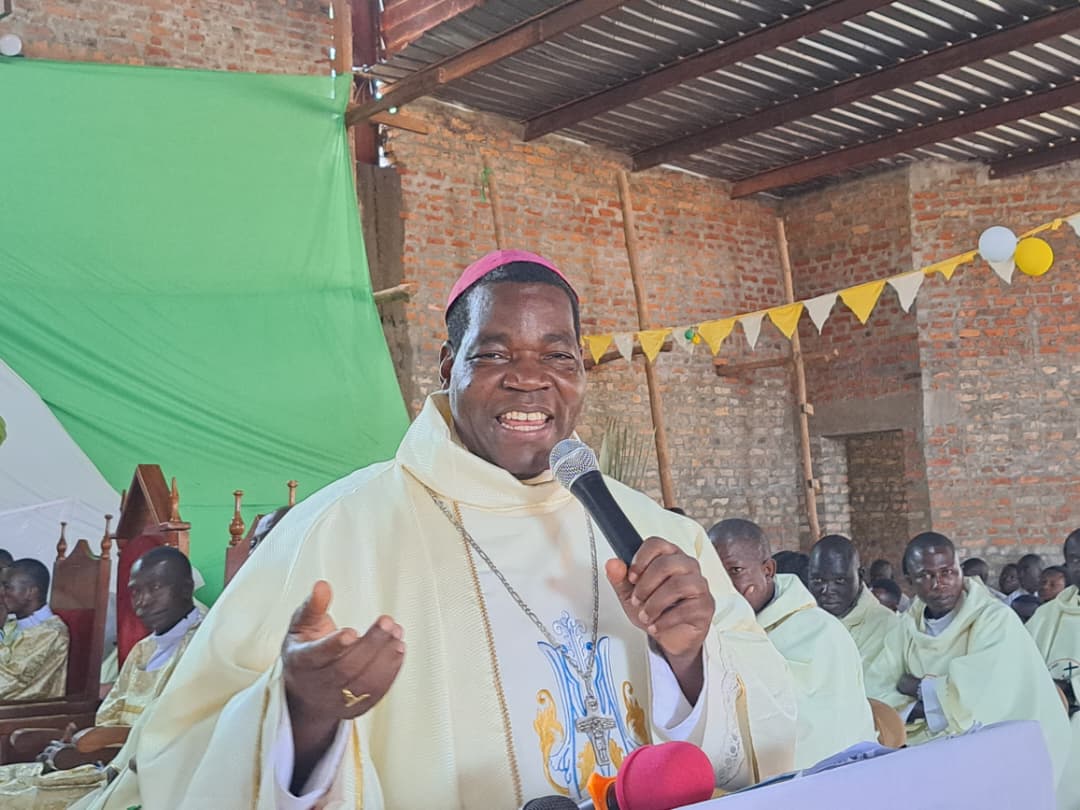
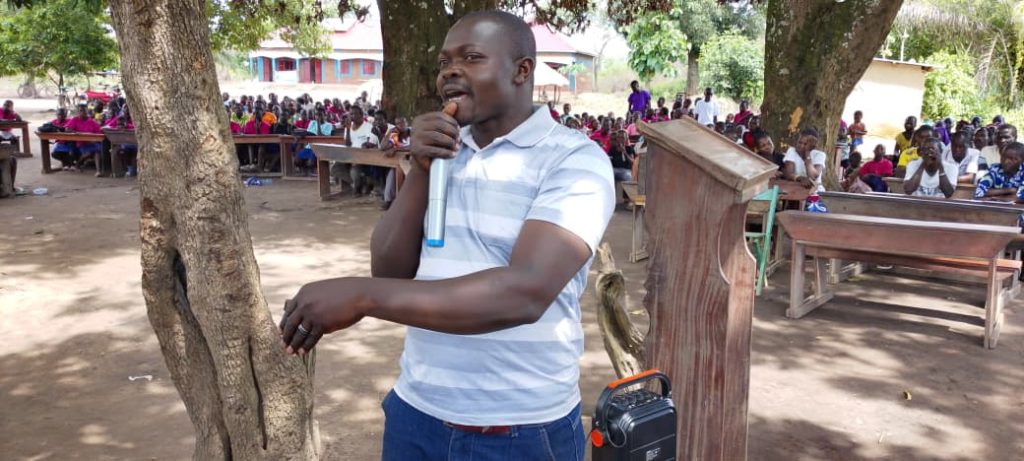
Speaking at the launch event, Reverend Father Ezekiel Sungerukuari, Principal of St. Peter Nursery and Primary School, expressed profound gratitude to Caritas Austria and ICODO for their collaboration. He said that with Bishop Barani Eduardo Hiiboro Kussala’s guidance, he will work hard to ensure the school runs smoothly, pledging that the school community will make sure the construction finishes well through community contribution.

Mr. Moses, ICODO Project Coordinator, emphasized the importance of maintaining high standards, saying the project aims to ensure the school looks well and meets quality standards. He called on all stakeholders to do their level best to support the project, recognizing that success requires collective effort from all involved parties.
Community and Government Support
Gangura Payam Chief Gaaniko Daniel welcomed the initiative with appreciation, noting that for years, children in the area have suffered without proper schools. He described the project as bringing hope and pledged that the community will stand with the partners to ensure children get the education they deserve.

Women’s leader Madam Mariam highlighted the particular impact the project will have on girls, emphasizing that education for girls has been neglected for too long in the community. She expressed joy that with the new classrooms and trained teachers, daughters will finally have a chance to learn and build a better future.
International Partnership and Commitment
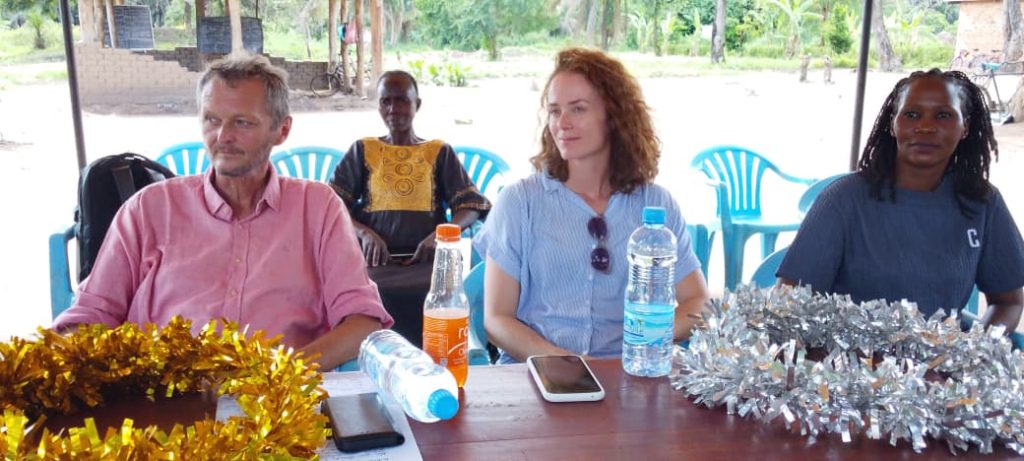
Caritas Austria representatives, including Ms. Miriam Ebner and Mr. Weiner Wright, reaffirmed their dedication to supporting the school for better education in the community. They announced that Caritas Austria is engaging donors back home to secure more funding so that teachers and pupils can thrive, demonstrating long-term commitment beyond the initial three-year support period.

Addressing Critical Educational Needs
The education crisis in Gangura Payam reflects broader challenges facing Western Equatoria State and South Sudan, where decades of conflict have destroyed educational infrastructure, displaced teachers, and forced children out of school. The 80 percent illiteracy rate, particularly among girls and women, represents not only lost educational opportunities but also perpetuation of poverty, limited economic opportunities, and reduced participation in civic life.
The project’s comprehensive approach addresses multiple barriers to quality education. The construction of five classrooms provides the physical space necessary for learning, while the recruitment and training of nine teachers through Solidarity Teacher Training College ensures that qualified educators are available to teach. The installation of solar power addresses the chronic electricity shortage that affects most rural areas of South Sudan, enabling the school to operate consistently and utilize technology for teaching and learning.
The provision of internet access and laptops for teachers represents a significant investment in modern educational tools that can enhance teaching quality and connect the school to broader educational resources. In a context where most schools lack basic materials, this technology infrastructure positions St. Peter School as a model of what quality education can look like even in challenging environments.

The supply of essential learning materials for pupils addresses another common barrier—children who want to learn but lack books, pencils, and other basic supplies necessary for schooling. By providing these materials, the project removes one of the obstacles that keeps children, especially from poor families, out of school.
Focus on Girls’ Education
The emphasis on girls’ education reflects recognition that gender disparities in education are particularly acute in areas affected by conflict and traditional attitudes about women’s roles. When girls receive education, research shows they are more likely to delay marriage, have healthier children, earn higher incomes, and participate in community decision-making. Educating girls creates multiplier effects that benefit entire communities across generations.

The three-year support plan from Caritas Austria provides the sustainability that many education projects lack. Too often, schools receive initial support for construction or materials but struggle to maintain operations once external funding ends. By committing to sustained support, Caritas Austria enables the school to plan for growth, retain qualified teachers through adequate compensation, and continually improve educational quality.
Community Ownership and Participation
Father Ezekiel’s pledge to ensure the construction finishes well through community contribution reflects an important principle of development—that sustainable projects require local ownership and investment, not just external support. When communities contribute their own labor, materials, or funds, they develop a sense of ownership that increases the likelihood they will maintain and protect the investment.

Chief Gaaniko Daniel’s commitment that the community will stand with partners demonstrates the local support necessary for educational initiatives to succeed. When traditional leaders actively support education, they can mobilize communities, resolve conflicts that might disrupt schooling, and ensure that cultural practices support rather than undermine children’s school attendance.
As St. Peter Nursery and Primary School embarks on this transformative journey with support from Caritas Austria, ICODO, and the Catholic Diocese of Tombura-Yambio, the project represents more than buildings and materials. It represents hope for a generation of children in Gangura Payam who will have opportunities their parents never had, and it demonstrates that even in areas devastated by decades of conflict, quality education can flourish when partners work together with vision, commitment, and solidarity.