By Waure Eddy.
The Catholic Organization for Development and Peace has officially launched the formation of eight Village Savings and Loan Association groups across four counties in Western Equatoria State, with support from the Scottish Catholic International Aid Fund, marking a significant milestone in efforts to strengthen community resilience and promote financial inclusion among vulnerable farming households.
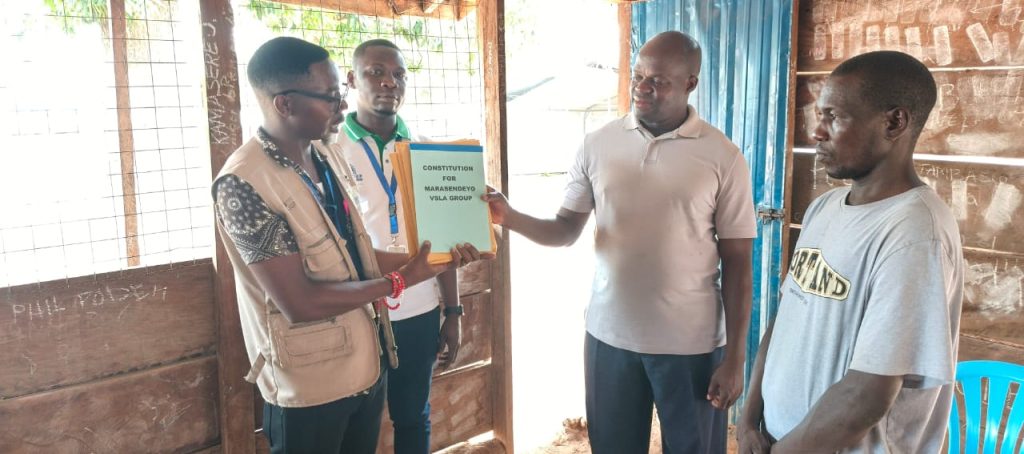
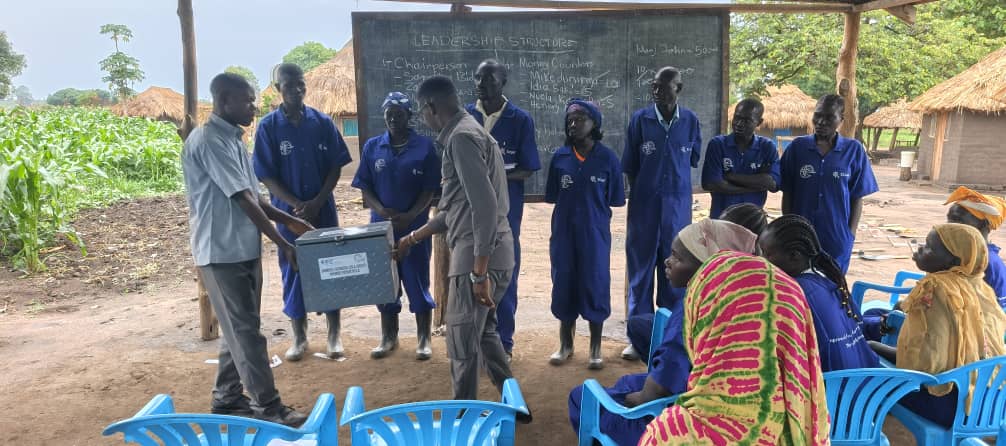
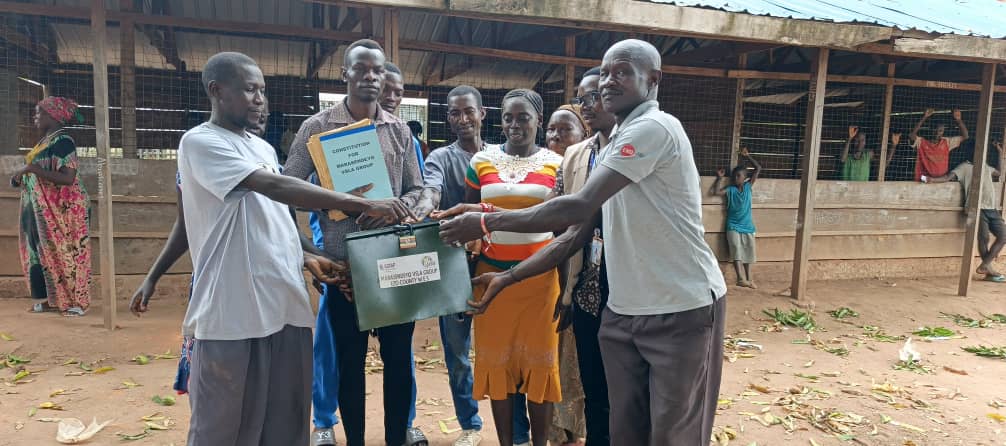
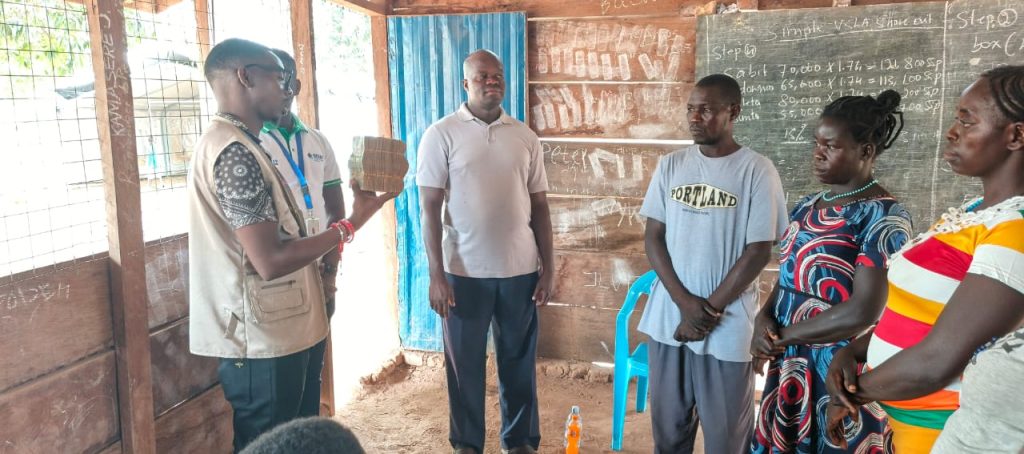
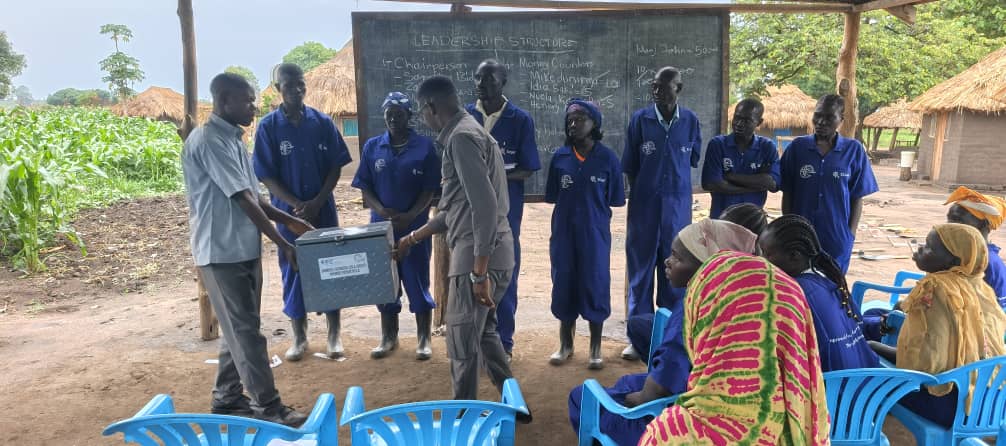
The VSLA groups have been established across four strategic locations: Regina Mundi Ezo Parish in Ezo County, St. Luke Yangiri Parish and St. Andrew Ringasi Parish in Nzara County, and St. Lucy Catholic Parish Mambe in Maridi County. The launch ceremonies brought together community members, leaders, and diocesan representatives to celebrate the formation of these grassroots financial institutions.
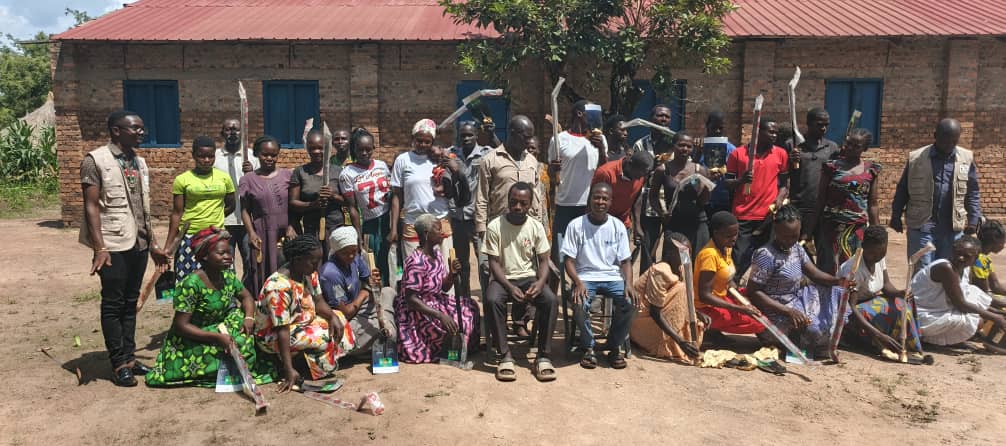
A total of 120 farmers, including 70 women and 50 men, will benefit directly from VSLA membership, with access to financial literacy training, business development skills, entrepreneurship coaching, and startup support. The initiative aims to enable farmers to save collectively, access affordable loans, reduce poverty, and enhance economic stability across participating communities.
Vision and Inspiration
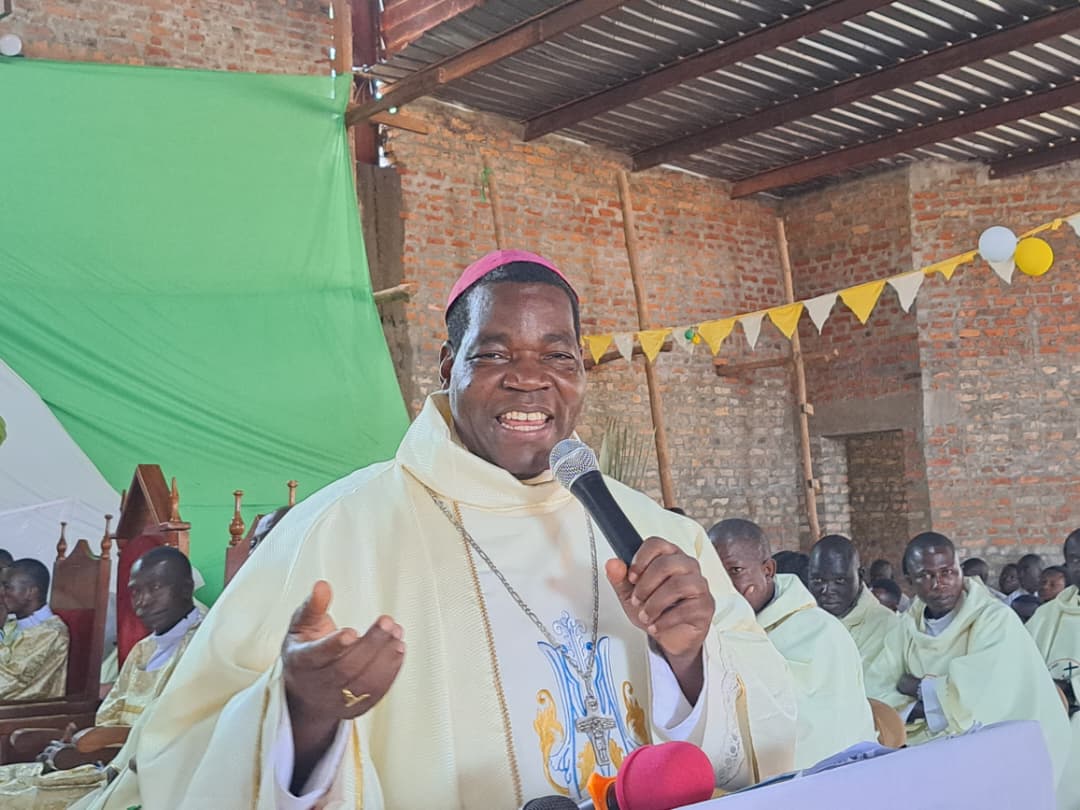
The VSLA formation is part of CODEP’s broader commitment to empowering communities through sustainable agriculture, collective savings, and income-generating activities. The program is inspired by the vision of Bishop Barani Eduardo Hiiboro Kussala, Bishop of the Catholic Diocese of Tombura-Yambio, who has consistently championed community empowerment and agricultural development as pathways to peace and prosperity.
Speaking about the initiative, Bishop Hiiboro emphasized that the people of Western Equatoria are blessed with fertile land and abundant opportunities but need empowerment with skills, resources, and confidence to produce food, generate income, and live with dignity. He stressed that agriculture is not only a source of food but also a pathway to peace, self-reliance, and sustainable development.
“When farmers succeed, communities prosper, and suffering is reduced,” the Bishop said, reflecting his vision of integral human development that combines spiritual formation with concrete economic empowerment.
Program Details and Benefits
Mr. Gibson Kamilio Bakuyo, CODEP Emergency Coordinator and Project Manager of the Broadly Resilience and Livelihood Program, highlighted the importance of savings groups in building resilient communities. He noted that the formation of these VSLA groups marks an important milestone in efforts to strengthen household resilience and economic empowerment.
Through savings mechanisms, access to small loans, financial literacy training, and business development support, community members will have greater opportunities to improve their livelihoods and invest in productive activities. Bakuyo expressed gratitude to SCIAF Caritas Scotland for their continued partnership in supporting vulnerable communities across Western Equatoria State.
He encouraged all group members to remain committed, transparent, and united, emphasizing that the success of these groups depends on discipline, trust, and collective responsibility. He called on members to use this opportunity to build stronger households, support one another, and create sustainable businesses that will benefit future generations.
Community Response
Community leaders and beneficiaries expressed optimism that the VSLA groups would improve access to financial services, strengthen household incomes, and enhance food security in their communities. The enthusiasm from participants suggests strong commitment to making the groups successful and fulfilling their potential as vehicles for economic empowerment.
How VSLA Groups Work
Village Savings and Loan Associations are community-based financial organizations where members contribute regular savings, which are pooled and made available as loans to members at reasonable interest rates. The model has proven effective in rural areas where access to formal banking services is limited. VSLA groups typically consist of 20-30 members who meet regularly, save together, lend to one another, and gradually build capital for investments in productive activities like agriculture, small business, or household improvements.
Beyond the financial dimension, VSLA groups create social cohesion and mutual accountability within communities. Members learn financial literacy, business skills, and entrepreneurship through group meetings and training sessions. The transparency required in managing group finances builds trust and reduces corruption.
Partnership Between CODEP and SCIAF
The partnership between CODEP and the Scottish Catholic International Aid Fund demonstrates commitment to supporting locally driven development initiatives. SCIAF, the official development charity of the Catholic Church in Scotland, has a long history of partnership with Catholic dioceses in Africa and other developing regions, providing both financial resources and technical expertise to support community development.
Through the Broadly Resilience and Livelihood Program, CODEP and SCIAF continue to invest in community-driven solutions that promote economic empowerment, social cohesion, and sustainable development. The initiative is expected to contribute significantly to reducing poverty, enhancing resilience, and advancing the vision of prosperous and self-reliant communities across Western Equatoria State.
Significance for Western Equatoria
The launch of eight VSLA groups across multiple counties represents a substantial expansion of financial inclusion in rural Western Equatoria State. For farming communities that have limited access to formal banking services and often face seasonal cash flow challenges, VSLA groups provide a practical solution for saving, borrowing, and investing in productive activities.
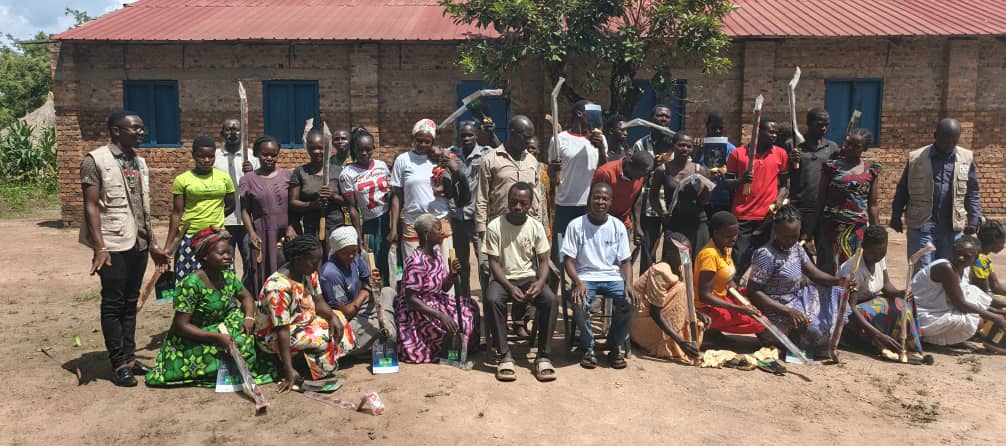
The focus on including 70 women among the 120 beneficiaries reflects recognition that women’s economic empowerment has significant multiplier effects for families and communities. When women earn income and control household finances, research shows they invest more in children’s education and health, strengthening long-term community development.
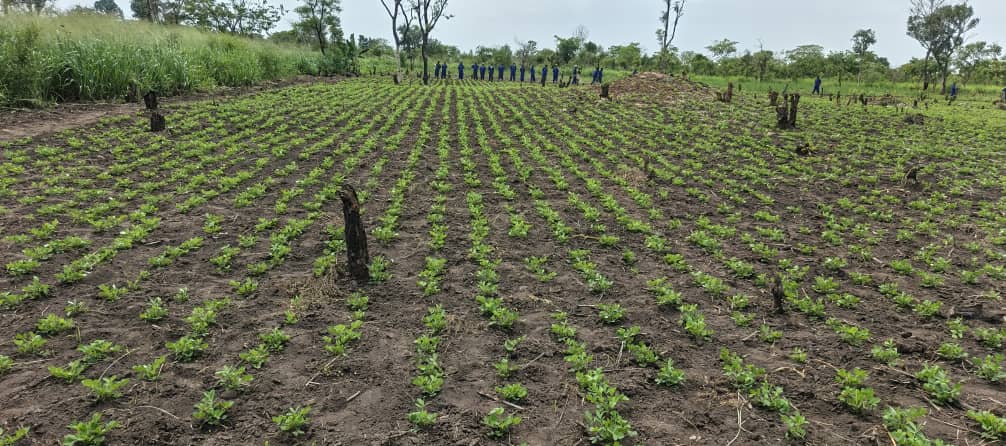
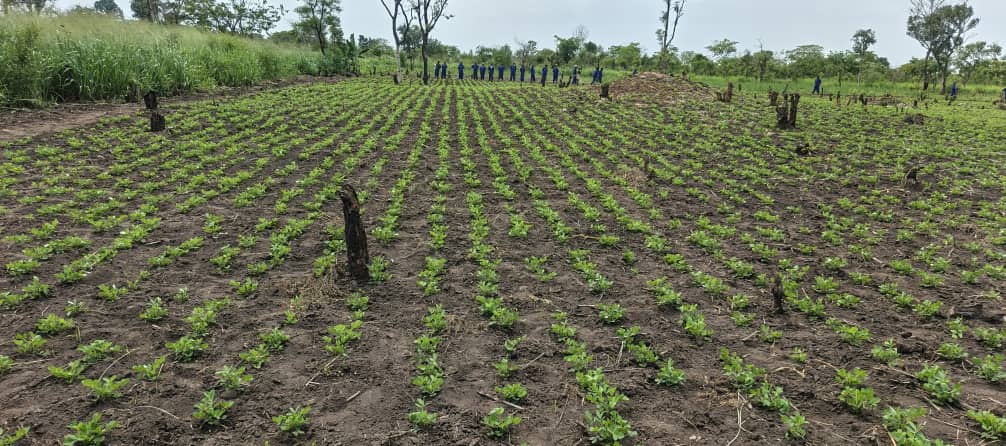
The program’s emphasis on sustainable agriculture and livelihood diversification aligns with Bishop Hiiboro’s vision that the Catholic Diocese of Tombura-Yambio become food sufficient. By enabling farming households to access capital for agricultural inputs, improved seeds, and farming tools, the VSLA groups can directly support increased agricultural productivity and household food security.
Building on Success
CODEP’s track record of implementing successful development programs across Western Equatoria State, with support from partners like SCIAF, CAFOD/Trocaire, Manos Unidas, Norwegian Church Aid, and others, demonstrates that community-driven approaches to development can achieve significant results even in challenging contexts.
The establishment of these eight VSLA groups builds on previous successes in agricultural training, cash voucher distribution, tool distribution, and other livelihood support initiatives that CODEP has implemented. As these groups mature and members demonstrate successful savings and loan repayment, they can serve as models that inspire formation of additional VSLA groups in other communities.
As the Catholic Diocese of Tombura-Yambio continues its mission of integral human development under Bishop Hiiboro’s leadership, initiatives like the VSLA program represent concrete expression of the Church’s commitment to standing with the poor and marginalized, empowering them to participate actively in improving their own lives and contributing to the development of their communities and nation.