By Emmanuel Mandella
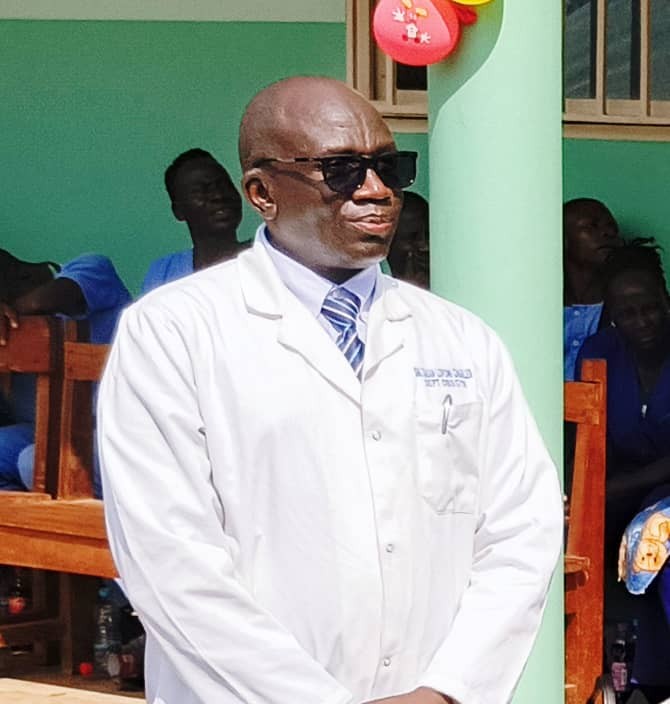
Dr. Taban Charles, a dedicated medical practitioner, at St. Teresa Hospital Nzara, in sharing both the miracles and the challenges that define South Sudan’s fragile health sector called for urgent action, community resilience, and a renewed national focus on healthcare.
“Many children have miraculously made it out of this structure, even in the state it is today. Many women who would have died from pregnancy complications were saved here. Preventing a woman from dying during childbirth is not just a health issue it is a reflection of a functioning state.”
According to UNICEF, only 40% of deliveries in South Sudan are assisted by a skilled birth attendant, and over 60% of health facilities are either damaged or abandoned due to years of conflict, underfunding, and neglect.
With a midwife-to-population ratio of 1:39,088 and just one physician for every 65,000 people, the doctor said the nation must urgently invest in health education and encourage the youth to pursue careers in medicine, midwifery, and nursing.
Dr. Taban called for a multipronged strategy to address the most pressing health challenges:
Tackling teenage pregnancy: With 52% of girls married before 18, the risk of maternal and infant deaths remains high.
Fighting malaria: A leading killer, causing nearly 50% of deaths, often preventable with early treatment and mosquito control.
Health infrastructure: Many existing facilities lack essential services like Neonatal Intensive Care Units (NICUs), vital for reducing neonatal mortality.
Literacy and education: With national literacy rates below 50%, especially among girls, education is both a preventive health tool and a pathway to better healthcare delivery.
While quoting civil rights leader Malcolm X, Dr. Taban emphasized, that, “The future belongs to those who prepare for it today.”
Acknowledging donors and partners for their support, the doctor warned against vandalism and misuse of medical resources, labeling such acts as “an attack on state progress.”
“This structure is more than a building,” he said. “It’s a beacon of hope, a symbol of our shared responsibility. Let us work together to ensure this hospital continues to be a source of healing, hope, and well-being for generations to come.”
South Sudan’s health indicators remain among the lowest in the world, but testimonies like Dr. Taban’s underscore the resilience of local health workers and the profound impact that even modest facilities can have on communities.