


By Waure Eddy
Over 9,506 households and 57,036 Individuals displaced by conflict in Tombura County have settled across all six payams of Ezo County, according to Mr. Siani Martin, the Relief and Rehabilitation Commission (RRC) Coordinator for Ezo.
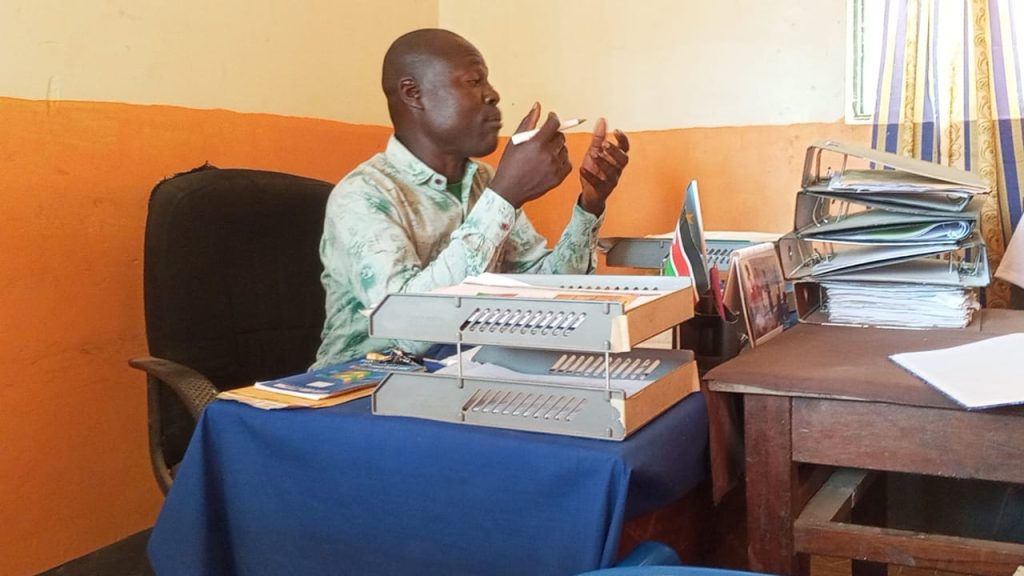
Speaking to The Dawn Newspaper on Tuesday, Mr. Siani confirmed that internally displaced persons (IDPs) fleeing violence in Tombura and Source-Yubu are now residing in settlements across Bariguna, Bagidi, Ezo Central, and the four designated IDP sites: Nakofo, Redina, Nambia, and Manzinzi.
Humanitarian organizations including the Norwegian Refugee Council (NRC), Danish Refugee Council (DRC), and MAR from Juba have conducted assessments in several payams. However, further support hinges on approval from their Juba-based offices has the assessment has been done.
“NRC has shown interest in supporting 3,900 households in Bagidi and Ezo Central Payam,” Mr. Siani stated. “They plan to begin registration once they receive clearance from Juba.”
The IDPs face acute shortages of shelter, food, clean water, non-food items, and medical care. Women, children, and the elderly are the most affected, with hundreds of children currently out of school.
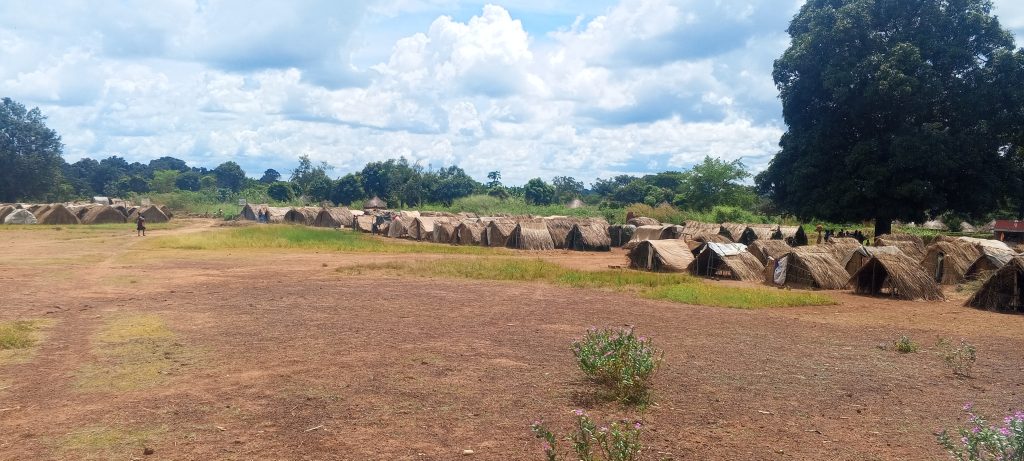
Mary Nduyo a mother of five in Redina settlement: “We escaped with nothing. My children have not seen a classroom in over a year. We need food, but also education. Without it, they have no future.”
Peter Ariyo, a farmer from Source-Yubu now in Nakofo: “We are sleeping under trees. The rains are coming. We need shelter and tools to start farming again. Our children are idle and vulnerable.”
Agnes Ngbanga, a widow in Manzinzi: “I lost my husband in the conflict. Now I struggle to feed my children. There is no clinic nearby, and my youngest is sick. We need medicine and peace.”
James Tumbura, a youth leader in Nambia: “We are grateful for safety here, but we need more. Education is a right. Many young people are losing hope. We ask the government and NGOs to act fast.”
Insecurity remains a major challenge across Western Equatoria State. Authorities continue efforts to restore sustainable peace, which remains essential for long-term recovery and reintegration of displaced communities.


