A Transformational Hub for Youth, Peace, Sport and Community Development
By Sr. laurencila Akinyi, FSSA
YAMBIO, WESTERN EQUATORIA STATE — In a historic and visionary move, the Catholic Diocese of Tombura–Yambio has officially established and named a new multipurpose sports and community facility — the Bishop Gasi Abangite Memorial Stadium (BGAMS) — intended to become a cornerstone for youth formation, sports excellence, peacebuilding and community engagement across the region.

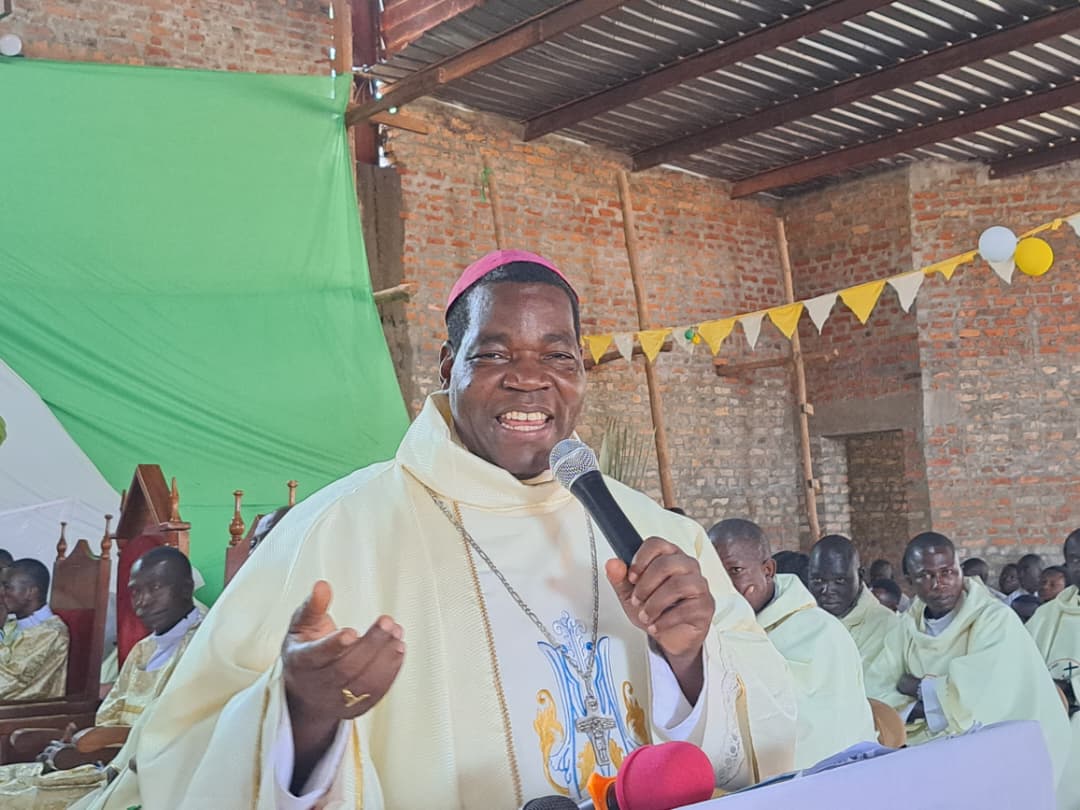
The decree, numbered N.021/025/CDTY and signed by Most Rev. Barani Eduardo Hiiboro Kussala, Bishop of Tombura–Yambio, was promulgated on 16 December 2025. It marks a major milestone in the Diocese’s efforts to harness the unifying power of sport and cultural activity to foster holistic development rooted in faith and Christian values.
A New Heart for the Community
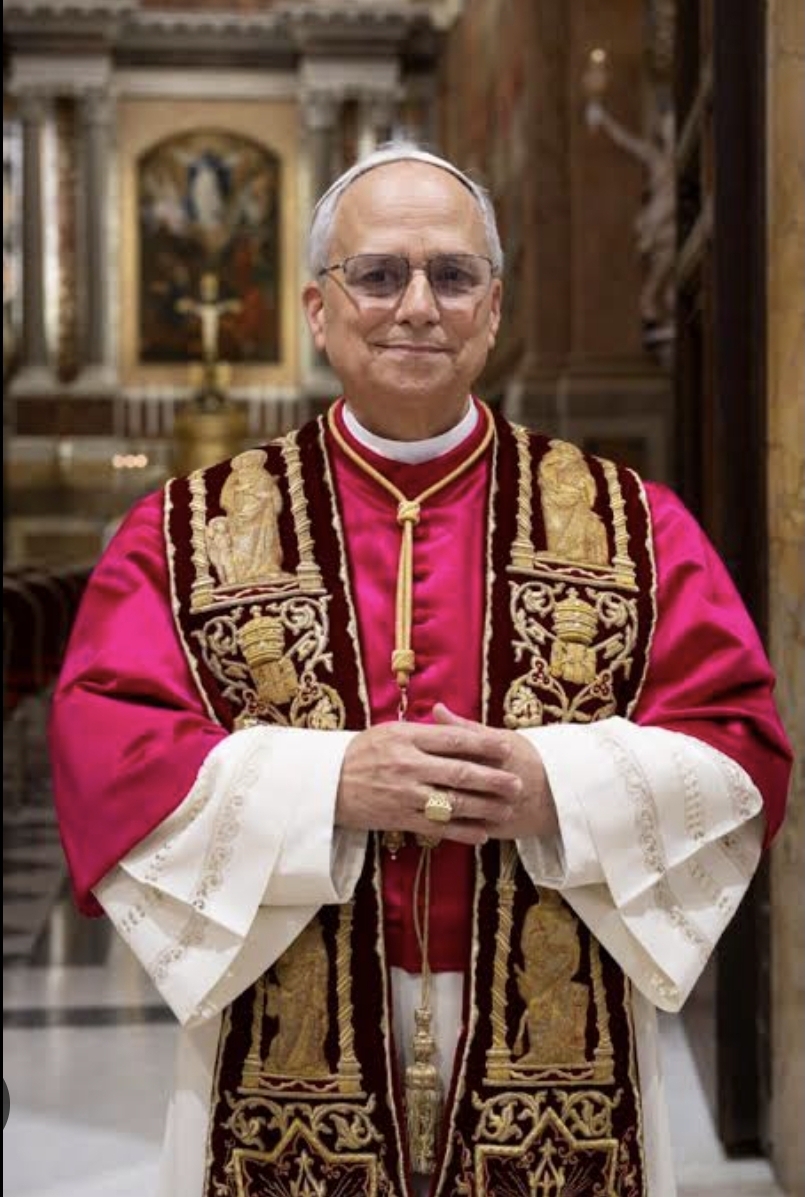
The former St. Mary Playground, a familiar local ground in the heart of the Diocese, has been elevated to a fully-fledged diocesan facility bearing the name of Bishop Joseph Abangite Gasi, who led the Diocese for over three decades and is remembered as a beacon of faith, service and peace.
From its official designation, the Bishop Gasi Abangite Memorial Stadium will serve as a Diocesan Multipurpose Stadium, supporting a broad range of pastoral, educational, cultural and athletic activities intended to nurture physical skills and moral strength.
In the decree’s opening article, the Diocese declares:
“The Stadium shall be a Diocesan Multipurpose Stadium, serving pastoral, educational, social, cultural, and sporting purposes.”

Sport and Formation in the Service of Peace
Designed to be much more than a place for competitive games, BGAMS will host a variety of sporting disciplines, including football (soccer), athletics (track and field), volleyball, basketball, tennis, cricket, rugby, long jump and other field events — alongside jogging and cycling tracks.
The facility is expected to accommodate school and diocesan sports competitions, cultural festivals and youth rallies, as well as educational exhibitions that align with Church teaching. Programs will emphasize leadership, teamwork, discipline and moral education — principles that contribute to building resilient and responsible citizens.
The Diocese’s focus on sport as a tool for peace and healing echoes ongoing initiatives across South Sudan where sport has been leveraged to address trauma and foster unity among youth affected by conflict. Catholic-led efforts in the region — such as football and volleyball tournaments — have shown how inclusive sporting activity can bring diverse groups together, promote reconciliation and encourage psychosocial well-being.

Promoting Inclusivity and Community Values
BGAMS’ mission also reflects the Diocese’s commitment to social inclusion. The stadium’s design and programs will prioritize:
- Peace and reconciliation through inter-community sports encounters;
- Trauma healing and psychosocial support, especially for youth impacted by prolonged conflict;
- Gender inclusion and protection, ensuring safe participation for girls and women;
- Inclusion of persons with disabilities, supported by accessible infrastructure and adaptive programs;
- Talent nurturing, forging pathways that link schools, parishes and opportunities at regional or national levels.
This aligns with wider efforts in the Diocese to use sports and community events as tools for social cohesion, complementing pastoral and peacebuilding work such as bicycle riding events in Yambio aimed at fostering unity among citizens from diverse backgrounds.
Geographical and Institutional Significance
The land on which the Bishop Gasi Abangite Memorial Stadium is situated is locally known as ‘ATTARÍ,’ a name coined by Bishop Hiiboro himself symbolizing knowledge and access to information — akin to the modern concept of “Google.”

Occupying a central and accessible location, the stadium sits within a dynamic academic and social hub that includes:
- Bishop Abangite College of Science and Technology,
- Sustainable Rural Agriculture Training Center,
- St. Augustine Primary and Nursery School,
- Solidarity Teachers Training College,
- St. Augustine Catholic Parish, Naagorí.
These neighboring institutions together create a vibrant ecosystem of education, formation, and community engagement that positions the stadium as a platform for lifelong learning, collaboration and civic participation.
The stadium’s placement at the center of this nexus reinforces the Diocese’s vision of integrating sport with broader educational and social development goals.
Owned and Guided by the Church
The decree affirms:
“The Stadium is and remains the property of the Catholic Diocese of Tombura–Yambio. It shall retain a Catholic identity, and all activities conducted therein must respect Christian morals, diocesan norms, and public order.”
The Diocese’s pastoral leadership — guided by Bishop Barani Eduardo Hiiboro Kussala, who has served as Bishop since 2008 — will oversee the stadium’s operation in collaboration with diocesan departments, especially those focused on Youth, Education, Social Development and Peace & Justice.
Leadership and Future Management
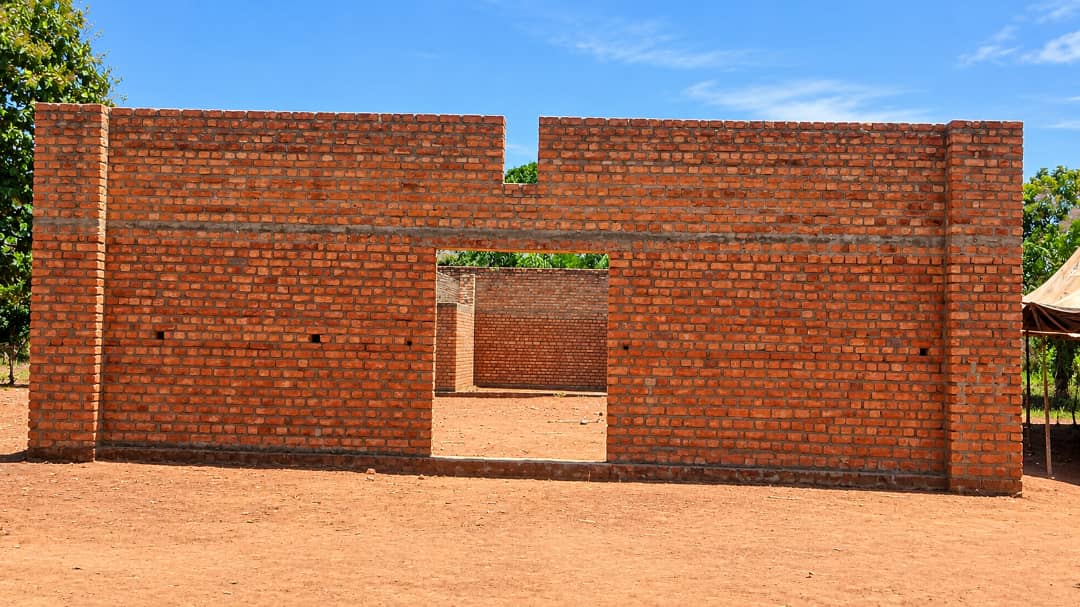
To ensure the success of this ambitious vision, Sr. Elizabeth Blo’k — described in the decree as “a Religious of proven competence, dedication, and integrity” — has been appointed as the Administrator of BGAMS. Reporting directly to the Diocesan Bishop or his delegate, Sister Elizabeth will lead planning, design, construction, management and program development.
Her responsibilities extend across four key domains:
- Planning and Construction — coordinating design and phased construction in line with diocesan vision and safety standards;
- Management and Administration — developing operational policies, usage guidelines, staffing and maintenance plans;
- Program Development — initiating sports academies, youth leagues, and holistic programs integrating sport, faith and peacebuilding;
- Resource Mobilization — supporting fundraising, sponsorships and partnerships that align with Church values.
The appointment underscores the Diocese’s commitment to transparent and professional stewardship of community resources while ensuring BGAMS becomes sustainable and impactful.
Honouring a Legacy, Inspiring a Future
Named in memory of Bishop Joseph Abangite Gasi, the new stadium stands not just as a physical structure but as a living memorial to his deep legacy of service, justice, peace and unwavering commitment to the people of Western Equatoria. Bishop Gasi served as Bishop from 1974 until his retirement in 2008 and is widely remembered for his pastoral leadership during difficult times in South Sudan’s history.
In its pastoral and social significance, the decree states that BGAMS will:
- Honour Bishop Gasi’s legacy of service and discipline;
- Serve as a sign of hope for communities emerging from years of conflict;
- Act as a bridge between faith and daily life, where evangelization meets human development.
Entry into Force and Community Involvement
The decree takes effect immediately upon promulgation, and the Diocese has called on all Catholic offices, parishes, institutions and the faithful to support, respect and promote the stadium initiative.
As the Catholic Diocese of Tombura–Yambio continues to champion peace, education, and community development — serving over one million Catholics in a region still healing from decades of turmoil — the establishment of the Bishop Gasi Abangite Memorial Stadium represents a bold and hopeful step toward uniting young people, fostering talent, and widening opportunities for growth, unity and reconciliation.