By Waure Eddy.
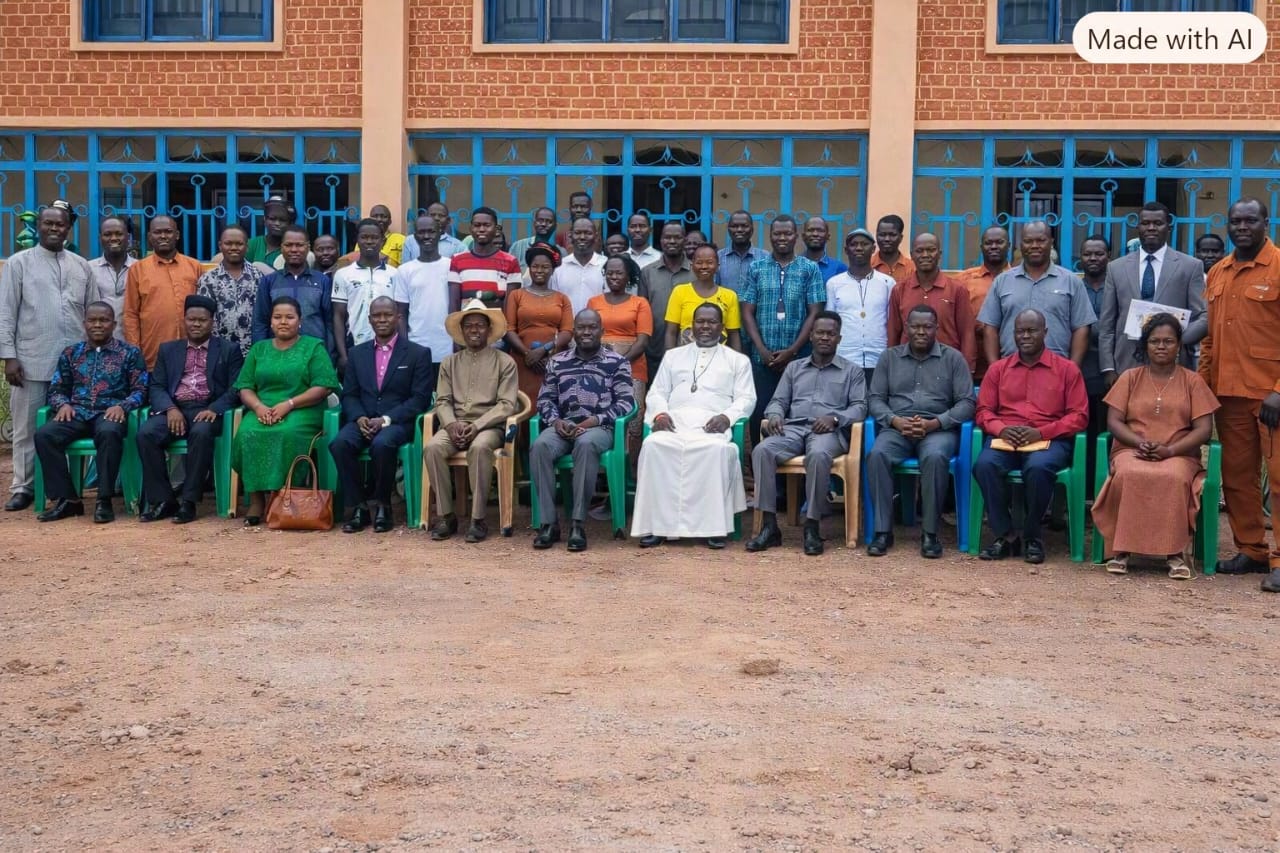
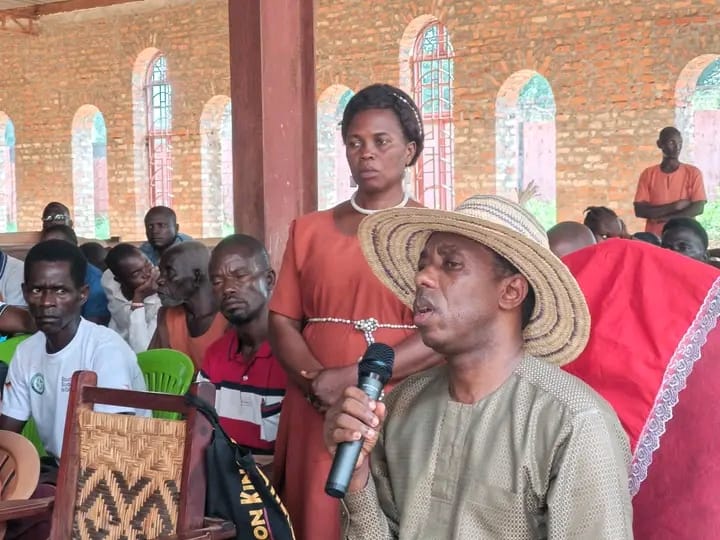
Religious, political, and traditional leaders have joined hands in a historic collaboration to promote responsible funeral practices, dignified mourning, and community welfare across Western Equatoria State, demonstrating that coordinated leadership can strengthen social harmony and preserve cultural values.

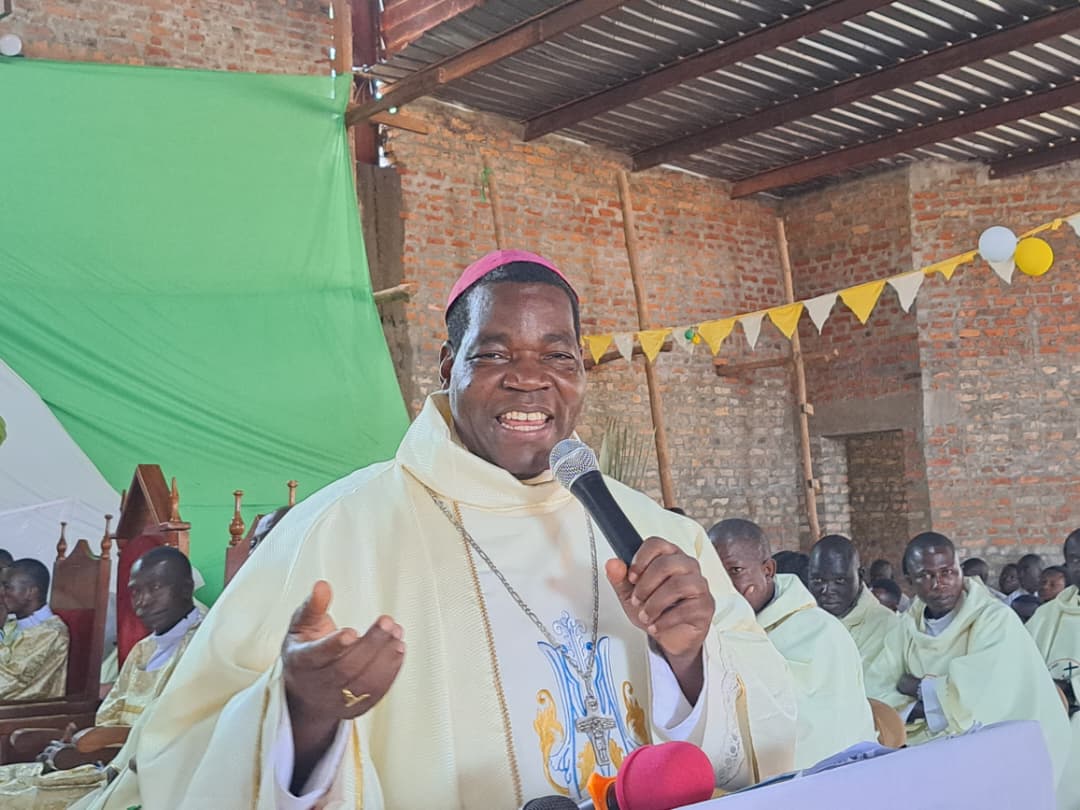
The distinguished gathering brought together Bishop Barani Eduardo Hiiboro Kussala of the Catholic Diocese of Tombura-Yambio, Archbishop Samuel Inosa Peni of the Episcopal Church of South Sudan, Bishop Peter Anibati of the Lutheran Church, His Excellency Daniel Badagbu Rimbasa, Governor of Western Equatoria State, and His Majesty King Atoroba Peni, King of the Azande Kingdom.
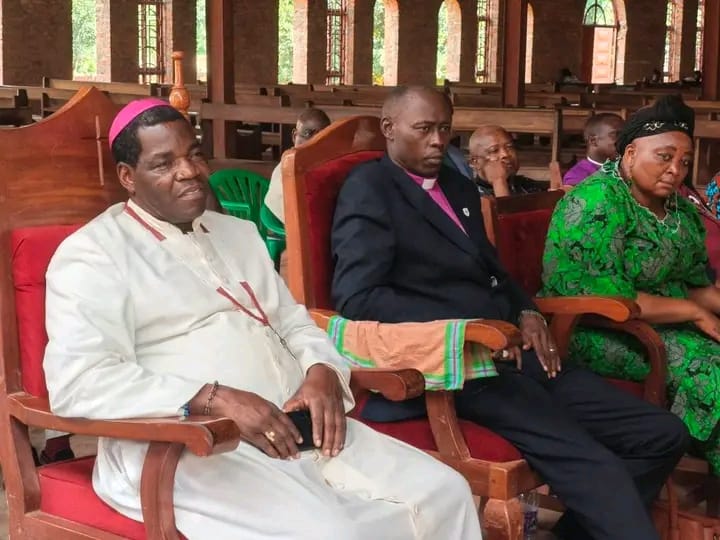
Their united presence reflected a shared commitment to strengthening social harmony, respecting human dignity, and promoting responsible community life, particularly during times of bereavement when families and communities are most vulnerable.
Agreement on Funeral Practices
The stakeholders reached consensus on key principles guiding funeral conduct and mourning practices. The leaders agreed to discourage DJs, loud sound systems, dancing, and other entertainment activities during funerals, especially before burial of the deceased—practices that have increasingly characterized some ceremonies in the region.

The agreement reflects recognition that modern technology and globalization have altered traditional funeral practices in ways that may compromise the dignity of mourning and the respect due to deceased persons.
Preserving Cultural Values and Dignity
Governor Daniel Badagbu Rimbasa emphasized that the initiative aims to protect cultural values and restore dignity to mourning ceremonies. He acknowledged that globalization and modern technology have transformed funeral practices, with some ceremonies now featuring loud music and dancing while the body remains present.
“We must accord a very respectful, befitting burial to our people who have passed on to another world,” the Governor stated, articulating the shared conviction that funeral practices should reflect proper respect for the deceased and grieving families.
Traditional Leadership and Customary Law
His Majesty Atoroba Peni Rikito Gbudue, King of the Azande Kingdom, highlighted the importance of reviewing and ratifying the Kingdom’s customary law to restore traditional Zande culture and dignity in mourning ceremonies.
The King explained that customary rules will guide communities on how to conduct mourning and honor deceased relatives in accordance with Zande traditions. He committed to sensitizing citizens about the regulations, ensuring that cultural values are understood and respected across the kingdom.

“These regulations are not foreign impositions but reflections of our ancestors’ wisdom about how to honor those who have gone before us,” the King indicated, connecting customary law to deep cultural heritage.
Religious Leadership Support
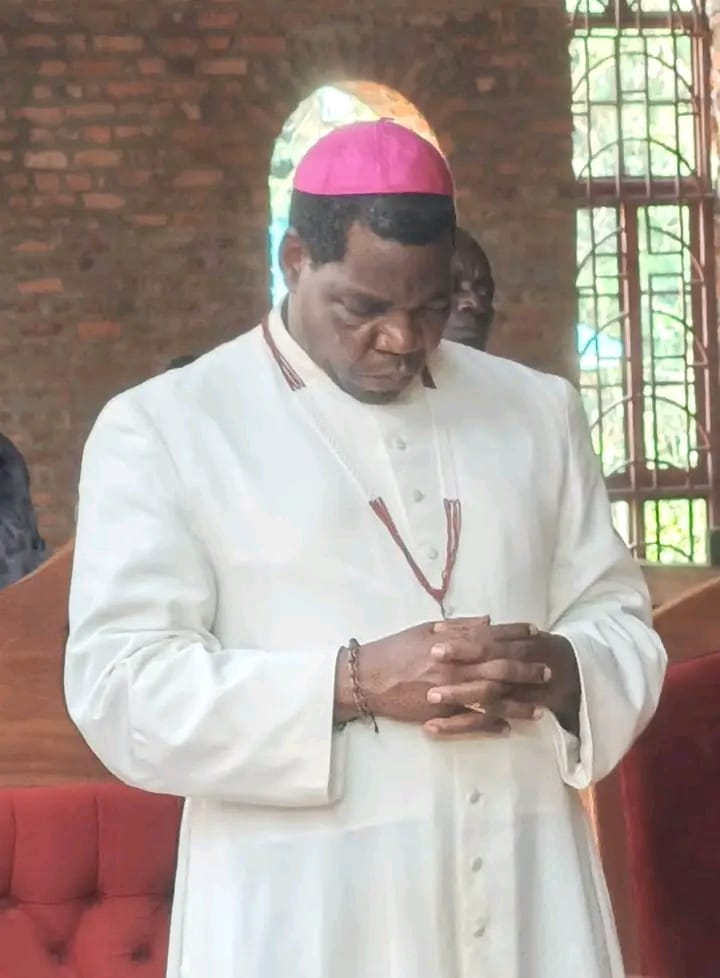
Bishop Hiiboro thanked the initiative agreed upon by all peace actors in the state and called for frequent follow-up to ensure that the agreements achieve their intended purpose of promoting peace and dignity.
“When we work together—faith leaders, government officials, and traditional authorities—we send a powerful message that community welfare is our shared responsibility,” Bishop Hiiboro said, affirming that religious institutions have important role in supporting culturally appropriate and dignified funeral practices.

The participation of multiple religious leaders—Catholic, Anglican, and Lutheran—demonstrated ecumenical commitment to common values of human dignity and community welfare that transcend denominational differences.
Multi-Sector Collaboration
The historic collaboration demonstrates practical value of coordinated action among different sectors of community leadership. Rather than working in isolation, religious institutions, government authority, and traditional structures joined together to address a social challenge affecting all communities.
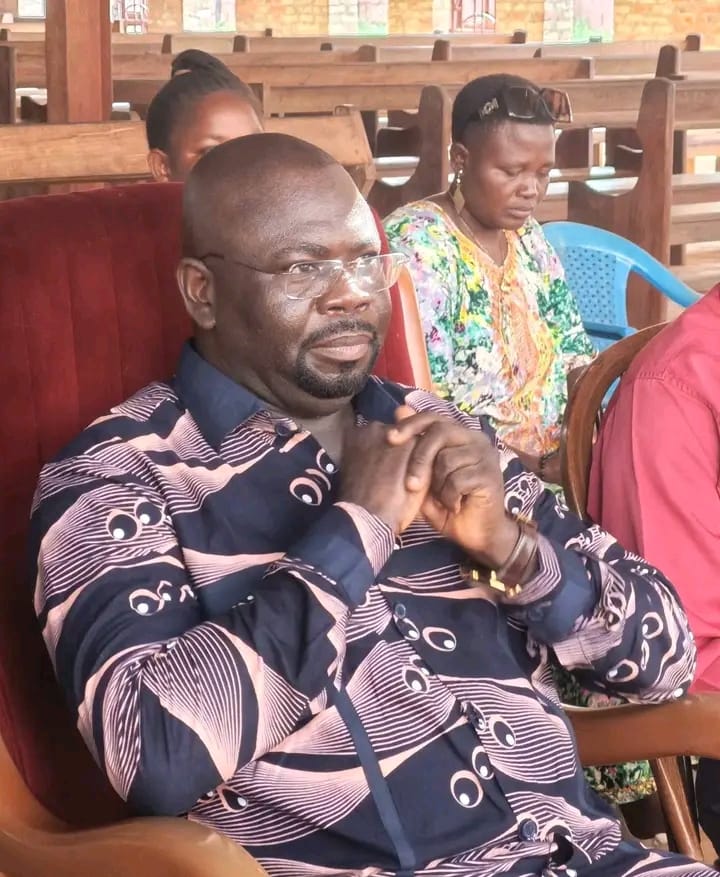
Such multi-sector collaboration models how diverse leadership can work together effectively to promote community welfare, preserve cultural values, and strengthen social cohesion—particularly important in post-conflict contexts where coordination among different institutions remains essential for stability and development.
Significance for Western Equatoria
The initiative addresses a real social challenge in Western Equatoria State, where rapid social change and modernization have sometimes eroded traditional values around mourning and respect for the deceased. By creating space for dialogue among religious, political, and traditional leaders, the initiative enables communities to preserve valued cultural practices while adapting to contemporary realities.
The focus on dignified funeral practices may seem narrow, but funerals are significant social events with deep cultural and spiritual meaning. How communities conduct funerals reflects and reinforces broader values around respect, dignity, and community solidarity. By ensuring that funerals are conducted with proper respect and cultural integrity, communities strengthen social bonds and affirm shared values.
Community Sensitization and Implementation
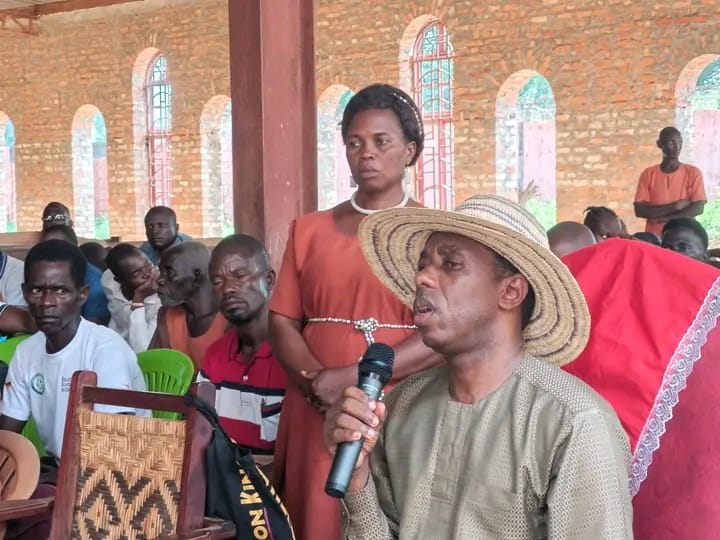
The leaders committed to sensitizing communities about the agreed-upon regulations, recognizing that successful implementation depends on broad understanding and acceptance among the people. The Kingdom, churches, and government will work together to ensure that the message reaches communities across Western Equatoria State.
Traditional leaders will explain the customary rules through community meetings and public discussions, while religious institutions will address the spiritual dimensions of dignified mourning in their pastoral work.
Looking Forward
The initiative represents important step forward in strengthening community welfare and social cohesion in Western Equatoria State. As the Diocese of Tombura-Yambio, the Episcopal Church, the Lutheran Church, the Governor’s office, and the Azande Kingdom work together to implement these agreements, communities will benefit from coordinated leadership supporting dignified mourning practices and cultural preservation.
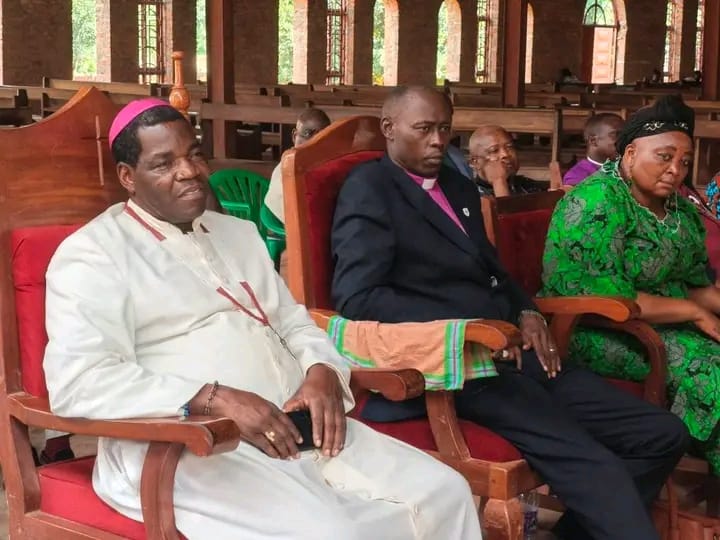
The historic collaboration demonstrates that when faith, government, and traditional leadership work together with shared commitment to dignity, peace, and community welfare, transformative change becomes possible. The success of this initiative may inspire similar multi-sector collaborations addressing other social challenges facing Western Equatoria State and the broader nation.