By Sr. Laurencila FSSA.
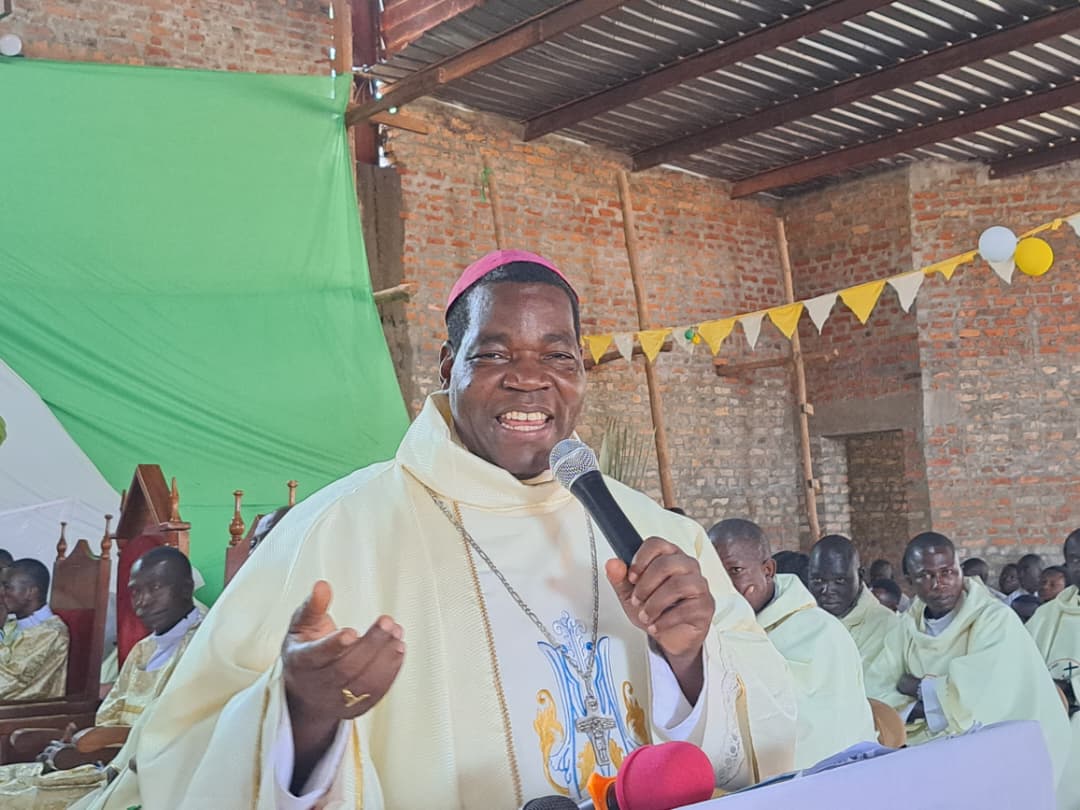
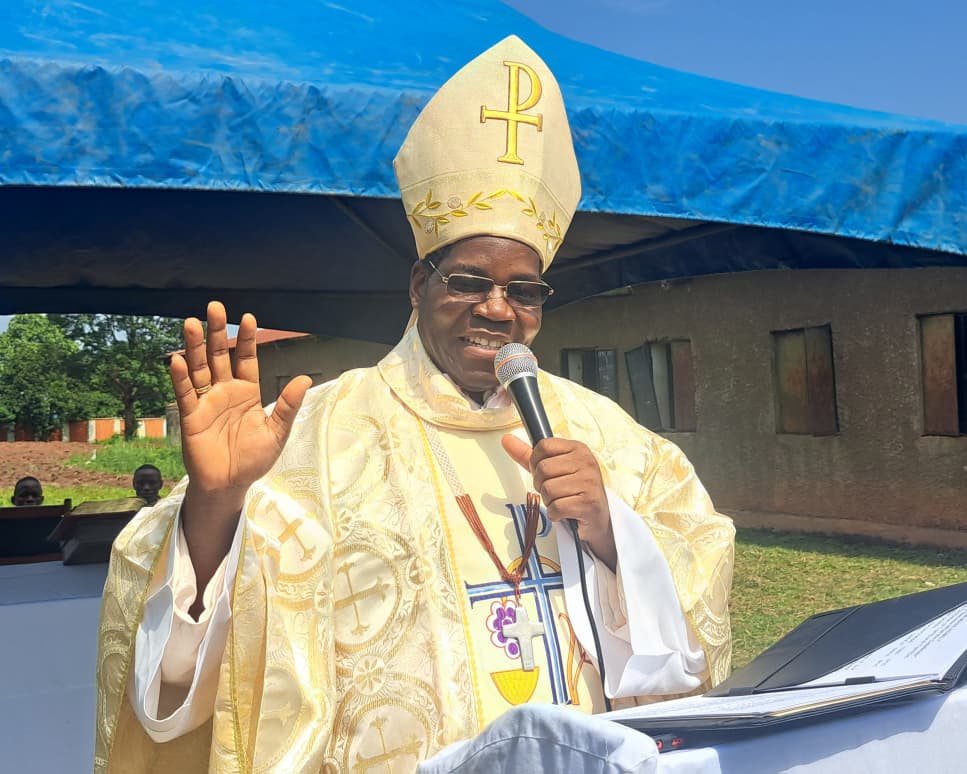
The Most Reverend Barani Eduardo Hiiboro Kussala, Bishop of the Catholic Diocese of Tombura-Yambio, has accepted appointment as Member of the University Council of the Catholic University of Eastern Africa (CUEA), framing the responsibility as a vocation to serve God, the Church, and humanity rather than as an honor to be celebrated.
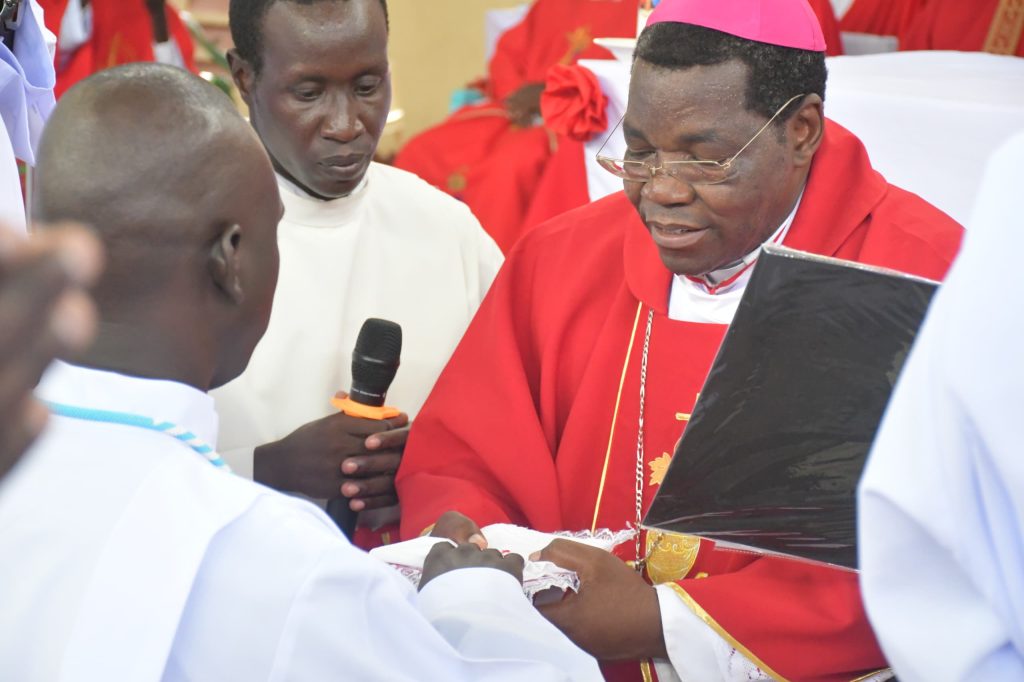
In a reflection released on July 26, 2026, Bishop Hiiboro articulated his philosophy of education as foundational to human dignity, peace, and sustainable development, emphasizing that education has become central to his identity and mission.
Education as Divine Vocation
Bishop Hiiboro approached his new responsibility with profound humility, acknowledging that whatever good has emerged from his life reflects God’s grace working through countless people placed along his path rather than personal achievement alone.
“I am not God. I need God. Whatever good has come from my life has never been my achievement alone. It has always been the work of God’s grace,” he stated, emphasizing dependence on divine providence.
The Bishop traced his educational journey from humble beginnings when his parish catechist first entrusted him with teaching other children, describing education as a God-given vocation that grew through the encouragement of dedicated teachers, generous mentors, and wise professors.
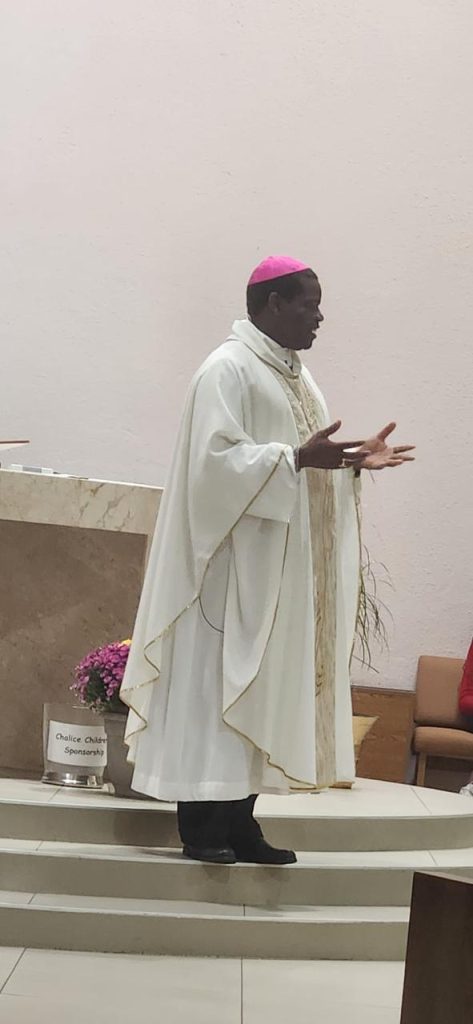
“They believed in me before I believed in myself. They taught me that education is not merely about acquiring knowledge; it is about discovering one’s God-given mission,” he reflected.
Education as Transformative Force
Throughout decades of teaching in schools, seminaries, and universities, Bishop Hiiboro has become convinced that education represents one of God’s greatest gifts to humanity.
“Education forms the mind, shapes the heart, strengthens character, and prepares women and men to serve the common good. Education does not simply produce professionals; it forms leaders, builders of peace, and servants of hope,” he declared.
This understanding positions education not as purely instrumental for economic advancement but as fundamentally transformative for human development and spiritual growth.
Commitment to CUEA Mission
As he assumes his role on the Catholic University of Eastern Africa’s Council, Bishop Hiiboro renewed commitment to promoting academic excellence, ethical leadership, research, innovation, and integral formation of young people.

“My dream remains to see education become a force for human dignity, justice, peace, and sustainable development, especially for the people of South Sudan and Africa,” he stated, connecting his new responsibility to broader continental development challenges.
Appeal to Educators and Parents
Bishop Hiiboro extended a heartfelt appeal to parents, teachers, catechists, mentors, and leaders to never stop believing in children’s potential.
“One word of encouragement, one act of kindness, or one opportunity to learn can change the course of a lifetime,” he emphasized, recognizing that education’s transformative power depends on educators’ belief in their students.
Education as DNA and Identity
The Bishop concluded his reflection with a powerful statement reframing education as integral to his identity and mission:
“Education is not simply my profession. Education is my vocation. Education is my ministry. Education is my service to humanity. Education has become my DNA.”
This declaration positions education not as a career path but as fundamental to who Bishop Hiiboro is and how he understands his calling to serve the Church and humanity.
Significance for CUEA and East African Higher Education
Bishop Hiiboro’s appointment to the Catholic University of Eastern Africa’s Council represents recognition of his educational leadership and commitment to Catholic higher education in East Africa. CUEA, established to provide quality Catholic education in Eastern Africa, benefits from Bishop Hiiboro’s extensive experience in formation and his vision of education as integral human development.
His emphasis on ethical leadership and integral formation aligns with CUEA’s mission to develop graduates who contribute to society’s spiritual, moral, and material advancement.
Broader Context of Diocesan Education Ministry
In the Catholic Diocese of Tombura-Yambio, Bishop Hiiboro has prioritized education as central to diocesan mission, supporting numerous schools, seminaries, and educational initiatives throughout Western Equatoria State. His appointment to CUEA’s Council reflects and extends this commitment to quality Catholic education across the region.
Vision for African Education
Bishop Hiiboro’s reflection addresses critical challenges facing African education systems: ensuring quality, promoting ethical leadership, and connecting education to sustainable development and peace. His call for education to become “a force for human dignity, justice, peace, and sustainable development” articulates vision relevant to South Sudan and broader continent facing post-conflict reconstruction and development challenges.
Gratitude and Benediction
Bishop Hiiboro concluded his reflection with gratitude to Almighty God and all who have accompanied him on his educational journey, extending blessing: “BA MERE FUORU! May Almighty God bless every teacher, every learner, and every heart that continues to believe that education remains one of His greatest instruments for transforming the world.”
The phrase “BA MERE FUORU,” in the local Pazande language, carries cultural significance and deep meaning, grounding his international educational mission in local cultural context.
Looking Forward
As Bishop Hiiboro begins his service on the Catholic University of Eastern Africa’s Council, his contribution promises to bring not only administrative expertise but also prophetic voice emphasizing education’s transformative potential for building more just, peaceful, and prosperous societies.
His appointment affirms that Catholic higher education in East Africa benefits from leadership grounded in both professional competence and deep spiritual conviction that education serves ultimately not economic gain but human flourishing and service to God’s kingdom.