By Joseph Ernesto
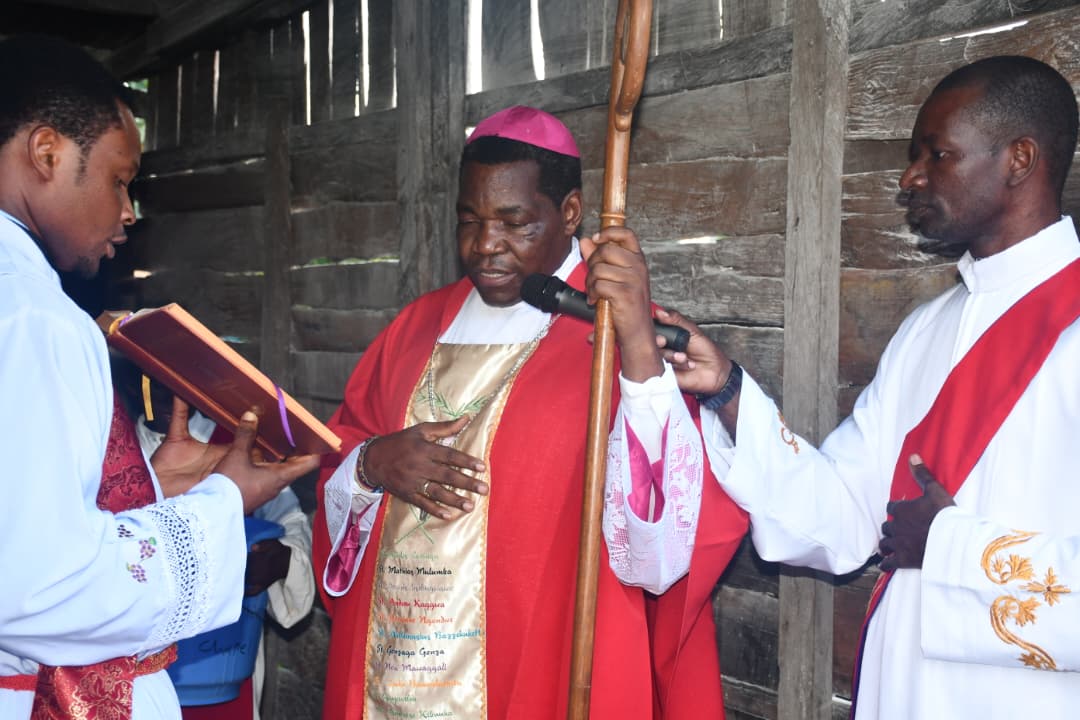
EZO, WESTERN EQUATORIA STATE — In a decisive step to address chronic water scarcity, the Catholic Diocese of Tombura-Yambio (CDTY), under the leadership of Most Rev. Dr. Eduardo Hiiboro Kussala, Bishop and Ordinary of the Diocese, has assessed five strategic locations in the outskirts of Ezo County for a new clean water initiative that aims to benefit approximately 10,000 residents.

The move marks an important phase in the Diocese’s ongoing efforts to provide safe and reliable water access to communities long challenged by water shortages — especially in remote areas where residents have traditionally relied on unsafe streams, unprotected wells, and seasonal water sources. In many parts of Western Equatoria State, access to clean and safe drinking water remains limited, with only about half the national population having improved water sources such as protected wells or hand pumps nearby — particularly during the dry season when water scarcity intensifies.

Assessments and Planned Improvements
According to the project engineer John Juma, field assessments were conducted across several sites identified as critically needing solar-powered water systems and rehabilitated wells. These assessments form the foundation for plans to install new solar-powered water pumps and to rehabilitate existing wells, a combination designed to expand water access capacity and ensure year-round availability for the local population.

Solar water systems have increasingly been used across South Sudan’s rural and urban areas to improve water access, reduce community reliance on distant or unsafe sources, and minimise breakdowns tied to fuel-dependent pumps. Similar initiatives in neighbouring Yambio have already transformed water access for thousands of residents by increasing convenient, clean water availability and reducing the incidence of waterborne diseases.
Responding to a Persistent Challenge
The initiative responds to long-standing hardships faced by the people of Ezo, where the scarcity of safe water has hindered daily life, health, and economic activity. A Catholic Medical Mission Board (CMMB) report underscores this reality, noting that many households around Ezo traditionally rely on water from rivers, streams, or shallow unprotected wells — sources that frequently carry contamination and contribute to widespread waterborne illnesses, especially among children.

In addition, other humanitarian agencies have previously highlighted the urgent need for improved water infrastructure in Ezo County to protect vulnerable populations and enhance hygiene, sanitation, and overall well-being across the region.
Diocesan Leadership and Community Support
The project reflects CDTY’s broader commitment to social development and humanitarian response — a vision linked to its Catholic Organization for Development and Peace (CODEP), which has historically coordinated potable water projects, borehole drilling and rehabilitations in several deaneries, including Ezo, Yambio, Maridi, Mambe and Gangura. In previous years CODEP-facilitated projects funded by partners like the Sudan Relief Fund have delivered multiple boreholes across the Diocese, bringing safe water closer to parishioners and host communities alike and significantly reducing reliance on unsafe water sources.

Speaking on the initiative, community leaders and residents conveyed heartfelt gratitude to the Diocese under Bishop Hiiboro’s pastoral leadership. Many described the intervention as a sign of hope and renewed dignity for families who have struggled for years to meet their water needs, often walking long distances to fetch water or enduring harmful waterborne illnesses.

“We are grateful to the Diocese for this intervention. Clean water is a fundamental human need, and this project brings hope to families who have endured hardship for too long,” one community elder said.
Safety, Sustainability and Community Involvement
Alongside expanding access, community members have also stressed the importance of safety and sustainability in planning water facilities. They recalled with sorrow the tragic loss of a child who drowned in a poorly secured well, underscoring the need for properly constructed, covered and well-maintained facilities to protect lives — especially where children gather daily at water points.

Rev. Fr. Gamboripai William Abass, Priest in Charge of the Ezo Vicariate, warmly welcomed the Diocese’s initiative and expressed sincere gratitude to Bishop Barani Eduardo Hiiboro Kussala for responding decisively to the needs of both Christians and the broader community.
“This project comes at a time when we are urgently seeking improvements for our people. Access to clean water will enhance health, dignity and our daily living,” Fr. Abass remarked.

In light of these concerns, stakeholders and residents also appealed to civil authorities and development partners to support and protect the project as it progresses — ensuring that the planned water systems are not only functional but also safe, resilient and sustainable for future generations.
Looking Ahead
As preparations move forward toward installation and rehabilitation activities, CDTY’s assessment of these five water points in Ezo County paves the way for a transformative improvement in living conditions. For tens of thousands of community members, the promise of reliable, clean water signals not only better health outcomes but also a strengthening of hope — grounded in Catholic teaching that access to clean water is a basic human right and a cornerstone of human dignity.

The Catholic Diocese of Tombura-Yambio continues to partner with local communities, national authorities, and humanitarian actors to ensure that this project meets the urgent needs of the people while fostering long-term capacity, resilience and peace in Western Equatoria State.