By Waure Eddy
Internally displaced persons and host community members in Madebe Payam of Ibba County have received vital agricultural tools and seeds through a six-month project titled Emergency Response and Recovery to IDPs, aimed at strengthening food security and livelihoods as families prepare for the agricultural season.
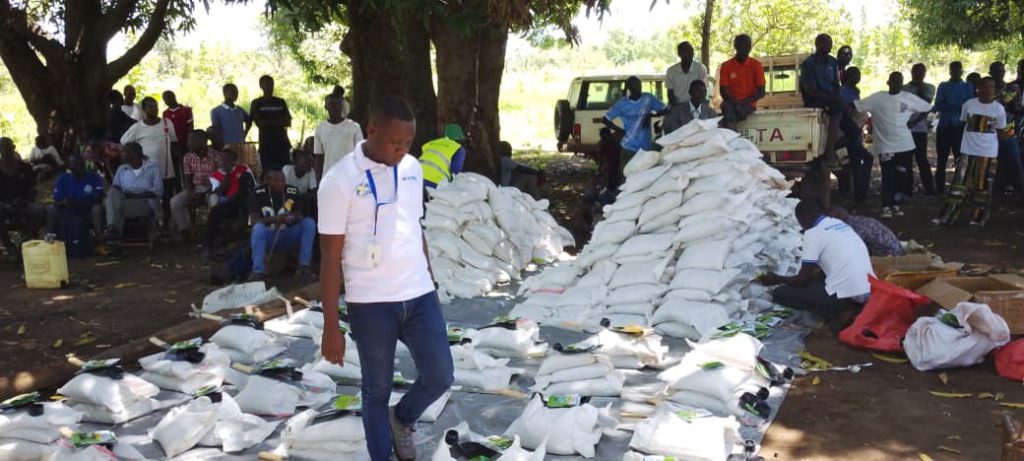
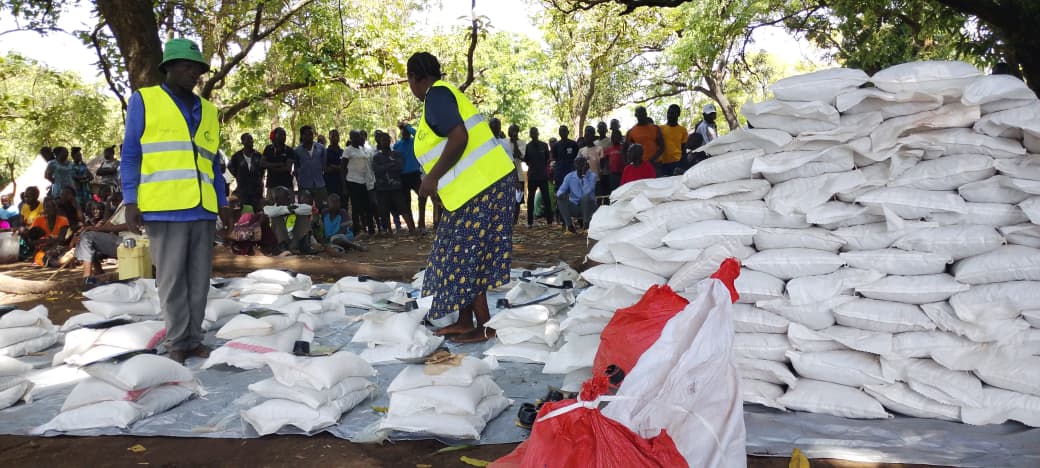
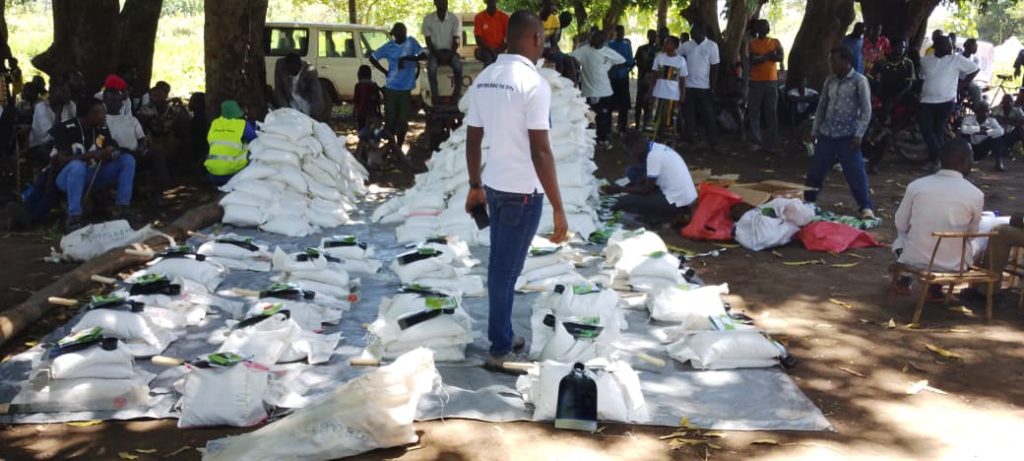
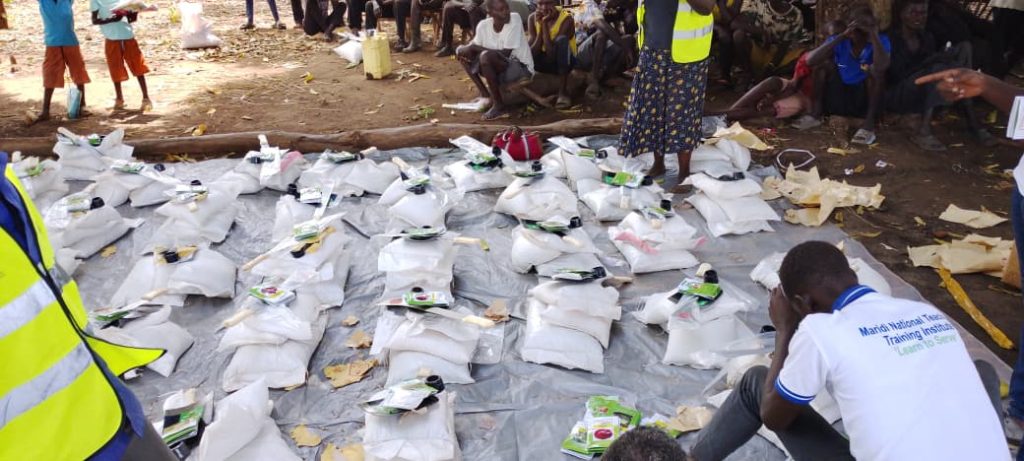
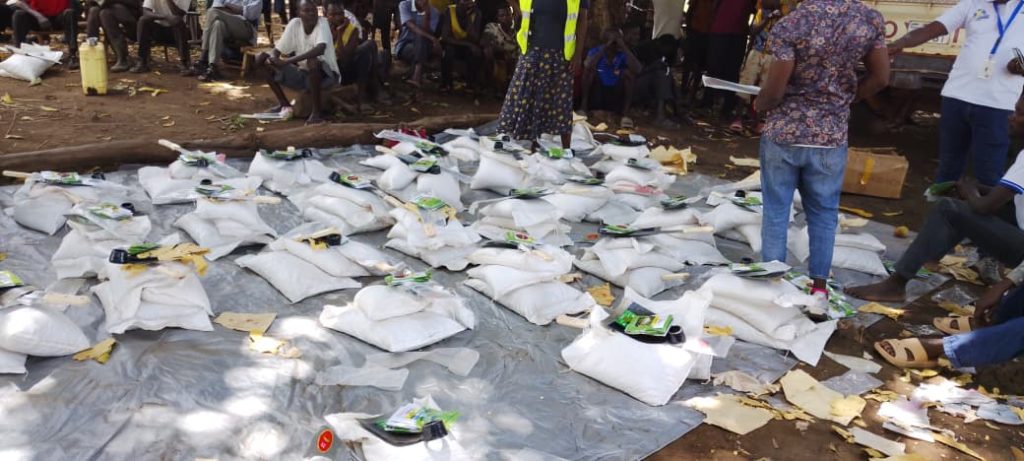
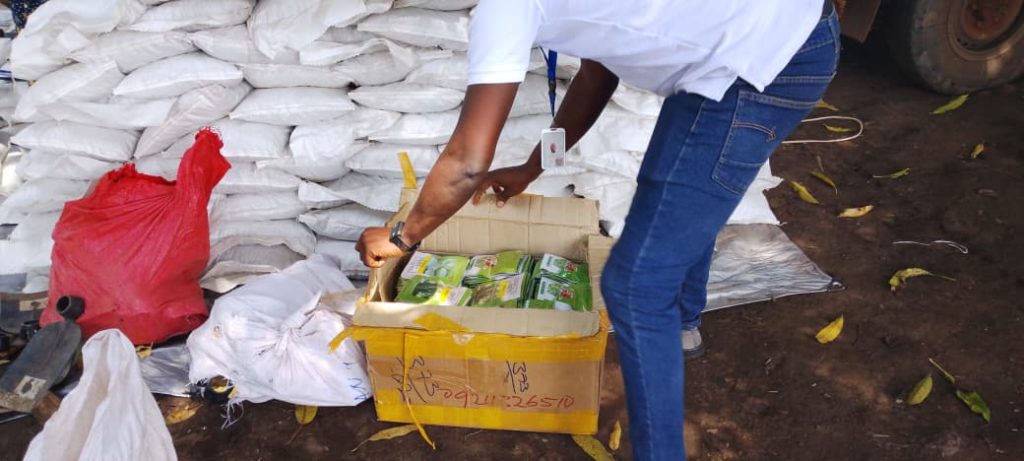
The initiative, funded by CAFOD and Trocaire in partnership and implemented by the Catholic Organization for Development and Peace, distributed essential farming inputs to 200 households. Each household received three kilograms of rice seeds, four kilograms of maize seeds, four kilograms of groundnuts, a machete, a hoe, and ten varieties of vegetable seeds.
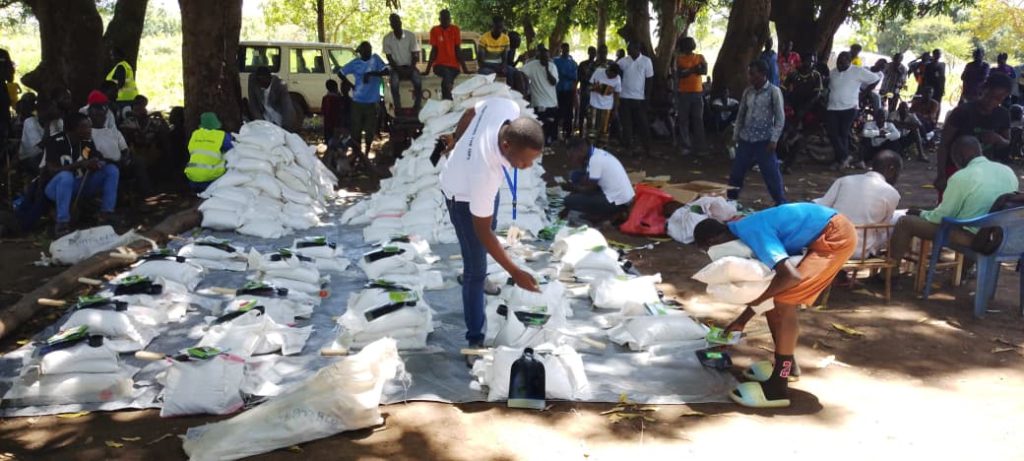
Speaking during the distribution at the IDP camp in Madebe Payam, Project Officer Mr. Gigaragbere Emmanuel emphasized that the project still has a series of activities to be carried out within its six-month timeframe. He encouraged both IDPs and host communities to remain committed, noting that donor support depends on accountability and proper use of resources.
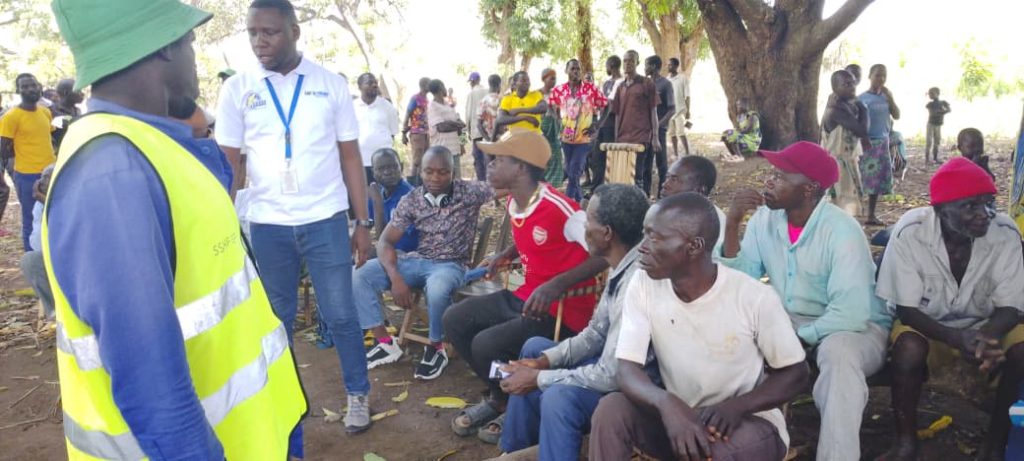
Emmanuel explained that donors’ policies are different and they cannot support everyone at once. He said CODEP follows donor guidelines and assured those who did not receive support in this round that they would be included in future phases of the project.
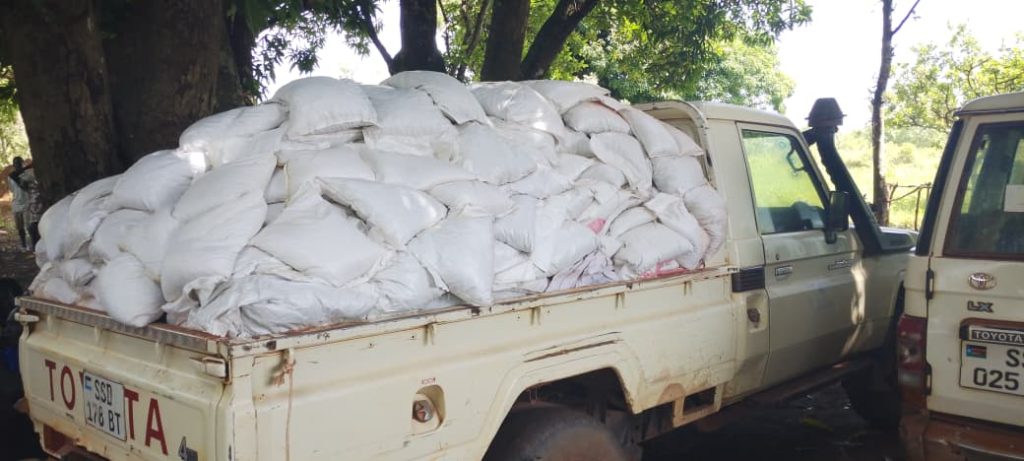
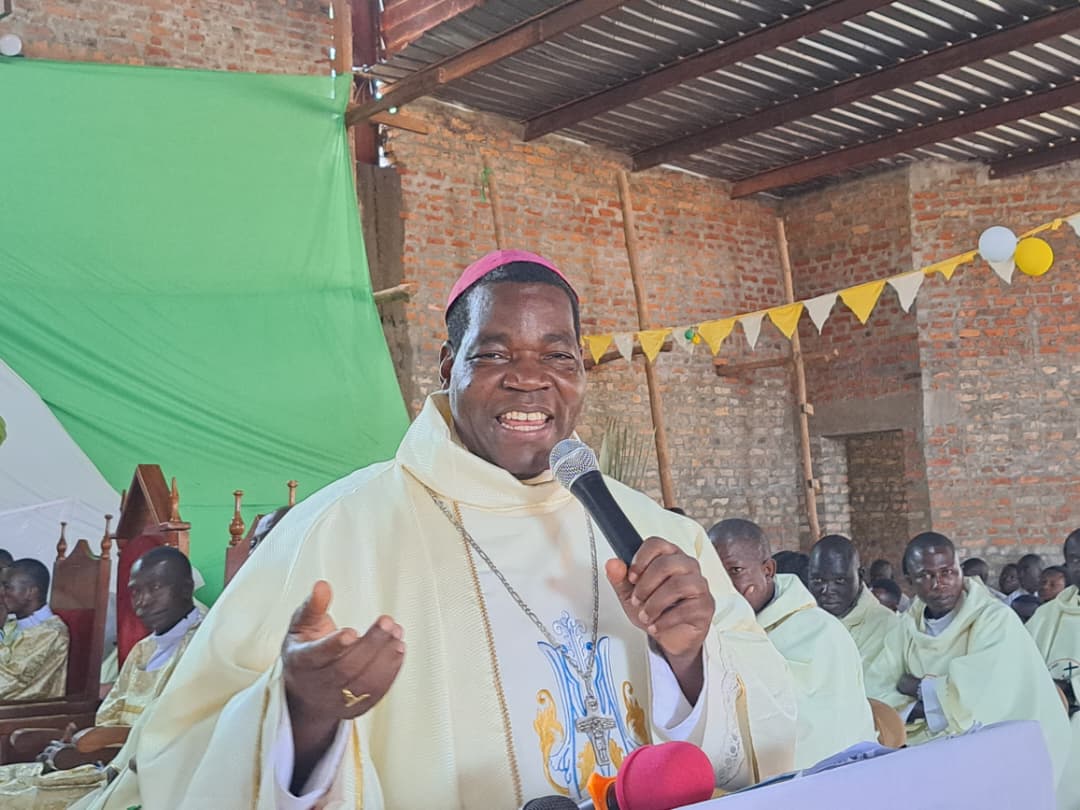
Camp leader Peter Rawanda expressed gratitude to CODEP and its partners, particularly acknowledging the role of Bishop Barani Eduardo Hiiboro Kussala in consistently advocating for vulnerable communities across Western Equatoria. His recognition reflects the Bishop’s active involvement in ensuring that humanitarian assistance reaches those most in need.
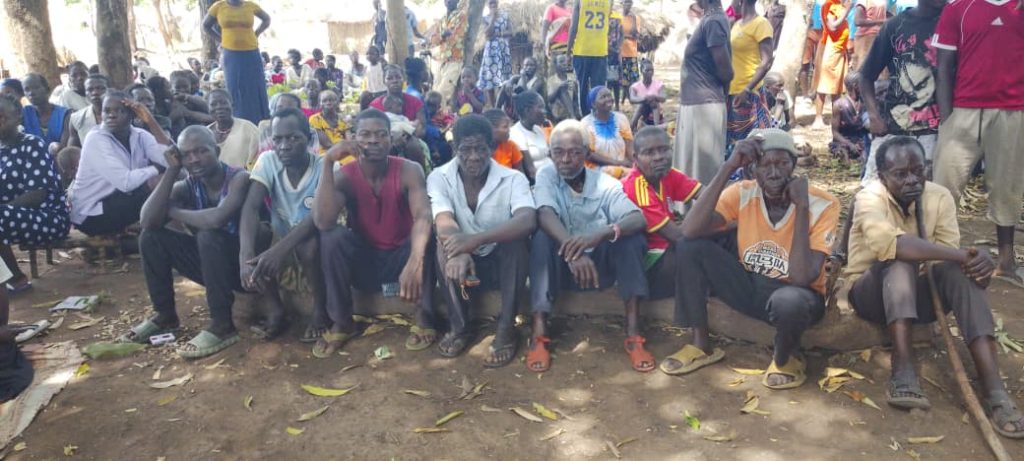
Local chiefs also urged patience among households, reminding them that future distributions would reach those not included in the current round. Their message emphasized the importance of community solidarity and understanding as humanitarian organizations work within resource constraints to serve as many people as possible.
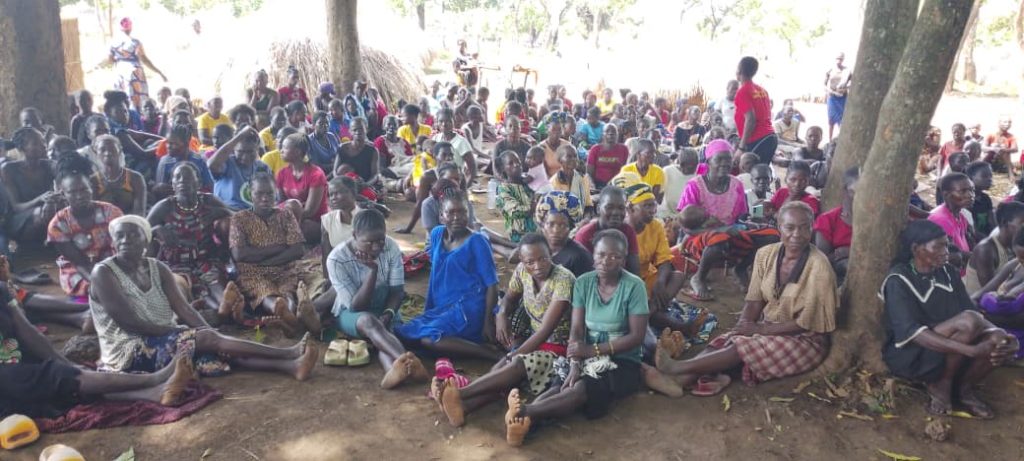
Beneficiaries Express Gratitude and Commitment
Beneficiaries shared heartfelt appreciation for the assistance and expressed commitment to using the tools and seeds productively. Hozana Mario said the support came at a critical time, expressing happiness and thanking the Bishop and CODEP for looking into their suffering.
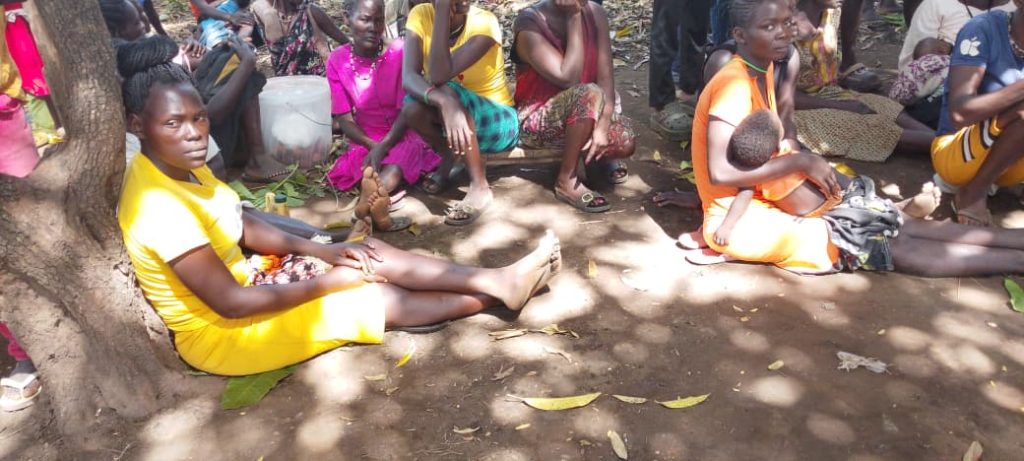
Another IDP, Mathew Gbatiko, highlighted the importance of using the tools for farming rather than selling them. He said he plans to plant the seeds because they are now in the agricultural season, adding that this will bring him more income. His statement reflects understanding of the project’s goal to promote self-reliance through productive farming rather than short-term relief.
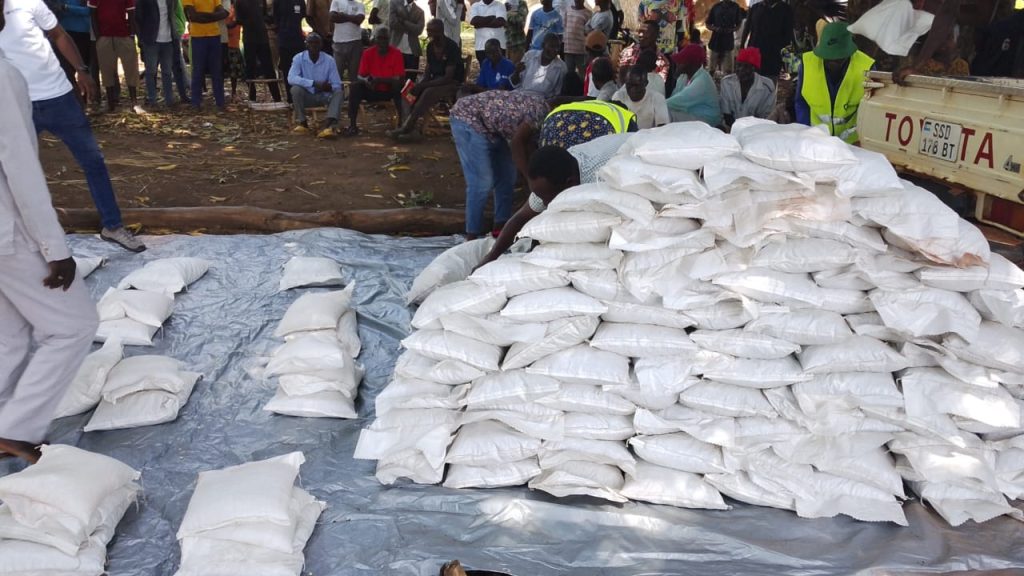
Mary Gaza, a 61-year-old recipient, noted that the items would help her cultivate her garden to secure food for her household. Her testimony represents the situation of many displaced elderly persons who continue to work the land despite their age and the challenges of displacement.
Training and Sustainability
As part of the ongoing project, CODEP will also conduct training sessions for IDPs in Madebe Payam to enhance agricultural practices and ensure sustainability. This component of the project reflects a comprehensive approach that combines material assistance with skills development to build long-term resilience.
The distribution of agricultural tools and seeds comes at an optimal time, coinciding with the planting season when displaced families and host communities are preparing their fields. By providing both seeds and tools, the project enables households to cultivate crops that will contribute to food security in the coming months.
The initiative underscores the commitment of humanitarian partners to support recovery and resilience among displaced and host communities in Ibba County and across Western Equatoria State. Rather than focusing solely on emergency relief, the project promotes a transition toward productive livelihoods and self-sufficiency.
CODEP’s Emergency Response and Recovery project in Ibba County is part of a broader portfolio of humanitarian interventions targeting internally displaced persons across Western Equatoria State. The organization has been implementing multiple projects addressing food security, livelihoods, shelter, and peacebuilding in displacement-affected communities.
The partnership between CODEP, CAFOD, and Trocaire demonstrates the important role of Catholic development agencies in responding to humanitarian crises in South Sudan. These organizations bring not only material resources but also a commitment to human dignity, community participation, and sustainable development that aligns with Catholic social teaching.
As the agricultural season progresses, the 200 households that received tools and seeds will have the opportunity to cultivate crops that can reduce their dependence on food aid and generate income through the sale of surplus produce. The success of this initiative will depend on favorable weather conditions, continued security that allows farming activities, and the effective application of agricultural practices that will be reinforced through upcoming training sessions.
The ongoing presence of thousands of internally displaced persons in Ibba County reflects the continued impact of conflict and insecurity in Western Equatoria State. While emergency assistance remains necessary, projects like this one that promote agricultural productivity and livelihood recovery represent important steps toward enabling displaced families to rebuild their lives with dignity and hope for a more stable future.