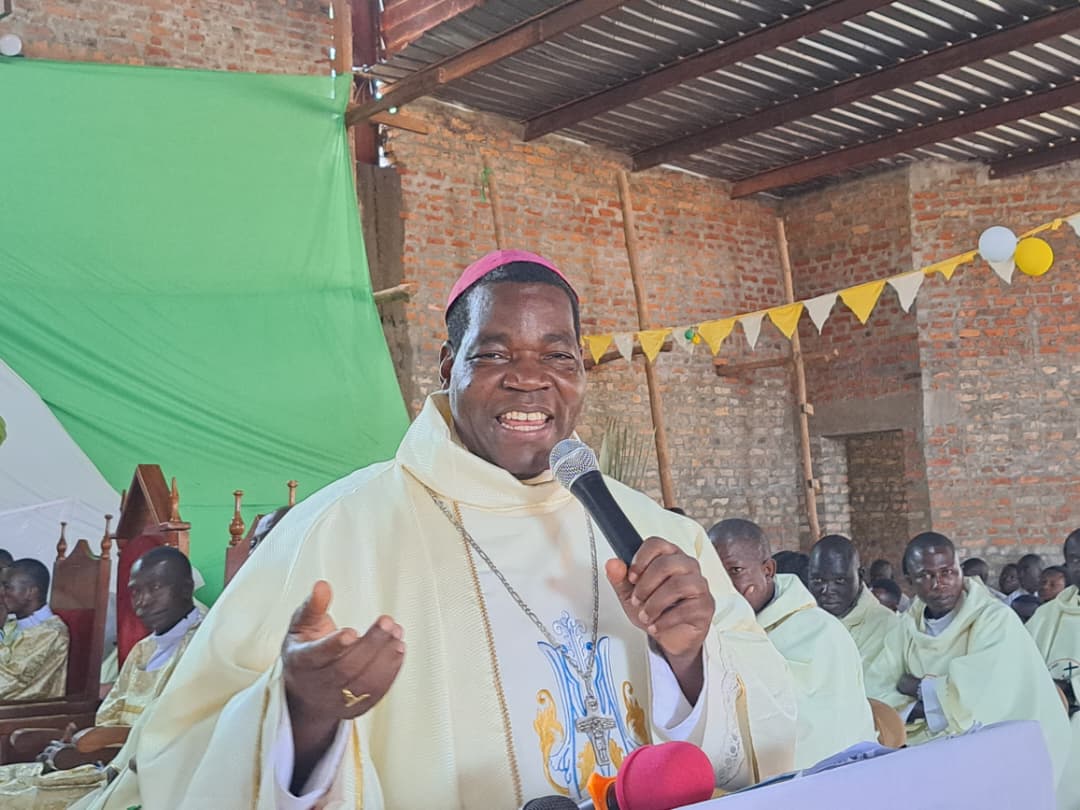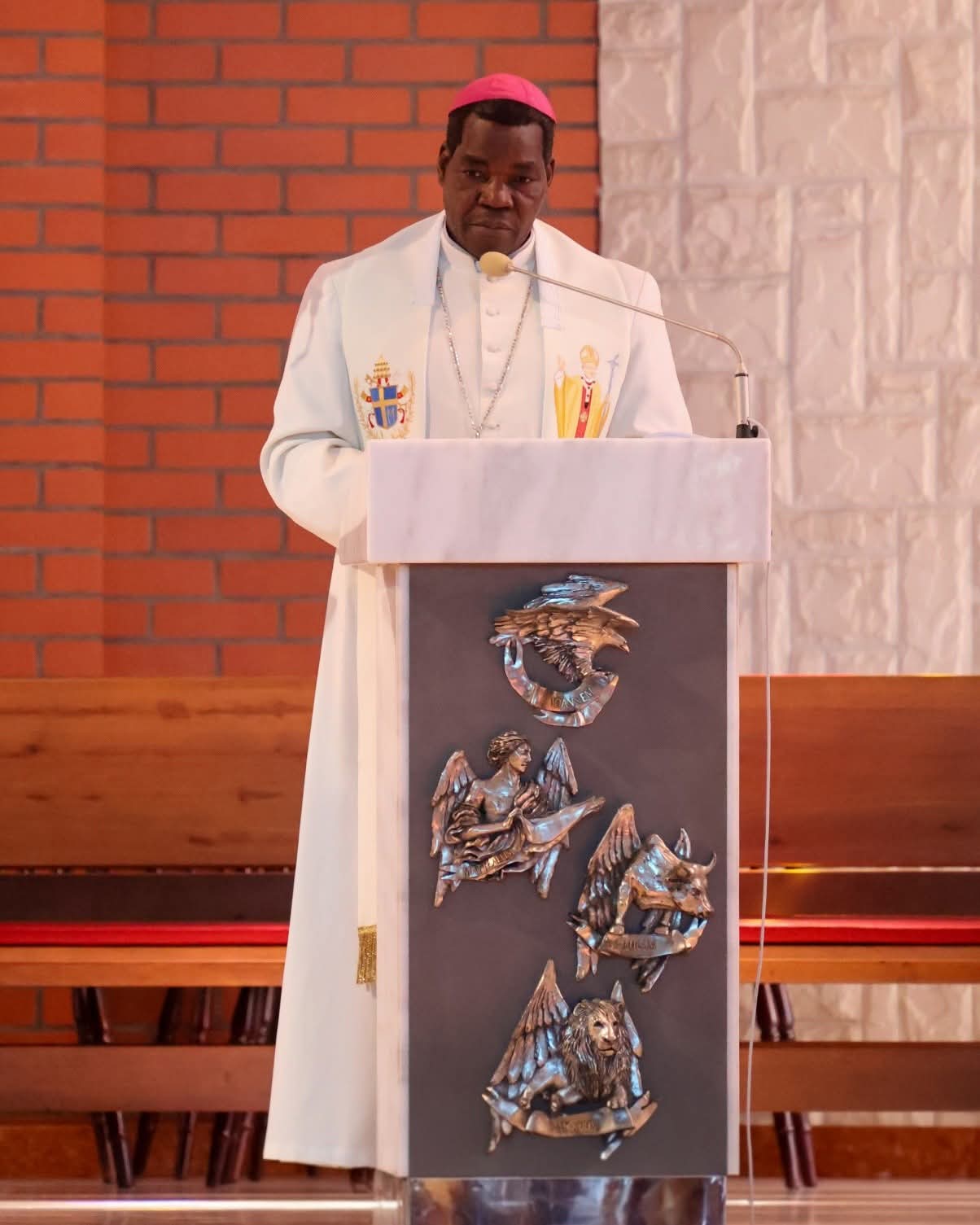
The Bishop of the Catholic Diocese of Tombura-Yambio, the Most Reverend Barani Eduardo Hiiboro Kussala, has described Pope Leo XIV’s first Encyclical letter, Magnifica Humanitas, as a very Timely and perhaps Overdue Document for the modern World and the Church, calling for serious Study and Implementation Across Catholic Institutions.
In a response to Sr. Laurencila requesting reflections on the encyclical unveiled on Monday, May 25, Bishop Hiiboro shared his Initial Impressions after a broad reading of the document, which focuses on preserving the Human Person in the Age of Artificial Intelligence.
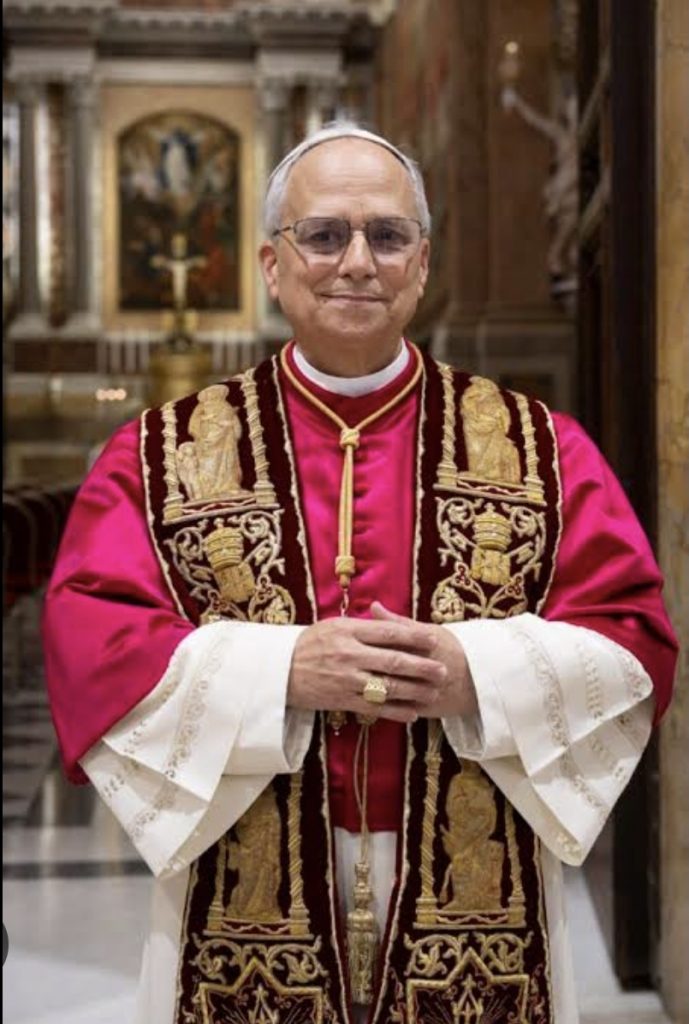
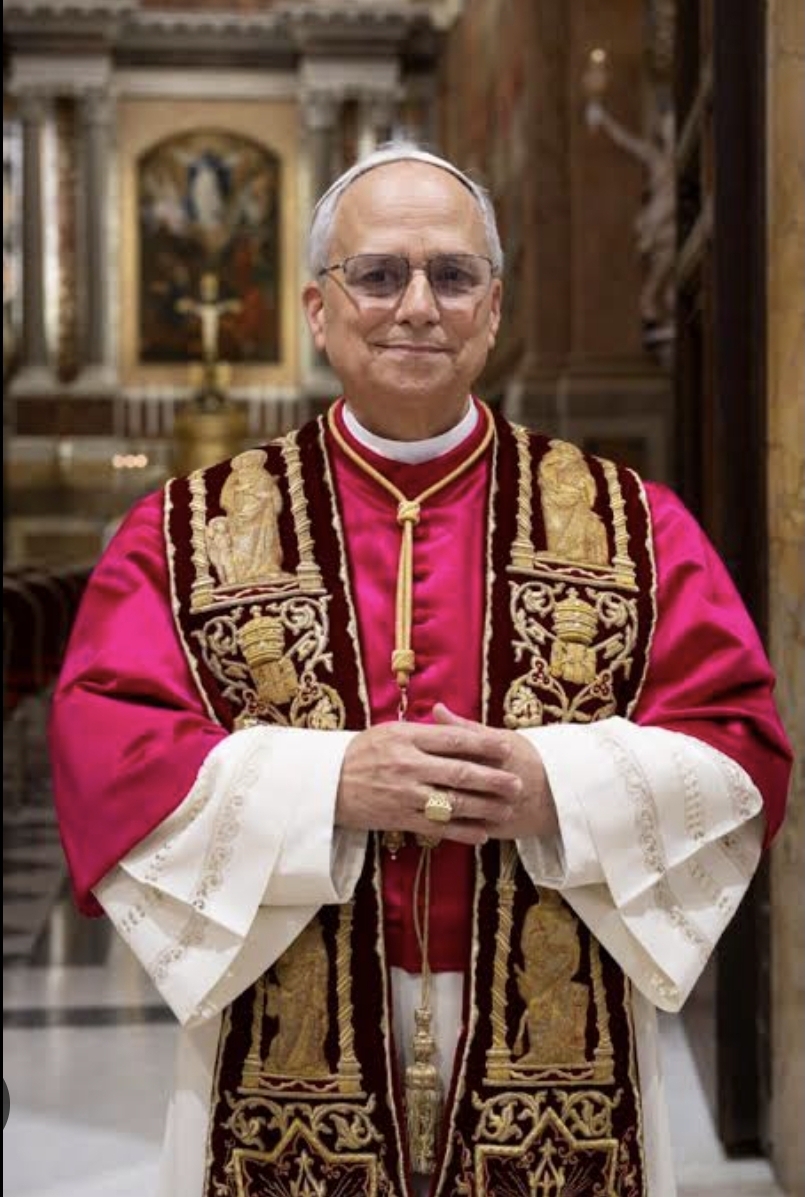
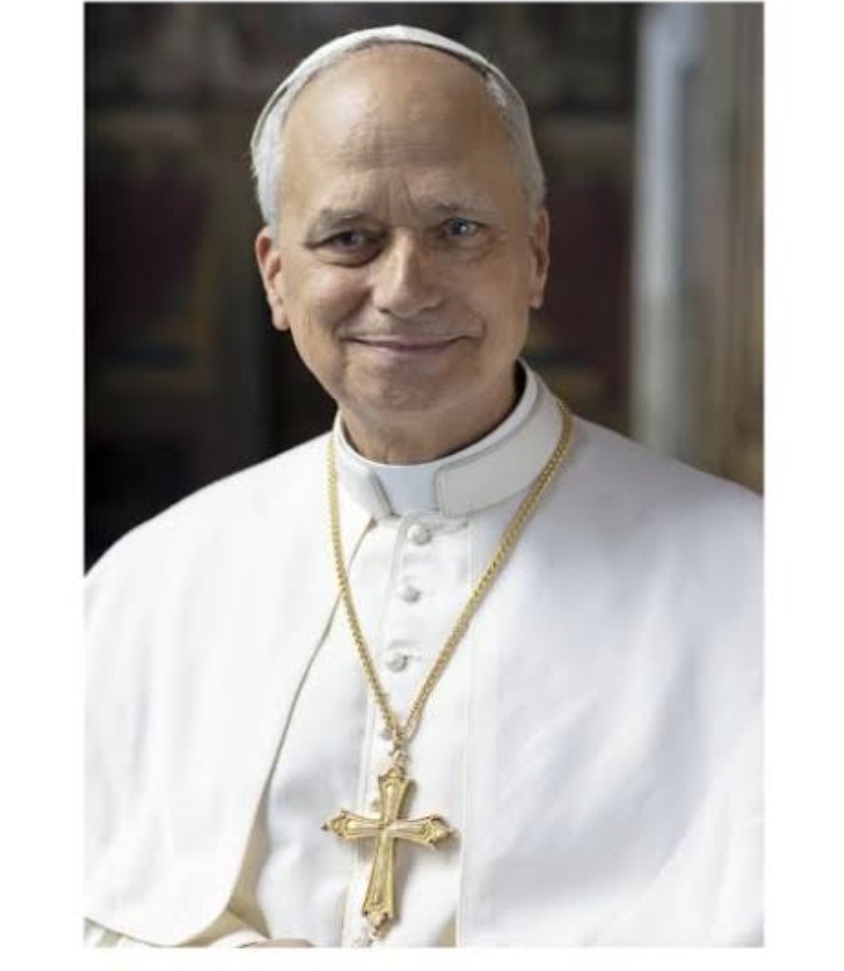
The Bishop noted that in a Notable Departure from Customary Practice, Pope Leo XIV Personally Presented the Document rather than Delegating the task to Members of the Roman Curia, signaling the Pope’s Personal Investment in the teaching.
Courageous Address to Critical Questions
Bishop Hiiboro praised the Encyclical for Courageously Addressing some of the most critical questions facing humanity today, including God, the Dignity of the Human Person, Society, Ethics, the Environment, Technological Advancement, and Especially the growing influence of Artificial Intelligence.
Beyond the evident charity and pastoral concern within the encyclical, the Bishop said one can also perceive the profound intellect, balance, wisdom, and comprehensive vision of the Holy Father. He described the document as inviting humanity not to lose its soul in the midst of rapid technological and scientific progress.
Three Key Reflections
Bishop Hiiboro shared three reflections that particularly remained with him after his first reading of the encyclical:
“The human person must never become secondary to technology, but technology must always remain at the service of human dignity and the common good.”
“A society that advances scientifically but neglects morality, spirituality, and compassion risks becoming powerful without wisdom.”
“The future of humanity will depend not only on artificial intelligence, but also on the preservation of conscience, truth, responsibility, and reverence for God and creation.”
Call for Study and Implementation
The Bishop stated that he believes this encyclical deserves serious reading, reflection, discussion, and implementation throughout the Church and society. He strongly encouraged pastoral agents, seminaries, formation houses, Catholic institutions, universities, schools, youth groups, and researchers to study it carefully.
Bishop Hiiboro said the encyclical can become an important resource not only for theological reflection but also for academic work, ethical formation, policy discussion, and pastoral guidance in a rapidly changing world.
Particular Relevance for Africa
Particularly for Africa, where communities continue navigating both development challenges and technological transitions, Bishop Hiiboro said this encyclical may help people reflect more deeply on how to preserve human dignity, spirituality, family values, social harmony, and care for creation while embracing innovation responsibly.
The Bishop commended Pope Leo XIV for offering the Church and the world such an important contribution at this historic moment. He expressed hope that this document will not simply be admired but actively read, taught, researched, discussed, and translated into concrete action.
Significance of the Encyclical
Magnifica Humanitas represents Pope Leo XIV’s first major teaching document since his election to the papacy. By choosing artificial intelligence as the subject of his inaugural encyclical, the Pope signals recognition that technological advancement, particularly in AI, represents one of the defining challenges and opportunities of the contemporary era.
The encyclical’s focus on preserving human dignity in the age of artificial intelligence addresses growing concerns about how rapid technological development may impact fundamental aspects of human existence, including work, relationships, decision-making, privacy, and moral agency.
Bishop Hiiboro’s response reflects the engagement of African church leaders with global theological and ethical discussions, demonstrating that concerns about technology and human dignity are not limited to developed nations but resonate across cultures and continents.
As artificial intelligence becomes increasingly integrated into various aspects of life, from healthcare and education to commerce and governance, the Catholic Church’s moral teaching on how to navigate these technologies while preserving human dignity becomes increasingly relevant for believers and society at large.
The Bishop’s call for the encyclical to be studied in seminaries, Catholic universities, and formation houses suggests that he sees Magnifica Humanitas as an important resource for preparing future church leaders to address the ethical challenges posed by emerging technologies.
As the Catholic Diocese of Tombura-Yambio and the broader Church in Africa engage with Pope Leo XIV’s teaching, Bishop Hiiboro’s early endorsement and call for serious study may help ensure that the encyclical’s wisdom shapes how African Catholics approach technological development in ways that honor both human dignity and the common good.