By Waure Eddy.
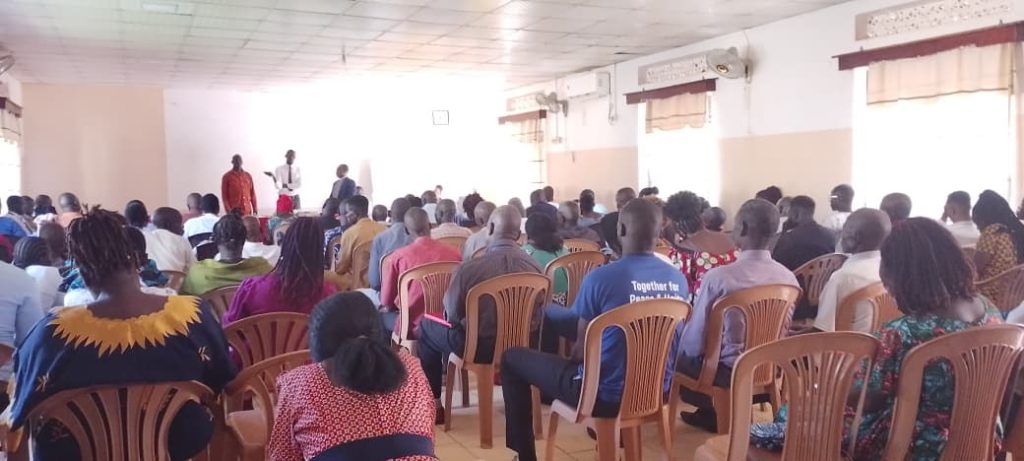
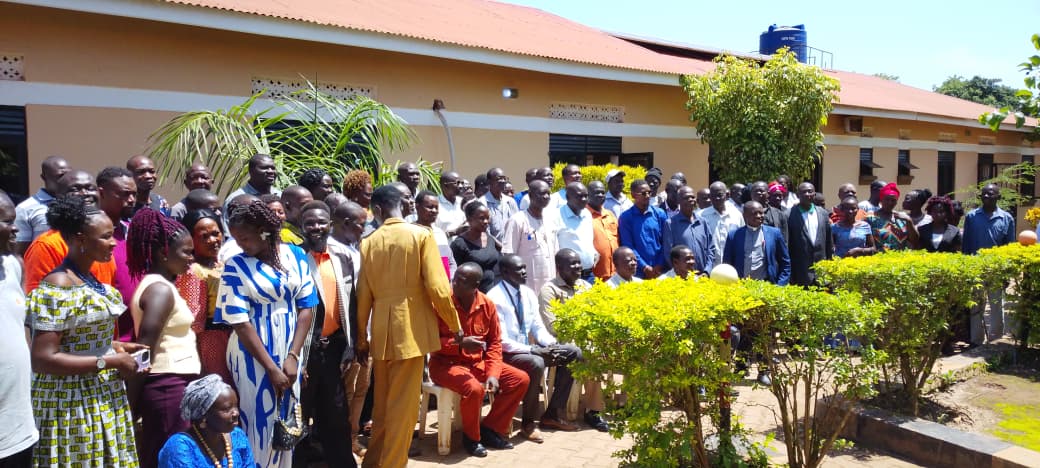
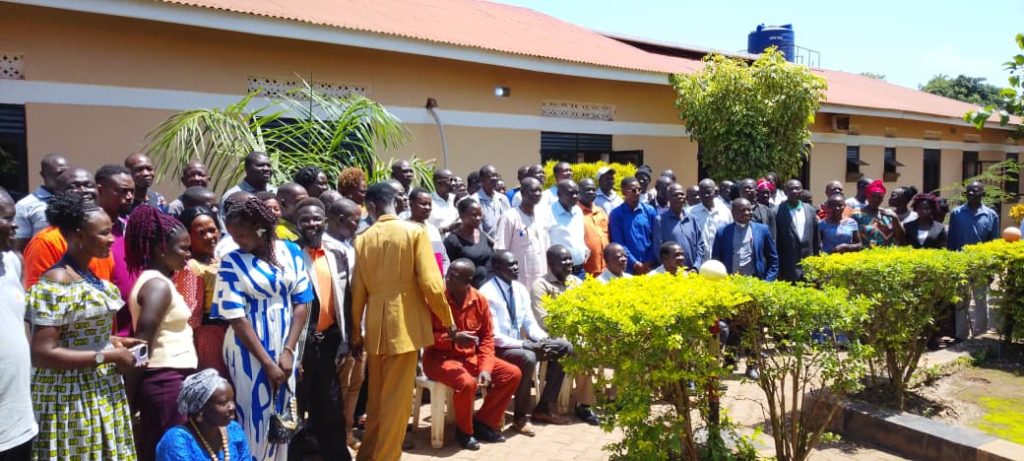
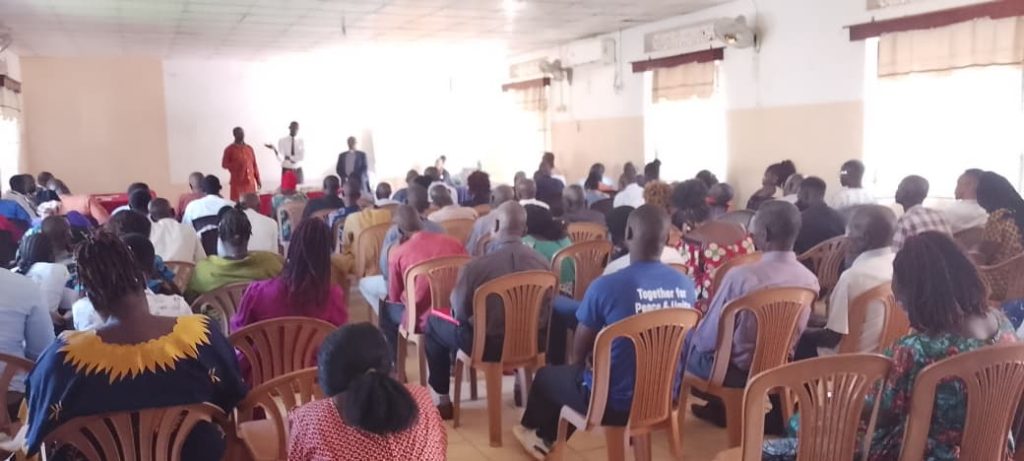
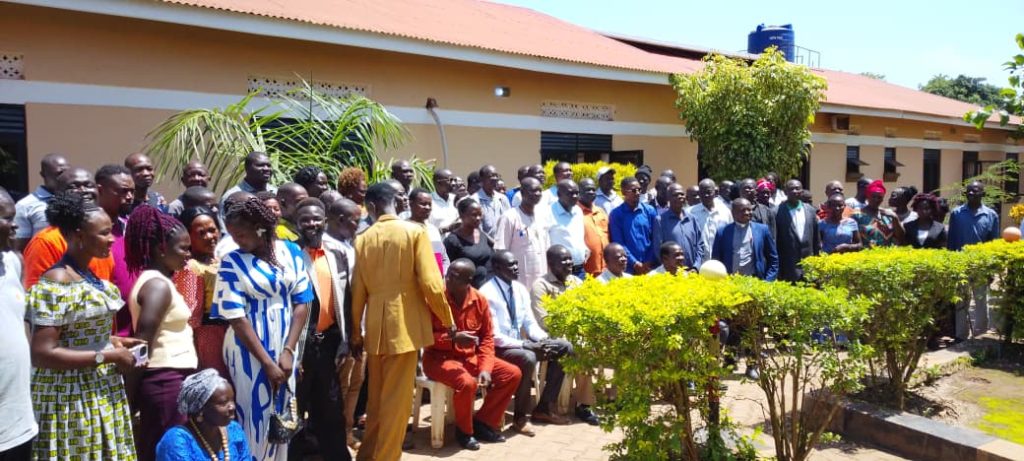
More than 100 community members from across Western Equatoria State concluded a three-day training on community dialogue processes on Friday, aimed at strengthening local capacity to resolve disputes and sustain peace at the grassroots level.
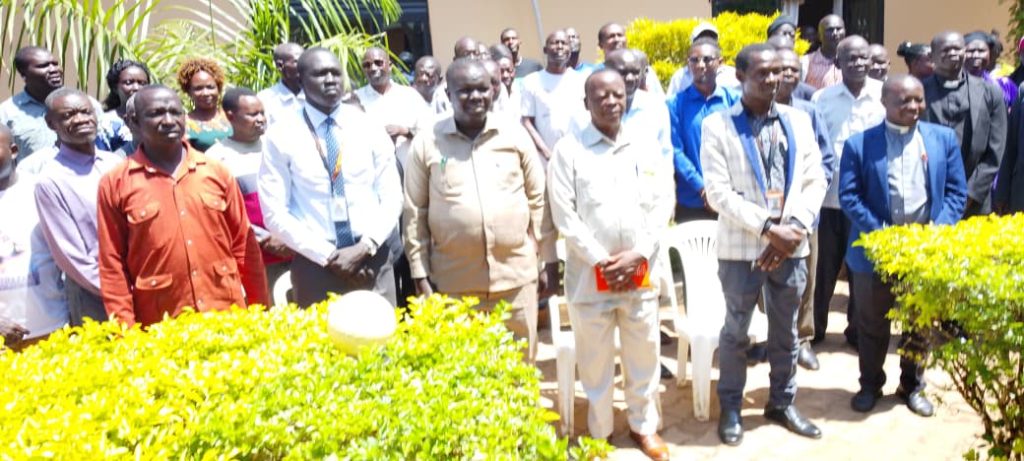
The training brought together community leaders, church leaders, civil society organizations, youth representatives, government officials, and women’s groups under the theme “Building Trust, Healing Divisions and Promoting Durable Peace.” Organized with support from World Vision, the sessions focused on practical skills for facilitating dialogue, managing conflict, active listening, and developing community-led action plans for reconciliation.
Training Objectives and Methodology
The program aimed to build trust between diverse groups by creating safe spaces for open and respectful communication, equip participants with skills in conflict analysis, mediation, and facilitation of community dialogues, heal divisions by addressing grievances, countering rumors, and fostering shared understanding of past and present tensions, promote durable peace through the development of community action plans for joint problem-solving on local disputes over land, resources, and security, and strengthen inclusion by ensuring women, youth, and marginalized groups have a voice in local peacebuilding processes.
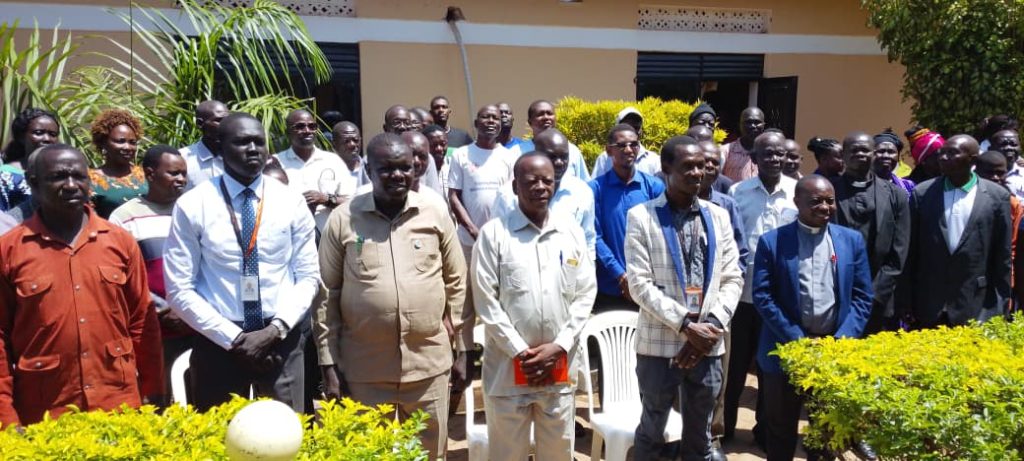
Speaking at the closing ceremony, Acting Governor Honorable Alison Barnaba commended the participants for their commitment and stressed the role of local actors in sustaining peace. She emphasized that peace cannot be imposed from Juba or from outside but is built in Bomas and Payams by leaders and citizens who choose dialogue over violence. The Acting Governor told participants that the training gives them the tools to be bridges in their communities, expressing expectation that these skills will be applied to reduce tension and keep children safe.
Building on Community Wisdom
Mr. Maraf, Area Program Manager for World Vision Western Equatoria, said the initiative was part of broader efforts to support locally owned peace processes. He noted that over the three days, it became clear that communities already have the wisdom to solve their problems, and that World Vision’s role is to provide the structure and skills that turn that wisdom into action. He emphasized that when leaders, youth, and women sit together and agree on solutions, those solutions last.
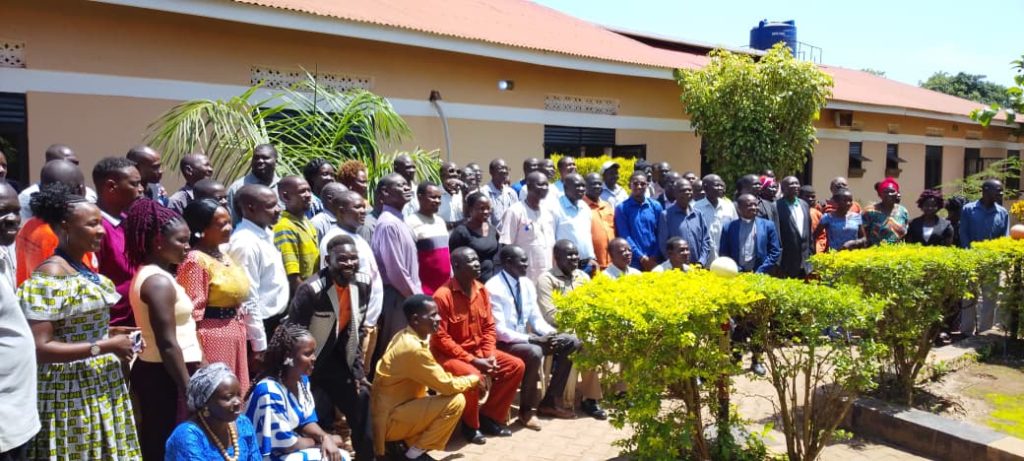
The lead facilitator from World Vision Juba, Mr. Manyoun David, highlighted the practical nature of the training, explaining that sessions focused less on theory and more on real cases from Western Equatoria. Participants practiced facilitating dialogues, identifying root causes of conflict, and drafting action plans they can implement immediately. The facilitator stressed that ownership was with participants from day one.
Transformative Impact on Participants
Eunice Naduru, a participant from Yambio County, said the training changed how she approaches disputes in her community. She explained that before, when there was a fight over land, people would just shout and walk away, but now she understands how to bring both sides to talk, listen to each other, and find something they can agree on. She pledged to use these skills with her women’s group and the chiefs.
Wanga Emmanuel, a civil society representative, said the skills were immediately relevant for his work with young people. He identified the biggest lesson as understanding that youth can be part of the solution, not just seen as the problem. He noted that participants learned how to map issues and talk to elders without conflict, saying he will return to start a dialogue group in his area.
Implementation and Follow-Up
Participants developed community action plans to be implemented in their respective counties, with follow-up support expected from local World Vision teams and county authorities. Organizers said the next step is to support the newly trained dialogue facilitators as they roll out community-level dialogues in the coming months.
Significance for Western Equatoria
The training comes at a critical time for Western Equatoria State, which has experienced cycles of violence and displacement that have undermined traditional mechanisms of conflict resolution and peaceful coexistence. By equipping community leaders with modern dialogue facilitation skills while building on traditional wisdom, the program addresses the reality that many conflicts in the region arise from disputes over land, resources, and security that could be resolved through effective local mediation.
The emphasis on inclusion of women and youth reflects recognition that sustainable peace requires participation of all community members, not just traditional male elders. Women often bear the greatest burden of conflict while being excluded from peace processes, yet their inclusion has been shown to improve both the quality and durability of peace agreements. Youth, frequently portrayed as perpetrators of violence, can become powerful agents of peace when given meaningful roles in dialogue and reconciliation.
The practical, skills-based approach of the training, focusing on real cases from Western Equatoria rather than abstract theory, increases the likelihood that participants will be able to apply what they learned. By practicing dialogue facilitation during the training and developing concrete action plans, participants left equipped to begin work immediately in their communities.
The development of community action plans that will be implemented with follow-up support from World Vision and county authorities provides accountability and sustainability that many trainings lack. Rather than ending with certificates and good intentions, this program includes mechanisms for ongoing accompaniment as newly trained facilitators put their skills into practice.
As Western Equatoria State works to consolidate peace and rebuild after years of conflict, grassroots peacebuilding efforts like this dialogue training represent essential investments in the social infrastructure necessary for lasting stability. When communities possess both the skills and the will to resolve their own disputes through dialogue rather than violence, they become less dependent on external interventions and more capable of managing the inevitable tensions that arise in any diverse society