By Waure Eddy
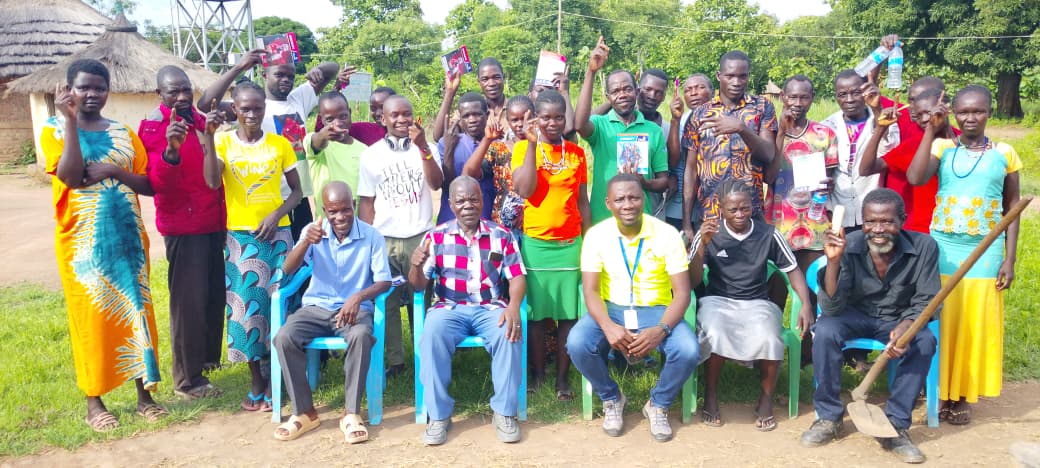
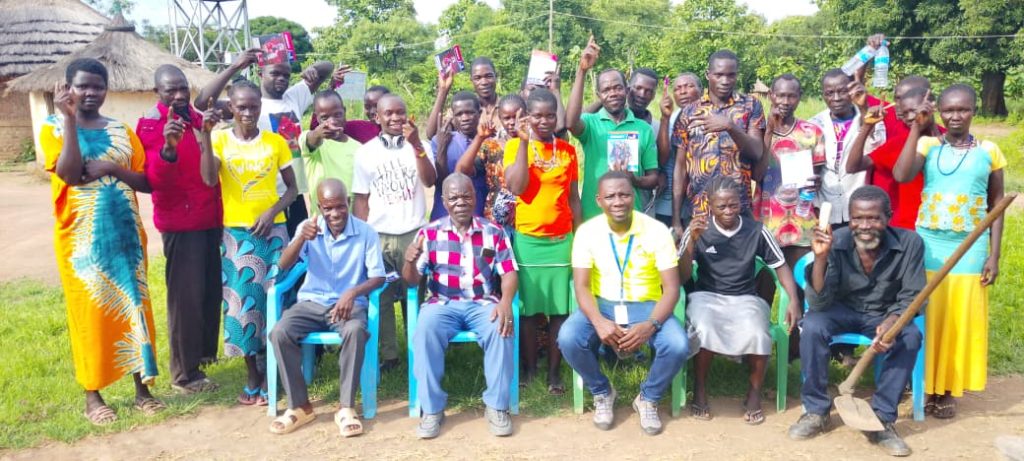
Forty internally displaced persons from Madebe Payam have officially commenced a five-day training program on good agronomy practices aimed at equipping participants with essential farming skills to improve food security and livelihoods.
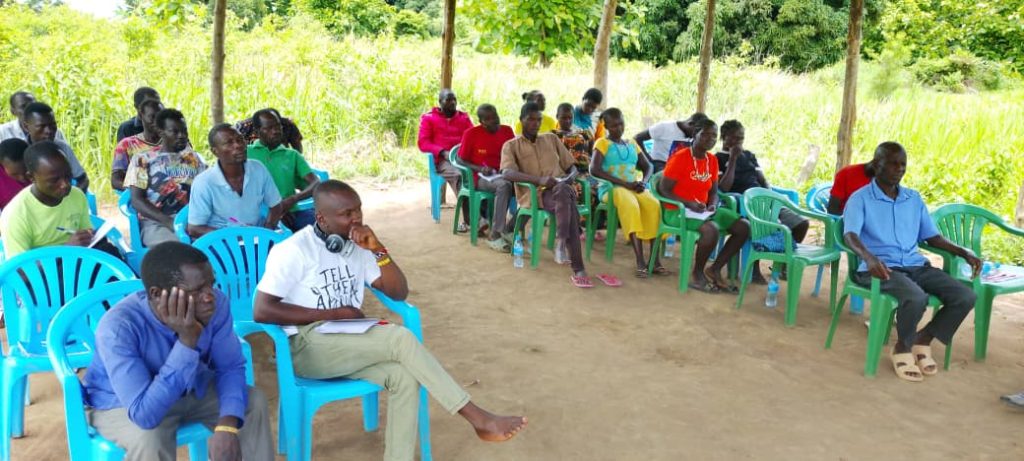
The training is organized by the Catholic Organization for Development and Peace with support from CAFOD and Trocaire in partnership. Over the course of five days, participants will gain practical knowledge on land preparation, seed selection, soil fertility management, water management, weed control, pest management, harvesting, post-harvest handling, and farm record keeping.
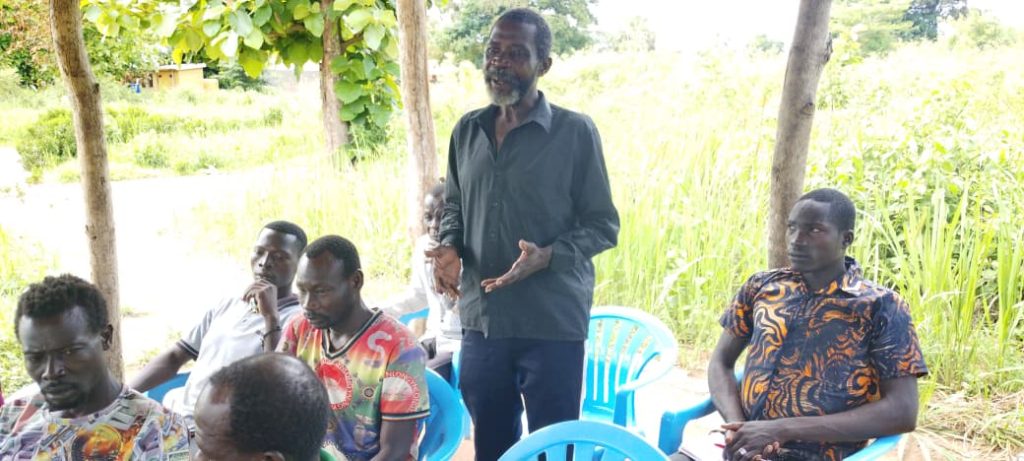
Speaking during the opening session, camp leader Mr. Peter Rawanda expressed gratitude to the organizers for empowering IDPs with vital agricultural skills. He said his community is grateful to CODEP and its partners for coming up with such an initiative for grassroots people who are suffering, adding that the training means a lot and that his people are ready to learn more. He called for it to be a continuous program that can reach more people over time.
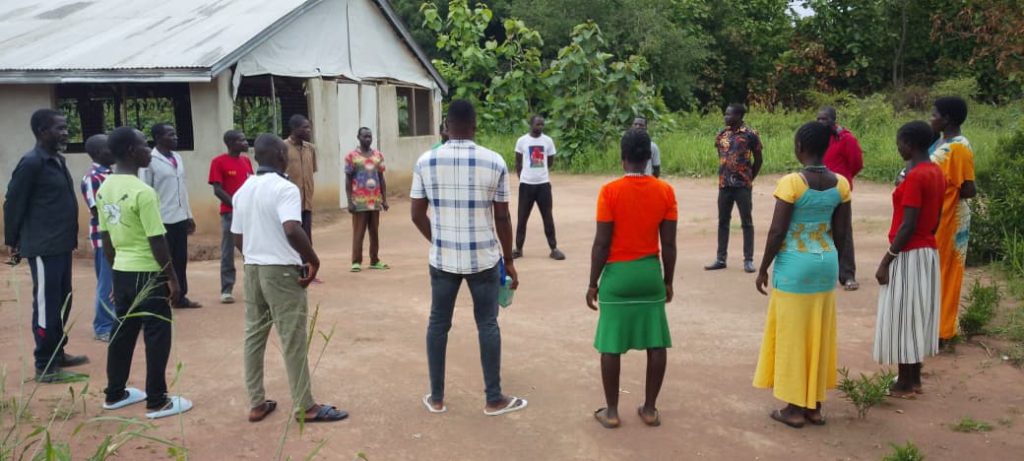
Rawanda urged participants to remain attentive and actively engage with facilitators, emphasizing that knowledge is power when applied correctly. He encouraged participants to open their mouths and ask questions rather than pretending to know everything, saying that by asking, they will be given the right information that will help them in the future.
Importance of Accurate Reporting
Mr. Gigaragbere Emmanuel Joseph, Project Officer for Emergency Response and Recovery to IDPs, thanked the authorities of Western Equatoria State, particularly Ibba County, for supporting the initiative. He highlighted the importance of accurate reporting by participants to ensure continued donor support.
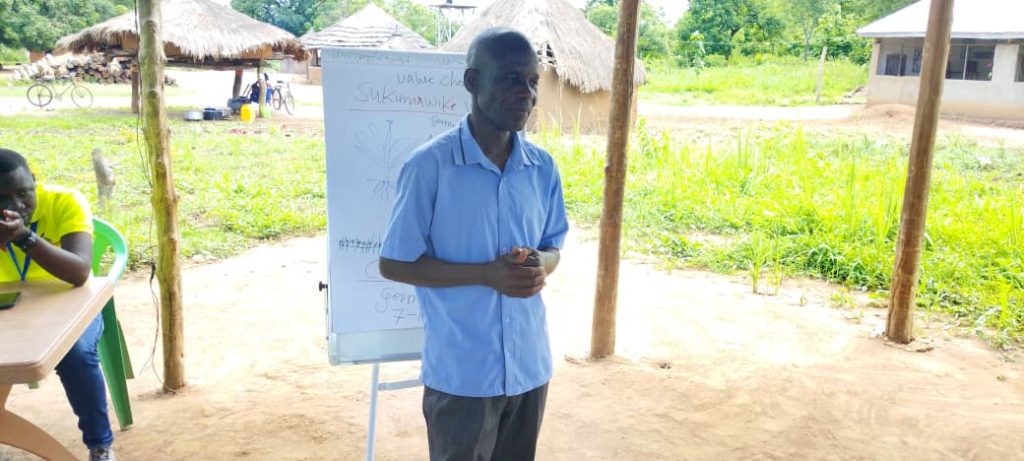
Joseph cautioned that based on participants’ reports, they will continue to receive more training and other items, but if their reports are not well done, CODEP will not return. His statement underscores the accountability requirements that humanitarian organizations must meet in order to maintain donor confidence and continue programming.
He further explained that the five-day training is designed to ensure participants leave with practical skills they can share with others in their communities. Joseph said CODEP still has a series of activities to be covered in Madebe, Ibba County, and that the organization wants selected members to go home with something tangible and teach others as well.
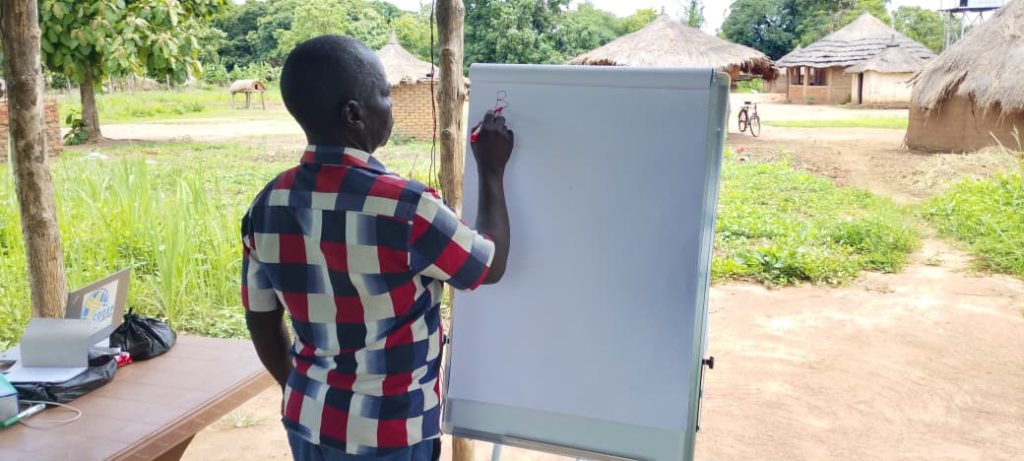
This train-the-trainer approach reflects best practices in agricultural extension, where a smaller group of participants receives intensive training and then cascades that knowledge to wider community members, multiplying the impact of the initial investment.
Commitment to Learning
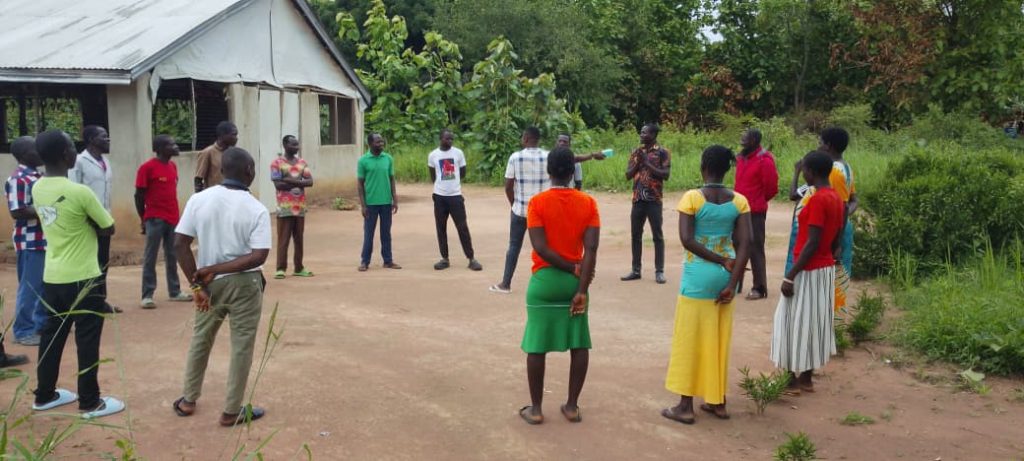
Participants pledged to complete the training successfully and return to their communities with new skills to enhance agricultural productivity. Their commitment reflects the eagerness of displaced communities to move beyond dependency on humanitarian assistance toward productive livelihoods that can sustain their families.
The training comes at an optimal time, following the recent distribution of agricultural tools and seeds to 200 households in Madebe Payam. By combining material inputs with technical knowledge, CODEP is taking a comprehensive approach to agricultural recovery that addresses both the immediate needs for farming equipment and the longer-term need for improved farming practices.
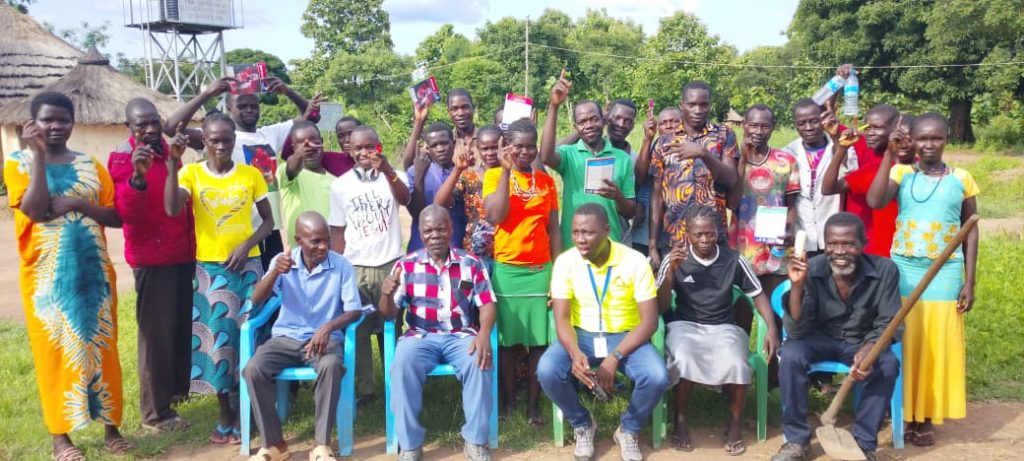
The curriculum covers essential aspects of the agricultural cycle from land preparation through post-harvest handling. Key topics include seed selection, which helps farmers choose varieties suited to local conditions; soil fertility management, critical for maintaining productive land; water management, particularly important in areas with variable rainfall; and pest management, which can significantly reduce crop losses.
The inclusion of farm record keeping in the training demonstrates recognition that successful farming requires not only technical skills but also basic business and management capabilities. Record keeping helps farmers track expenses and income, plan for future seasons, and make informed decisions about their agricultural enterprises.
Broader Impact
CODEP continues to advocate for vulnerable groups including IDPs, returnees, and host communities, implementing various humanitarian and development activities across Western Equatoria State through its different departments. The organization’s work spans emergency relief, livelihoods support, education, health, and peacebuilding.
The training program in Madebe Payam is part of CODEP’s six-month Emergency Response and Recovery to IDPs project, which has already distributed cash assistance and agricultural inputs to 200 households. The combination of material support and skills training represents a holistic approach to supporting displaced populations in their transition from emergency relief to recovery and resilience.
For many internally displaced persons in Madebe Payam, this training represents an opportunity to rebuild livelihoods that were disrupted by conflict and displacement. While some participants may have farming experience from before displacement, others may be learning agricultural skills for the first time or updating practices to adapt to new environmental conditions in their area of displacement.
The emphasis on good agronomy practices is particularly important in the context of South Sudan, where agricultural productivity has been hampered not only by conflict and displacement but also by limited access to improved farming techniques, quality seeds, and extension services. By providing this training, CODEP is contributing to building the knowledge base that will be essential for improving food security across Western Equatoria State.
As the training progresses over the next five days, participants will gain both theoretical knowledge and practical skills that can immediately be applied in their fields during the current planting season. The success of this initiative will be measured not only by what participants learn during the training but by how effectively they apply that knowledge in their farming activities and share it with fellow community members who did not attend the formal training sessions.