By Sr. Laurencila, FSSA
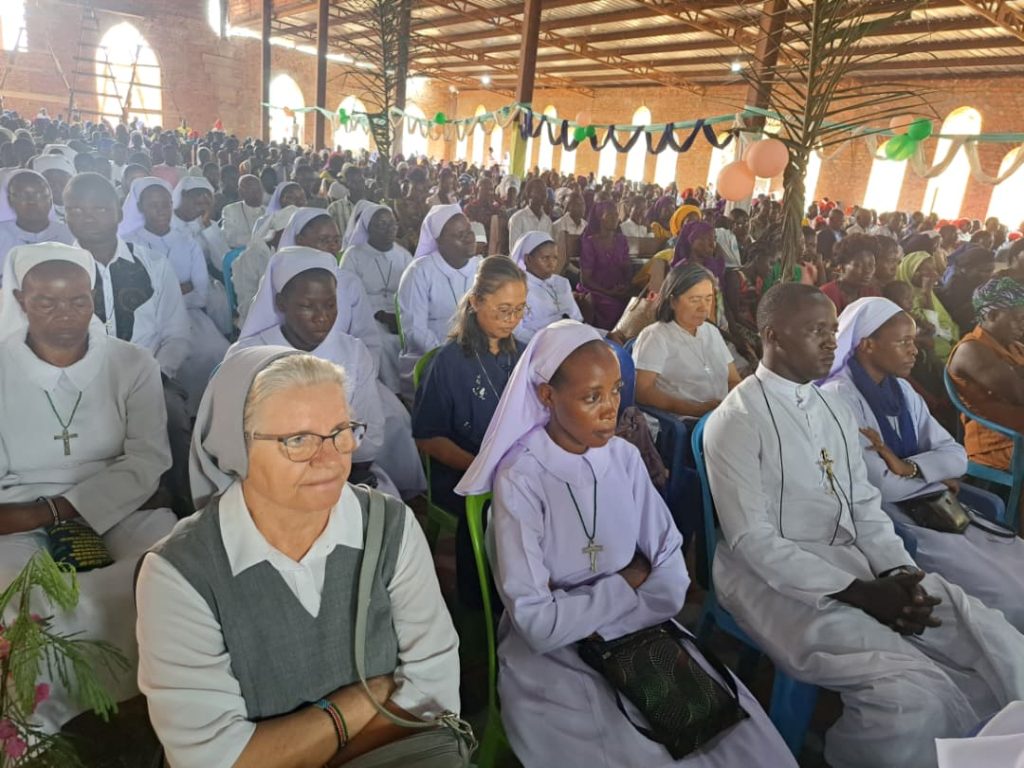
Bishop Eduardo Hiiboro Kussala has issued a strong pastoral appeal to consecrated men and women in the Catholic Diocese of Tombura-Yambio to actively recruit and form local vocations to ensure the future sustainability of the Church.
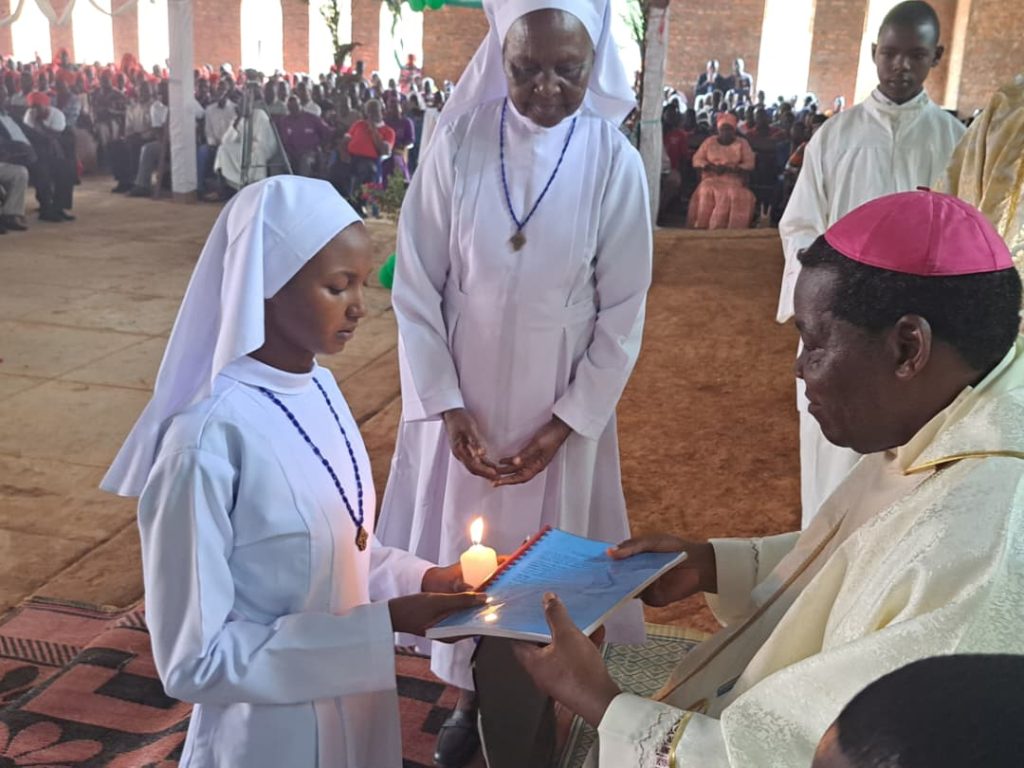
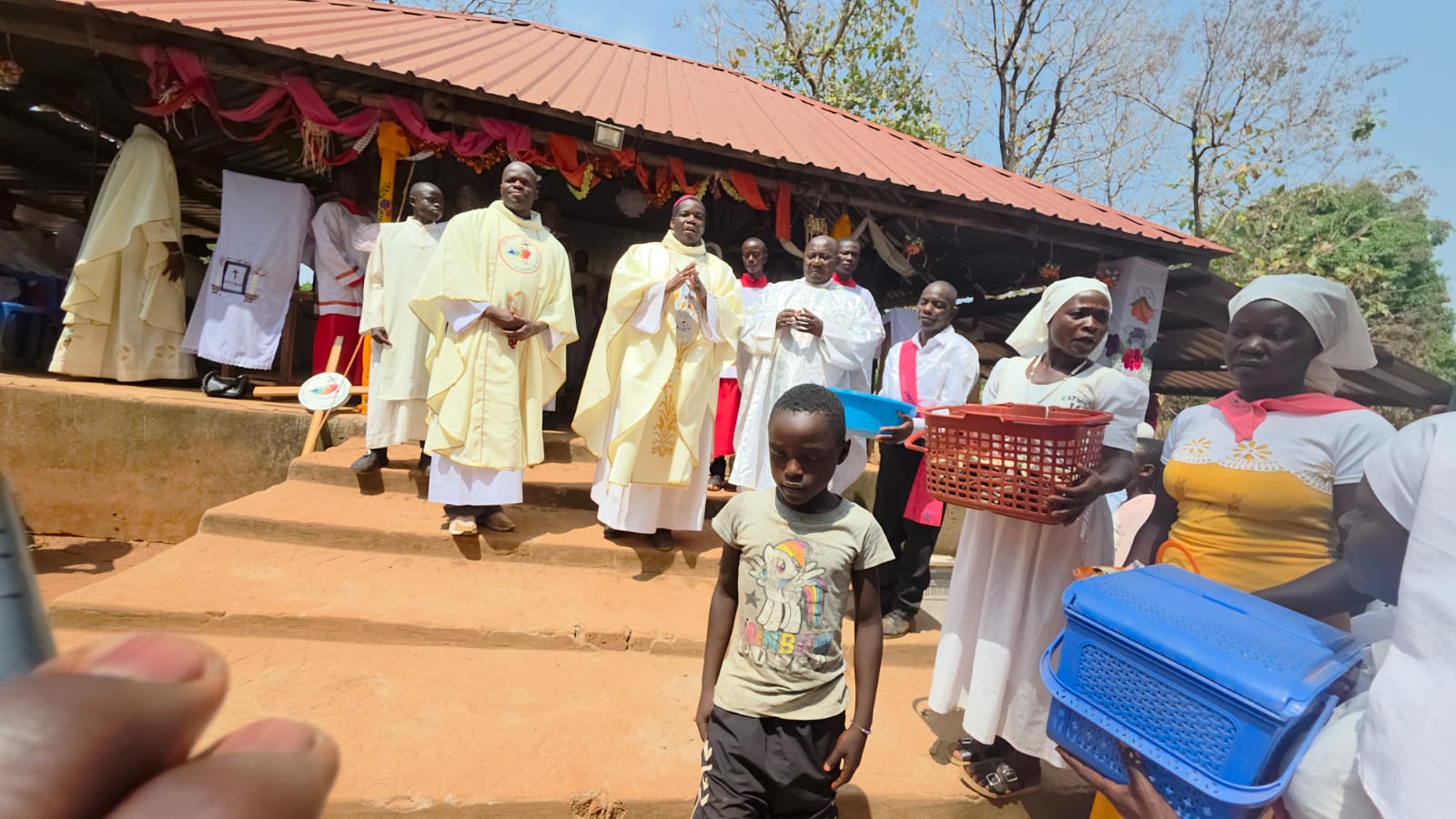
The Bishop delivered the message during his homily for the World Day of Consecrated Life and Diocesan Religious Day on Sunday, February 1, under the theme “The Beatitudes: The Pastoral Plan of Jesus and the Missionary Journey of Our Church.”
Historical Context and Survival
Bishop Hiiboro drew lessons from the Church’s history in Sudan, recalling how local vocations saved the Church during the 1964 expulsion of foreign missionaries by the Sudanese Muslim government.
“In 1964, when the Sudanese Muslim government expelled all foreign missionaries, the Church did not collapse. Why? Because there were local priests and local religious,” he said. “In our diocese at that time, there were only five priests and six sisters, yet the Church survived. This is not only history. It is a pastoral lesson.”
Clear Appeal for Action
With what he described as “pastoral love and episcopal responsibility,” Bishop Hiiboro made a direct appeal to religious communities.
“For continuity, sustainability, and the survival of the Church, I ask you clearly: actively recruit, accompany, and form local vocations. A Church without local vocations is fragile. A religious community without succession is temporary,” the Bishop said.
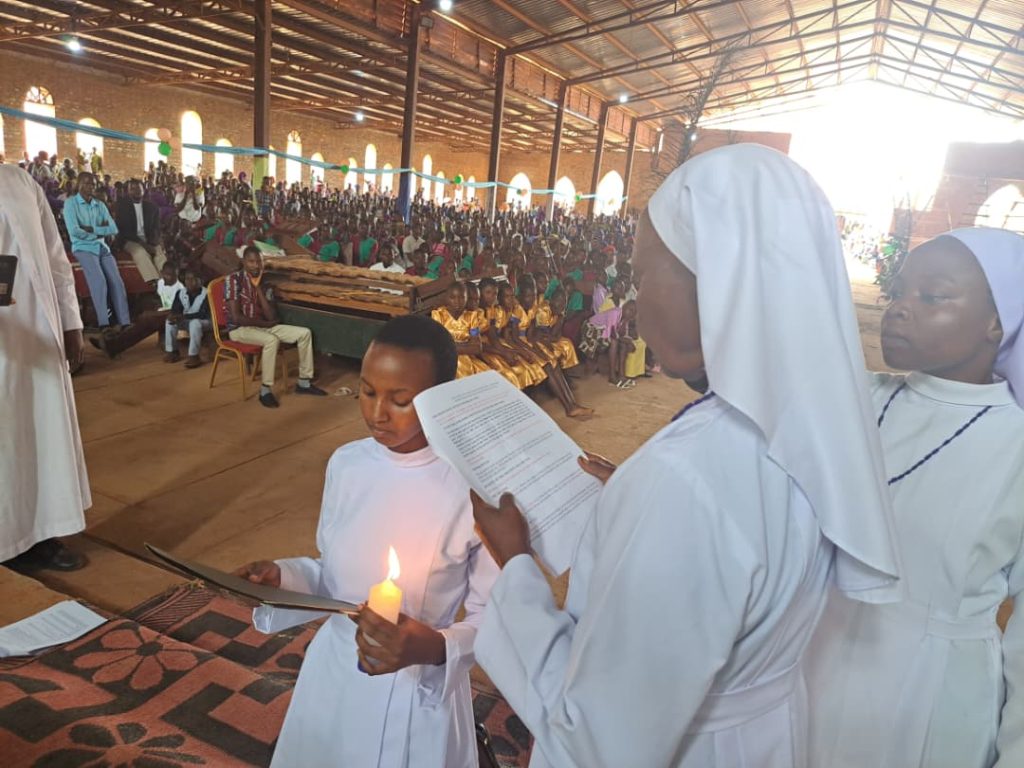
He expressed concern that some religious communities have been present in the diocese for more than 25 years without recruiting local vocations.
“With respect, love, and pastoral concern, I say clearly: this must change. I will follow this matter closely and personally, not as a threat, but as a pastoral duty entrusted to me,” Bishop Hiiboro stated.
The Beatitudes as Pastoral Framework
Using the Beatitudes from Matthew 5:1-12 as his framework, Bishop Hiiboro reflected on how early missionaries embodied these principles in establishing the Church.
He noted that missionaries came “poor in spirit,” leaving behind comfort and security; shared in the suffering of the people during war and displacement; respected local culture and dignity; and crucially, “trusted local leadership and believed deeply in succession.”
“They worked diligently to train, ordain, and consecrate local priests and religious, ensuring that the Church would belong truly to the people,” the Bishop said.
Call to Young People
Bishop Hiiboro also directed his message to young people, particularly young women, encouraging them to respond to God’s call.
“God is still calling you. Do not be afraid,” he said.
To religious communities, he urged: “Plant seeds that will outlive you.”
Gratitude and Hope
While issuing the challenge, Bishop Hiiboro expressed gratitude to consecrated men and women for their faithful service in teaching, healing, comforting the wounded, and reconciling divided communities.
“In our fragile South Sudan, consecrated men and women continue to be signs of mercy and hope. For this faithful service, we say: thank you,” he said.
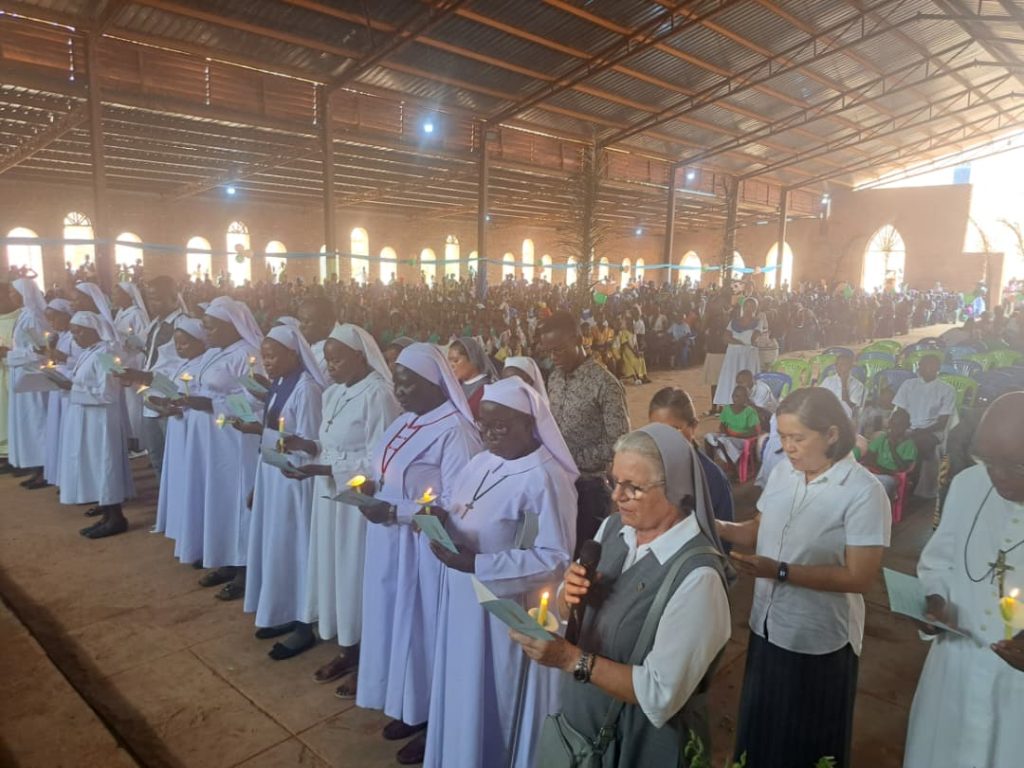
The Bishop concluded by invoking Mary, Our Lady of Peace, asking her to intercede so that “consecrated life continues to be a light, a memory, and a promise for our diocese and for South Sudan.”
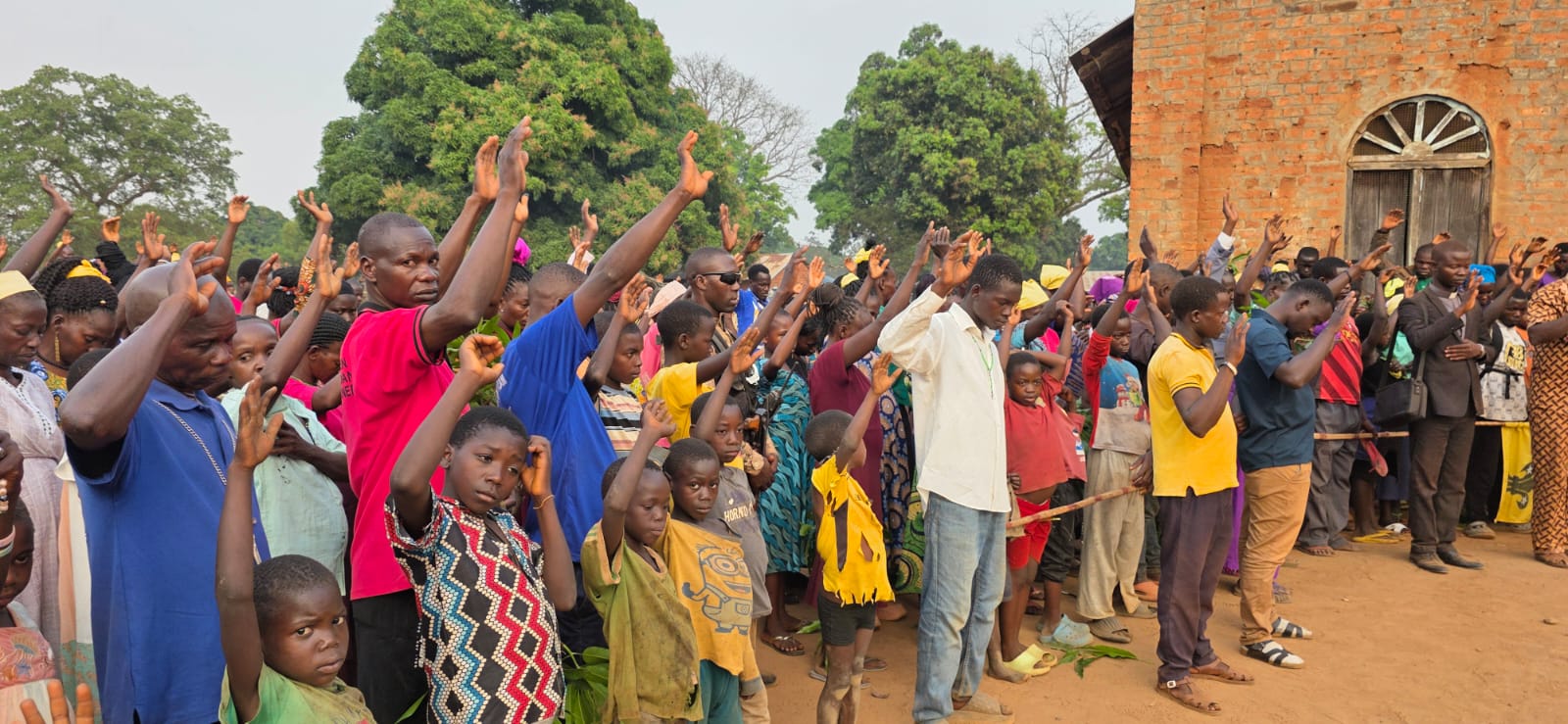
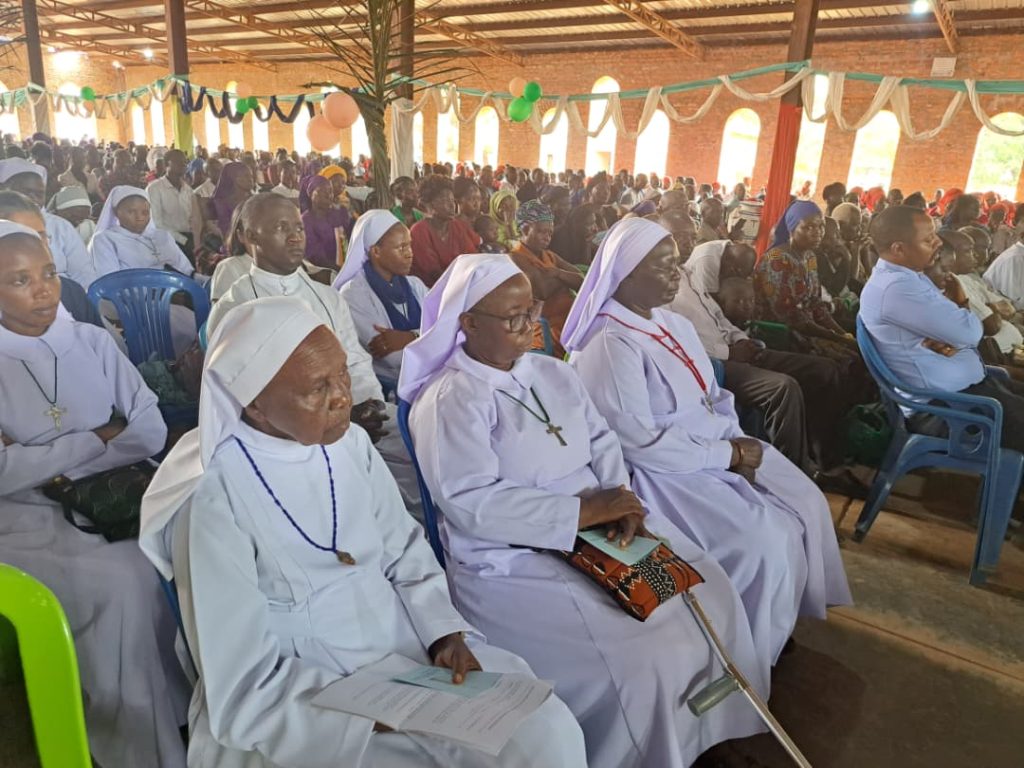
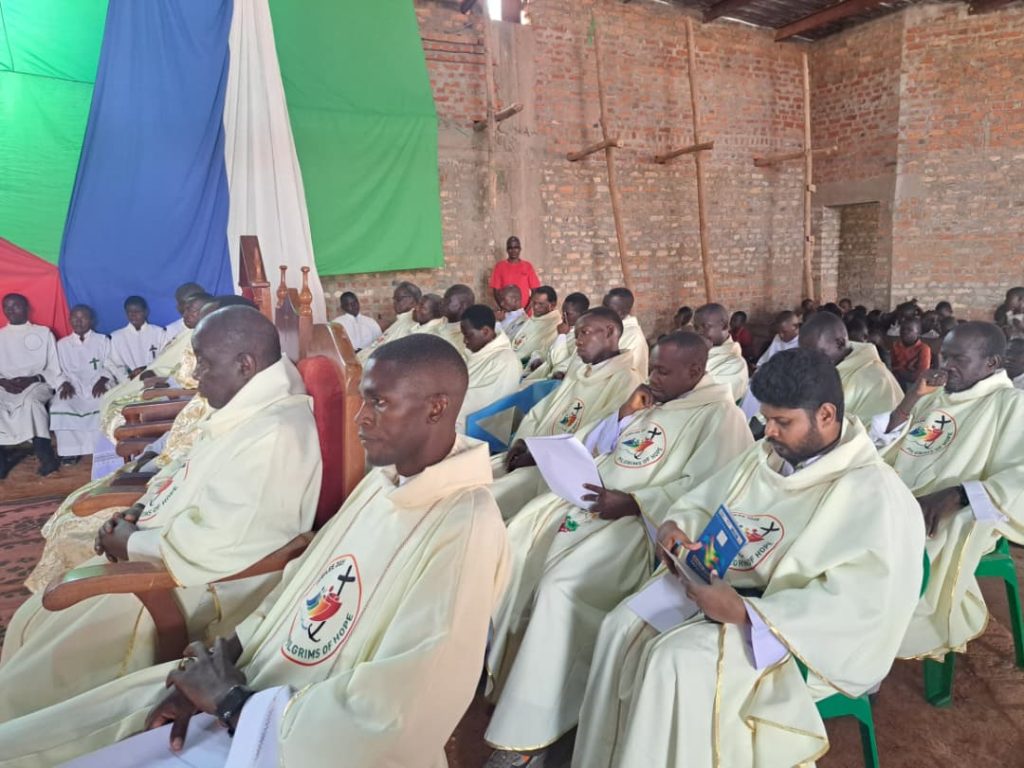
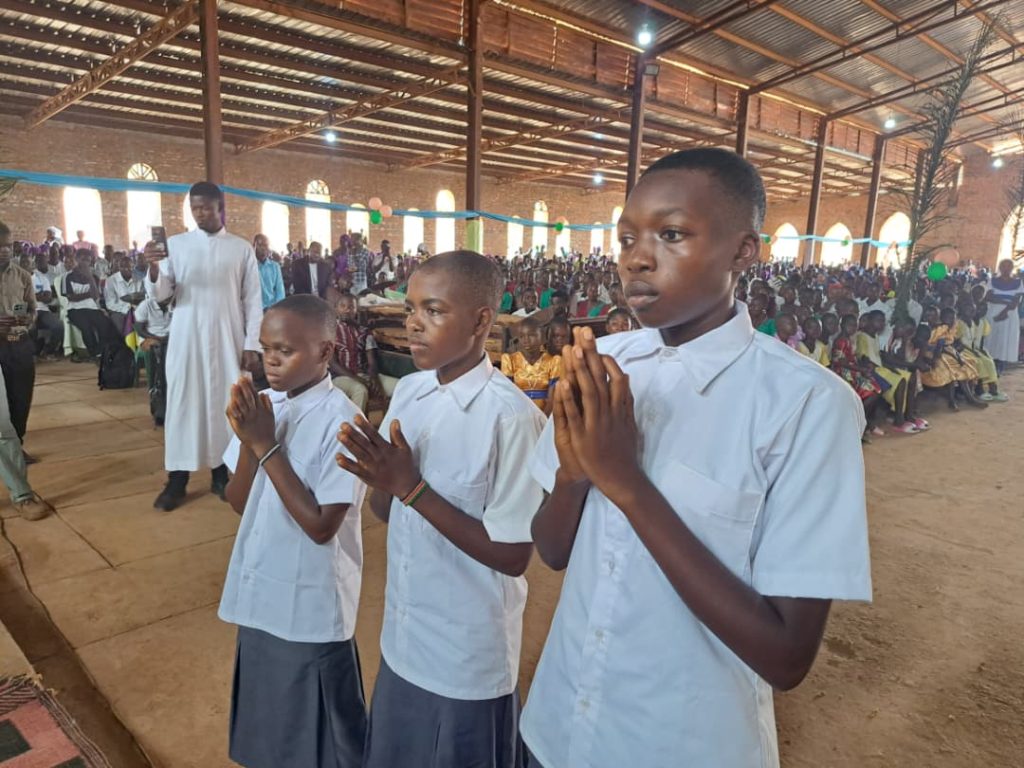
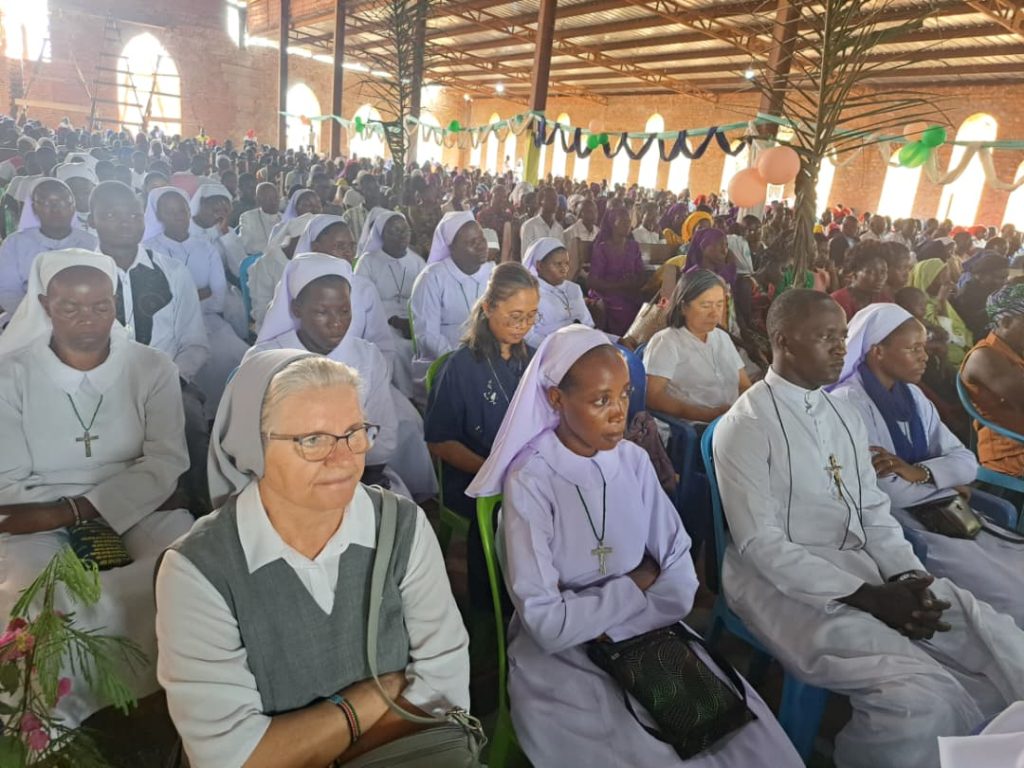
The celebration brought together priests, religious sisters and brothers, and lay faithful to honor the contribution of consecrated life to the Church and society.