By Baraka John
A new wave of agricultural transformation is beginning to take root in Yambio County as the Catholic Organization for Development and Peace establishes farmer groups to promote sustainable agriculture and strengthen food security in Western Equatoria State.
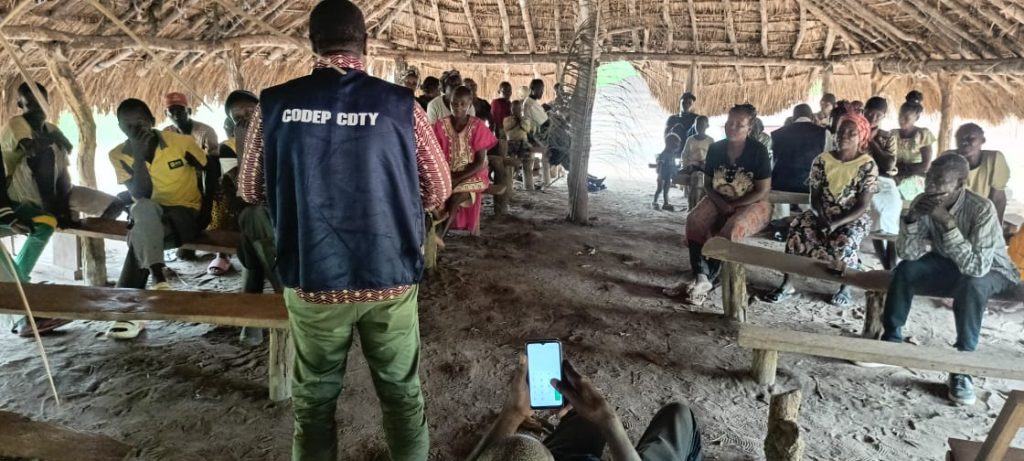
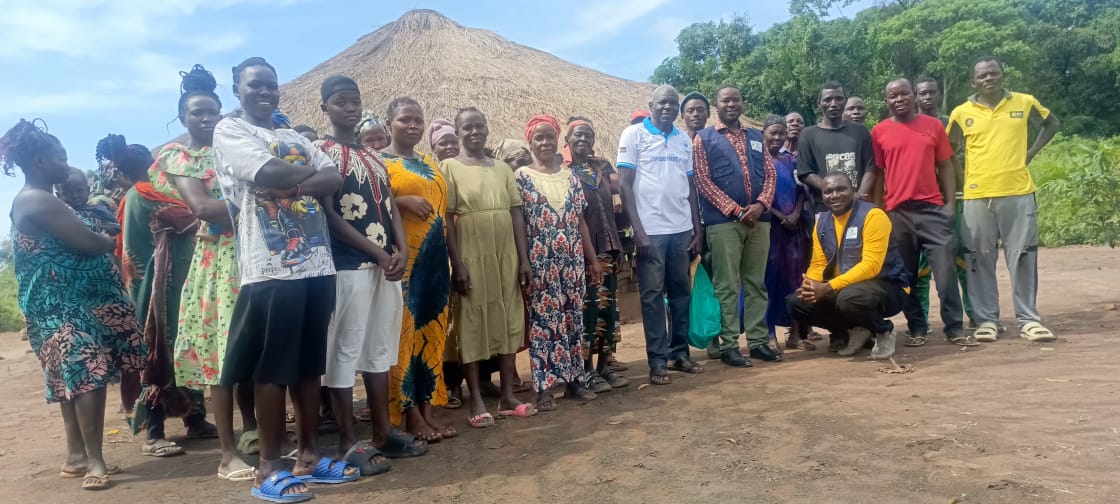
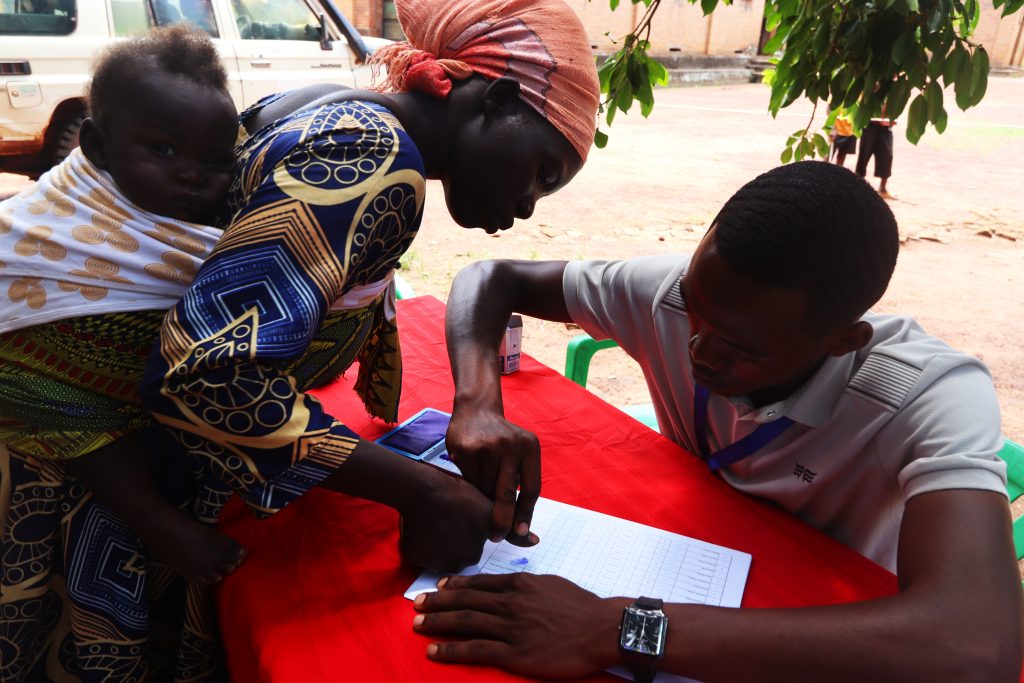
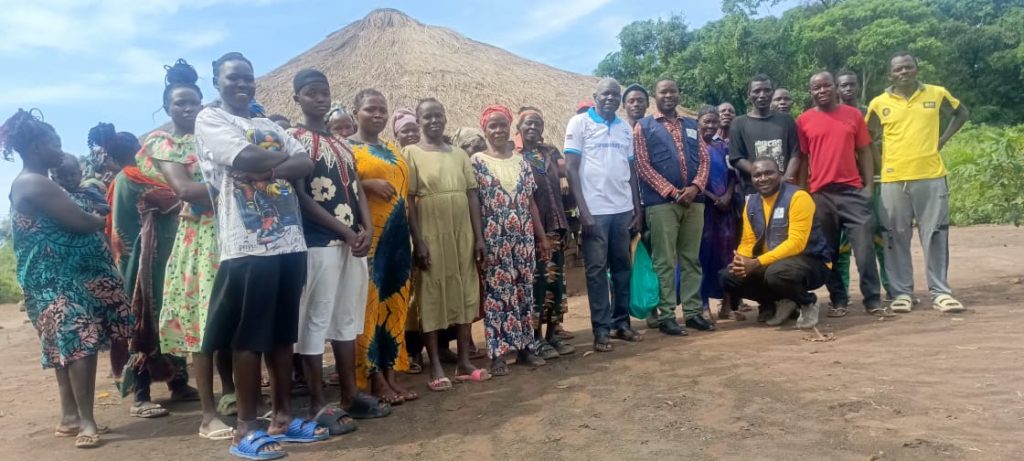
On April 16, 2026, CODEP formed organized groups of smallholder farmers in Uze (Bakiwiri) and Ngindo (Baguga) payams as part of its Strengthening Smallholder Farmers for Sustainable Self-Sufficiency Project. The initiative seeks to empower rural communities by improving agricultural productivity and enhancing livelihoods.
A total of 100 smallholder farmers have been enrolled in the community-based program, which focuses on building farmers’ capacity to become self-reliant while improving food availability across the region. The project is implemented by CODEP under the Catholic Diocese of Tombura-Yambio, with financial support from its international partner, Manos Unidas.
According to Project Officer Mamu John Badari, the program will establish demonstration farms where farmers will learn and practice improved agricultural techniques. Participants will also receive essential farming tools and improved seed varieties to increase crop productivity. In addition, the project will provide hands-on training in sustainable farming practices, supported by continuous monitoring, evaluation, and active engagement with key stakeholders to ensure lasting impact.
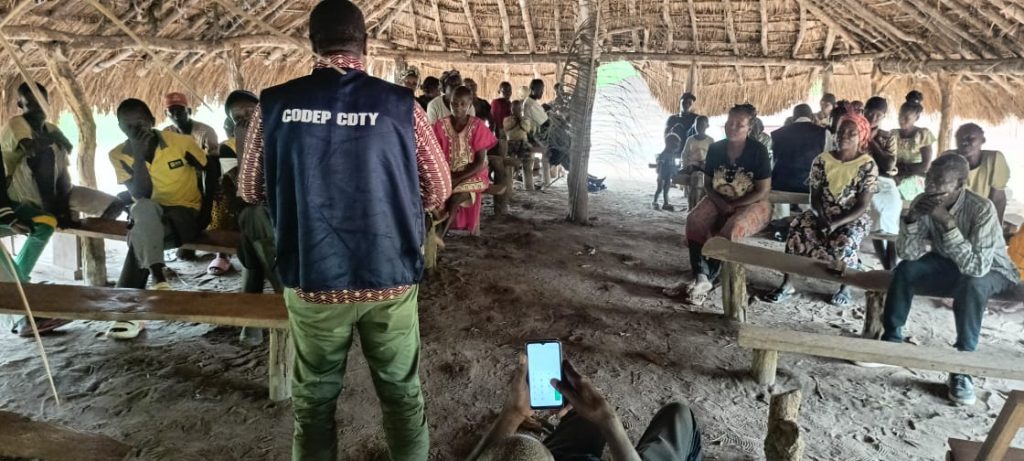
Prior to launching the project, a CODEP delegation led by Acting Director Odrande Taku and Project Officer Mamu John Badari met with county authorities on April 15, 2026, to discuss the project’s implementation. During the meeting, county leaders welcomed the initiative and emphasized the importance of supporting farmers with practical knowledge and resources.
The six-month program will also involve technical guidance from experts from the State Ministry of Agriculture, who will support farmers in adopting modern and sustainable farming methods. Beneficiaries will also participate in a learning visit to an established farm in Riimenze, where they will observe practical examples of improved agricultural practices.
Beyond farming, the initiative incorporates a broader humanitarian approach. Vulnerable households, including internally displaced persons, will receive food and non-food items to stabilize their living conditions while participating in agricultural activities. This integrated approach recognizes that food security requires both immediate relief for those in crisis and longer-term investment in agricultural productivity.
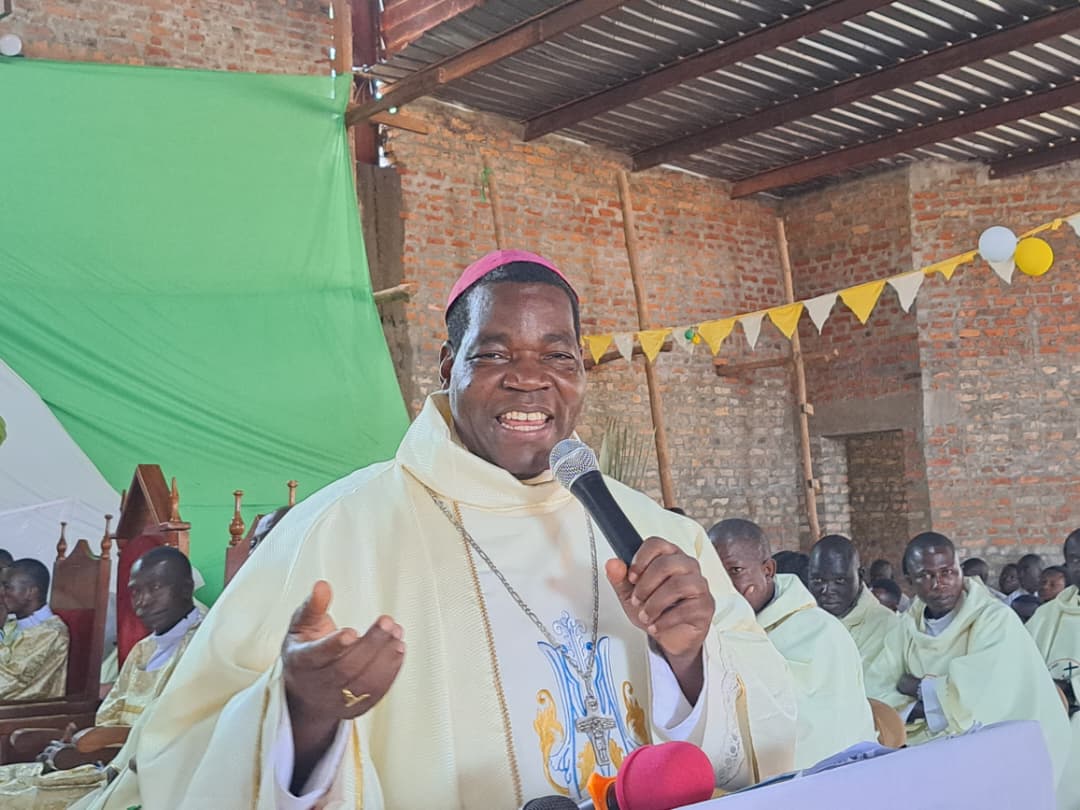
Residents of Uze (Bakiwiri) and Ngindo (Baguga) have warmly welcomed the project, expressing hope that it will improve food availability, strengthen household incomes, and promote self-reliance among farming families. Community members also extended appreciation to Bishop Barani Eduardo Hiiboro Kussala, Bishop of the Catholic Diocese of Tombura-Yambio, for his continued commitment to supporting communities during challenging times.
The Western Equatoria State Minister of Agriculture, Honorable Nagomoro Bridget, stressed the importance of ensuring that the project leaves lasting benefits for farmers. She encouraged implementing partners to develop strong exit strategies so that farmers can continue applying the knowledge and skills acquired through modern farming practices long after the project ends.
The Minister’s emphasis on sustainability reflects a growing recognition that agricultural development projects must do more than provide temporary inputs. They must build local capacity, strengthen farmer organizations, and create systems that can continue functioning independently after external support concludes.
The establishment of farmer groups represents a strategic approach to agricultural development. By organizing farmers into groups, the project enables collective learning, shared resources, and stronger bargaining power when accessing markets or negotiating with buyers. Farmer groups also provide a structure for ongoing peer-to-peer learning and mutual support that can outlast the formal project period.

The demonstration farms that will be established under the project serve multiple purposes. They provide practical learning environments where farmers can see improved techniques in action, test new approaches in controlled settings, and gain confidence before applying methods on their own land. They also serve as ongoing training sites that can benefit farmers beyond the initial 100 participants.
The inclusion of a learning visit to an established farm in Riimenze adds valuable exposure to successful farming practices. Seeing what other farmers have achieved can inspire participants, demonstrate that improvement is possible, and provide concrete examples of how to overcome common challenges.
The project’s focus on Yambio County is particularly strategic given the area’s agricultural potential and its role as a breadbasket for Western Equatoria State. By strengthening farming capacity in this productive region, the initiative can contribute not only to household food security but also to broader food availability across the state.
CODEP’s partnership with Manos Unidas reflects the ongoing collaboration between local Catholic development organizations and international Catholic solidarity agencies. This partnership enables CODEP to implement programs that combine global best practices with deep local knowledge and community trust built through the Catholic Church’s long-term presence in the region.
As the project unfolds over the next six months, the 100 participating farmers will serve as pioneers who can demonstrate to their communities that improved farming practices lead to better harvests, higher incomes, and greater food security. Their success can inspire wider adoption of sustainable agriculture across Yambio County and beyond, contributing to the agricultural transformation that Western Equatoria State urgently needs.