By Sr. Laurencila Akinyi, FSSA
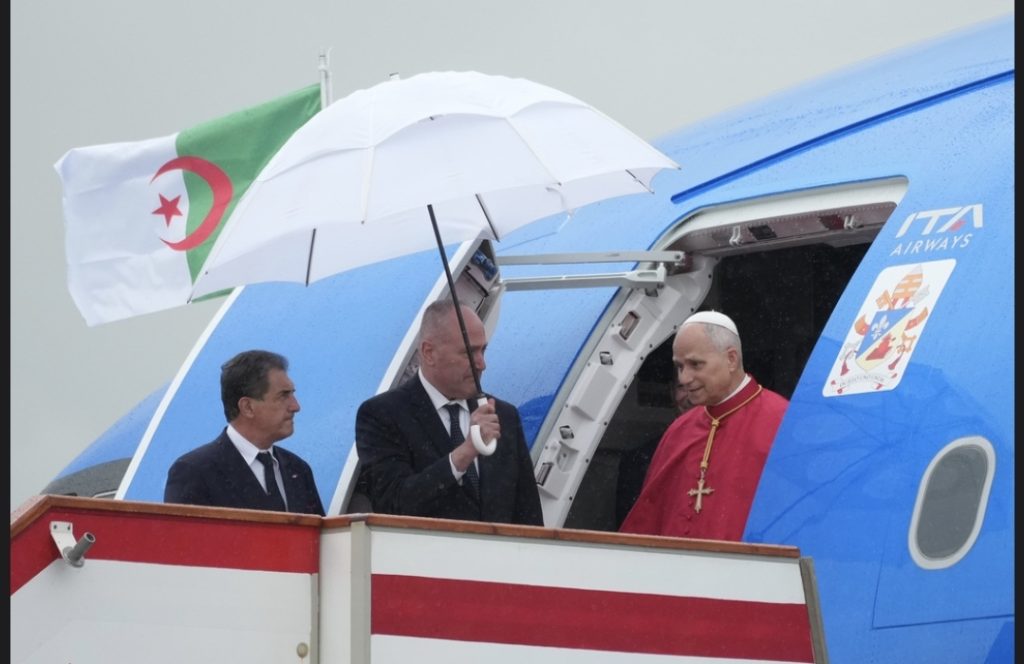
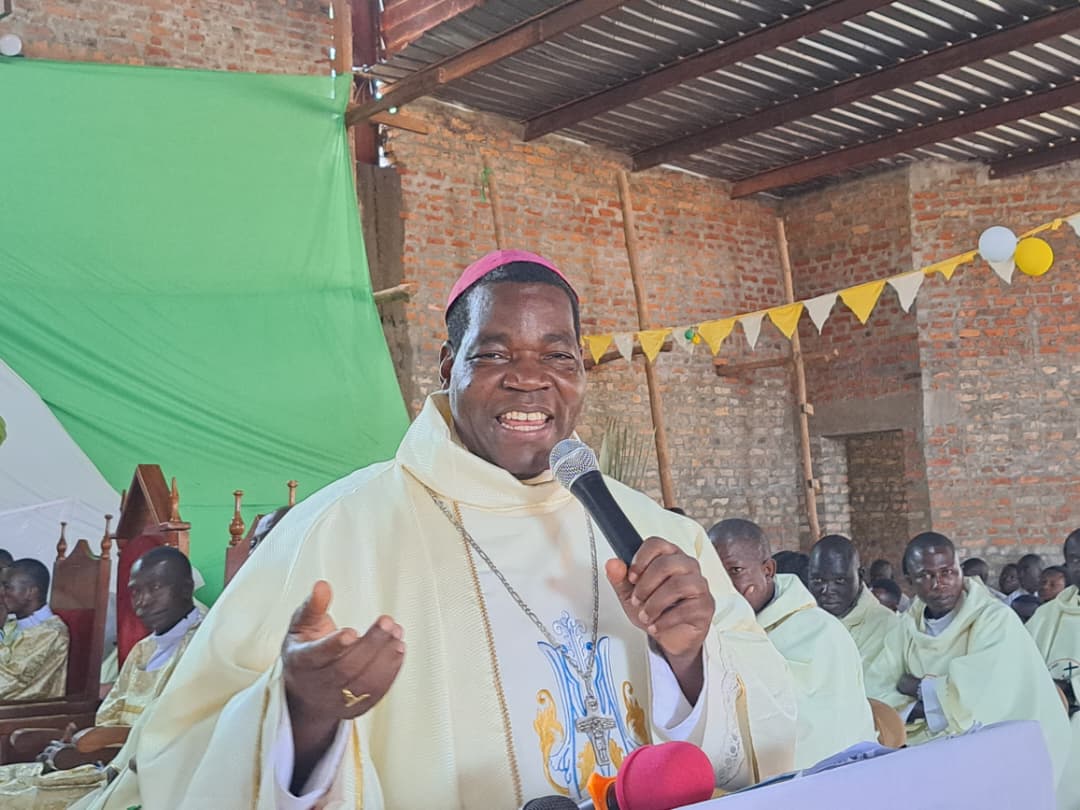
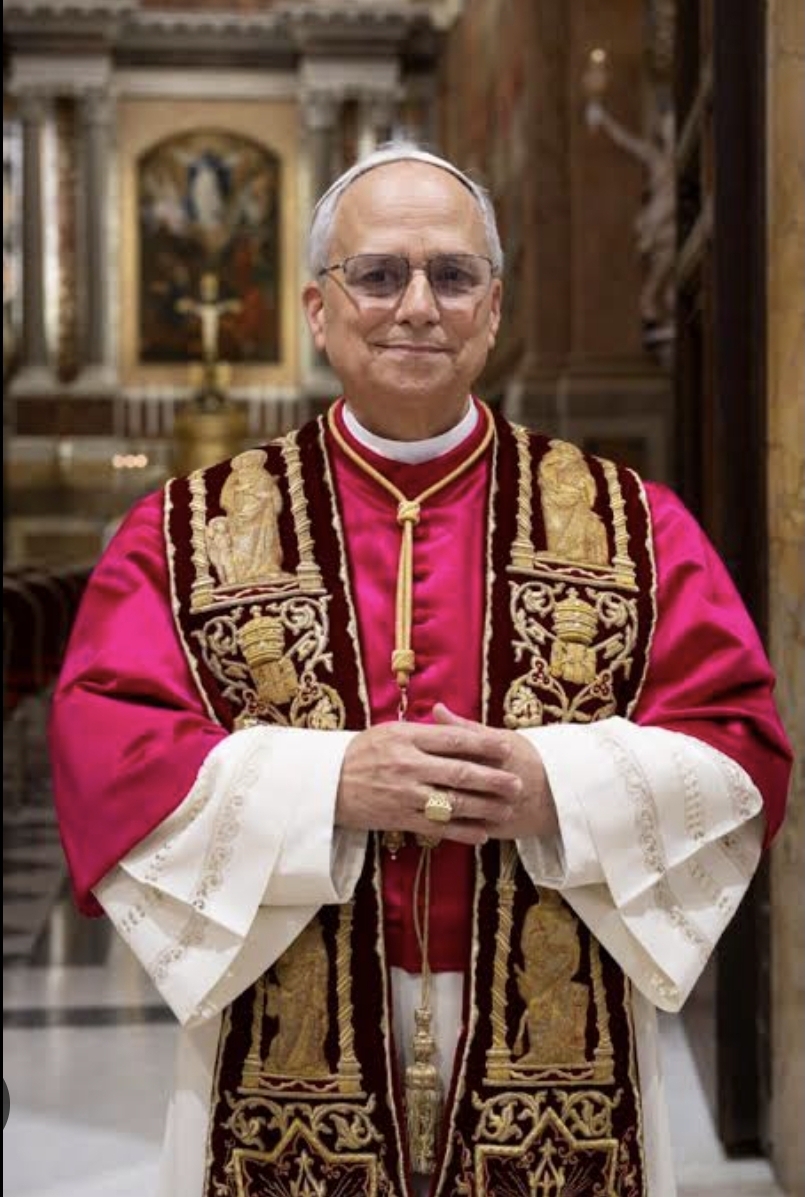
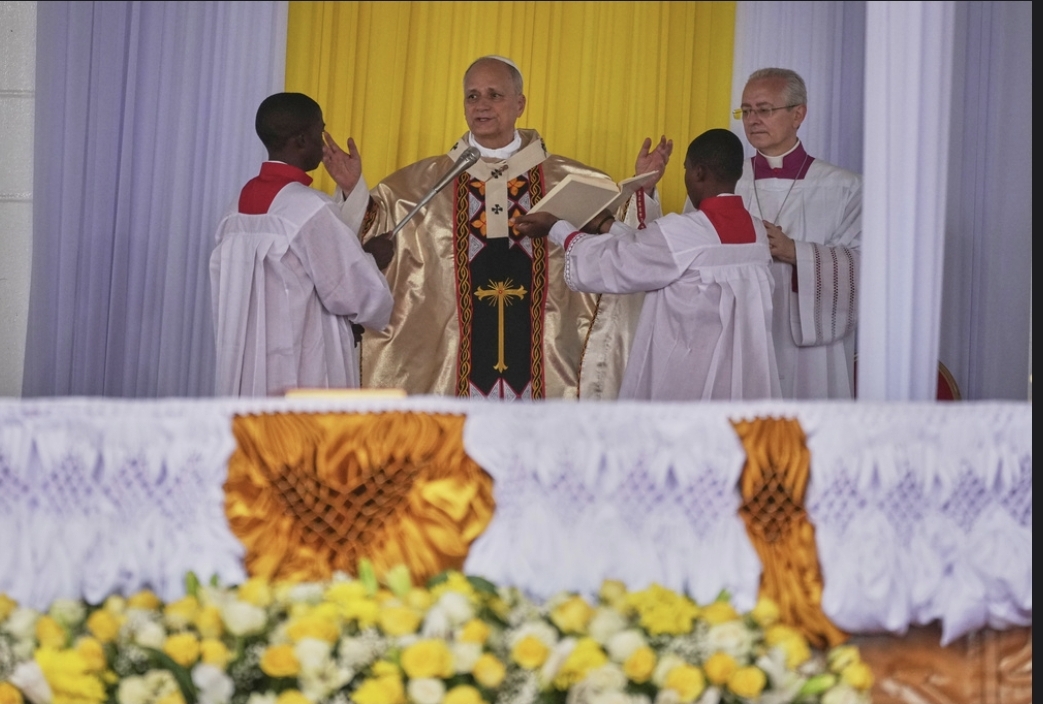
The Bishop of the Catholic Diocese of Tombura-Yambio, the Most Reverend Barani Eduardo Hiiboro Kussala, has issued a heartfelt message of gratitude following Pope Leo XIV’s historic first foreign visit to Africa, describing the Beatitudes as a prophetic roadmap for renewal on the continent and calling on Africans to move from words to action in building peace.
Writing from South Sudan, a nation still searching for the fullness of peace, Bishop Hiiboro expressed gratitude, memory, and a renewed sense of mission following the papal visit. He acknowledged that South Sudan remains indelibly marked by the historic visit of Pope Francis, whose love for the country was revealed in a gesture that will endure in history—when he knelt and kissed the feet of political leaders, transforming diplomacy into prophecy. That act, the Bishop said, remains a moral summons to the nation, a call to conversion, reconciliation, and the courageous building of peace.

Bishop Hiiboro, who also serves as Chair of the Commission for the Promotion of Integral Human Development for the Sudan and South Sudan Catholic Bishops’ Conference, described Pope Leo XIV’s first foreign visit to Africa as a decisive and grace-filled moment for the Church and the continent. From the moment the Pope touched African soil in Algeria, his direction became clear—he chose to dwell on the Beatitudes from the Gospel according to Saint Matthew, offering them as a living roadmap for Africa and the world.
The Beatitudes as Prophetic Vision
Central to the Pope’s message, Bishop Hiiboro noted, is Christ’s teaching: “Blessed are the peacemakers, for they shall be called children of God.” He described this Gospel vision as both consolation and mandate, emphasizing that in a continent rich in faith yet marked by wounds of conflict and fragile structures, the Beatitudes offer a prophetic key for reimagining leadership, society, and the mission of the Church.
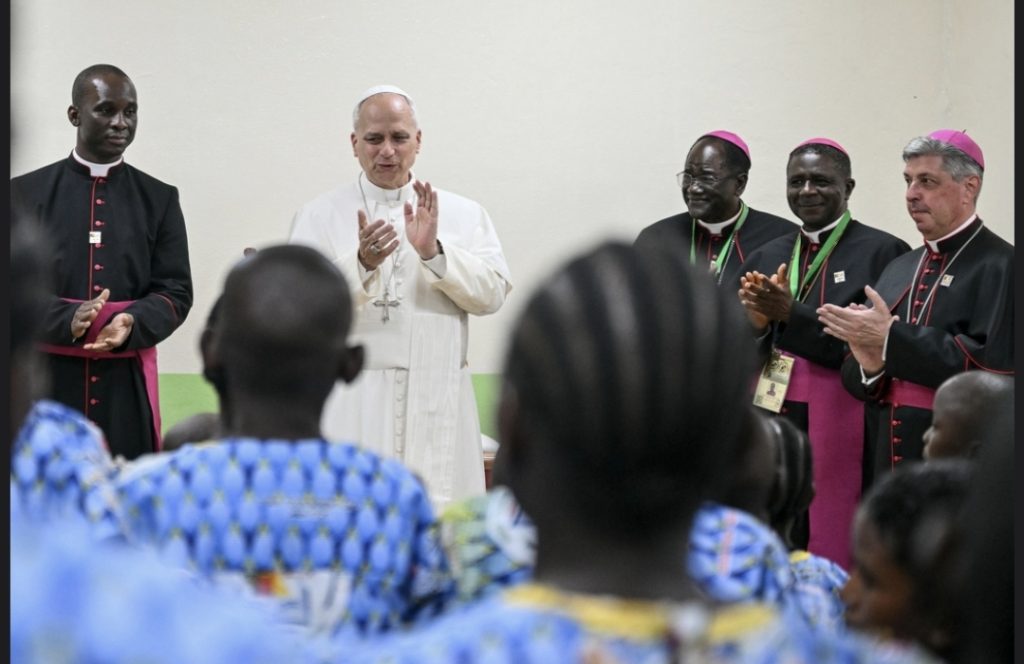
The Bishop praised the nations the Pope visited for representing the Church with dignity, vitality, and depth, saying their witness has shown a Church that is alive, youthful, and full of hope. He declared that this first visit will remain a moment of grace to be remembered and cherished.
Yet Bishop Hiiboro emphasized that the Holy Father does not come only to affirm but to awaken. Through the Beatitudes, he said, Pope Leo XIV redefines power and success, calling leaders to humility, nations to justice, and societies to mercy. The Pope reminds the world that peace is not the silence of weapons but the fruit of truth, justice, and respect for human dignity.
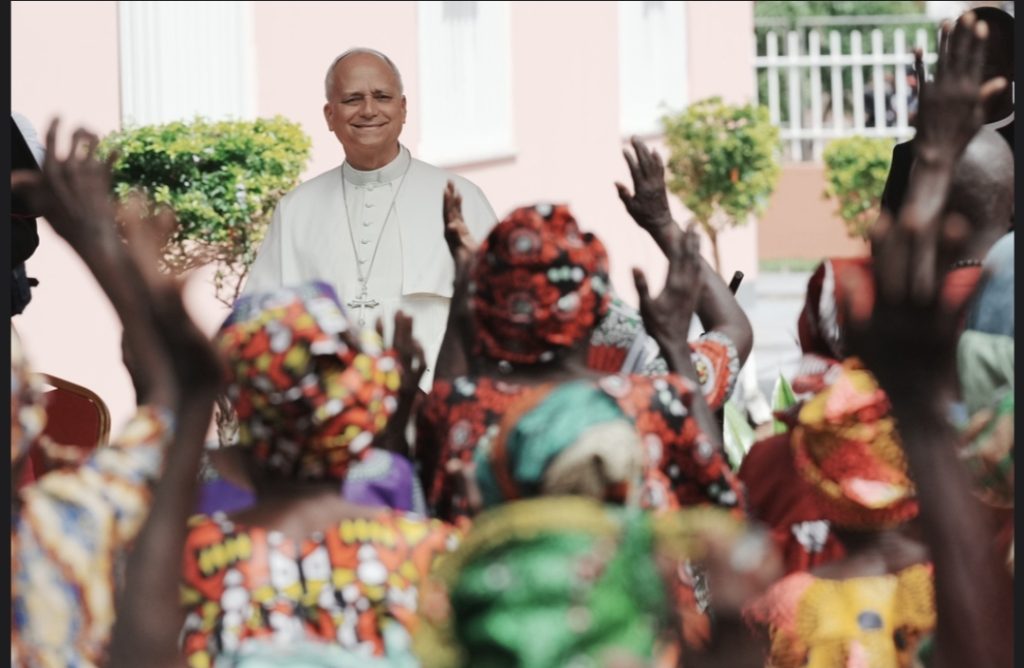
A Renewed Vision for Public Life
The Bishop highlighted that Pope Leo XIV offers a renewed vision of public life in which authority must be service, governance must seek the common good, and corruption, manipulation, and the misuse of religion must be rejected with clarity and courage. He quoted the Pope’s teaching that without encounter there is no politics, and without the other there is no justice.
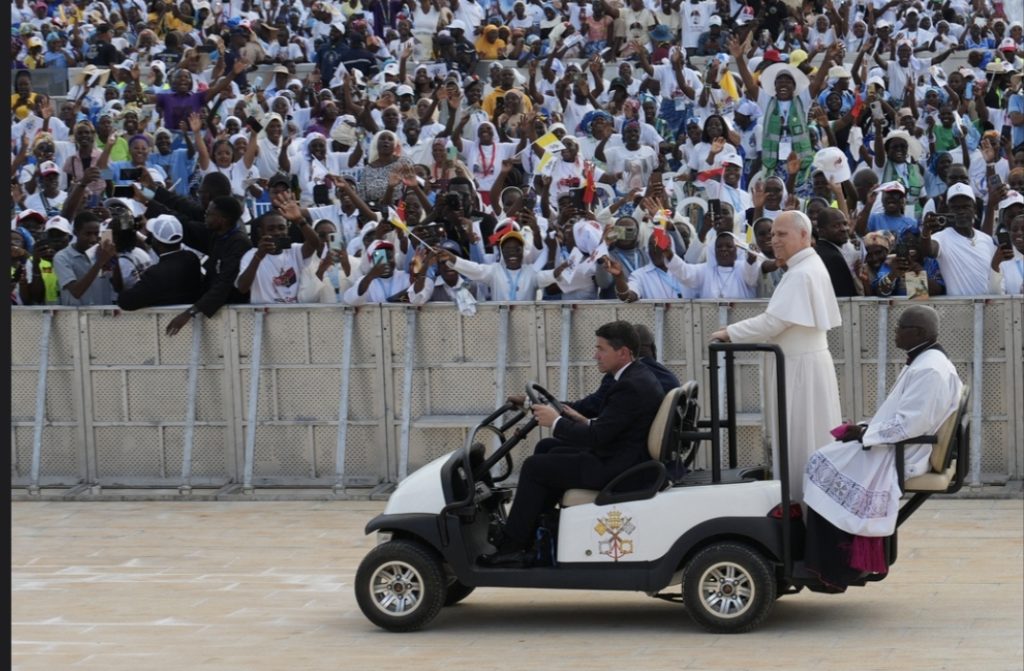
For South Sudan specifically, Bishop Hiiboro said this message is urgent. He acknowledged that the country’s journey toward peace remains fragile, yet affirmed that the Church is vibrant, growing, and filled with young people whose faith is a sign of hope. He said South Sudan continues to pray for unity, healing, responsible leadership, and opportunities for youth.
Continuity of Papal Teaching
Bishop Hiiboro placed Pope Leo XIV’s message in continuity with previous popes, noting that the voice of the Popes across time forms one call. He recalled that Pope John Paul II said, “Do not be afraid,” Pope Benedict XVI called Africa to “Rise and walk,” and Pope Francis showed the path of humility and fraternity. Now, he said, Pope Leo XIV places before Africa the Beatitudes as a way of life.
A Call to Action
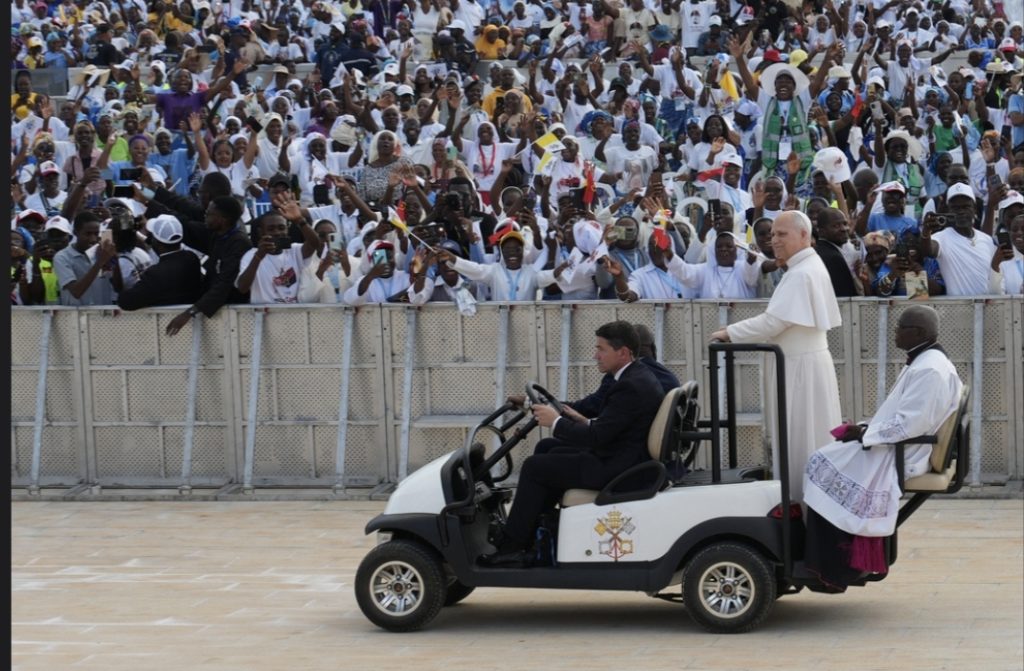
The challenge, Bishop Hiiboro emphasized, is clear: Africans must move from words to action. He outlined specific tasks: recovering the prophetic voice of the Church, forming leaders of conscience, accompanying the youth, building peace through dialogue and encounter, and above all, living what is proclaimed.
The Bishop declared that the Beatitudes now stand on African soil as a living path, with the teaching “Blessed are the peacemakers, for they shall be called children of God” defining both identity and mission for African Catholics.
With deep gratitude, Bishop Hiiboro thanked Pope Leo XIV and all the faithful in the nations he visited, saying their witness reflects the beauty of the Church as the Family of God and shows that Africa is a wellspring of faith and hope for the world.
Legacy and Future
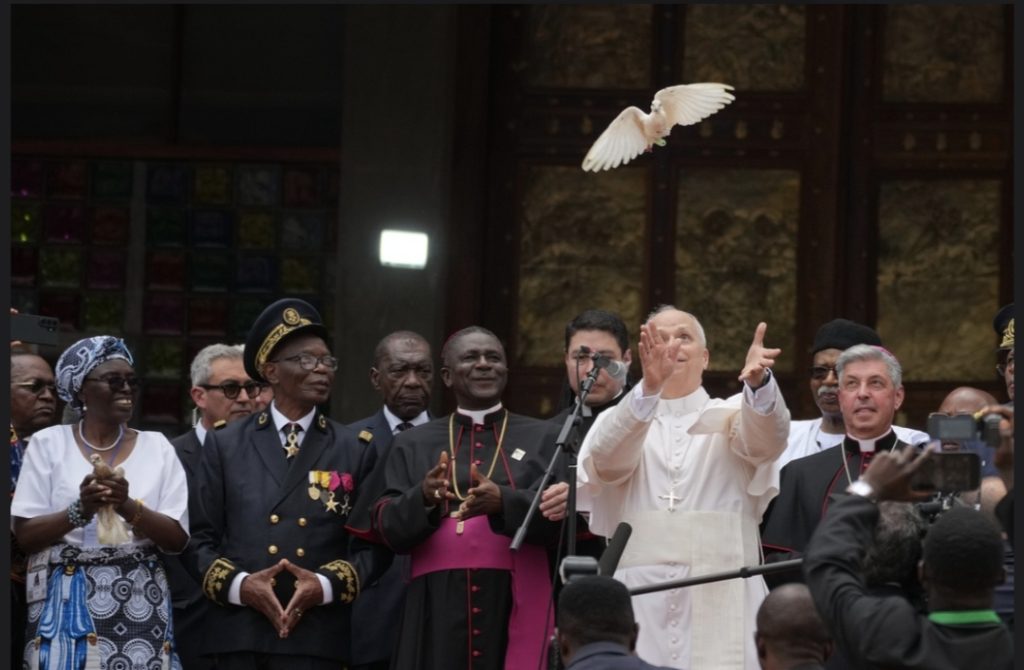
The Bishop concluded by stating that this visit will be remembered not only for its moments but for its meaning, with its true fruit to be seen in what Africans become as a result of the Pope’s prophetic message.
He ended with prayers that the Risen Lord bless Pope Leo XIV and his pontificate, bless Africa, bless South Sudan, and make all instruments of His peace.
Bishop Hiiboro’s message reflects the significance of papal visits to Africa in shaping the Church’s self-understanding and mission on the continent. By framing Pope Leo XIV’s visit through the lens of the Beatitudes, the Bishop offers a theological and pastoral vision for how African Catholics can respond to the challenges of conflict, poverty, corruption, and weak governance that afflict many nations.
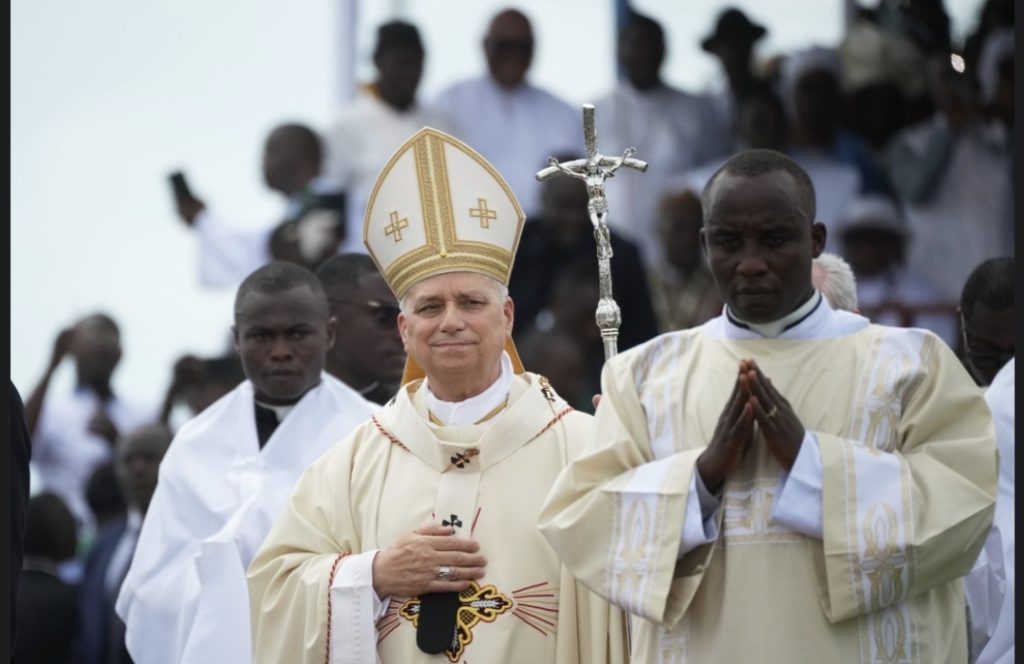
The emphasis on peacemaking is particularly relevant for South Sudan, where the Catholic Church has been a leading voice for reconciliation and a key provider of essential services in education, healthcare, and humanitarian assistance. Bishop Hiiboro’s call to move from words to action echoes his consistent leadership in promoting integral human development, social justice, and peace across South Sudan and the wider region.
As the Catholic Church in Africa continues to grow rapidly and assert its voice in global Catholicism, papal visits and messages like those of Pope Leo XIV provide crucial guidance for how the Church can contribute to building more just, peaceful, and prosperous societies across the continent.