ByWaure Eddy
Farmers from Uze and Ngindo payams have officially embarked on planting activities following months of intensive training on sustainable agriculture organized by the Catholic Organization for Development and Peace with funding support from Manos Unidas, marking the translation of classroom learning into productive field work.
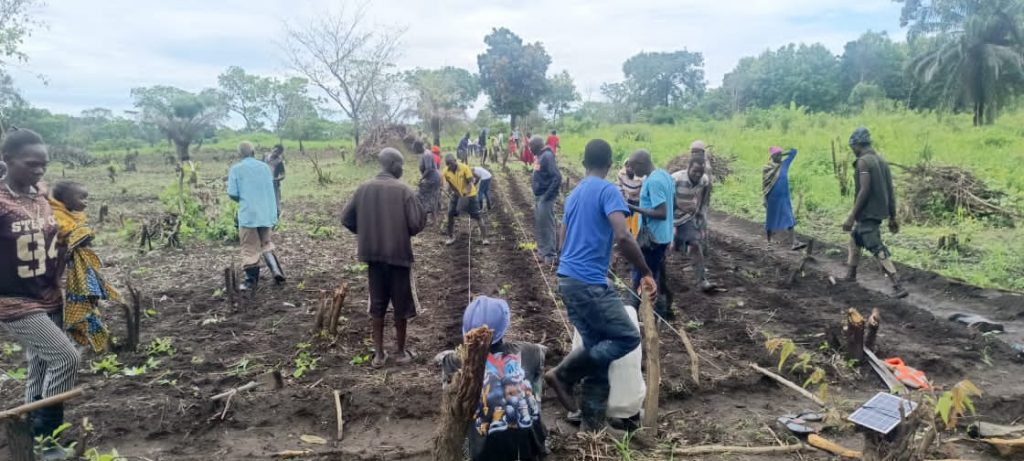
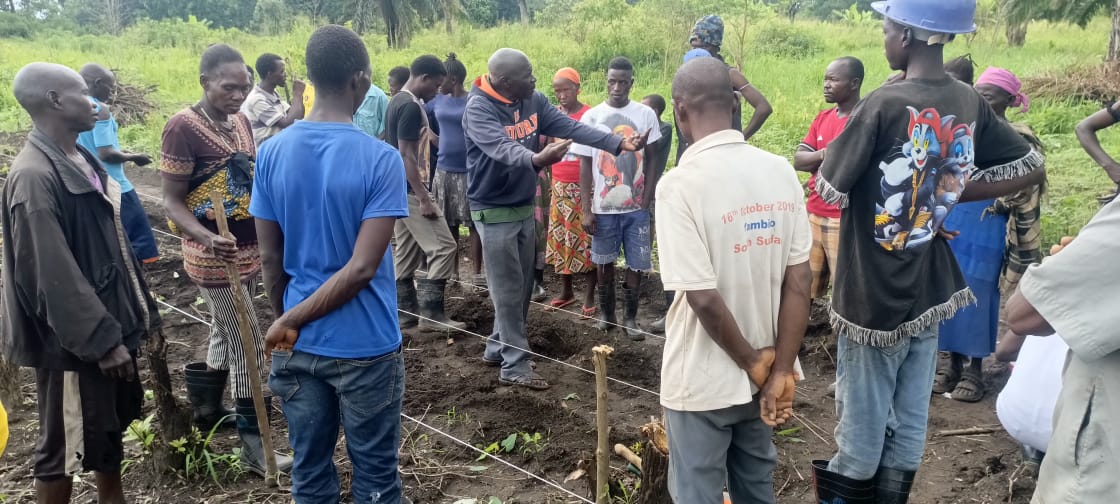
The two farmer groups successfully completed a comprehensive series of training sessions covering sustainable cultivation practices, improved seed varieties, land preparation, best agricultural practices, and agronomy techniques that laid the groundwork for their current planting activities. On Tuesday and Wednesday, farmers from both groups planted maize as their initial crop, with subsequent plantings of sorghum, millet, and other seeds planned for the second season.
The transition from training to implementation represents a critical stage in agricultural development projects, where knowledge must be converted into consistent field practice to achieve improved yields and household food security.
Mr. Marcello Babitimo, an agriculture specialist from the SARD Institute, praised the farmers for applying the lessons learned during training. He expressed happiness to see farmers implementing what they have learned, urging them to continue with spirit and dedication while emphasizing that knowledge alone is insufficient without serious commitment to application.
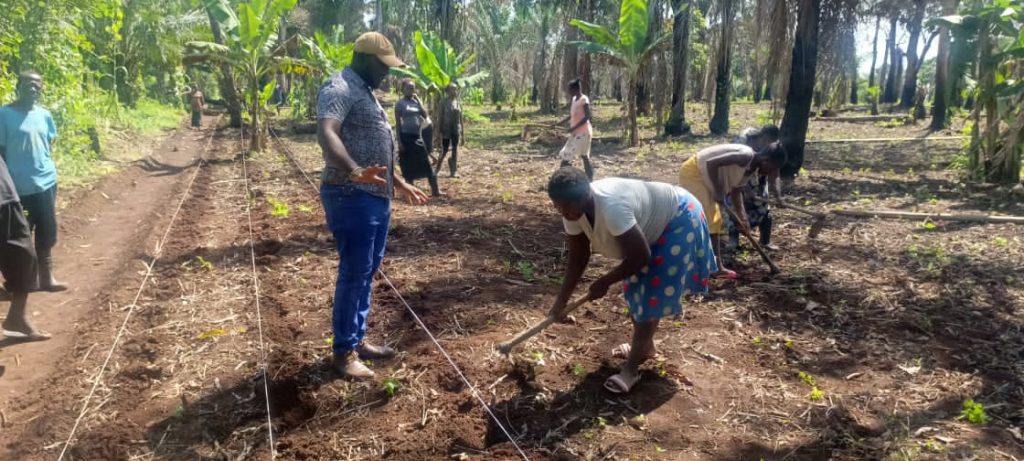
Babitimo stressed the importance of discipline and the rejection of laziness in farming, noting that successful farming requires seriousness with every step taken. He declared that farming cannot succeed when approached with laziness or half-hearted effort, challenging farmers to maintain high standards throughout the growing season.
Project Manager Mamu John emphasized the critical importance of consistency and careful monitoring of planted crops. He expressed happiness to see both farmer groups progressing well with their plantation activities, urging them to look carefully at their plantations to ensure proper germination through regular checking and maintenance.
John reminded farmers to apply the training received before expecting harvest, emphasizing that the facilitator’s teachings must be implemented well to achieve better results at harvest time. He stressed that the effort farmers put into applying improved practices now will determine the quality of their harvest in coming months.
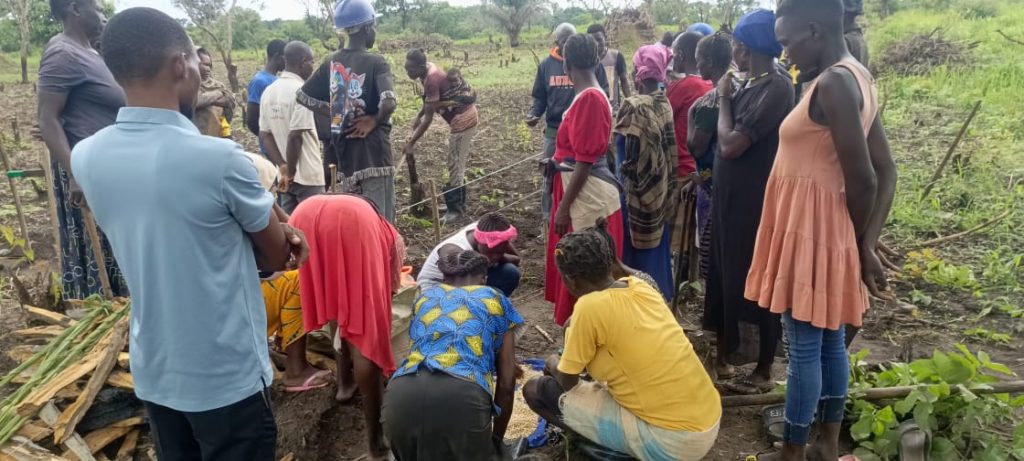
John also highlighted the connection between successful project completion and donor support, noting that successful completion of this project would encourage donors to continue supporting similar agricultural initiatives in the future. This recognition underscores how farmer success contributes to sustaining funding for development programs.
CODEP continues to engage communities across Western Equatoria State with productive agricultural activities, reinforcing resilience and food security through structured capacity building and resource provision. The progress of Uze and Ngindo farmers demonstrates how the combination of structured training, improved seeds and tools, and ongoing technical support can transform livelihoods and increase household agricultural productivity.
The Uze and Ngindo farmer training represents part of CODEP’s broader Strengthening Smallholder Farmers for Sustainable Self-Sufficiency Project, funded by Manos Unidas. The project emerged from recognition that many smallholder farmers, despite having access to land, lack the knowledge and resources necessary to apply improved agricultural practices that could significantly increase their productivity and household food security.
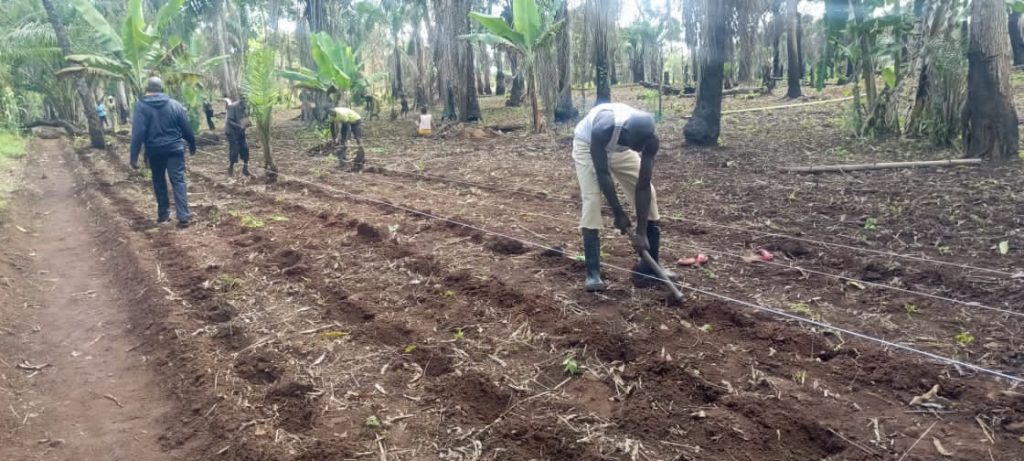
By providing training combined with distribution of improved seeds and agricultural tools, CODEP addresses multiple constraints simultaneously. Farmers gain knowledge through training, acquire improved seed varieties through distribution, and receive tools necessary to apply new practices. This comprehensive approach increases the likelihood of successful adoption.
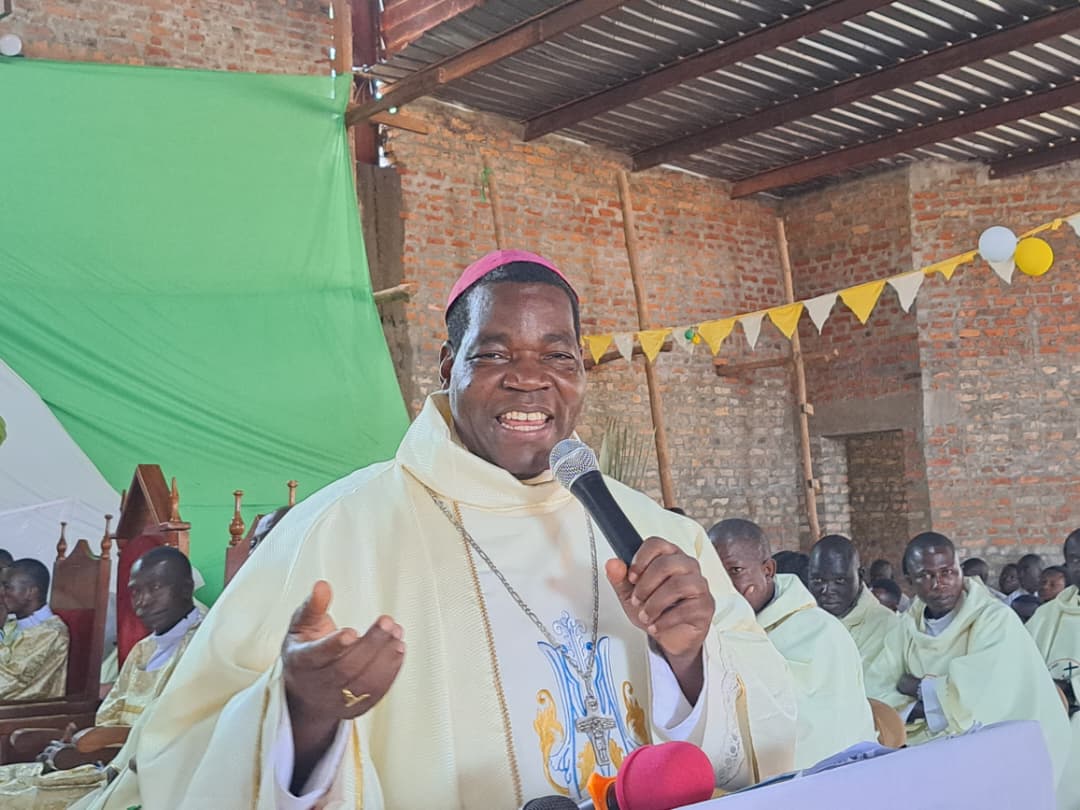
The Uze and Ngindo farmer initiative aligns with Bishop Barani Eduardo Hiiboro Kussala’s vision that the Catholic Diocese of Tombura-Yambio become food sufficient. By enabling farming households to increase their agricultural productivity through improved knowledge and resources, the diocese contributes to reducing food insecurity and creating conditions where families can achieve basic food security from their own production.
The Bishop has emphasized that parish priests should become agricultural extension leaders in their areas, and projects like this provide concrete tools and models that priests can use to inspire and guide their communities toward improved agricultural practice.
The transition from training to field implementation is a critical stage in any agricultural development project. Training alone, without follow-up support and monitoring, often fails to produce lasting behavior change. The presence of project managers like Mamu John who emphasize consistency and careful monitoring increases the likelihood that farmers will maintain discipline throughout the growing season and achieve the improved yields that justify their investment of time and labor.
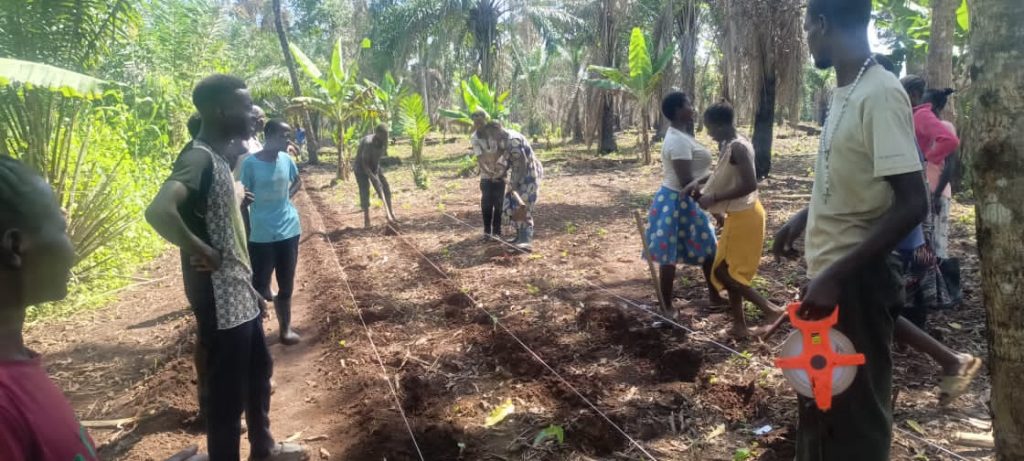
The emphasis on applying training principles throughout the growing season reflects understanding that improved agriculture requires not just initial knowledge but ongoing attention to detail, regular monitoring, and consistent application of practices learned.
The mention that farmers received seeds and tools during training addresses a common constraint in smallholder agriculture—knowledge of improved practices means little if farmers lack access to improved seeds or the tools necessary to prepare land and manage crops effectively. By combining training with resource distribution, CODEP removes barriers that would otherwise prevent farmers from applying what they learned.
The success of Uze and Ngindo farmers serves as demonstration that can inspire neighboring farming communities. As these farmers achieve improved yields through application of training, they become living proof that improved practices work. Their farms become demonstration sites where other farmers can observe improved techniques in action and gain confidence to adopt similar practices.
The plan to plant maize initially, followed by sorghum, millet, and other seeds in subsequent seasons, reflects good agricultural practice that diversifies crop production and spreads workload across the growing season. Crop diversification reduces risk by ensuring that if one crop fails due to weather or pests, other crops may succeed. It also provides greater variety of foods for household consumption and market sale.
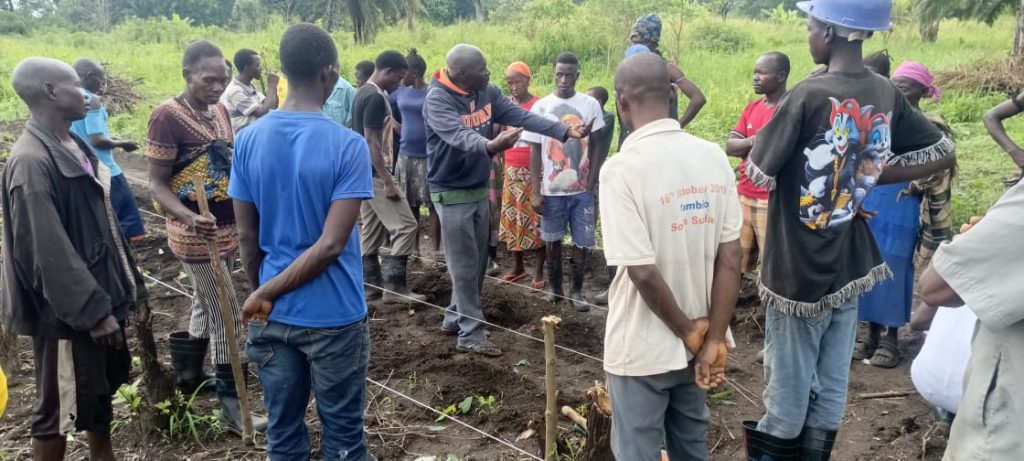
As Uze and Ngindo farmers move through the growing season, their success will be measured not only by yields harvested but by the extent to which they continue applying improved practices, maintain discipline and consistency, and serve as models inspiring other farmers in their communities to adopt similar approaches.
The Catholic Organization for Development and Peace, with support from Manos Unidas and local partners, remains committed to supporting these farmers through the growing season and documenting lessons learned that can inform future agricultural development initiatives across Western Equatoria State.
The progress of these 100 farmers across Uze and Ngindo represents more than individual household improvements. It contributes to broader diocesan and national goals of achieving food security, reducing poverty, and building communities capable of meeting their own basic needs through productive work and sustainable resource management.