By Waure Eddy
St. Theresa Mission Hospital in Nzara has initiated a comprehensive awareness campaign targeting the Catholic Diocese of Tombura-Yambio to strengthen precautionary measures against ongoing Ebola outbreaks in the Democratic Republic of Congo and Uganda, emphasizing prevention and vigilance even as South Sudan remains free of confirmed cases.
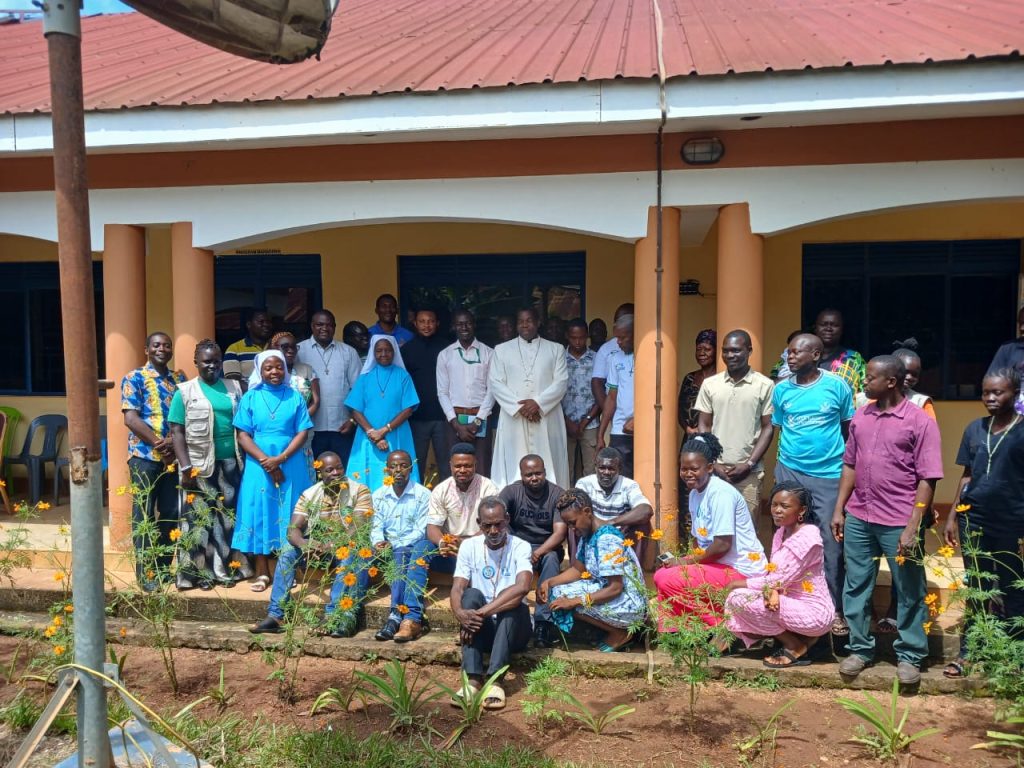
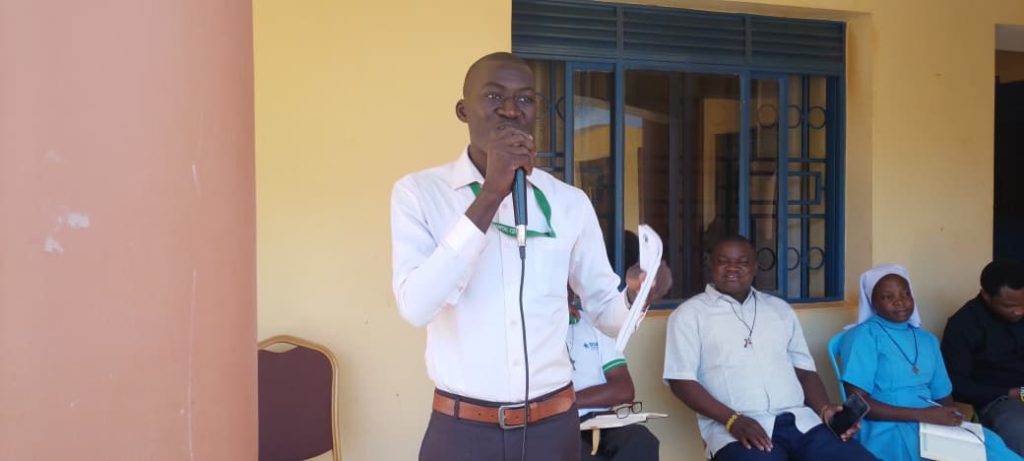
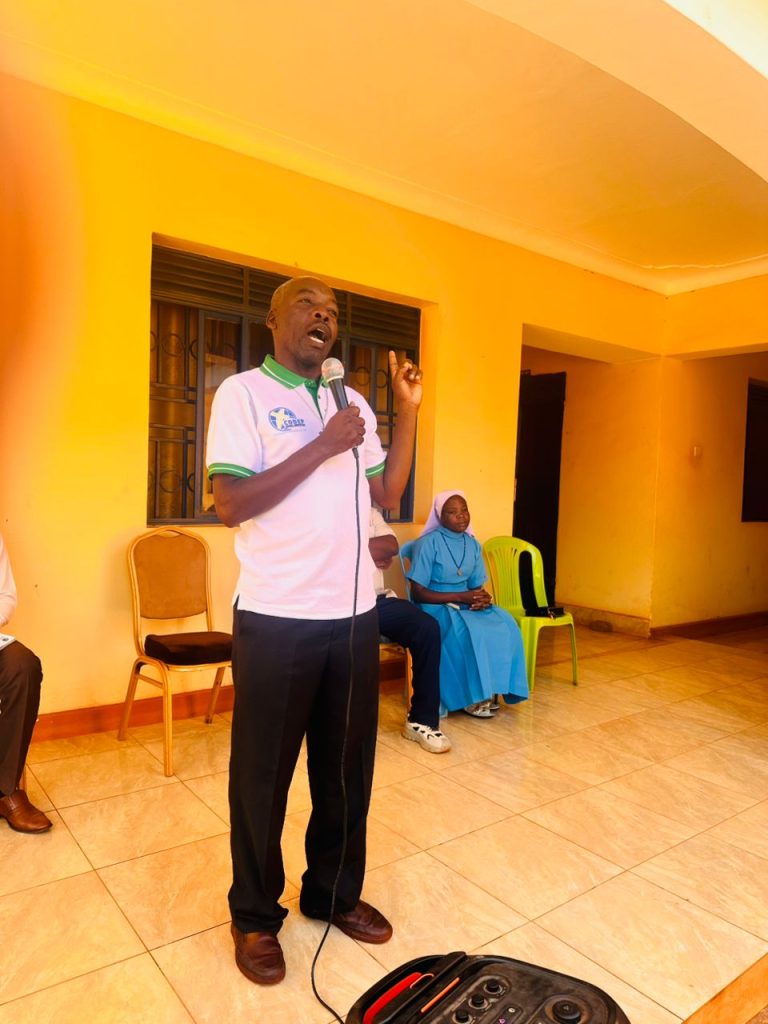
The awareness session, held Thursday at the Bishop’s Residence Curia, comes as regional health concerns mount following confirmed Ebola cases in neighboring countries. South Sudan, which experienced its first recorded Ebola outbreak in 1976 in Nzara County, remains particularly vigilant given the country’s proximity to affected regions and the historical significance of the disease in its territory.
Alarming Regional Statistics
Public Health Officer and trained Clinical Officer Mr. Bagayowia Dominic from St. Theresa Mission Hospital shared concerning statistics on the current situation. As of May 26, 2026, the Democratic Republic of Congo has reported 1,077 suspected cases, with 121 confirmed by the World Health Organization and 256 deaths, while Uganda has recorded 7 suspected cases with 1 confirmed death.
Despite these alarming figures in neighboring countries, Dominic emphasized that South Sudan has not yet confirmed cases of Ebola but stressed the critical importance of community awareness and adoption of preventive measures.
Preventive Measures and Safety Protocols
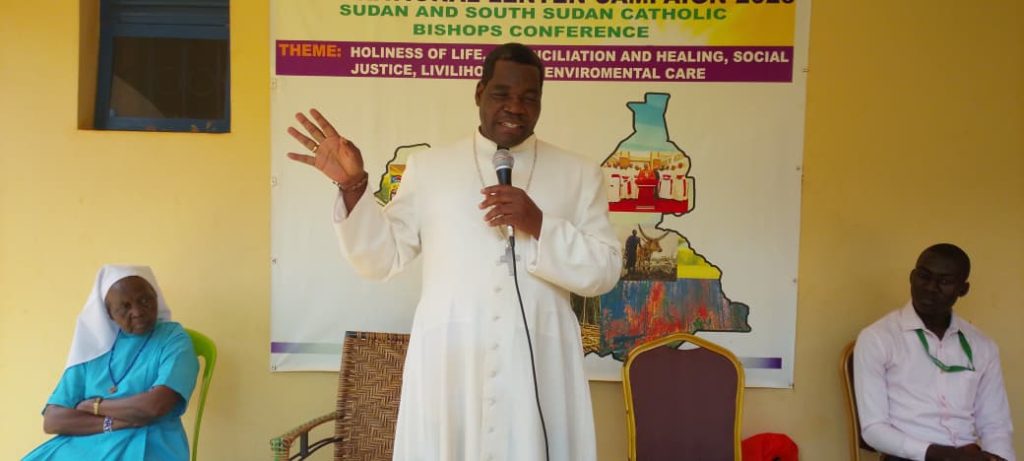
Mr. Dominic urged staff of the Catholic Diocese of Tombura-Yambio and communities across Western Equatoria State to adopt strict preventive measures, including regular handwashing, avoiding direct and indirect contact with bush meat, and refraining from eating fruits contaminated by wild animals. He stressed that these simple practices can significantly reduce transmission risk.
He further advised that suspected cases should be immediately isolated for 21 days, with samples sent to laboratories for confirmation. He identified common symptoms of Ebola as fever, headache, general body weakness, and poor appetite, noting that early identification is crucial for containing potential outbreaks.
Dominic also stressed the importance of establishing handwashing facilities at workplaces and homes, making basic hygiene accessible to all community members as a first line of defense against transmission.
Bishop’s Call for Vigilance and Action
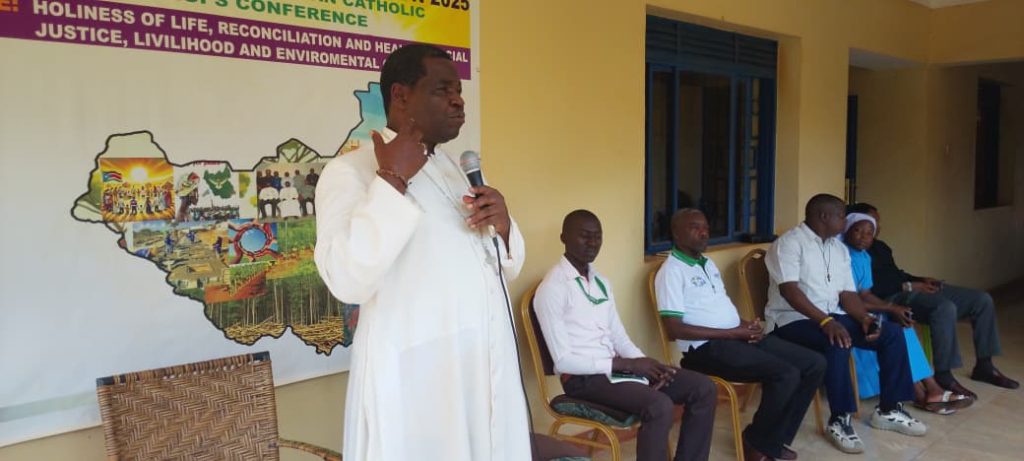
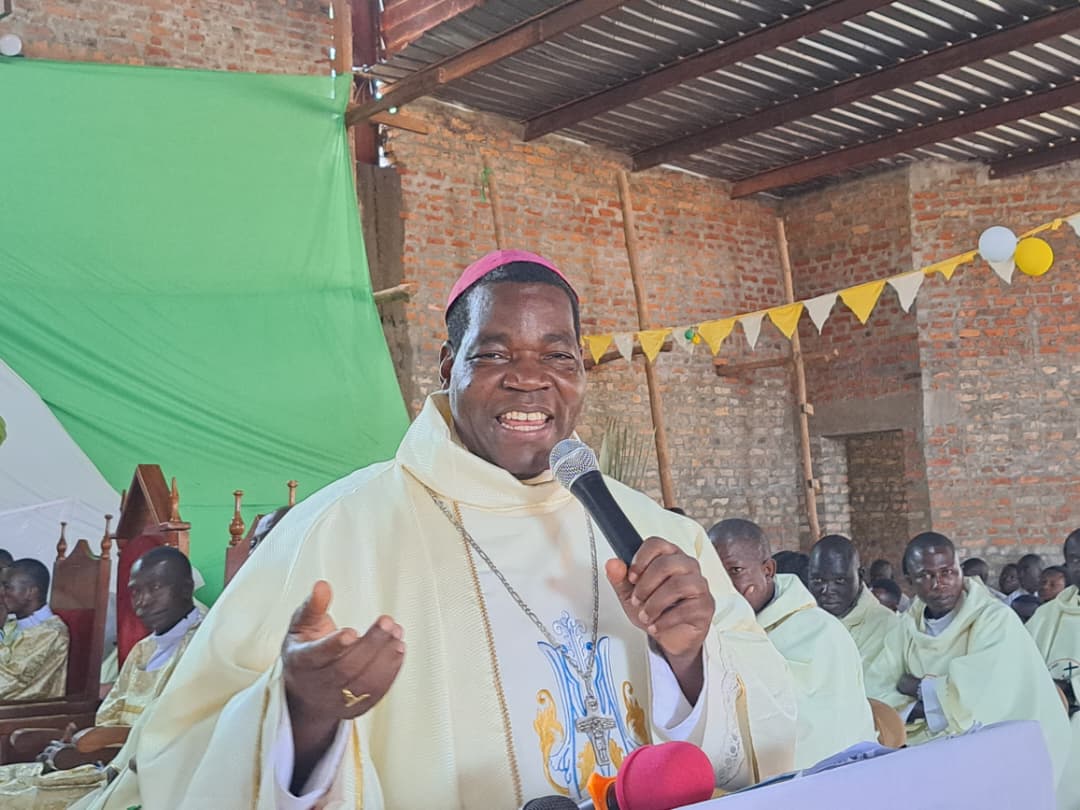
Bishop Barani Eduardo Hiiboro Kussala expressed gratitude to St. Theresa Mission Hospital and CODEP for spearheading the awareness initiative, recognizing the importance of proactive health education. He reminded all participants of the fundamental need for vigilance, noting that God created human beings differently and that new diseases are continually being discovered that can destroy human health.
The Bishop emphasized the need for protective measures, stressing that communities must take responsibility for their own safety. He acknowledged the reality and danger of Ebola, calling it a disease that is truly dangerous and requires careful attention during daily activities.
Bishop Hiiboro urged government authorities, international partners, communities, and scientists to intensify research and awareness campaigns on Ebola, highlighting the disease’s potential danger to daily life and community health systems. His call reflects recognition that fighting emerging infectious diseases requires coordinated effort across multiple sectors.
Community Reporting and Awareness
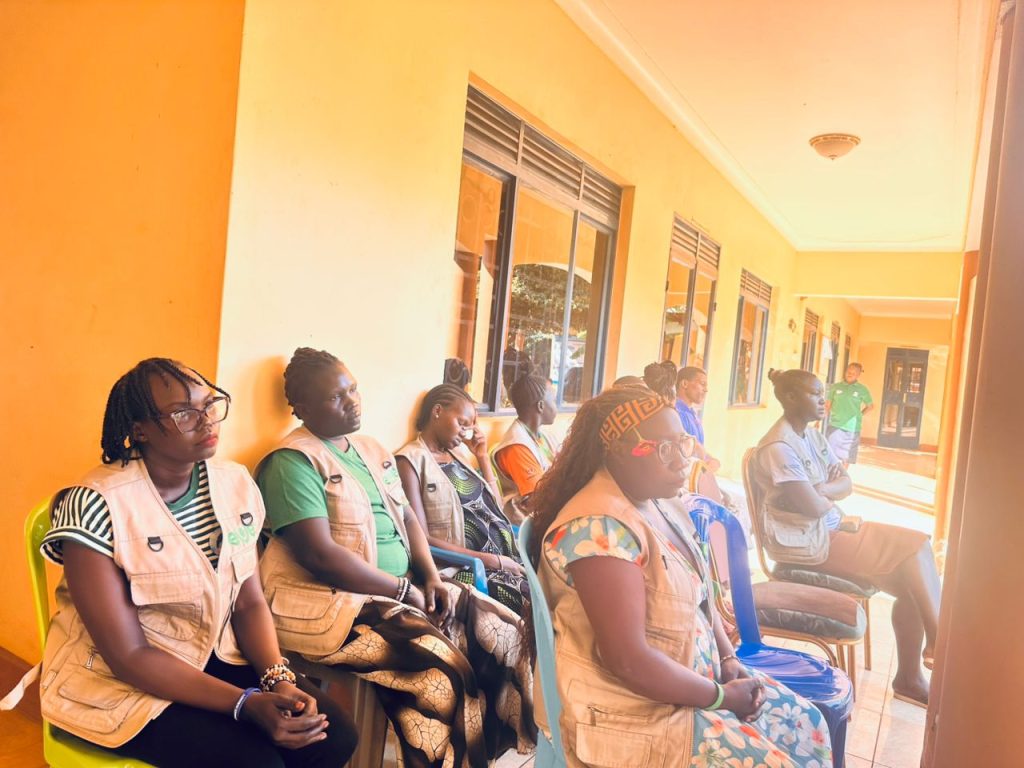
The Bishop concluded by encouraging communities, civil society organizations, and non-governmental organizations to report suspected cases promptly to health authorities. He called for frequent awareness sessions conducted in all local languages, ensuring that health messages reach all community members regardless of educational background or language proficiency.
This emphasis on multilingual communication reflects understanding that effective public health response requires messaging that reaches people in their own languages and cultural contexts.
Attendance and Partnership
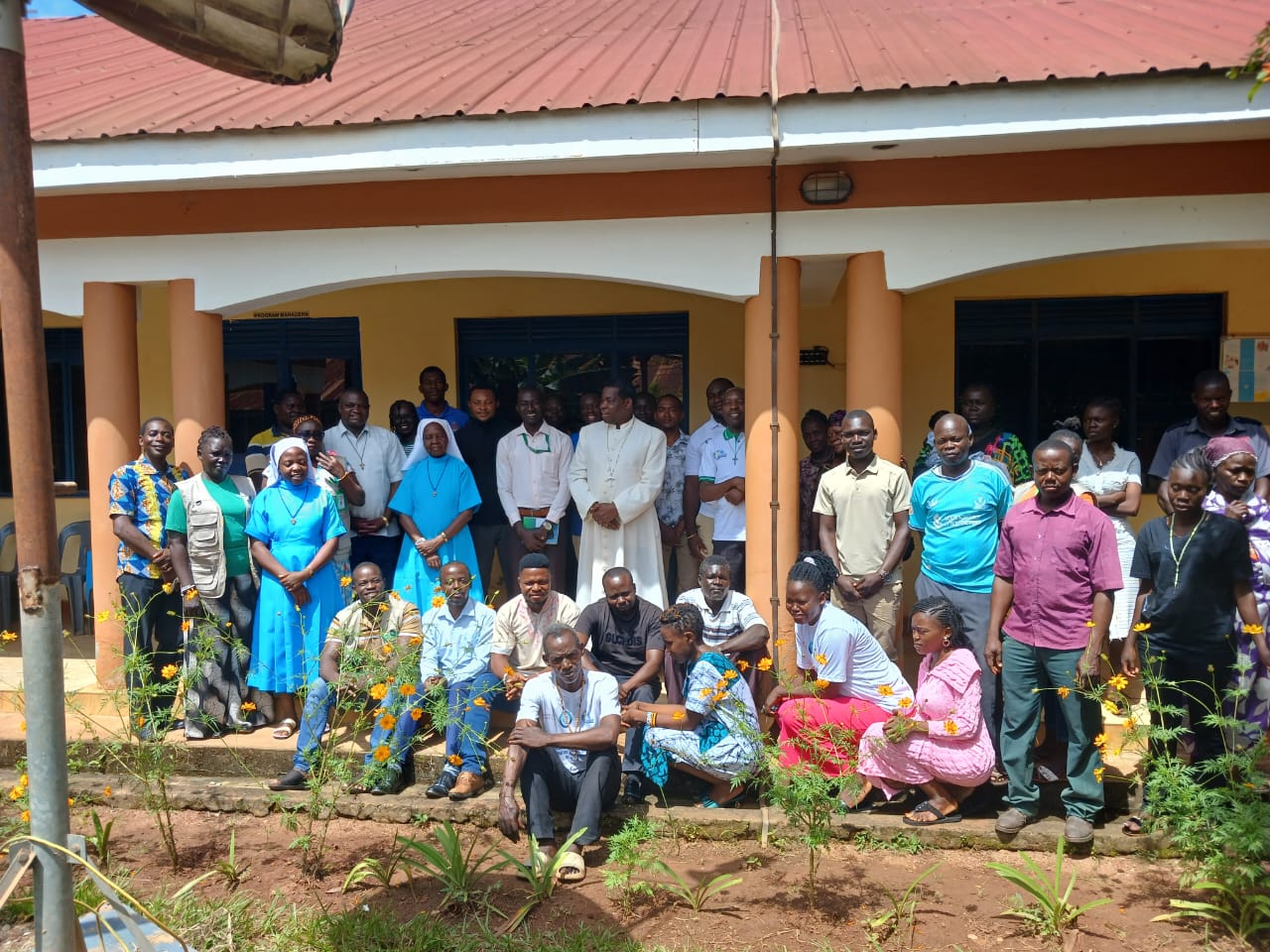
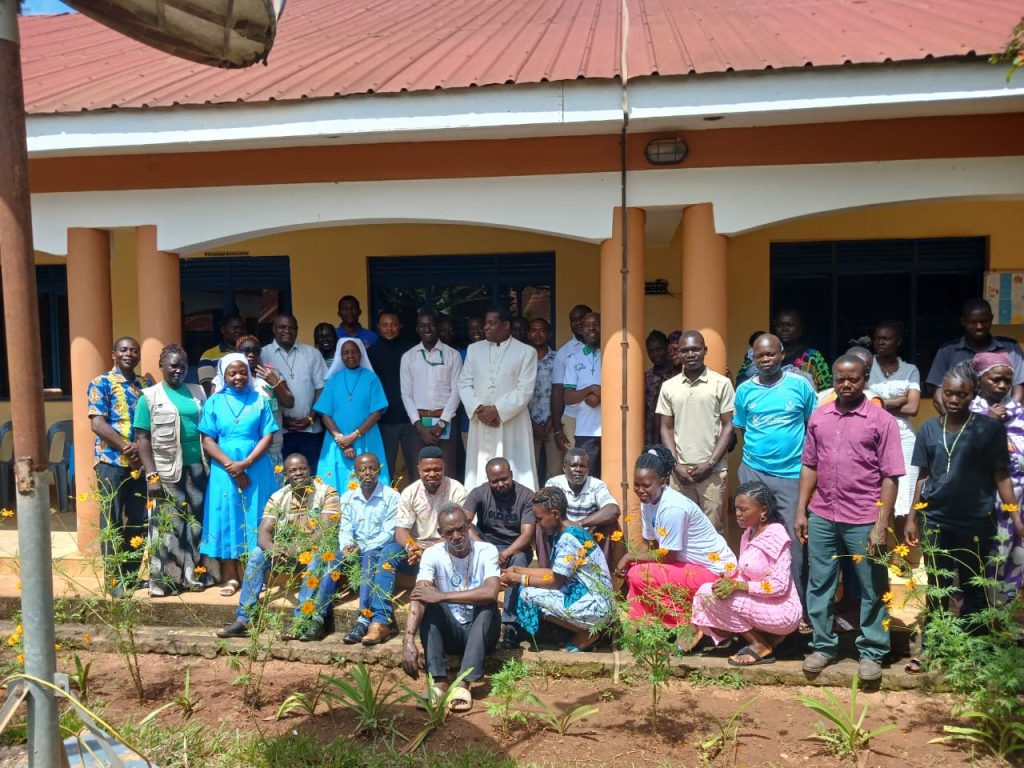
The awareness session was attended by Catholic Diocese of Tombura-Yambio and CODEP staff, representatives from Eve Organization, priests, directors, and managers at the Curia on Thursday morning. The diverse attendance from both church and civil society organizations demonstrates the collaborative approach to health security.
Historical Context and Regional Vulnerability
South Sudan’s experience with Ebola in 1976 in Nzara County, the very location where the awareness campaign is being conducted, adds particular poignancy and urgency to current prevention efforts. That outbreak, which emerged in a region historically involved in hunting and bush meat consumption, killed a significant number of people and demonstrated the disease’s capacity to spread rapidly in areas with limited health infrastructure.
The fact that the current awareness campaign is being launched from Nzara, where the disease first appeared in South Sudan, sends a symbolic message about the importance of vigilance in the very communities historically affected by Ebola.
St. Theresa Mission Hospital’s Role
St. Theresa Mission Hospital, a Catholic health facility serving the Nzara area, plays a critical role in the diocesan health system. The hospital’s decision to launch this awareness campaign reflects its commitment to preventive health and community health education alongside curative services. As the facility most likely to encounter suspected Ebola cases given its location and service area, St. Theresa’s involvement in awareness and preparedness is essential.
Broader Public Health Context
The awareness campaign comes as part of the Catholic Diocese of Tombura-Yambio’s comprehensive approach to health security, which includes the Diocesan Medical Guidelines issued by the Wholeness and Wellness Health Services Department in May 2026. The guidelines addressed multiple tropical diseases and health risks, and the Ebola awareness campaign represents implementation of those principles.
International Solidarity and Coordination
The presence of international health concerns and the need for cross-border coordination underscore the reality that infectious diseases recognize no political boundaries. The awareness campaign demonstrates how local Catholic institutions can serve as bridges between international health alerts and community members, translating global health threats into locally relevant prevention messages.
Call to Action
As the awareness campaign unfolds across the Catholic Diocese of Tombura-Yambio, both church personnel and community members are encouraged to take the following steps: practice regular handwashing, avoid bush meat consumption, report any suspected cases immediately to health facilities, participate in awareness sessions conducted in local languages, and support efforts to establish handwashing facilities in homes and workplaces.
St. Theresa Mission Hospital remains available to provide additional information, testing, and treatment for suspected Ebola cases, while serving as a reference point for health workers across the diocese seeking guidance on Ebola prevention and response protocols.
The combined efforts of the Catholic Diocese, St. Theresa Mission Hospital, CODEP, government authorities, and community organizations represent the coordinated response necessary to prevent Ebola from entering South Sudan and to protect the health and wellbeing of vulnerable communities in Western Equatoria State