By Eddy Waure
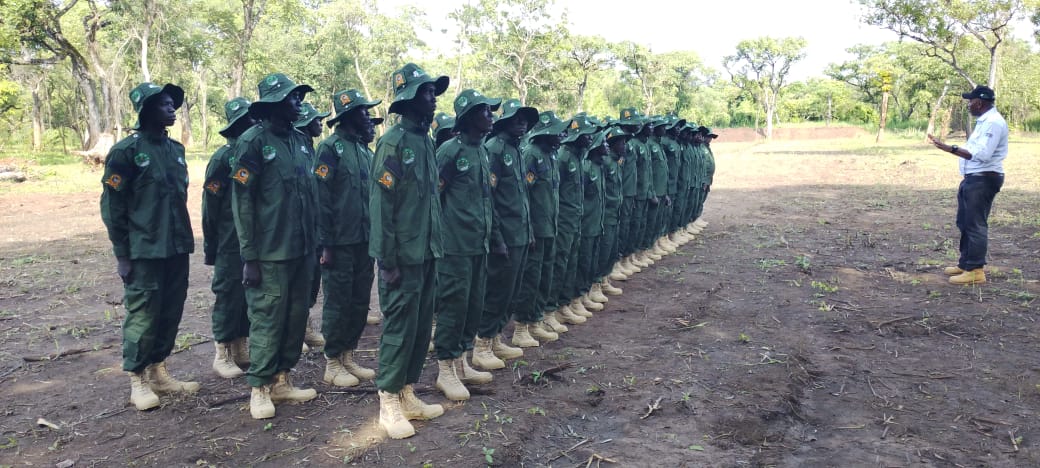
The Enjojo Foundation, in collaboration with African Parks and the State Ministry of Wildlife Conservation and Tourism, has officially launched a comprehensive seven-week basic field training program for 50 newly recruited rangers in Lantoto National Park, marking a significant step in strengthening wildlife protection and conservation efforts in Western Equatoria State.
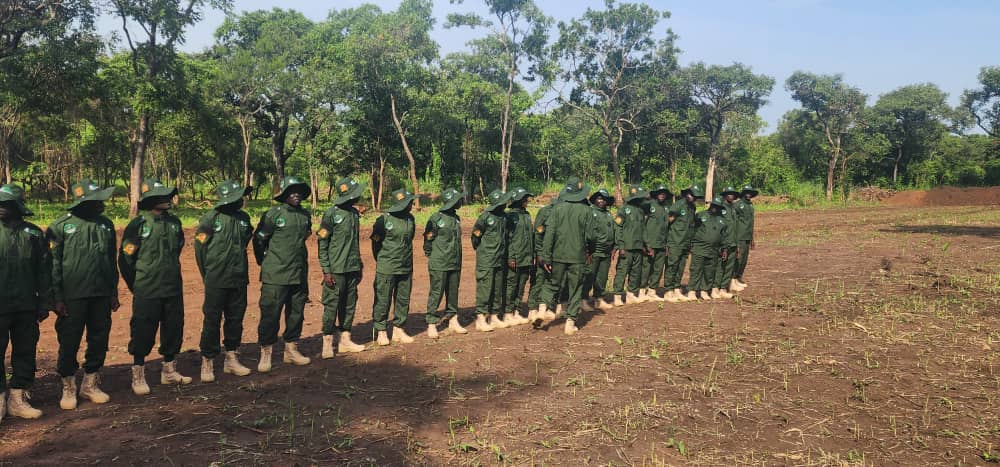
The training initiative aims to equip participants with essential skills in patrol techniques, park management, wildlife monitoring, and community engagement, enabling them to safeguard biodiversity and combat illegal activities including poaching and deforestation that threaten South Sudan’s natural heritage.
Officials from the State Ministry of Wildlife Conservation and Tourism emphasized the importance of building a professional ranger force capable of protecting the nation’s natural resources. A ministry representative noted that this initiative extends beyond training rangers to encompassing the broader goal of securing the future of national parks and ensuring that local communities benefit from conservation efforts.
General Khemis of the Ministry of Wildlife Conservation and Tourism announced that the current program is not an isolated initiative but part of a continuing effort. Following the completion of this first seven-week training cycle, the next phase will bring together 100 additional rangers for similar training. Upon completion of the seven-week program, all successfully trained rangers will be awarded certificates recognizing their qualification as professional park rangers.
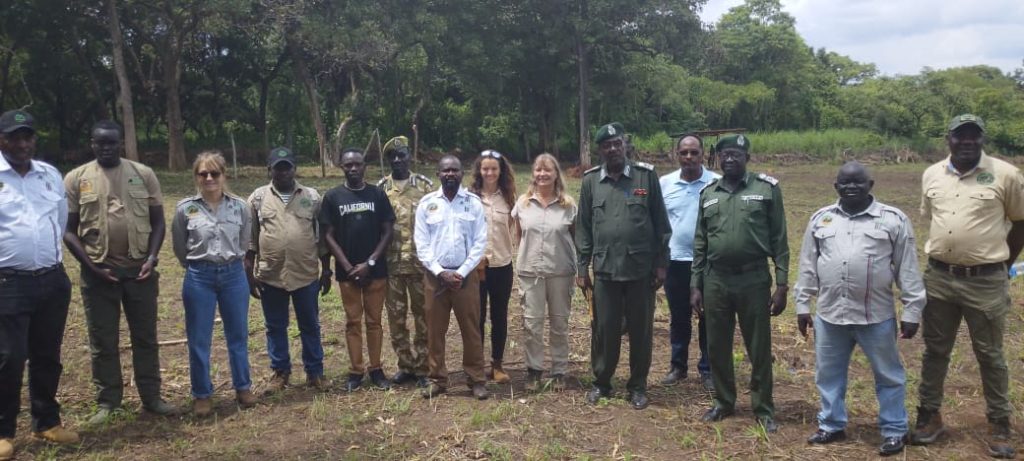
Mrs. Marketa Antonnova, representing African Parks, highlighted the collaborative nature of the program, stressing that effective conservation requires sustained partnerships between government, civil society, and local communities. She encouraged the newly recruited rangers to commit themselves fully to completing the seven-week training without laziness or discouragement.
“As partners, we will continue to support our local community with essential skills,” she said, affirming that the training represents investment in human capacity that will benefit conservation efforts across the region.
The Enjojo Foundation Executive Director, Mrs. Kris, reaffirmed the organization’s commitment to supporting grassroots conservation initiatives, noting that empowering rangers is a cornerstone of sustainable wildlife management. She emphasized that rangers serve a critical role in controlling wildlife populations and protecting parks, and urged the trainees to give their best effort throughout the seven-week program.
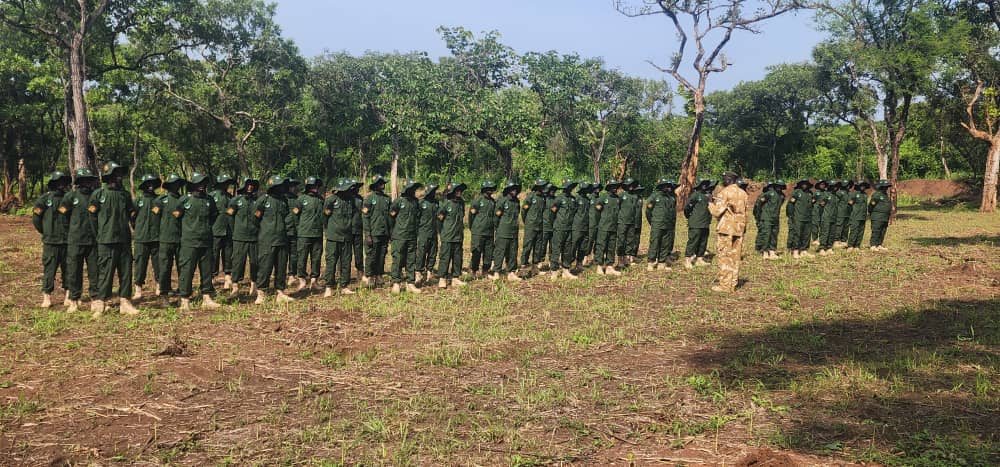
Mrs. Kris noted that the initiative addresses not only environmental protection but also youth employment, as young people gain productive employment as rangers rather than remaining idle in communities where lack of opportunity can lead to criminal activities.
Community leaders in Randiri, including Mr. Michael Kerima Makiri, warmly welcomed the initiative, expressing hope that the presence of trained rangers will enhance security, preserve wildlife, and promote eco-tourism opportunities in Lantoto National Park. Mr. Makiri acknowledged that such employment opportunities help redirect youth energy toward productive work while protecting the natural resources upon which local communities depend.
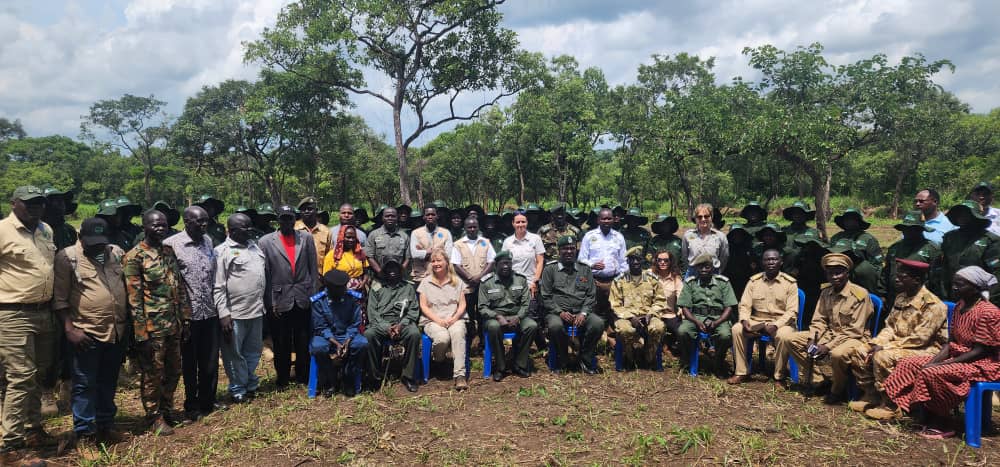
He thanked both African Parks and the Enjojo Foundation for bringing the training program to Lantoto National Park in Western Equatoria State, recognizing the program’s potential to benefit communities across the region.
The 50 newly recruited rangers have demonstrated enthusiasm about attending the training and have committed themselves to completing the seven-week program without difficulties. Trainers are already positioned on the ground to provide instruction, and participants have been informed that those who complete the training successfully will have the opportunity to travel to Rwanda for advanced training, providing pathway for professional advancement.
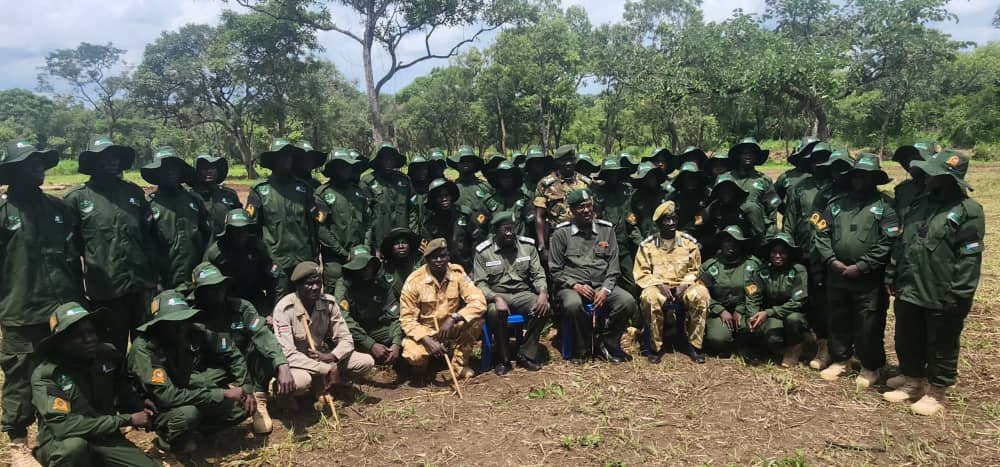
This incentive structure recognizes exceptional performance and creates motivation for rangers to excel during the initial training, while also building regional capacity through exposure to conservation practices and ranger training methods in neighboring countries.
The training program is expected to lay the foundation for long-term conservation strategies in South Sudan, with rangers serving as frontline defenders of the country’s rich biodiversity. As Lantoto National Park faces ongoing threats from poaching, illegal logging, and human encroachment, professionally trained and equipped rangers are essential for effective park management and resource protection.
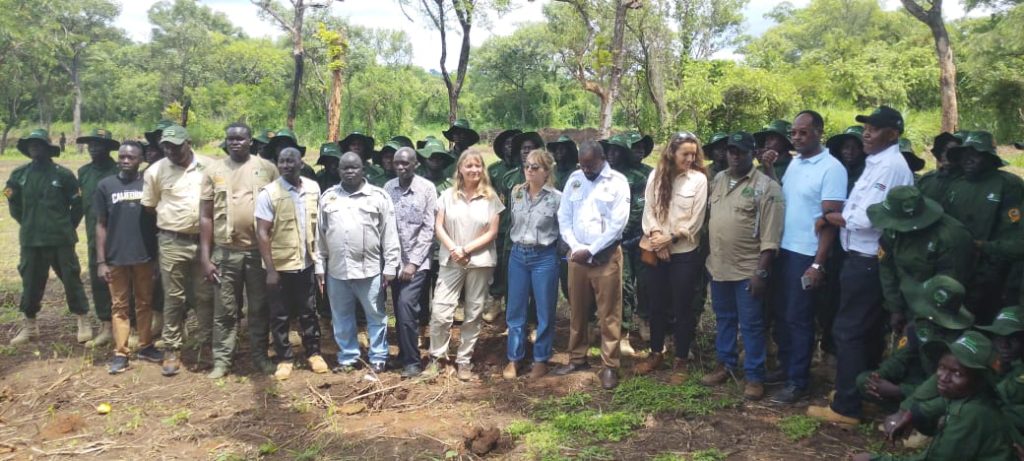
The skills rangers will acquire—including patrol techniques, wildlife monitoring, park management, and community engagement—address the multifaceted nature of modern conservation, which requires not only enforcement capacity but also ability to work cooperatively with local communities whose support is essential for conservation success.
South Sudan possesses significant wildlife resources and protected areas, including Lantoto National Park, which support diverse ecosystems and provide ecological services essential for the region. However, years of conflict have limited capacity for effective park management and conservation enforcement. The recruitment and training of professional rangers represents critical step toward rebuilding conservation capacity and protecting ecosystems that are vital to the nation’s environmental health and economic future.
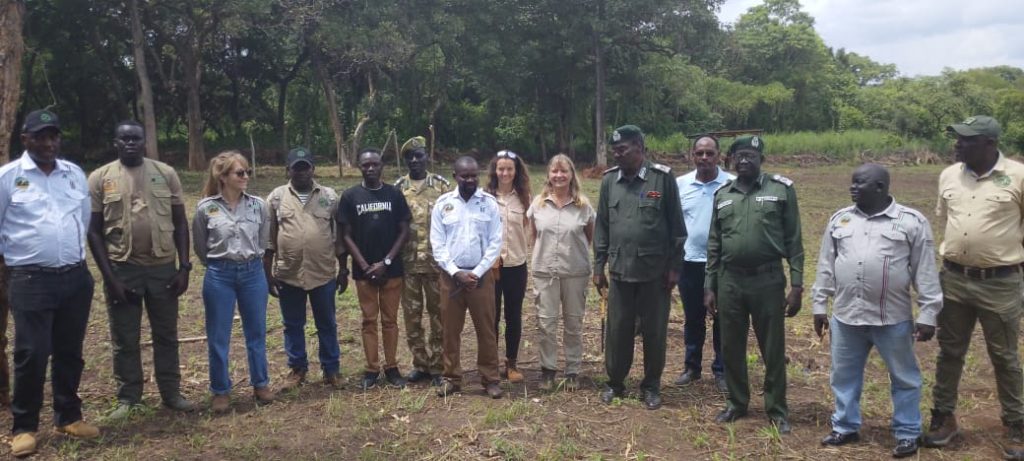
The collaborative model bringing together the government Ministry of Wildlife Conservation and Tourism, the international conservation organization African Parks, and the local Enjojo Foundation represents best practice in conservation. Each partner brings distinct strengths: government provides authority and policy framework, African Parks contributes technical expertise and international resources, and the Enjojo Foundation provides local knowledge and community connections.
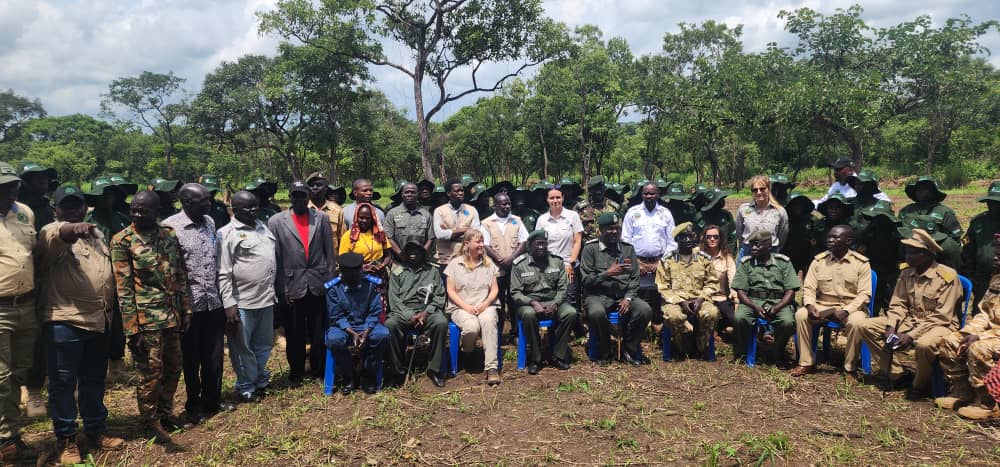
Beyond environmental protection, the ranger training program generates economic benefits for communities in Western Equatoria State by creating employment for 50 rangers immediately, with plans to train 100 more in subsequent phases. Each ranger employed represents income flowing into local households and communities, with multiplier effects as rangers spend wages on local goods and services.
Employment in wildlife conservation also elevates the status of park protection work, making it an attractive career option for young South Sudanese seeking meaningful employment that contributes to both national development and environmental sustainability.
As the seven-week training program unfolds in Lantoto National Park, participants will join a growing force of professional rangers across Africa dedicated to protecting the continent’s irreplaceable wildlife heritage and ensuring that future generations inherit thriving ecosystems and the biodiversity upon which human wellbeing depends.