By Sr. Laurencila Akinyi, FSSA
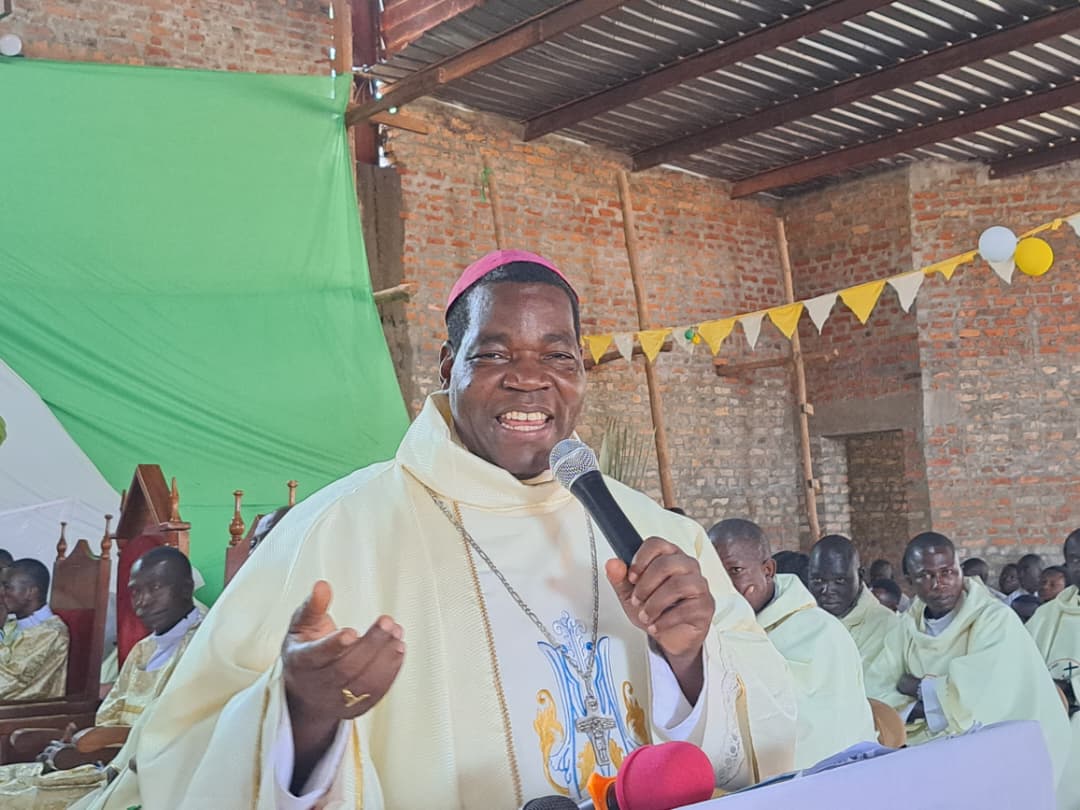
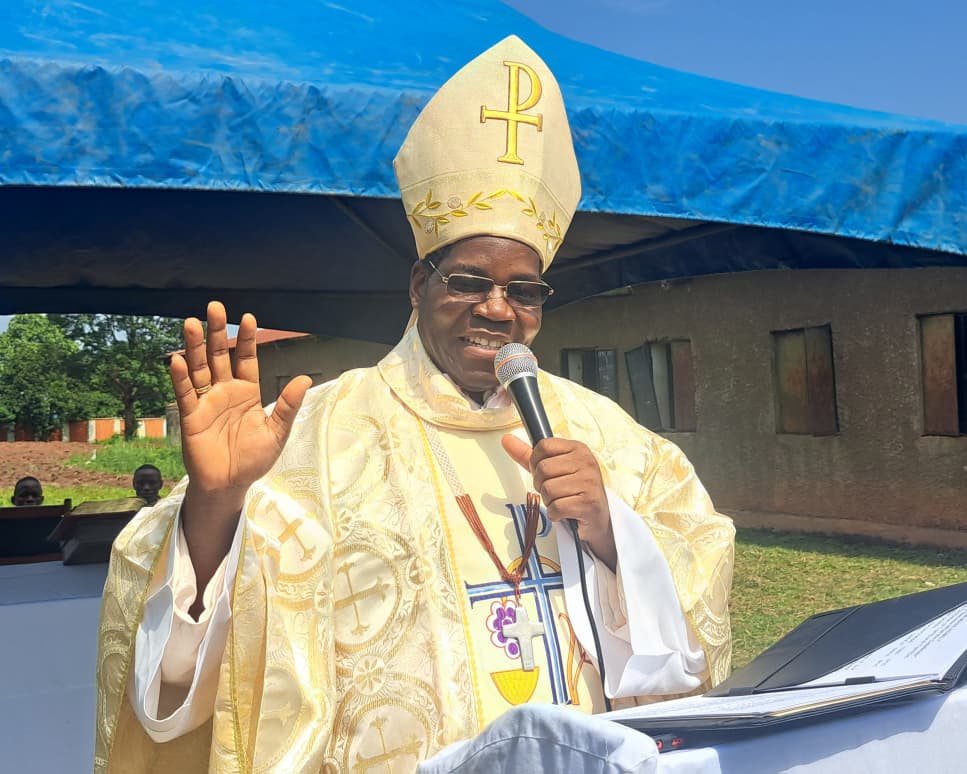
The Bishop of the Catholic Diocese of Tombura-Yambio, the Most Reverend Barani Eduardo Hiiboro Kussala, has issued a Pastoral Commentary on Pope Leo XIV’s first encyclical, Magnifica Humanitas, and the United Kingdom’s Decision to Restrict social media Access for children under 16, calling for urgent National Conversation about the kind of Generation South Sudan is raising and Technology’s Role in Childhood Development.
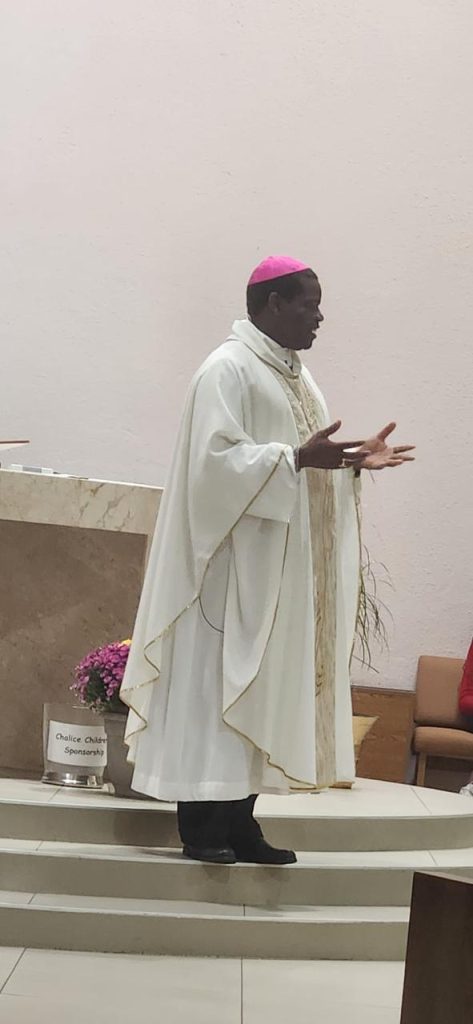
In his reflection, Bishop Hiiboro described Pope Leo XIV’s Encyclical as a Powerful Document that calls Humanity to place the Human Person, Human Dignity, Morality, Wisdom, and Responsibility at the center of Technological Advancement. He affirmed the Pope’s central message that technology is a gift but must never become humanity’s master; it must remain humanity’s servant.
Bishop Hiiboro characterized the United Kingdom Prime Minister’s announcement restricting social media access for children below age 16 as a courageous decision moving in the right direction, though he acknowledged that such decisions generate legitimate debate and diverse perspectives.
Fundamental Question for South Sudan
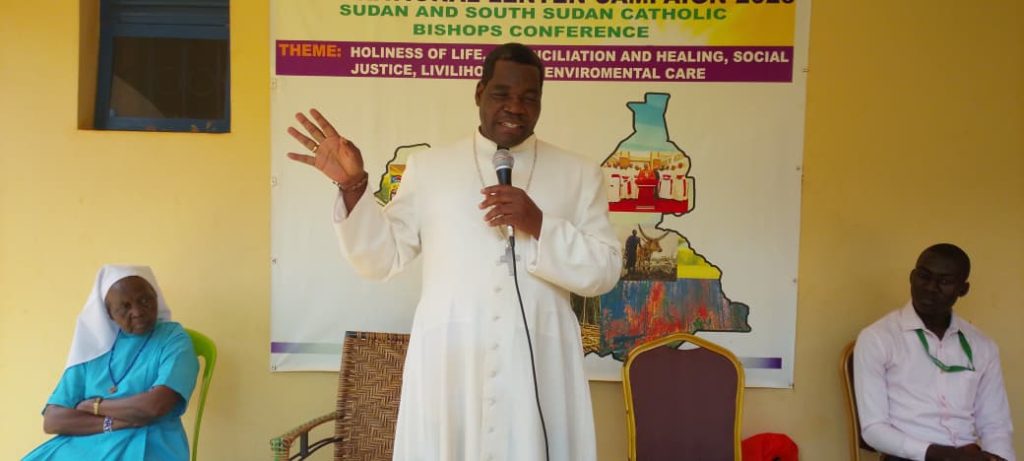
The Bishop raised what he described as a serious question that all must consider: “What kind of generation are we raising?” He emphasized that this question is particularly relevant for South Sudan, a young nation whose greatest wealth is not oil, gold, land, or political power but rather its children and young people.
The Bishop observed that many children today spend more time with screens than with parents, know social media influencers better than their teachers, and are exposed to vast amounts of information before they have developed the wisdom to judge what is true and false, what is good and harmful.
Blessings and Responsibilities of Technology
While acknowledging that technology has brought genuine blessings—connecting people, expanding access to knowledge, improving communication, and opening opportunities previous generations could not imagine—Bishop Hiiboro stressed that every blessing carries responsibility.
He noted that social media is shaping minds, influencing behavior, creating heroes, determining values, and forming opinions in ways that make it the new classroom, village square, marketplace, and sometimes source of confusion.
Difficult Questions for Reflection
The Bishop posed a series of challenging questions for parents, educators, and society to consider:
Are we raising thinkers or merely consumers of information?
Are we raising responsible citizens or digital addicts?
Are we raising leaders or followers of every passing trend?
Are we helping our children discover their identity, or are we allowing strangers on the internet to define it for them?
Urgent Context for South Sudan
Bishop Hiiboro emphasized that in South Sudan, a society still emerging from conflict, these questions are even more urgent. He declared that a nation rebuilding after years of war cannot afford to lose its children to addiction, misinformation, online exploitation, tribal hatred, pornography, violence, and moral confusion.
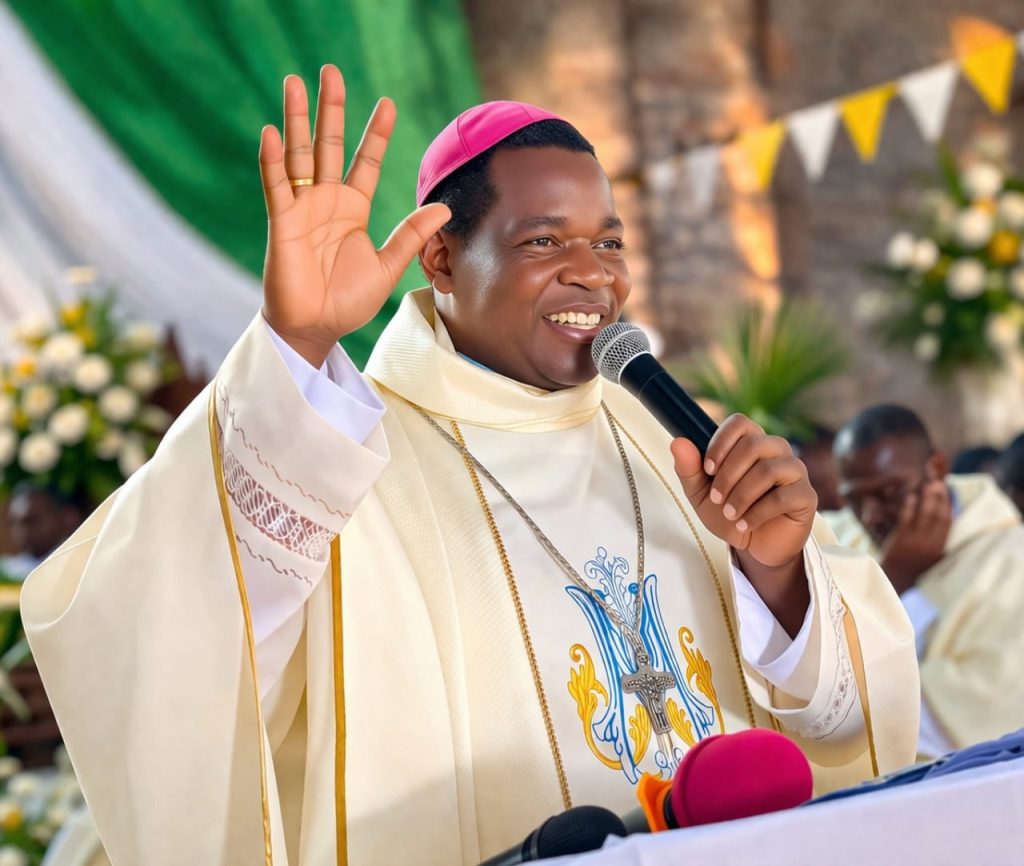
The Bishop expressed concern that South Sudan’s young people need books as much as phones, playgrounds as much as digital platforms, real friendships as much as virtual connections, mentors more than influencers, and character more than popularity.
Comprehensive Approach to Digital Responsibility
Bishop Hiiboro argued that discussion should not focus simply on banning social media but rather on protecting childhood, promoting responsibility, and ensuring that technology serves human development rather than undermining it.
He called for comprehensive action from multiple sectors:
Parents must become more involved in children’s technology use and digital lives.
Schools must teach digital literacy and critical thinking about online content.
Churches must speak about the ethical use of technology and its impact on moral development.
Governments must develop policies that protect children while respecting freedom.
Technology companies must be held accountable for impacts on young users.
Young people themselves must learn that freedom without responsibility eventually becomes slavery.
The Real Challenge
Bishop Hiiboro stated that the message of Pope Leo XIV in Magnifica Humanitas is timely and urgent: human progress without moral wisdom is dangerous, knowledge without values can destroy, and technology without ethics can divide society.
He shifted the focus from technology itself to its relationship with human character and national development. As South Sudan looks toward the future, he said, the nation must not only build roads, schools, hospitals, and institutions but must also build character.
“For in the end, the future of a nation is not determined by the sophistication of its technology but by the quality of its people,” Bishop Hiiboro stated.
The Central Question
The Bishop concluded with what he identified as the central question facing South Sudan and all nations in the digital age: not whether children can access social media, but rather whether social media is helping children become the men and women God created them to be.
He declared that this is a conversation South Sudan can no longer postpone, emphasizing that the challenge before the nation is fundamentally human, not technological.
Broader Implications
Bishop Hiiboro’s commentary connects Pope Leo XIV’s concerns about technology and human dignity expressed in Magnifica Humanitas to the practical reality facing South Sudan. The encyclical’s emphasis on preserving human dignity in an age of artificial intelligence and rapid technological advancement takes on particular urgency in a nation where young people, having experienced conflict and instability, are navigating rapid technological change without adequate guidance or digital literacy.
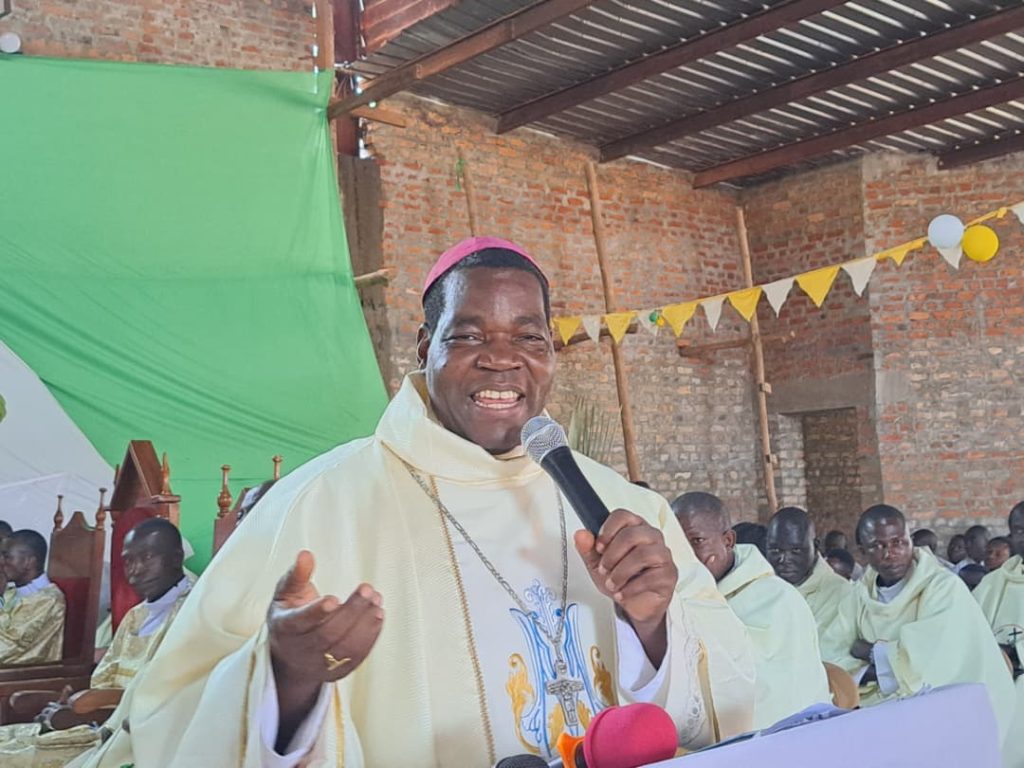
The Bishop’s call for national conversation reflects his consistent leadership in addressing not only spiritual dimensions of faith but also social, moral, and developmental challenges facing communities. His emphasis on character formation aligns with his broader vision of integral human development that addresses the whole person and the whole community.
Response to Global Developments
The Bishop’s commentary demonstrates how local church leaders engage with global Church teachings and international policy developments, translating them into contextual guidance for their own communities and nations. His reflection on both Pope Leo XIV’s encyclical and the UK’s social media restrictions shows how the Catholic Diocese of Tombura-Yambio remains connected to broader Church discussions while addressing the specific needs and challenges of South Sudan.
As South Sudan continues its national development journey, the question Bishop Hiiboro has posed—What kind of generation are we raising?—will likely become increasingly urgent as digital technology becomes ever more pervasive in young people’s lives, making thoughtful policy and pastoral guidance essential for protecting childhood and promoting healthy human development.