By Waure Eddy.
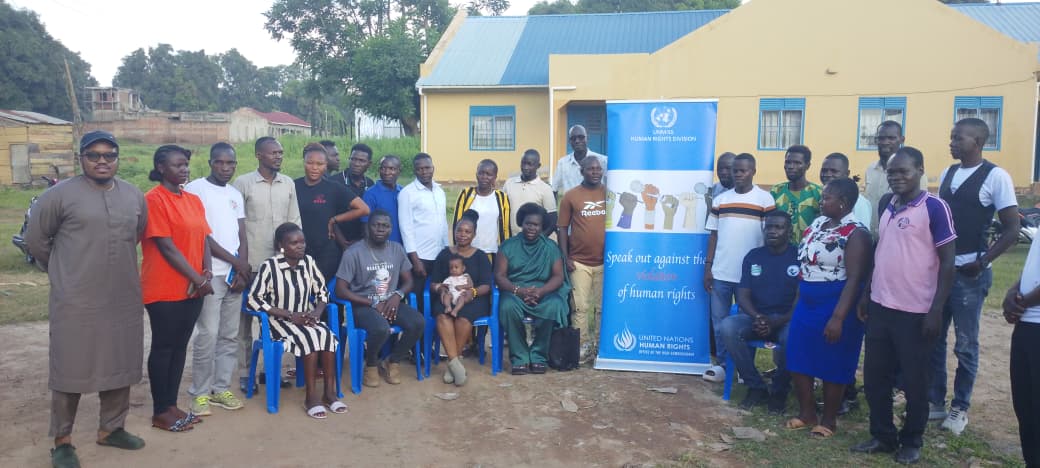
Thirty journalists representing major media outlets across Western Equatoria State have completed a three-day training on conflict-sensitive monitoring and human rights reporting conducted by the United Nations Mission in South Sudan, equipping media professionals with technical skills to document abuses responsibly while avoiding speech that fuels division or hatred in communities.
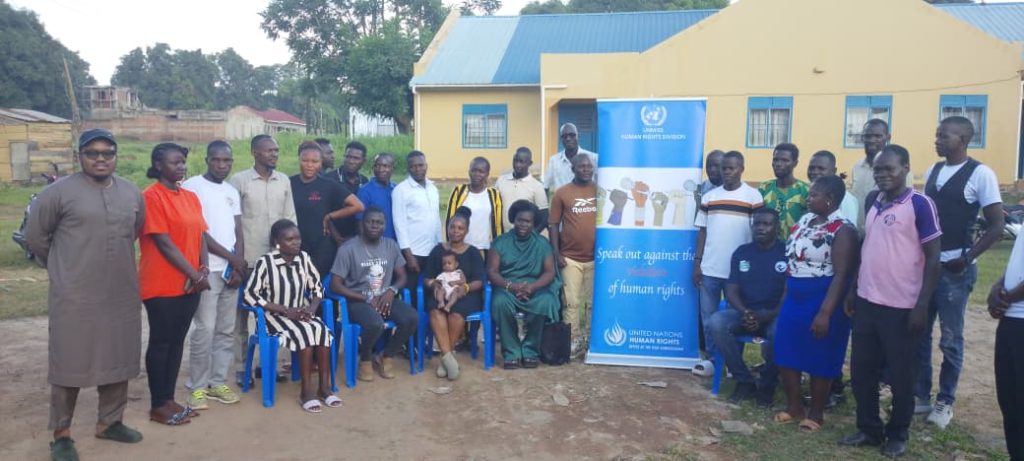
The training, held in Yambio, targeted journalists of the Western Equatoria State chapter of the Union of Journalists of South Sudan and represents a significant investment in media capacity ahead of South Sudan’s first general elections scheduled for 2026. Participants from Anisa FM, Yambio FM, Foundation FM Maridi, and independent freelance reporters gained practical knowledge in documenting violations, ethical reporting standards, and responsible journalism practices.
The engagement comes at a critical moment as South Sudan prepares for its first general elections since independence, when media reporting will play a crucial role in informing voters, monitoring electoral processes, and holding government accountable. Officials characterized the training as reaffirming the media’s role as “guardians of truth” in contexts where misinformation and biased reporting can undermine democratic processes and inflame tensions.
UNMISS Commitment to Media Capacity Building
Mr. Opubo Melford Goodhead, UNMISS Human Rights Officer, commended the journalists for their commitment to professional, unbiased reporting and affirmed UNMISS’s continued partnership with the Union of Journalists in South Sudan to build media capacity.
“As partners, we will continue collaborating with the Union of Journalists in South Sudan to build their capacity so they can report accurately,” Opubo said during the closing session.
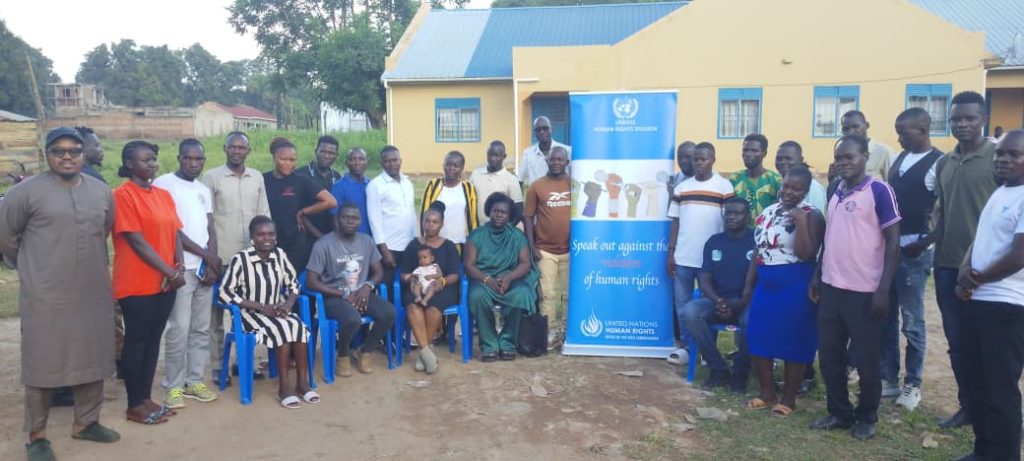
He urged journalists throughout the state to maintain professionalism as South Sudan prepares for its first general election in 2026, noting that ethical journalism is essential during electoral processes. Recognizing that some journalists had not participated in the training, Opubo invited others to join future capacity-building sessions.
“I urge journalists within and across the state to stick to professionalism as the country gears up for its first general election in 2026. Other journalists who did not participate in this three-day engagement should join the next training so we can all be on one bus,” he said, emphasizing the need for collective commitment to professional standards across the media landscape.
Ethical Journalism as Human Rights Foundation
Organizers emphasized that ethical and sensitive journalism is not merely a professional standard but a cornerstone of human rights protection. The training stressed that strengthening journalists’ capacity to report responsibly helps amplify the voices of those most at risk and ensures that reporting promotes accountability, justice, and peace.
The conflict-sensitive approach taught during the training recognizes that media reporting during fragile post-conflict periods and electoral transitions can either promote healing and democratic participation or exacerbate tensions and division. By equipping journalists with skills to report accurately without inflammatory language, the training contributes to building conditions where democratic processes can proceed peacefully.
Participant Commitment and Lessons Learned
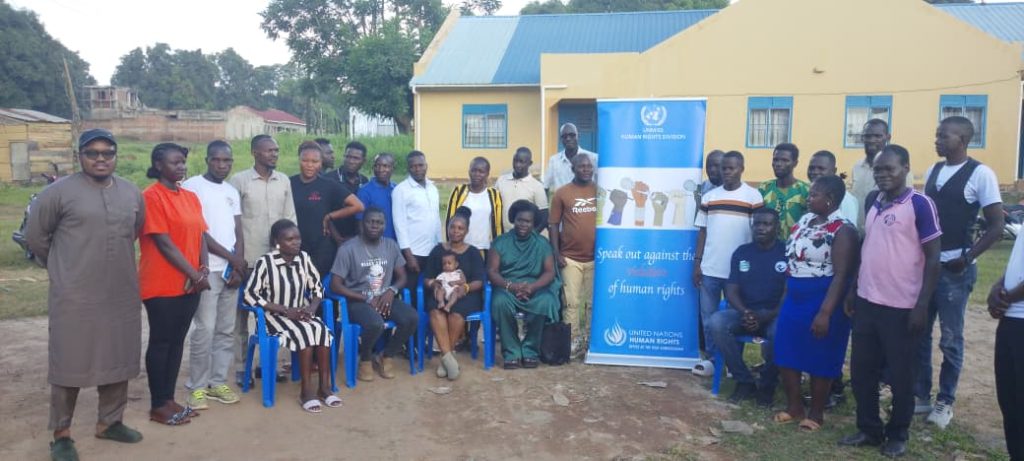
Madam Suzan Chieku from Anisa FM expressed gratitude for the training and commitment to applying lessons learned in her reporting. She thanked UNMISS and the Union of Journalists for the initiative, noting that participants are returning to their various media houses with practical knowledge they will implement immediately.
“We are all going back to our various media houses with lessons learned, and we will exercise them well in our reporting,” Chieku said. “I encourage my fellow colleagues to practice the knowledge daily. It will help us avoid bias in reporting.”
Her statement reflects the recognition among media professionals that daily application of ethical principles is essential for developing consistent habits of responsible journalism that become second nature in challenging reporting situations.
Calls for Expanded Training Beyond Capital
Gaaniko Jackson of Yambio FM called for the training to be extended beyond the state capital to reach journalists in other counties across Western Equatoria State. He highlighted that professional development opportunities should not be concentrated in Yambio but should reach media workers throughout the region.
“This training should not end here but continue so we can be better journalists in our state and beyond. We are not the only journalists in the capital of Western Equatoria State. We need this training extended to other counties respectively,” Jackson said, advocating for equitable access to capacity-building opportunities.
His call reflects the reality that media outlets operate in multiple counties and towns beyond the state capital, and that professional standards must be consistently applied across the entire state if journalism is to effectively serve democratic and human rights objectives.
Freelance Journalist Advocacy for Continuous Learning
Freelance journalist Abuihno Francis echoed the call for regular and ongoing capacity-building sessions, emphasizing that all journalists should have access to training that enables them to maintain professional standards.
“Such training should continue so all journalists can be capacitated. Our union is doing good work so every journalist can stick to ethics and professionalism in South Sudan at large,” Francis said, connecting individual professional development to broader national goals of ethical media practice.
Collective Call for Regular Training and Election Preparation
All training participants collectively called for regular training sessions to equip journalists with knowledge ahead of 2026 election coverage. The emphasis on ongoing capacity building reflects recognition that professional skills must be continuously refreshed and deepened, particularly in contexts where journalists face pressures from various actors to compromise ethical standards.
UNMISS’s Broader Media Support Mission
The workshop represents part of UNMISS’s broader efforts to support media freedom and human rights monitoring across South Sudan. The United Nations mission has prioritized media capacity building as essential to South Sudan’s democratic development and post-conflict stabilization.
Significance for Democratic Development
The training of 30 journalists comes at a critical juncture in South Sudan’s democratic transition. Media professionals play essential roles in informing voters about candidates and electoral processes, monitoring government accountability, and creating space for public debate. When journalists have capacity to report conflict-sensitively and ethically, they help create conditions where electoral processes can proceed peacefully and voters can make informed decisions.
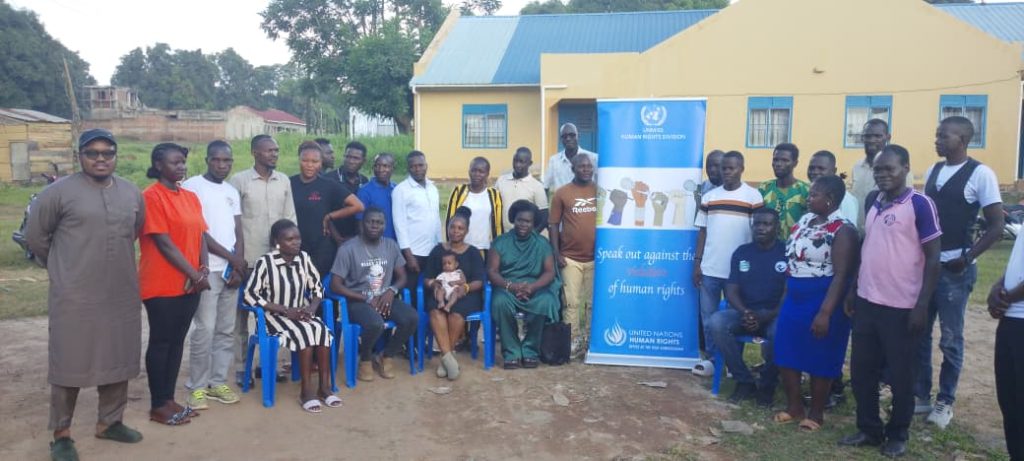
The emphasis on avoiding bias, hate speech, and inflammatory language is particularly important in South Sudan’s context, where ethnic and political tensions remain significant and media reporting has historically been used to fuel division. By training journalists in conflict-sensitive reporting, UNMISS and the Union of Journalists are investing in media practices that can contribute to peaceful elections and democratic consolidation.
Challenges and Opportunities
While the training represents important progress, the calls from participants for expanded and ongoing training reflect recognition that 30 journalists, though significant, represent only a portion of media workers across Western Equatoria State. The extension of training to other counties and the establishment of regular capacity-building sessions will be necessary to ensure that ethical reporting standards are widely adopted and consistently applied.
Moving Forward
As South Sudan approaches its first general elections in 2026, the role of media in supporting democratic processes and protecting human rights will be critical. The investment in journalist training by UNMISS and the Union of Journalists, combined with the commitment demonstrated by the 30 participating journalists, provides grounds for hope that South Sudan’s media will play a constructive role in supporting peaceful, accountable, and democratic electoral processes.
The journalists who completed this training now carry responsibility to apply their learning, to mentor colleagues, to advocate for expansion of training to other regions, and to exemplify professional standards that can inspire others in the media landscape to commit to ethics and accuracy in their reporting.
As one participant stated, the challenge is not only individual professional development but collective commitment across South Sudan’s entire media community to the principles of conflict-sensitive, ethical, human rights-respecting journalism that serves democracy and peace.