By: Emmanuel Mandella
A Catholic priest serving under the Catholic Diocese of Tombura-Yambio (CDTY) has thrown his weight behind a controversial local order that authorizes the arrest and detention of idle young men loitering in the community suggesting they should also be barred from marrying.
Earlier last week Ezo County authorities released 30 detained youths including three young women after they pledged to abandon idle lifestyles and engage in productive activities, especially agriculture.
The youths who were held for ten days under a new local order targeting unproductive behavior such as loitering and smoking shisha in the early hours. According to Commissioner Abel Sudan, their release came after the group expressed commitment to change and received basic manual labor training.
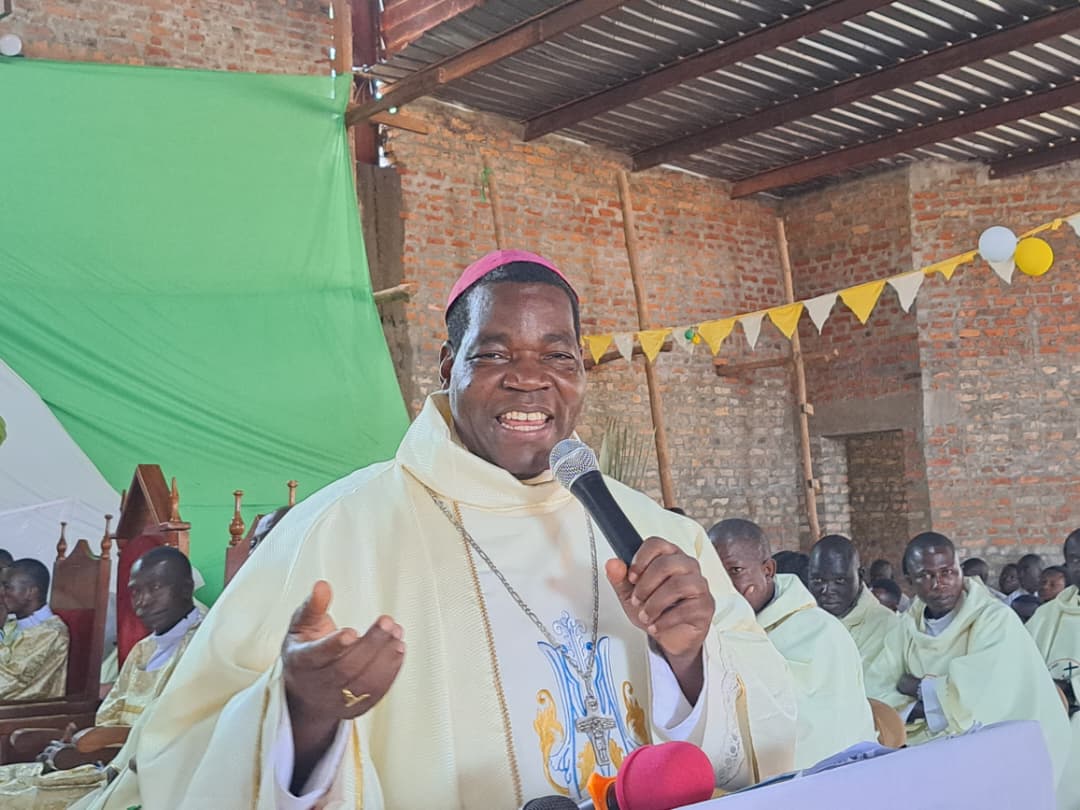
Fr. Abraham Abayo made the remarks during the closing of a Sunday mass, passionately supporting the local initiative aimed at promoting hard work and responsibility among the youth.
“He who has brought this idea wants to see good development; he wants to see positive change in young people, as a church, we support such a move. It has to continue,” said Fr. Abayo.
The priest went a step further by urging the community not to offer their daughters in marriage to men who are not productive, arguing that marriage should be a union built on responsibility and progress.
“How can you stay in your ancestral land for over 25 years without owning a piece of land or even a house?” he questioned. “Isn’t it a big shame? Mata kum-wadi banatkum le nasi zede (Do not give your daughters to such men).”
The crackdown, launched earlier this month by local authorities in Ezo County, has seen several idle youths rounded up from the streets. Officials say the measure aims to curb rising unemployment and promote productivity among young people.
Fr. Abayo’s remarks have sparked both support and debate in the community, with many residents applauding the move as a wake-up call for change in societal values and youth behavior.
The local order appears to be gaining momentum, as more voices including the church back efforts to instill discipline, hard work, and social responsibility among young men in the region.