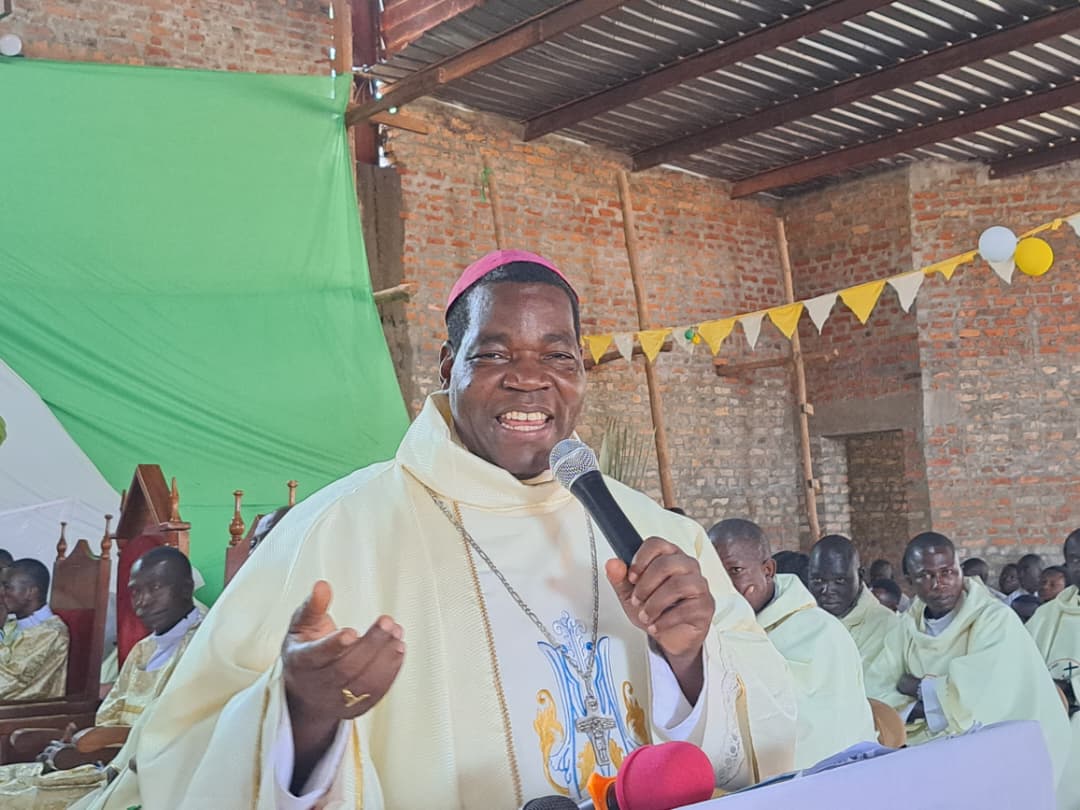
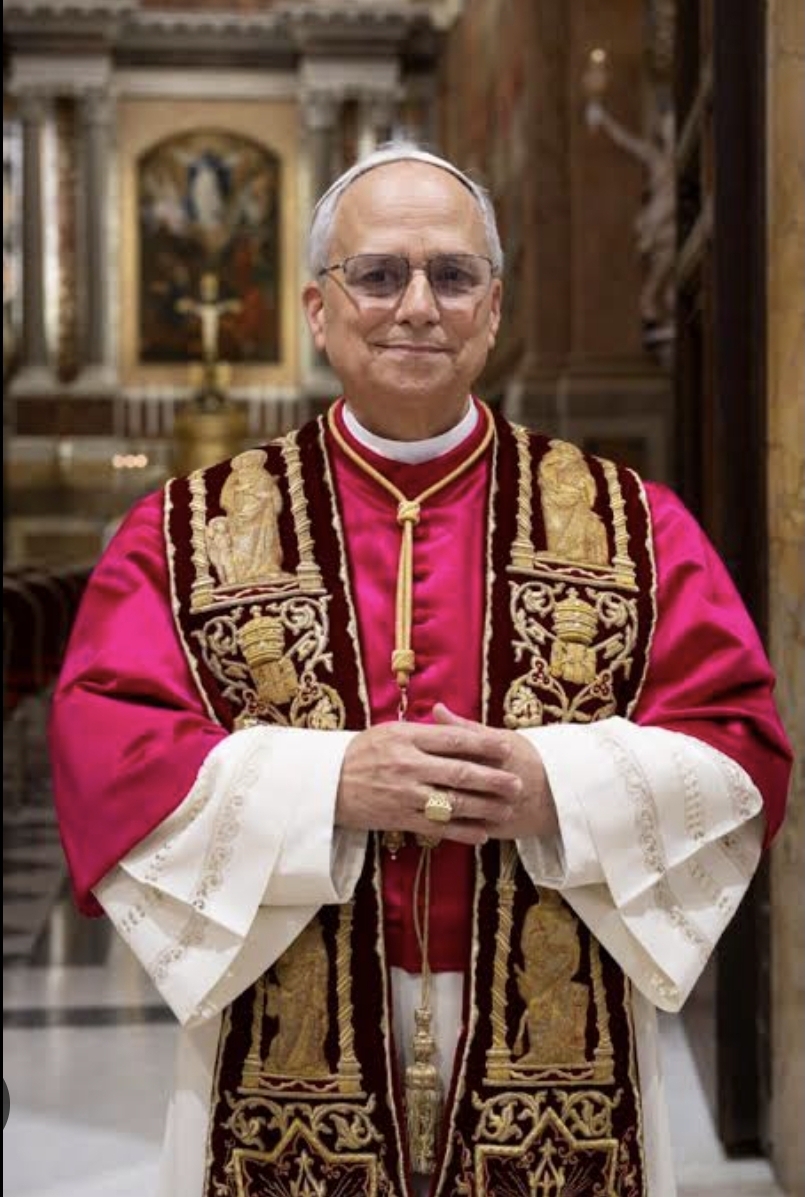
In the wake of a historic papal transition, we sit down once again for an in-depth conversation with Bishop Eduardo Hiiboro Kussala of the Catholic Diocese of Tombura-Yambio, this time we are reflecting not just on the election of Pope Leo XIV and what this new pontificate means for the African Church, for South Sudan, and for the world.
1. With Francis, Africa has gained its centrality in the Church and in the world. Do you expect that Leo XIV will also continue to keep Africa at the center of his pontificate?
Yes, I believe Pope Leo XIV will continue to uphold Africa’s centrality in the universal church. We must remember that Pope Leo is not only a missionary in heart and practice, but one who has walked African soil and breathed its spiritual air. He knows our struggles, our vibrancy, and the deep wellspring of faith that animates the Church in Africa. The African Church is not peripheral; it is a beacon of life, youth, and resilience. The Holy Spirit, who guided the College of Cardinals in their discernment, does not act by chance. I am confident that the Pope’s own missionary experience will translate into a profound attentiveness to Africa’s role in evangelization, peacemaking, and theological renewal.
In his inaugural homily, Pope Leo XIV emphasized the importance of unity and communion: “Brothers and sisters, I would like that our first great desire be for a united Church, a sign of unity and communion, which becomes a leaven for a reconciled world.” This vision resonates deeply with Africa’s commitment to community and reconciliation.
2. The African bishops recently wrote a letter of total communion and satisfaction with the appointment of Leo XIV. Do you think he is the right pope at the right time? Why?
Absolutely, yes. Pope Leo XIV is the right shepherd for this moment in history. His election is a sign of divine providence. His very name, “Leo,” evokes Pope Leo the Great, a Pope of courage, clarity, and defense of the faith, and his baptismal name contains “Francis,” linking him spiritually to the path of humility, simplicity, and closeness to the poor championed by St. Francis of Assisi and lived by Pope Francis. This blending of strength and tenderness, of missionary zeal and contemplative love, positions him uniquely to guide the Church through the complexities of today’s world. We must allow room for the Holy Spirit to unfold the mystery of his papacy. I believe great marvels will be worked through this chosen instrument of God.
Pope Leo XIV’s first words as pontiff were: “Peace be with you! Dearest brothers and sisters, this was the first greeting of the risen Christ, the good shepherd who gave His life for the flock of God.” This greeting underscores his commitment to peace and shepherding the Church with love and humility.
3. What are the reactions of African Catholics to the appointment of the new pope?
The African faithful have received Pope Leo XIV with deep joy, hopeful curiosity, and spiritual excitement. There is a sense of being seen, of being heard, of being loved by the Church. Many Catholics, especially the youth and clergy, feel reinvigorated by this new chapter. We are a continent of hope, and Pope Leo’s election feels like an affirmation of the faith we hold dear. There is a collective spirit of prayer rising from Africa, asking God to strengthen this new Holy Father and to make him a bridge of peace, a voice of truth, and a heart open to all peoples. In his first homily, Pope Leo XIV reminded us: “We are called to witness to the joyful faith in Christ the Savior.” This call resonates with the vibrant faith of African Catholics, inspiring us to continue our mission with renewed vigor.
4. Francis had a special relationship with Africa and especially with South Sudan: do you expect attention from this new pope?
Indeed, I do. Pope Francis walked with us in our pain and aspirations. He visited South Sudan in a historic ecumenical pilgrimage of peace, even kissing the feet of our political leaders in a Christ-like gesture of humility and urgent appeal for peace. Pope Leo XIV will not forget this legacy. Rather, I believe he will deepen it. He will build on the foundation laid by his predecessor and carry forward the mission of healing and reconciliation. His missionary background, especially his familiarity with African contexts, positions him to understand our wounds and to walk with us toward a new dawn.
5. What is the situation in South Sudan at the moment? Is there really a risk of a return to war?
South Sudan remains in a fragile state. While some peace has returned, tensions linger like smoldering embers beneath the surface. Our people are tired, tired of war, of displacement, of broken promises. But they are also remarkably hopeful and resilient. The Church, through her pastoral, social, and moral voice, remains at the heart of reconciliation efforts. We continue to appeal to political leaders to place the dignity of human life above power struggles. There is a risk of relapse into conflict if peace is not pursued with honesty and inclusivity. But with sustained accompaniment from the international community and moral leadership from Rome, especially from Pope Leo XIV, we can prevent the shadows of war from returning.
In all of this, we must go slowly, gently, and attentively, allowing space for the Holy Spirit to work. As Africa, we offer the Church a beating heart of faith, and in Pope Leo XIV, we find a pastor who, we trust, will walk with us in humility, strength, and love.