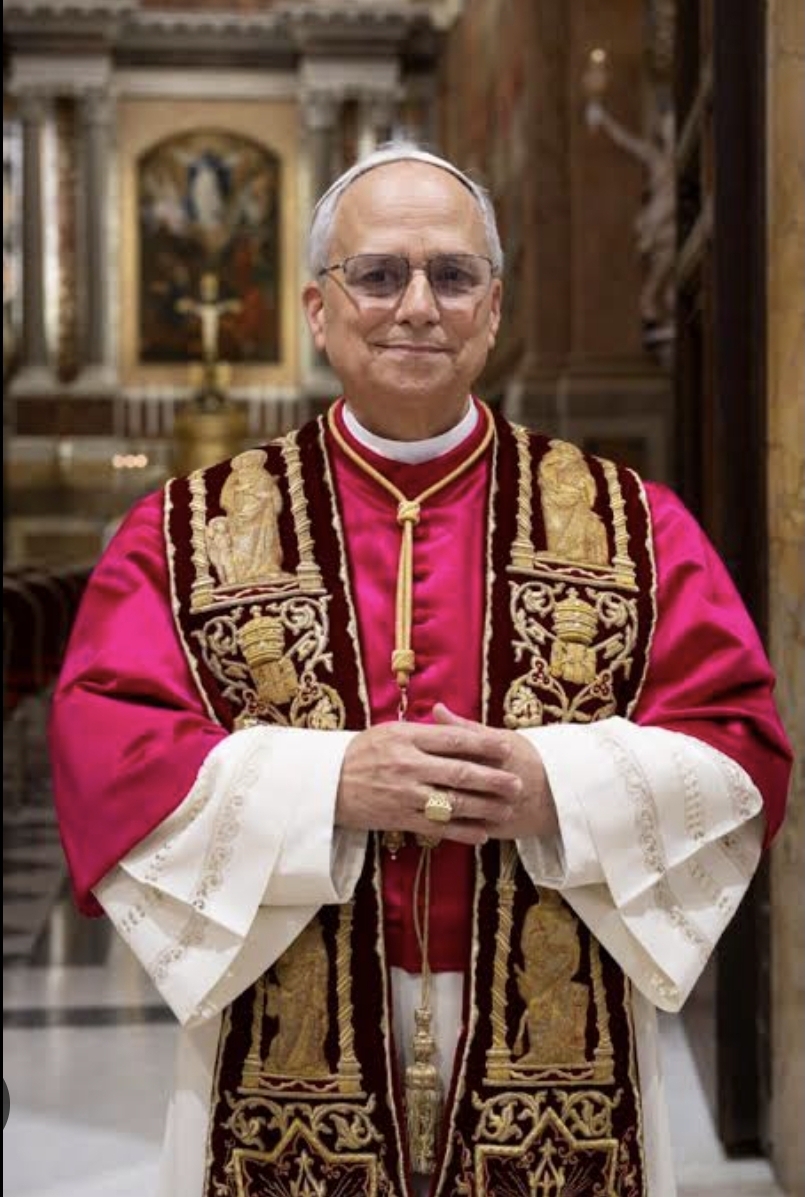
![Picture of the Bishop to the left and acting chairperson of HIV commission in WES next to him, plus HIV coordinator and AFENET field officer to the right after their meeting [Photo: Emmanuel Mandella]](https://rurugene.org/wp-content/uploads/2025/05/Picture-of-the-Bishop-to-the-left-and-acting-chairperson-of-HIV-commission-in-WES-next-to-him-plus-HIV-coordinator-and-AFENET-field-officer-to-the-right-after-their-meeting-Photo-Emmanuel-Mandella.jpeg)
By Emmanuel Mandella
The Catholic Bishop of Tombura-Yambio Diocese, Barani Eduardo Hiiboro Kussala, has thrown his full support behind a new strategic initiative aimed at eliminating new HIV infections in Western Equatoria State by 2030.
During the meeting held at the bishop’s residence in Yambio, with delegation from the State HIV/AIDS Commission, the Ministry of Health, and partner organizations including AFENET, sought the bishop’s blessing and engagement as a key influencer in the region’s ambitious health drive.
Speaking to journalists after the meeting, Bishop Hiiboro recalled the early days of the HIV crisis in the state citing that. “We stood our ground, and we chased it out, when HIV landed here in Western Equatoria in 1994, the church did not stay silent, the late Bishop Joseph Gasi took bold steps. Today, we must continue that legacy this disease disturbs our community, and only through love, unity, and awareness can we defeat it” he said.
He added, “I am willing and ready to join hands with the government, NGOs, schools, and especially our youth and media to ensure we can one day say boldly, ‘We once had HIV here but we defeated it together.’”
Hon. Santino David Tambua, Acting Chairperson of the Western Equatoria State AIDS Commission, emphasized that the strategic plan aligns with the global UNAIDS goal of ending HIV as a public health threat by 2030.
“We want at least 95% of people in Western Equatoria to know their HIV status, through proper care and treatment, those living with HIV can suppress their viral load meaning they can no longer transmit the virus and that’s how we need to end new infections.”
He acknowledged recent progress, noting a decline in infection rates, but stressed that stigma, especially among men, remains a challenge.
According to Lubeng Simaya Jack, the state field officer for HIV-TB under AFENET, the number of people living with HIV rose from 10,000 in 2020 to 16,000 by the end of 2024. However, he remains optimistic: “We are working toward zero new infections by 2030. It is possible but only if we act now, together.”
For his part, Pastor Samuel Timatio Bandasi, the TB/HIV Coordinator at the State Ministry of Health, lauded Bishop Hiiboro’s influence by lamenting that.
“People listen to him. When he speaks, communities take action. That’s why we’re here to ask him to stand with us in this life-saving mission.”
“No harsh words. We are all human,” Bishop Hiiboro emphasized. “It’s the disease we must confront not the people.”