By Sr. Laurencila, FSSA
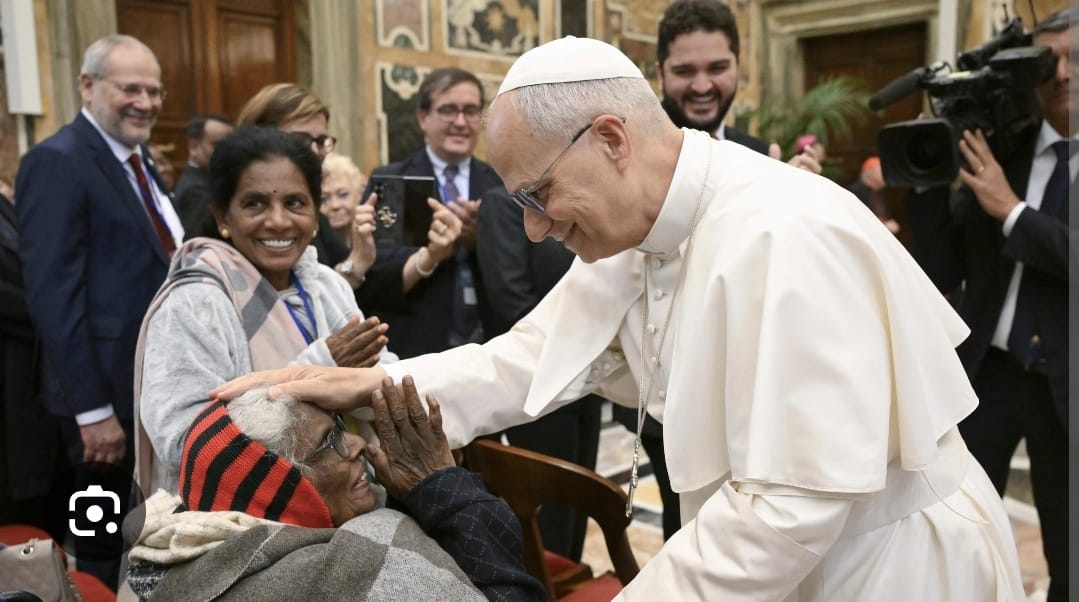
Pope Leo XIV has issued a powerful message for the 34th World Day of the Sick, calling on Christians and all people of goodwill to embody the compassion of the Good Samaritan by drawing near to those who suffer, particularly the sick, elderly, and afflicted.
In his message released from the Vatican on January 13, 2026, the Pope chose to reflect on the timeless parable of the Good Samaritan, describing it as always relevant and essential for rediscovering the beauty of charity and the social dimension of compassion. The World Day of the Sick will be solemnly celebrated in Chiclayo, Peru, on February 11, 2026.
The Holy Father drew extensively from the Encyclical Fratelli Tutti, written by his beloved predecessor Pope Francis, emphasizing that compassion and mercy towards those in need are not merely individual efforts but are realized through relationships with brothers and sisters in need, with those who care for them, and ultimately with God who gives his love.
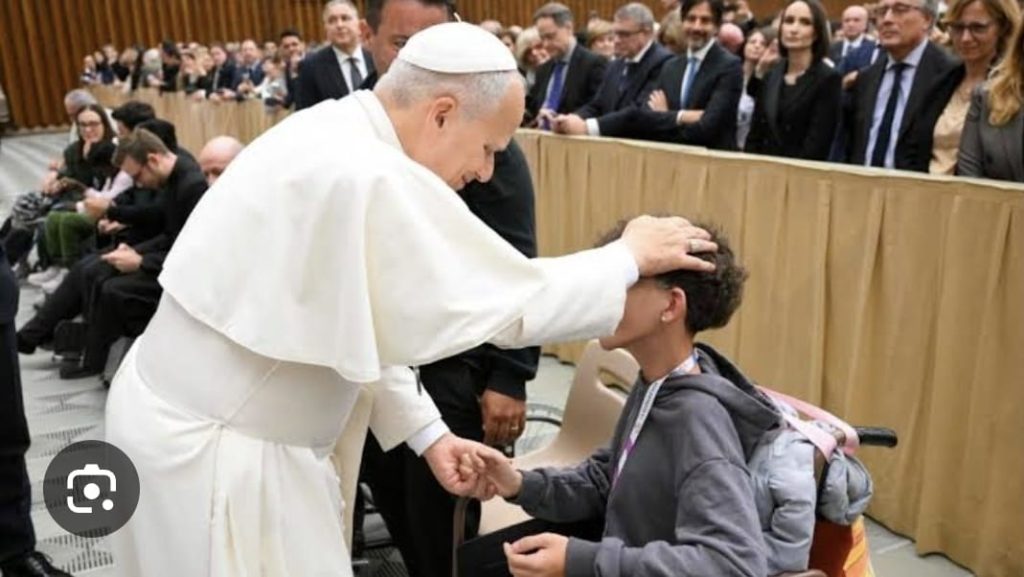
The Gift of Encounter: Offering Closeness and Presence
Pope Leo XIV observed that modern society is immersed in a culture of speed, immediacy, and haste, which he described as a culture of discard and indifference that prevents people from pausing along the way to acknowledge the needs and suffering that surround them. In the parable, when the Samaritan saw the wounded man, he did not pass by but looked upon him with an open and attentive gaze, the very gaze of Jesus, which led him to act with human and compassionate closeness.
The Pope noted that the Samaritan stopped, approached the man, and cared for him personally, even spending his own money to provide for his needs, and above all, he gave him his time. Jesus does not merely teach who our neighbor is, the Pope explained, but rather how to become a neighbor and how to draw close to others.
Drawing on Saint Augustine, Pope Leo XIV affirmed that the Lord did not intend to show who that man’s neighbor was, but rather to whom he should become a neighbor. Indeed, no one is truly a neighbor until they freely draw near to another. Thus, the one who became a neighbor was the one who showed mercy.
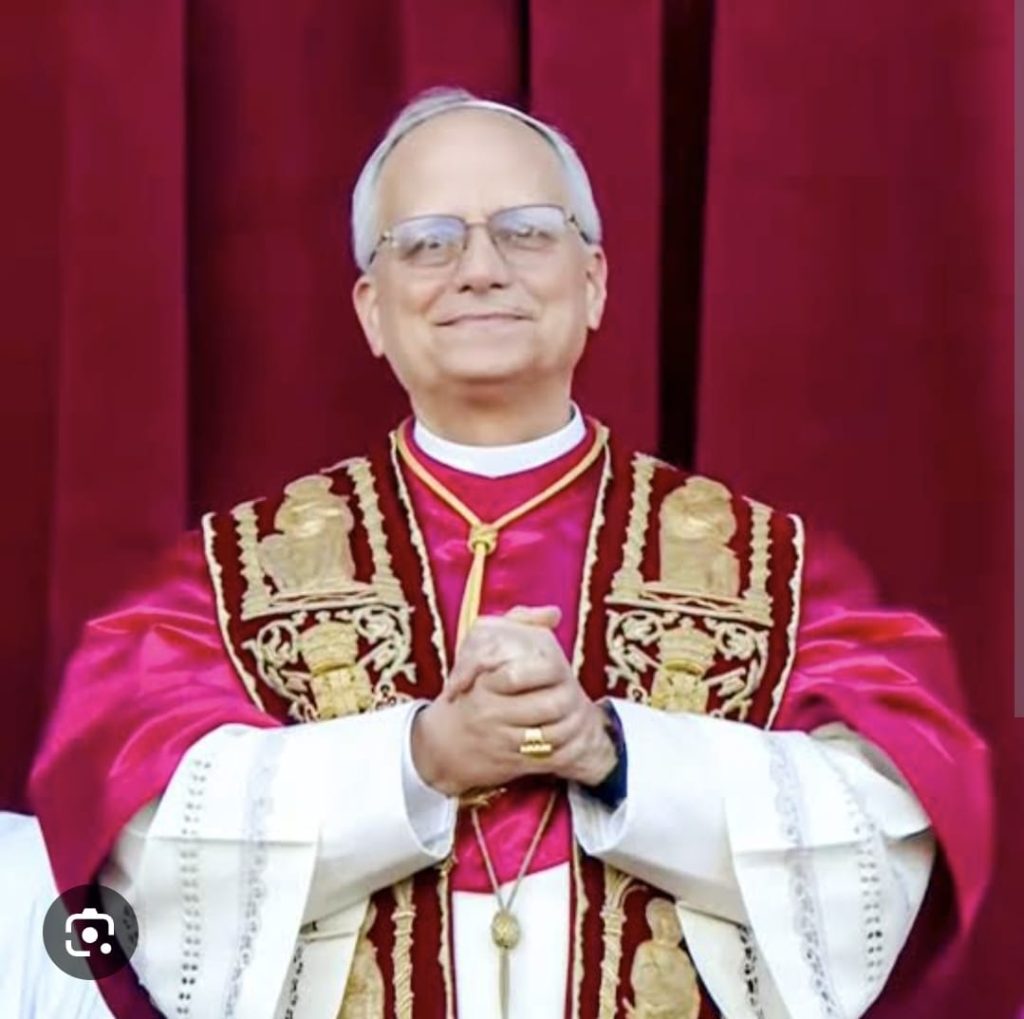
The Holy Father emphasized that love is not passive but goes out to meet the other. Being a neighbor is not determined by physical or social proximity but by the decision to love. This is why Christians become neighbors to those who suffer, following the example of Christ, the true divine Samaritan who drew near to wounded humanity.
Pope Leo XIV stressed that these are not mere gestures of philanthropy but signs through which we perceive that personal participation in another’s suffering involves the gift of oneself. It means going beyond the simple satisfaction of needs, so that our very person becomes part of the gift. This kind of charity, he said, is necessarily nourished by an encounter with Christ, who gave himself for us out of love.
The Pope quoted Saint Francis of Assisi, who, speaking of his encounter with lepers, said that the Lord himself led him among them, because through them he had discovered the sweet joy of loving. The gift of encounter flows from our union with Jesus Christ, the Pope explained. We recognize him as the Good Samaritan who has brought us eternal salvation, and we make him present whenever we reach out to a wounded brother or sister.
Saint Ambrose’s words were cited to illustrate this point: “Since no one is more truly our neighbor than he who has healed our wounds, let us love him as Lord and also as neighbor; for nothing is so close as the head to its members. Let us also love those who imitate Christ; let us love those who suffer due to the poverty of others, for the sake of the unity of the Body.”
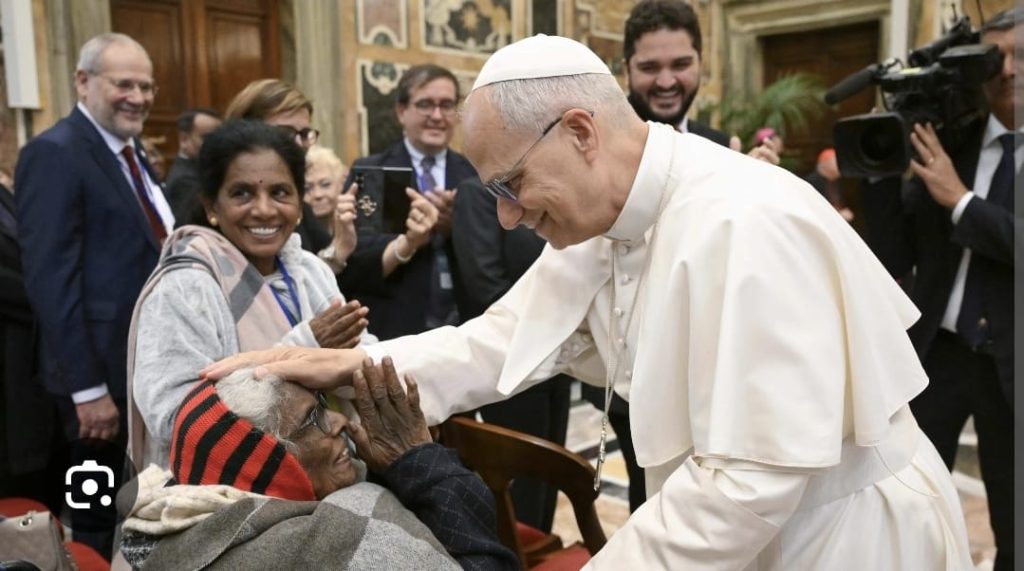
The Shared Mission of Caring for the Sick
Pope Leo XIV noted that Saint Luke’s Gospel describes how the Samaritan was moved with pity. Compassion, in this sense, implies a profound emotion that compels us to act. It is a feeling that springs from within and leads to a committed response to another’s suffering. In this parable, compassion is the defining characteristic of active love; it is neither theoretical nor merely sentimental but manifests itself through concrete gestures.
The Samaritan drew near, tended the wounds, took charge, and provided care. Notably, the Pope observed, he does not act in isolation. The Samaritan discovered an innkeeper who would care for the man, and we too are called to unite as a family that is stronger than the sum of small individual members.
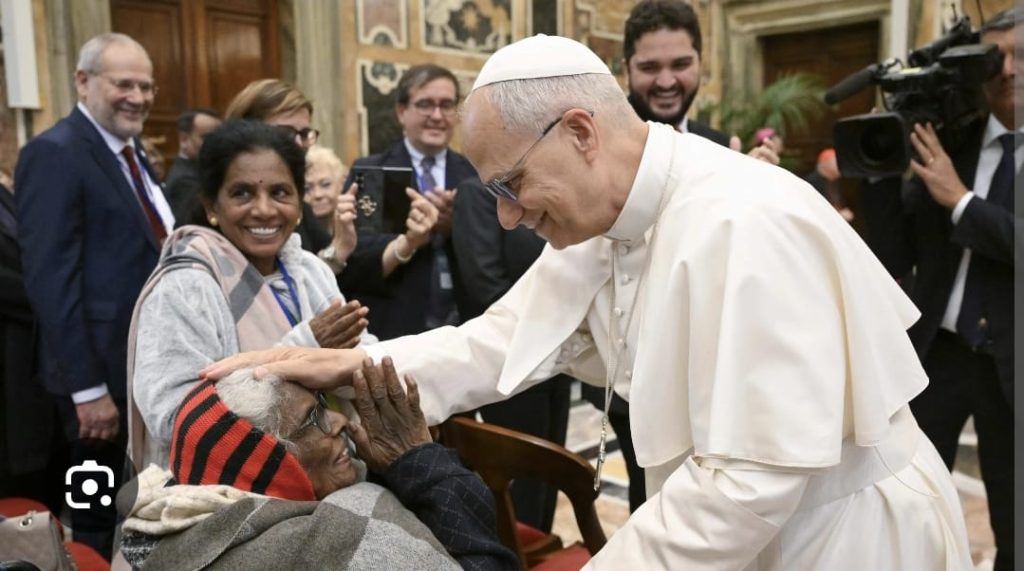
Drawing from his personal experience as a missionary and bishop in Peru, Pope Leo XIV testified that he has witnessed many who show mercy and compassion in the spirit of the Samaritan and the innkeeper. Family members, neighbors, healthcare workers, those engaged in pastoral care for the sick, and many others stop along the way to draw near, heal, support, and accompany those in need. By offering what they have, they give compassion a social dimension.
This experience, occurring within a network of relationships, transcends mere individual commitment. For this reason, in the Apostolic Exhortation Dilexi Te, the Pope referred to the care of the sick not only as an important part of the Church’s mission but as an authentic ecclesial action. He quoted Saint Cyprian to illustrate how this dimension serves as a measure of a society’s health, asking whether the healthy serve the sick, whether relatives love each other with sincerity, whether masters have pity on their sick servants, and whether doctors do not abandon the sick who beg for help.
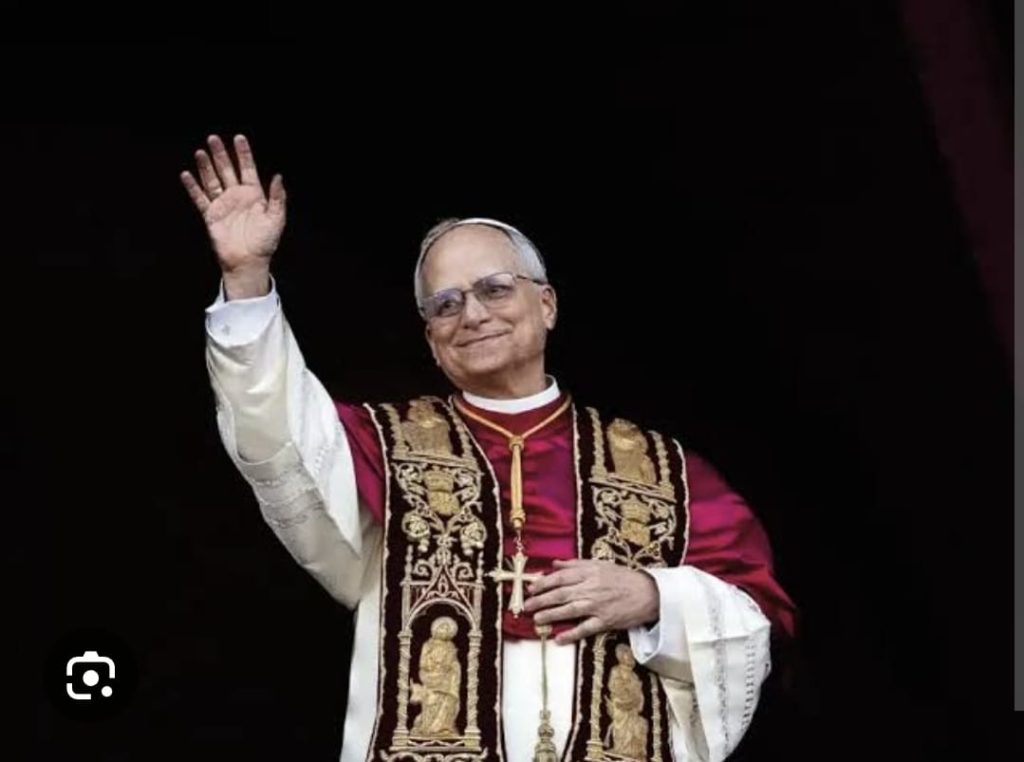
To be one in the One, Pope Leo XIV explained, means truly recognizing that we are members of a single Body that brings the Lord’s compassion to the suffering of all people, each according to our own vocation. Moreover, the pain that moves us to compassion is not the pain of a stranger; it is the pain of a member of our own Body, to whom Christ our Head commands us to attend for the good of all. In this sense, our service is identified with Christ’s own suffering and, when offered in a Christian spirit, hastens the fulfillment of the Savior’s prayer for the unity of all.
Always Driven by Love for God
In the double commandment to love the Lord God with all one’s heart, soul, strength, and mind, and to love one’s neighbor as oneself, Pope Leo XIV recognized the primacy of love for God and its direct consequences for every dimension of human love and relationship. Love for our neighbor is tangible proof of the authenticity of our love for God, as the Apostle John attests.
Although the object of this love differs—God, neighbor, and oneself—and can be understood as distinct expressions of love, they remain fundamentally inseparable. The primacy of divine love implies that human action is carried out not for self-interest or reward but as a manifestation of a love that transcends ritual norms and finds expression in authentic worship. To serve one’s neighbor is to love God through deeds.
This perspective also allows us to grasp the true meaning of loving ourselves, the Pope explained. It means setting aside any attempt to base our self-esteem or sense of dignity on worldly stereotypes such as success, career, status, or family background, and recovering our proper place before God and neighbor.
Pope Leo XIV quoted Pope Benedict XVI, who observed that as a spiritual being, the human creature is defined through interpersonal relations. The more authentically one lives these relations, the more one’s personal identity matures. It is not by isolation that man establishes his worth but by placing himself in relation with others and with God.
A Call to Fraternal Love
The Holy Father concluded his message by emphasizing that the true remedy for humanity’s wounds is a style of life based on fraternal love, which has its root in love of God. He expressed his genuine hope that the Christian lifestyle will always reflect this fraternal, Samaritan spirit—one that is welcoming, courageous, committed, and supportive, rooted in union with God and faith in Jesus Christ. Enkindled by this divine love, we will surely be able to give of ourselves for the good of all who suffer, especially our brothers and sisters who are sick, elderly, or afflicted.
Pope Leo XIV raised prayers to the Blessed Virgin Mary, Health of the Sick, asking her to assist all who suffer and are in need of compassion, consolation, and a listening ear. He invoked her intercession with an ancient prayer that has been used in families for those living with illness and pain, asking the Sweet Mother not to part from us, to walk with us at every moment, and to obtain the blessing of the Father, Son, and Holy Spirit.
The Pope cordially imparted his Apostolic Blessing to all who are sick, to their families, and to those who care for them—healthcare workers and pastoral workers alike—and in a special way to all participating in the World Day of the Sick.
The message serves as a profound reminder that in an age of increasing individualism and indifference, the call to become neighbors to those who suffer remains as urgent as ever. By embodying the compassion of the Good Samaritan, Christians can transform society and bring the healing presence of Christ to a wounded world.