By Eddy Waure
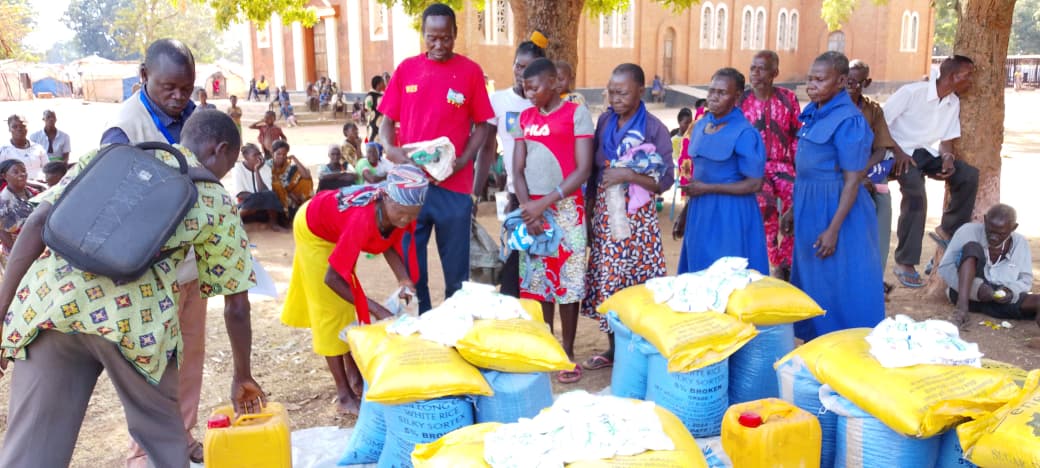
One hundred internally displaced households in Tambura County have received food assistance from the Catholic Organization for Development and Peace, with support from the Scottish Catholic International Aid Fund.
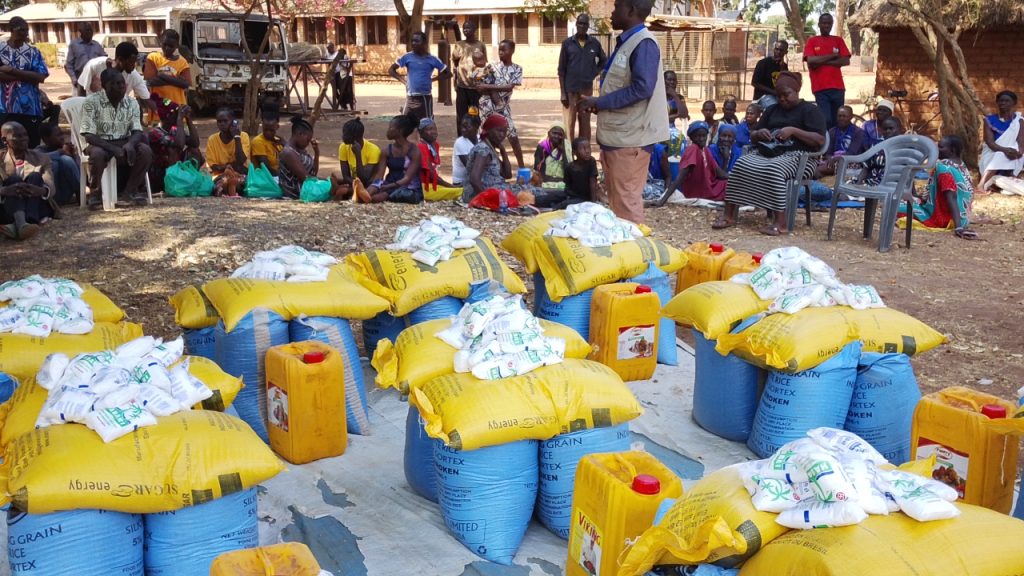
Tambura County currently hosts 13 displacement camps following five years of conflict since 2021. Families in these camps continue to struggle with shortages of food, clean water, medicine, and shelter, with women, children, and the elderly bearing the greatest burden.
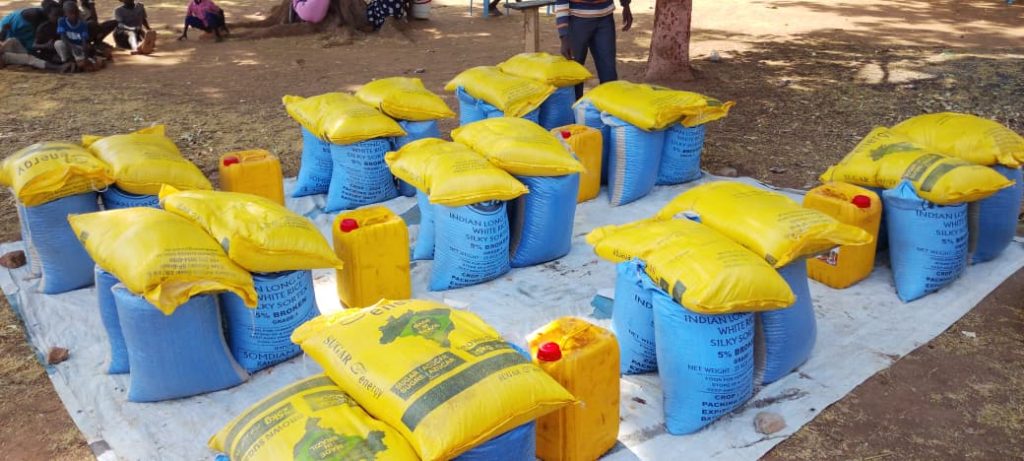
On Sunday, CODEP distributed rice, beans, sugar, salt, and cooking oil to three camps—Renzi Primary School, Mabaiku, and the Barracks—during an event held at St. Mary Parish. The distribution marks the latest effort by the faith-based organization to address the humanitarian crisis affecting thousands of displaced persons across Western Equatoria State.
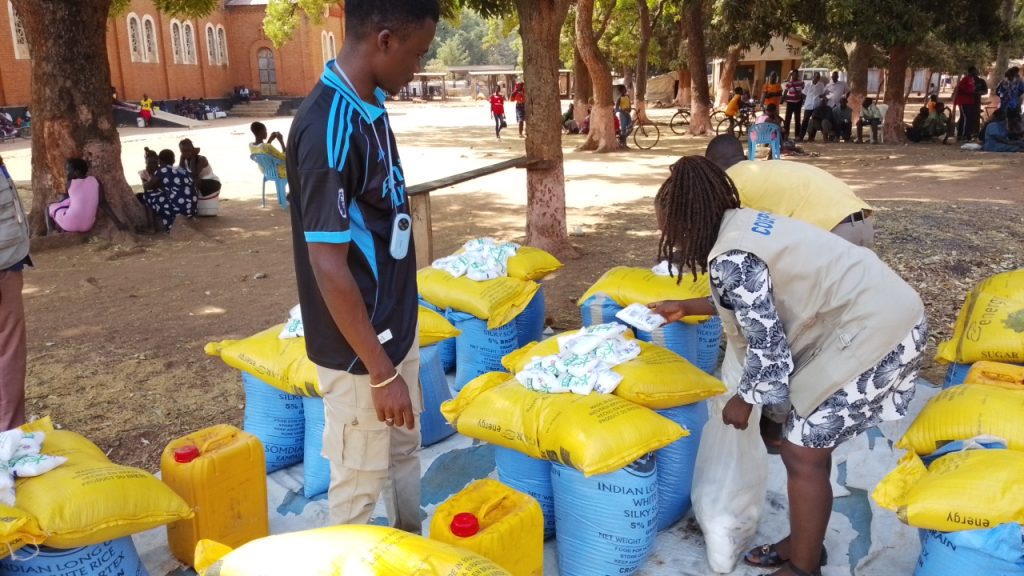
CODEP’s Humanitarian Coordinator, Mr. Gibson Kamilio Bakuyo, said the organization has so far supported 200 households, with plans to extend aid to Source-Yubu in the next round. He expressed gratitude to SCIAF for their partnership and emphasized the need for continued support to reach more internally displaced persons across Western Equatoria.
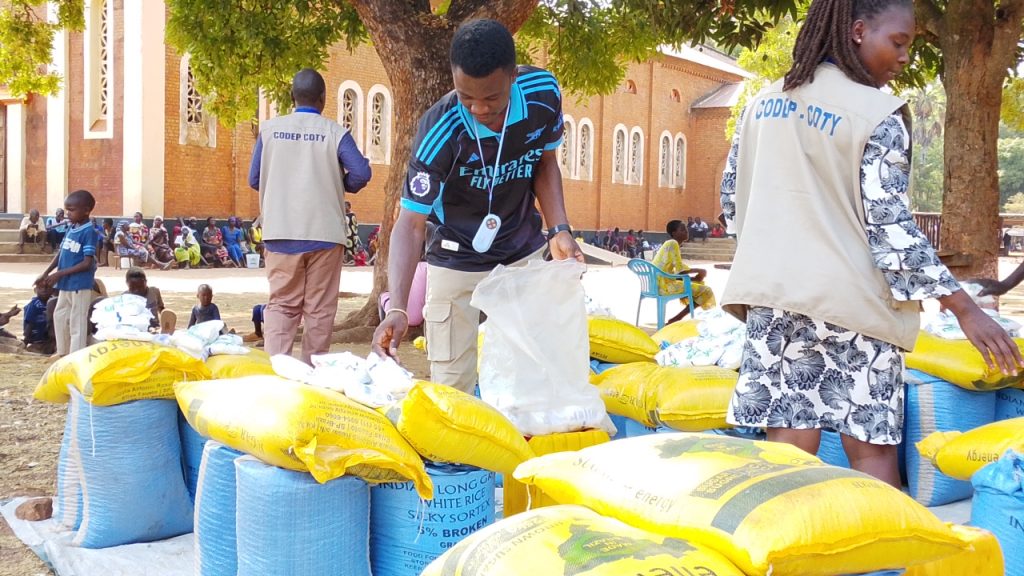
The Relief and Rehabilitation Commission Coordinator, Madam Lucy Edward, also thanked CODEP and its partners, noting that the assistance comes at a critical time for displaced families who have endured years of hardship and uncertainty.
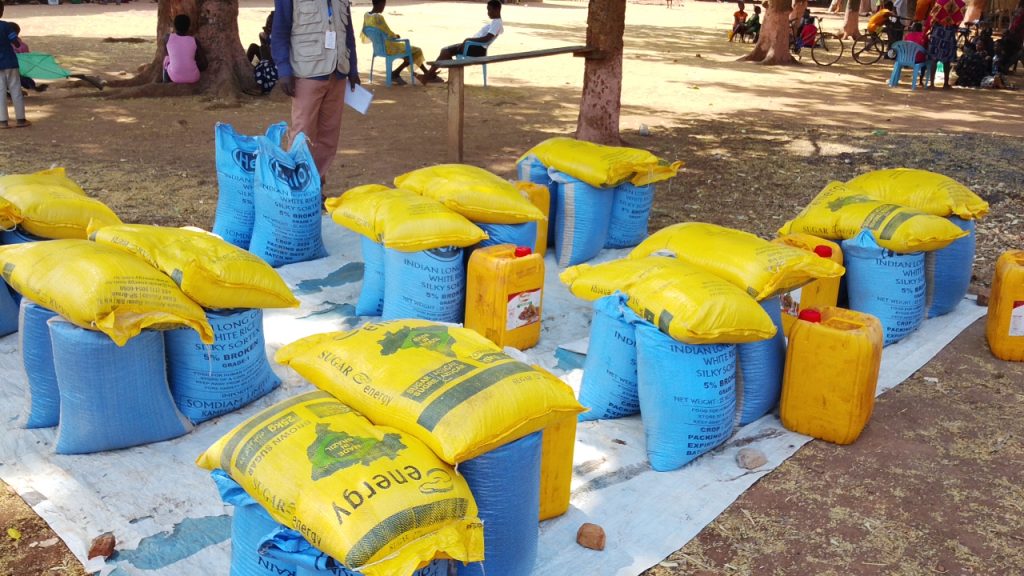
Community leaders echoed this appreciation. Mr. Peter Marko Nyasi, camp leader at Renzi Primary School, said the food items would provide much-needed relief to families who have been struggling to meet their basic needs. He expressed hope that more assistance would follow to sustain the displaced population through the coming months.
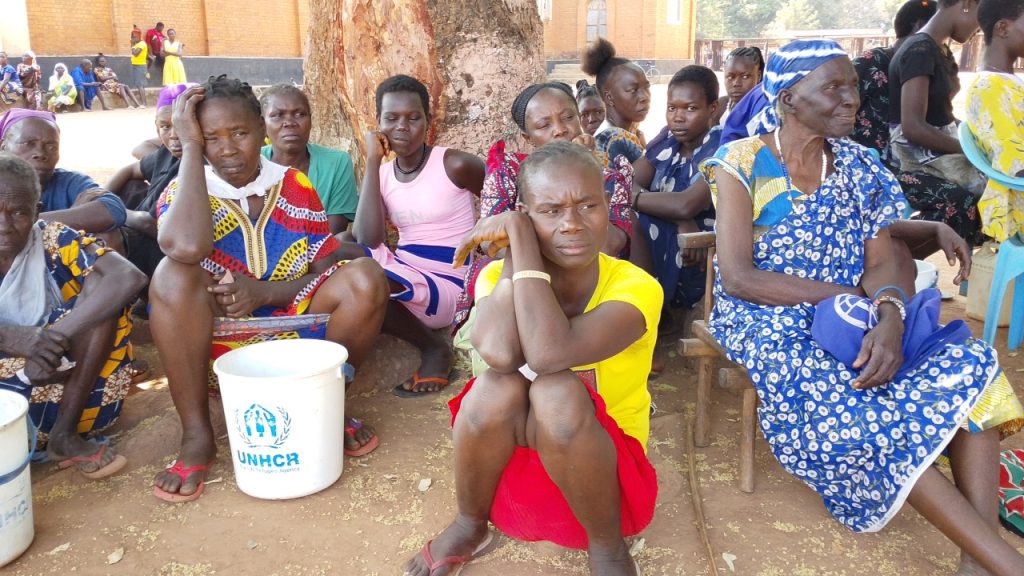
Asunta Victor, from the Barracks camp, highlighted the importance of peace in addressing the root causes of displacement. She stated that all this suffering comes from war, adding that if there was peace, communities could cultivate more in their societies. She emphasized the desperate need for peace to enable displaced families to return to their homes and rebuild their lives.
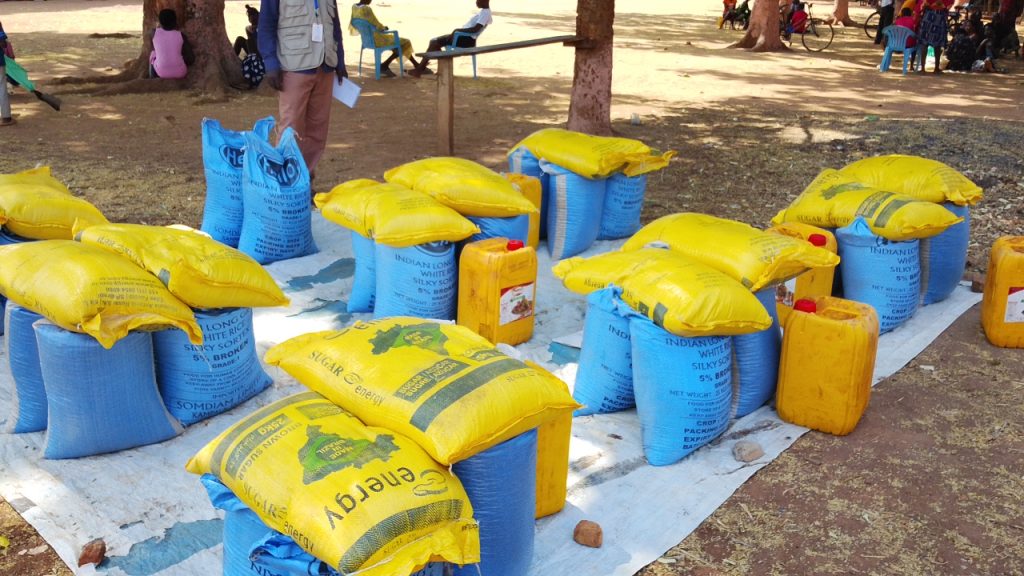
Similarly, Damiano Bakinde from Mabaiku camp welcomed the support, stressing that despite the limited supplies, the aid would help sustain families in the short term. He called for increased assistance to meet the growing needs of the displaced population, many of whom have been living in camps for several years without access to adequate food, healthcare, or livelihood opportunities.
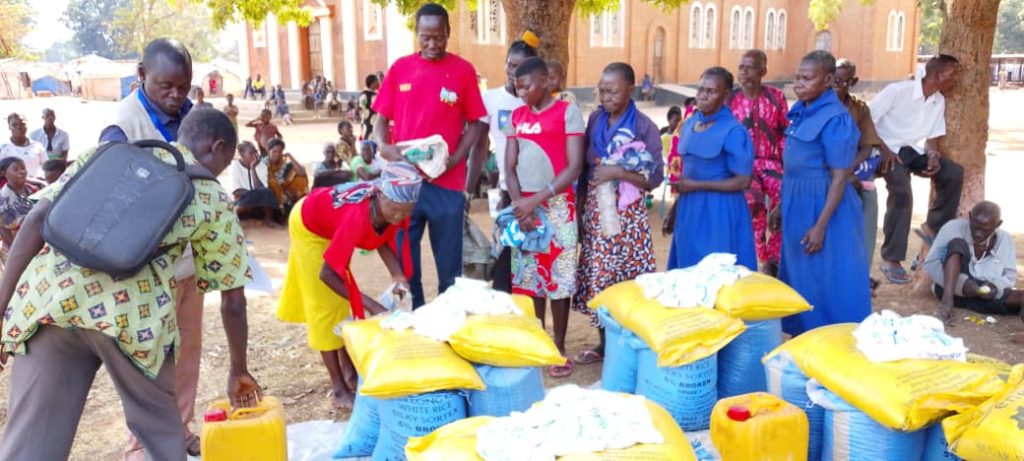
The ongoing displacement in Tambura County reflects the broader humanitarian challenges facing Western Equatoria State, where protracted conflict has uprooted thousands of families and disrupted agricultural production. Many displaced persons fled their homes with little more than the clothes on their backs and have been unable to return due to insecurity and the destruction of property.
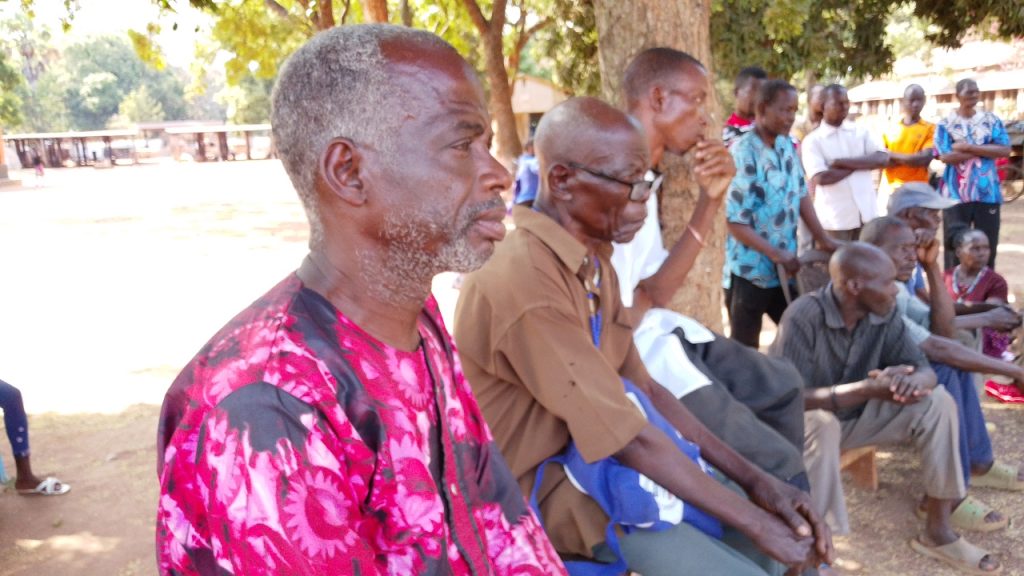
CODEP continues to appeal for more funding to expand its humanitarian response in Western Equatoria State, where thousands remain displaced and vulnerable. The organization is working closely with diocesan structures, community leaders, and local authorities to identify the most vulnerable households and ensure that assistance reaches those in greatest need.
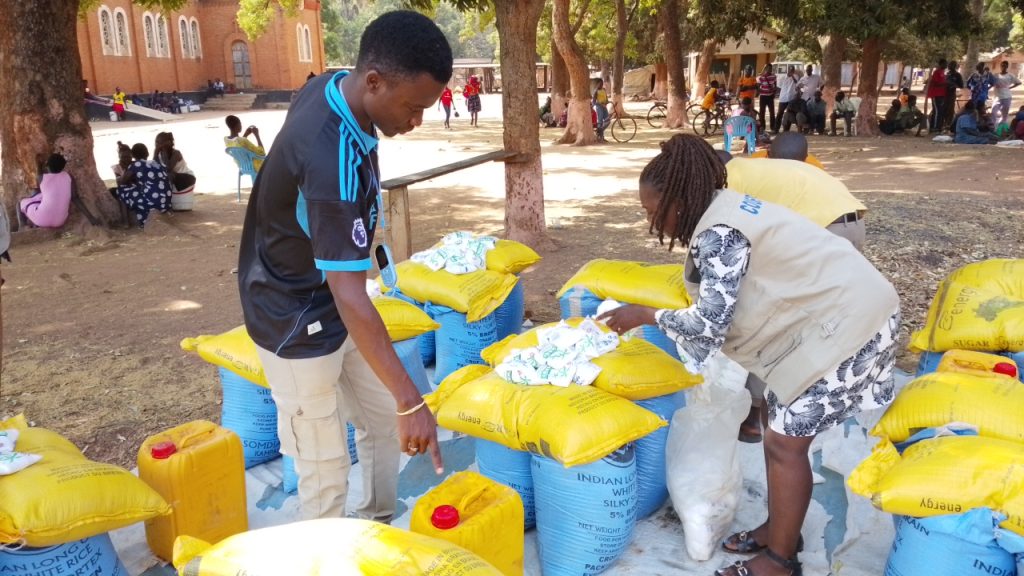
The distribution at St. Mary Parish was attended by local government officials, religious leaders, and representatives from the displaced communities, who expressed appreciation for the solidarity shown by CODEP and its partners during this difficult period. As the humanitarian situation continues to evolve, faith-based organizations like CODEP remain critical lifelines for communities affected by conflict and displacement across South Sudan.