Catholic Education Board Reviews 2025 Activities, Adopts Strategic Plan for 2026–2030

TOMBURA–YAMBIO — The Catholic Education Board (CEB) of the Catholic Diocese of Tombura–Yambio convened its final annual meeting of 2025 today, bringing together diocesan education officials, heads of Catholic institutions, and key stakeholders committed to the growth and strengthening of Catholic education across the Diocese.

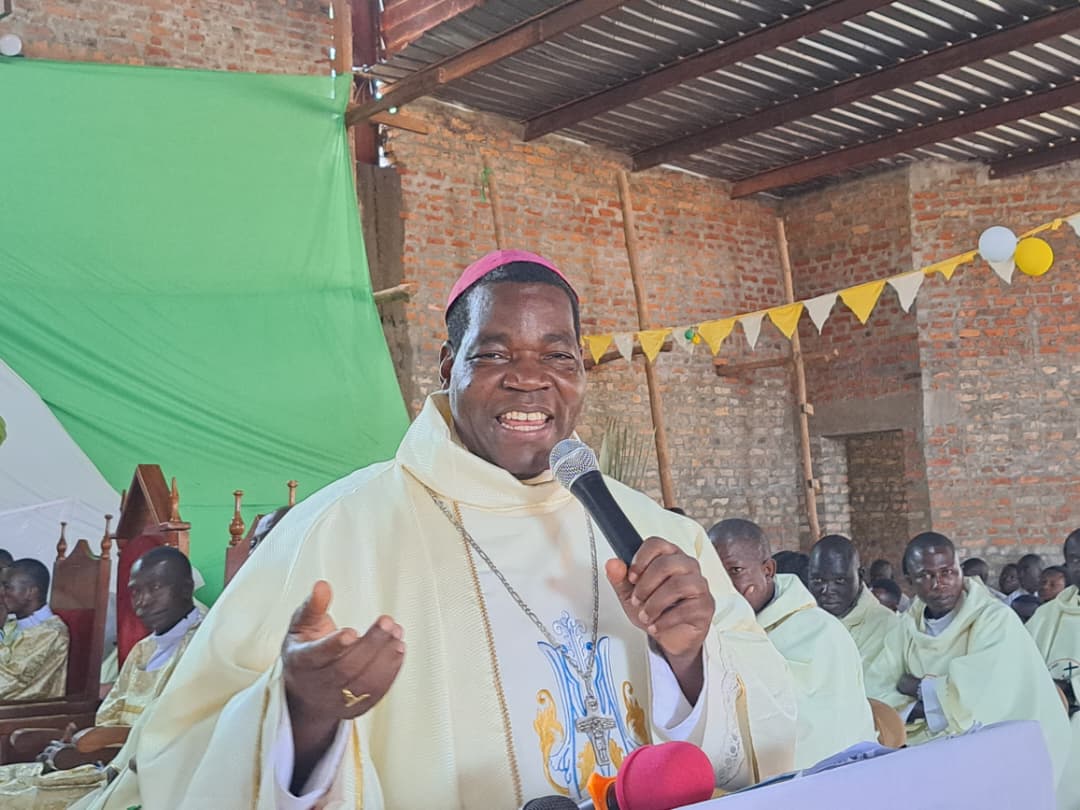
Under the pastoral guidance of Bishop Eduardo Hiiboro Kussala, participants reviewed the 2025 Annual General Report and formally adopted a comprehensive strategic work plan for 2026–2030. The new multi-year strategy aims to both consolidate past achievements and set a transformative vision for the Diocese’s education sector.

Key Resolutions: Unity, Integrity, and Quality as Foundations for Growth
Among the key resolutions adopted, the Board underscored:
- Strengthened Collaboration Across Institutions: The CEB called for deeper synergy among nursery, primary, secondary, and tertiary Catholic institutions under its jurisdiction. By coordinating shared resources, standardizing academic practices, and promoting joint training programs, the Board expects to ensure uniform academic standards and reinforce Catholic values across all schools.
- Zero Tolerance for Examination Malpractice: In response to rising concerns about exam malpractice in South Sudan, the Board reaffirmed that Catholic schools under the Diocese will enforce strict supervision and integrity policies. Measures include enhanced teacher-training on ethics, standardized examination procedures, and community sensitization to uphold the credibility of academic results.
- Investment in Teacher Quality and Professional Development: Recognizing that quality education depends on committed and well-trained staff, the Board resolved to intensify in-service teacher training, enforce stringent recruitment and retention policies, provide motivation and performance appraisal, and encourage spiritual formation for all educators — aligned with the Catholic educational mission.
- Financial Integrity and Transparent Management: Reviewing financial reports across diocesan schools, the Board emphasized ethical stewardship of resources. The 2026–2030 plan includes robust financial controls, regular audits, training in financial literacy for school managers, and transparent budgeting processes.
- Discipline, Catholic Identity, and Pastoral Guidance: The Board reiterated the importance of moral and spiritual formation. Clear disciplinary frameworks, counseling services, and pastoral accompaniment will continue to guide student behavior and staff conduct, preserving the Catholic identity of all institutions.
- Improved Leadership and Governance in Schools: To enhance school governance and academic performance, the Board resolved to strengthen school boards, empower headteachers through leadership training, and enforce diocesan education policies consistently across all institutions.

Strategic Vision 2026–2030: Building Future-Oriented Catholic Education

The newly adopted 2026–2030 strategy lays out a long-term vision for the Diocese’s education system, with core ambitions including:

- Academic excellence paired with strong moral and spiritual formation.
- Standardized curricula and examination systems across all schools.
- Integration of digital literacy and modern learning resources to prepare learners for contemporary challenges.
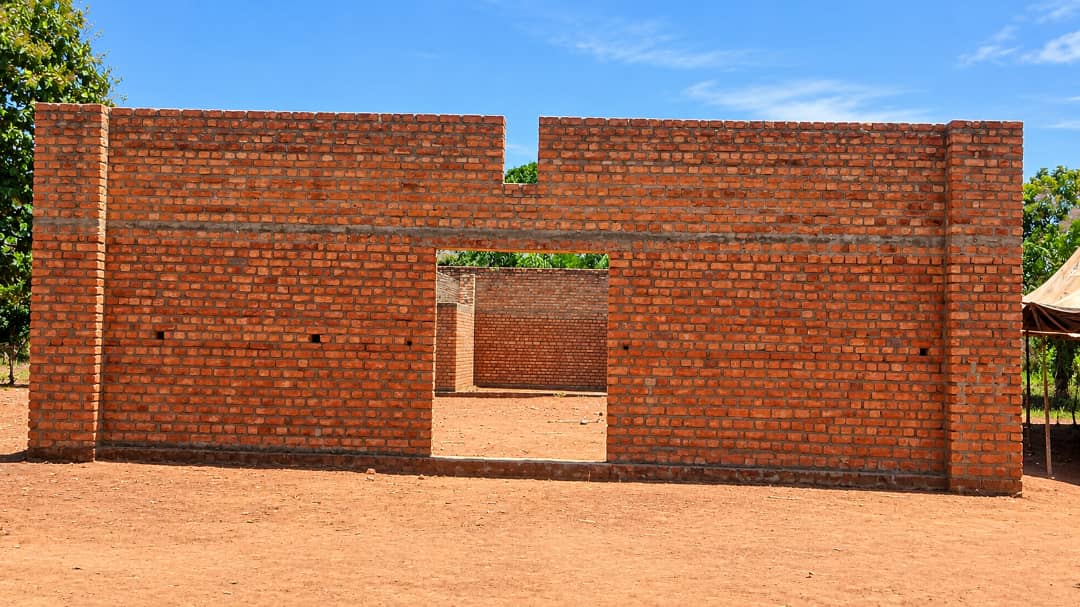
- Infrastructure development to ensure safe, conducive, and inclusive learning environments.
- Support mechanisms for vulnerable learners, including scholarship and aid programs.
- Promotion of cultural preservation through instruction in local languages and incorporation of community heritage.
- Building partnerships with external stakeholders — NGOs, community organizations, and donor entities — to ensure sustainable growth and resource mobilization.

In his closing remarks, Bishop Hiiboro described Catholic education as “a sacred mission — the formation of the whole human person in truth, faith, values, and service to society.” He commended board members and stakeholders for their dedication and stressed the need for integrity, passion, and collaborative action to keep Catholic schools “beacons of excellence and hope in Western Equatoria and beyond.

The decisions made during this final 2025 meeting mark a decisive shift toward a more organized, ethical, and future-oriented Catholic education system within the Diocese. With clear strategies, renewed commitment, improved governance, and an emphasis on quality — both academically and spiritually — the Catholic Diocese of Tombura–Yambio aims to raise a generation of competent, morally grounded, and socially responsible citizens for South Sudan.

As part of the implementation phase, diocesan authorities plan to engage with all Catholic institutions to ensure adoption of the new strategic framework. Stakeholders have been urged to support teacher training initiatives, infrastructure development, resource mobilization, and community-school engagements. The success of this ambitious plan hinges on collective effort of church leaders, educators, parents, and the wider community.

The Catholic Diocese of Tombura–Yambio serves a network of Catholic institutions across Western Equatoria. The Catholic Education Board provides oversight to schools and institutions under the Diocese, promoting academic excellence, moral formation, and community service. The Board supports governance, curriculum standards, teacher development, and resource management, aiming to nurture holistic education rooted in Catholic values.