By Sr. Laurencila Akinyi, FSSA

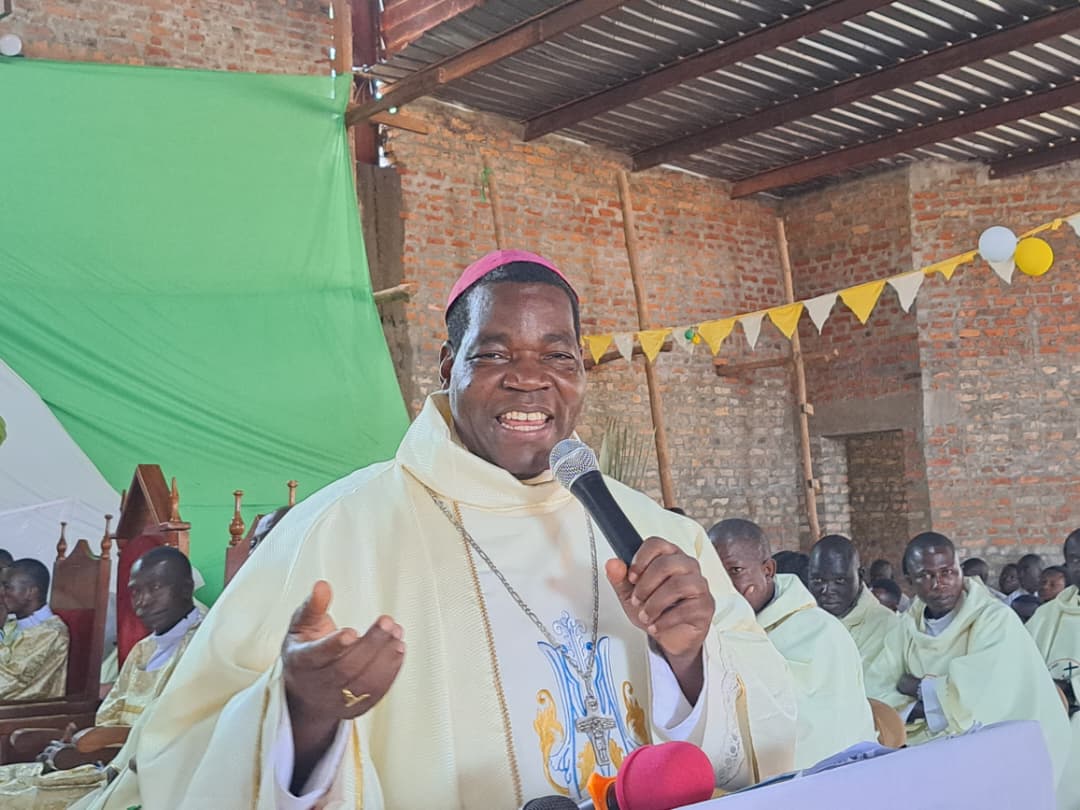
WESTERN EQUATORIA STATE, SOUTH SUDAN — The Catholic Diocese of Tombura-Yambio (CDTY) has issued a significant Administrative Order restricting vaccination, medical interventions, and all external activities in Catholic schools unless accompanied by parental presence and written diocesan authorization. The directive, signed by His Lordship Barani Eduardo Hiiboro Kussala, Bishop of the Tombura-Yambio Diocese, aims to protect the dignity, safety, and rights of children in the Diocese’s educational institutions.
The order, numbered N.021/025/CDTY and dated 12 December 2025, was addressed to Catholic school administrators, boards of governors, parish priests, education secretaries, teachers, and all education stakeholders within the Diocese. It comes amid growing concerns about external health and community interventions taking place in school settings — often without sufficient parental involvement or diocesan oversight.

A Clear Directive to Protect Children’s Rights
The Diocesan Administrative Order states clearly that all forms of vaccination or medical intervention on school premises are strictly prohibited unless the child’s parent or legal guardian is physically present and has provided written consent. Additionally, such activities must have official government authorization and prior written approval from the Diocesan Administration.
“Catholic schools are not merely public spaces; they are extensions of the Church’s pastoral and evangelizing mission,” the Bishop’s office explained, emphasizing that schools must operate in full fidelity to Catholic teaching, diocesan policy, synodal directives, and the fundamental rights of parents as primary guardians and educators of their children.

According to the order, this measure is a precautionary and protective action intended to uphold parental authority while preserving the dignity and well-being of learners. Catholic education policy underscores that parents remain the first and foremost educators of their children — a principle the Diocese affirms must guide all school activities, especially those involving health interventions.
Moral and Pastoral Framework
The directive further outlines moral and pastoral considerations rooted in Catholic social teaching, which asserts that “the dignity of the human person must be respected and protected from conception to natural death.” Under this framework, no child should undergo medical, health, or ideological interventions without full parental awareness, informed consent, and appropriate ecclesial oversight.
This directive aligns with broader Catholic educational objectives that place equal importance on spiritual, moral, and physical formation of students, safeguarding their holistic development in light of Gospel values. Catholic schools in the Diocese are seen not only as centers of academic learning but also as environments that reflect Church teachings and the pastoral mission of the Diocese.
School Premises as “Holy Ground”
The Administrative Order goes further to describe Catholic school property as “Holy Ground,” calling on all administrators to recognize and uphold this sacred status. This designation underscores that the Diocese considers its schools spaces dedicated to the integral formation of learners — intellectually, morally, spiritually, and physically.
In practical terms, the order mandates that no institution, non-governmental organization (NGO), community-based organization (CBO), or external agency — even if their work is framed as educational, medical, humanitarian, or developmental — may operate on Catholic school premises without prior written authorization from the Diocesan Administration.
Moreover, any activity that might promote or subtly introduce ideologies that contradict Catholic faith, morals, or Christian anthropology is expressly prohibited. This provision reflects the Diocese’s resolve to protect its community from influences that may undermine Catholic teaching or traditional family values.
Practical Measures for Implementation
To effect these directives, the Diocese has outlined a series of key practical measures:
- Immediate suspension of all ongoing or planned vaccinations or medical interventions in Catholic schools until further diocesan guidance is issued.
- School administrators must inform parents promptly and clearly about any proposed health or external initiatives.
- All requests from government entities, NGOs, or agencies must be referred to the Diocesan Education Office for review and approval.
- Schools must maintain proper documentation, including written authorizations, parental consent forms, and official correspondence for any activity involving learners.
- Teachers and staff must be sensitized on the Administrative Order to ensure consistent understanding and compliance.
- Any violations of the directive must be reported immediately to Diocesan authorities for action.
Enforcement and Consequences for Non-Compliance
The Administrative Order warns that failure to comply will constitute a “serious breach” of diocesan policy and may attract canonical and administrative sanctions under Church law. This provision highlights the Diocese’s commitment to enforcing the directive decisively, ensuring that its educational mission remains aligned with Catholic values and parental rights.
A Pastoral Appeal to the Catholic Community
In his concluding appeal, Bishop Hiiboro Kussala urged all stakeholders — from administrators to teachers, from parish priests to parents — to implement the order in a spirit of unity, obedience, and shared mission. He invoked Scripture texts such as 1 Corinthians 16:14 (“Let all that you do be done in love”) and Matthew 18:5 (“Take care of my little ones”) to reinforce the moral imperative behind the directive.

The Bishop’s message reaffirmed the Diocese’s commitment to ensuring that Catholic schools in Western Equatoria State remain safe, faithful, and nurturing environments for children’s comprehensive formation — places where academic excellence, moral integrity, and spiritual growth go hand in hand.
Context: The Diocese’s Ongoing Commitment to Education
The Diocese of Tombura-Yambio, established in 1949 and currently led by Bishop Eduardo Hiiboro Kussala, oversees 22 parishes and serves a Catholic population of more than 1.3 million in Western Equatoria State. Its educational initiatives, including primary, secondary, and teacher-training programs, reflect a longstanding commitment to holistic education and community development.

Recent diocesan efforts have included educational campaigns, teacher support programs, and community outreach projects designed to reinforce the value of schooling and moral formation. These efforts affirm that the Catholic Church sees education as a vital component of both religious life and social progress.
Conclusion
The Diocesan Administrative Order represents a decisive step by the Catholic Diocese of Tombura-Yambio to assert parental rights and uphold moral and pastoral oversight in school environments. By requiring written parental consent and diocesan authorization for all vaccinations and external activities, the Diocese seeks to protect its students while affirming its identity as a faith-centered educational body.
As the order takes effect, Catholic school communities across Western Equatoria State are preparing to engage with the new directives, ensuring compliance while deepening collaboration between parents, teachers, and Church leaders — all in service of building safer, holistically formed, and faith-rooted future generations.