By Waure Eddy.
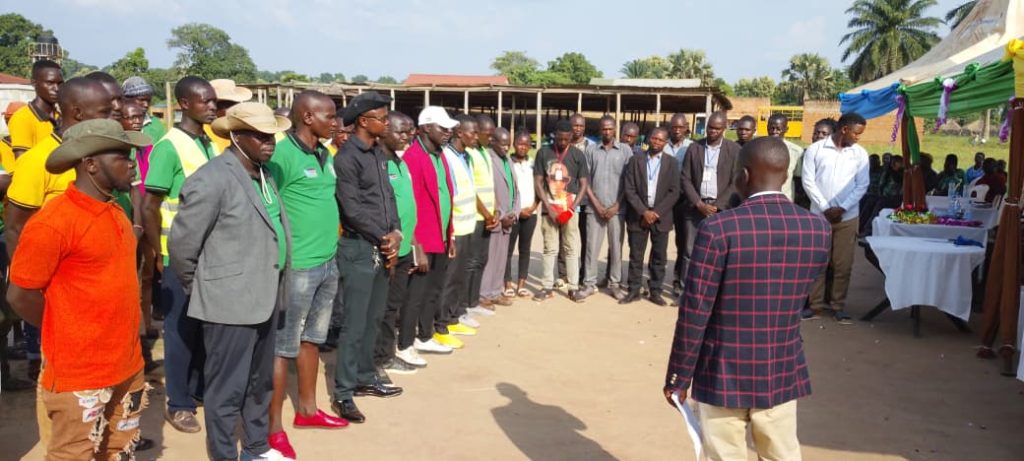
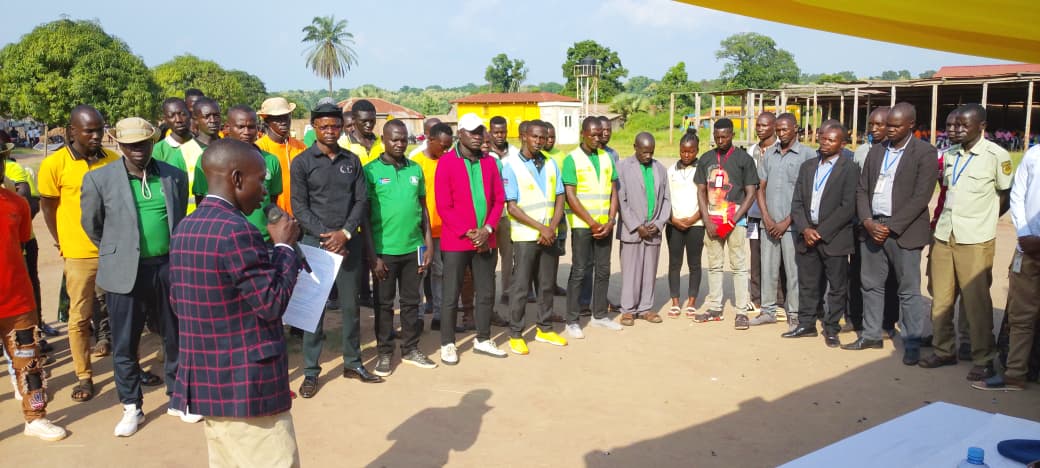
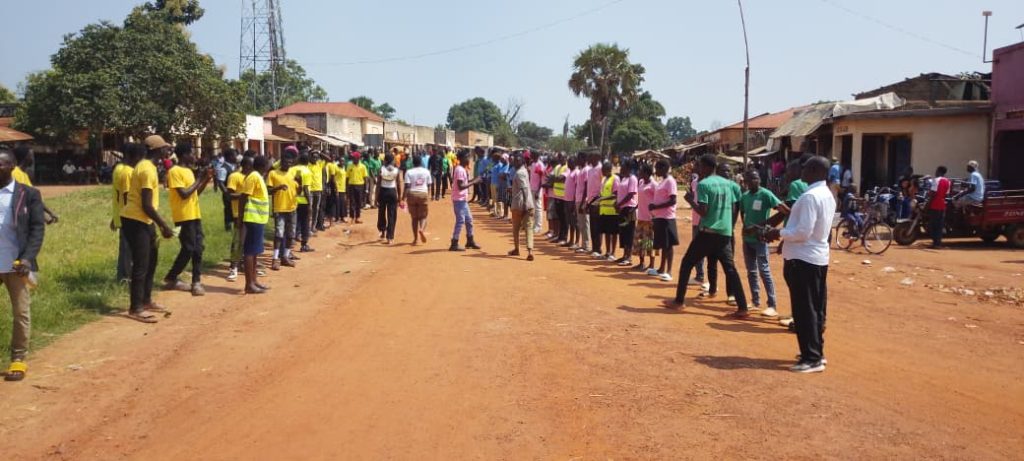
The newly appointed chairperson of the Boda-Boda Association in Western Equatoria State, Mr. Christopher Badumoyosa, officially launched his county tour initiative in Nzara on Tuesday, marking the beginning of an ambitious effort to visit all ten counties across the state to unite motorcycle taxi riders around a shared vision of discipline, safety, and development.
During the inaugural stop in Nzara, Mr. Badumoyosa outlined priorities for the association, calling on riders to uphold discipline and respect for customers and fellow road users. He emphasized that professional conduct is essential for the sector’s growth and community acceptance.
“My boys should respect everyone on the road so that people move freely,” Badumoyosa said, stressing professionalism as a foundational value for the association.
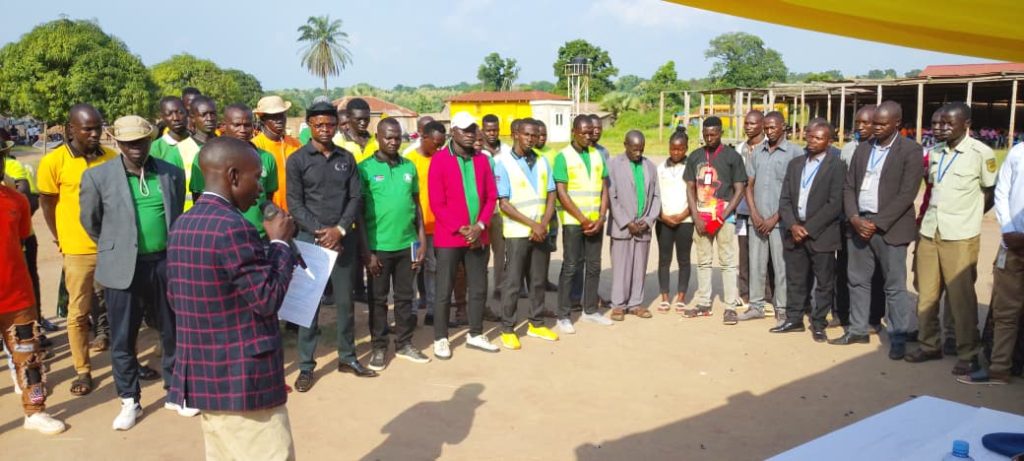
The county tours will subsequently extend to Ibba, Ezo, Tambura, Maridi, Mundri, Source Yubu Payam, and other counties across Western Equatoria State, with the chairperson committed to meeting riders and community stakeholders in each location.
Calls for Government and Police Collaboration
Mr. Badumoyosa called for stronger collaboration between the Boda-Boda Association and state government and traffic police, acknowledging the challenges faced by riders. He expressed concern about what he characterized as excessive charges imposed by traffic police officers on riders.
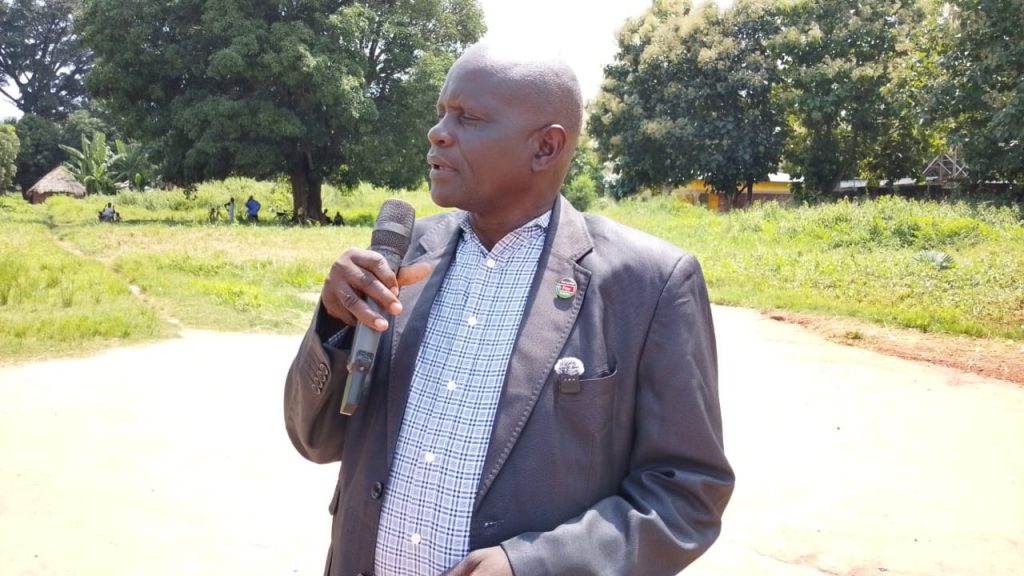
“My boys are always crying because of charges by traffic police officers. Let’s understand someone’s condition before imposing charges. We are in different crises now in our country,” he said, appealing for more compassionate enforcement approaches that consider riders’ economic situations.
His call reflects broader concerns about the relationship between informal transport sectors and government authorities in South Sudan, where limited resources and competing economic pressures often create tensions between enforcement and livelihoods.
Missing Member and Justice Concerns
The chairperson raised serious concerns about a missing association member who disappeared on May 30, 2026, criticizing the lack of updates from authorities despite a suspect being arrested. Badumoyosa expressed frustration with the pace of justice and called on the government to release the suspect to allow the family to proceed with funeral arrangements.

“I want my government to release the suspect so we can proceed with the funeral. If a phone is lost, MTN can track it quickly what about human beings? We need equal justice,” he lamented, highlighting the perception that the justice system moves slowly and unpredictably.
His statement reflects broader concerns about rule of law and accountability in post-conflict South Sudan, where criminal investigations often move slowly and families struggle to get closure when loved ones disappear.
Ambitious Development Plans
Looking beyond immediate operational concerns, Mr. Badumoyosa revealed ambitious plans to establish a clinic under the association’s name and launch agricultural projects to support food production. The health facility would serve association members and potentially provide services to government officials, while agricultural initiatives would contribute to addressing food insecurity.
“We want our government officials to be treated in our clinic in the future, and we aim to feed other parts of South Sudan with our agricultural products,” he said, articulating a vision of the association expanding into economic sectors beyond transportation services.
These plans reflect broader recognition that sustainable livelihoods require diversification and that informal sector workers can contribute to national development goals including food security and health service access.
Safety and Work-Hour Concerns
Mr. Badumoyosa urged riders to limit their working hours for safety, calling for an end to work after 6 p.m. to reduce accident risks and protect rider wellbeing. He acknowledged the economic pressures riders face while emphasizing that no amount of money is worth risking one’s life.
“We are dying like nothing. We need to stop riding by 6 pm. Money is not finishing today; we will still get more tomorrow. Life is very important—there is no extra life in the market,” he stressed, invoking a powerful South Sudanese expression acknowledging that life cannot be replaced or purchased.
His concern about work-hour safety reflects real dangers faced by motorcycle taxi riders who often operate in poor lighting conditions on dangerous roads, particularly during night hours when visibility is limited and accident risks increase significantly.
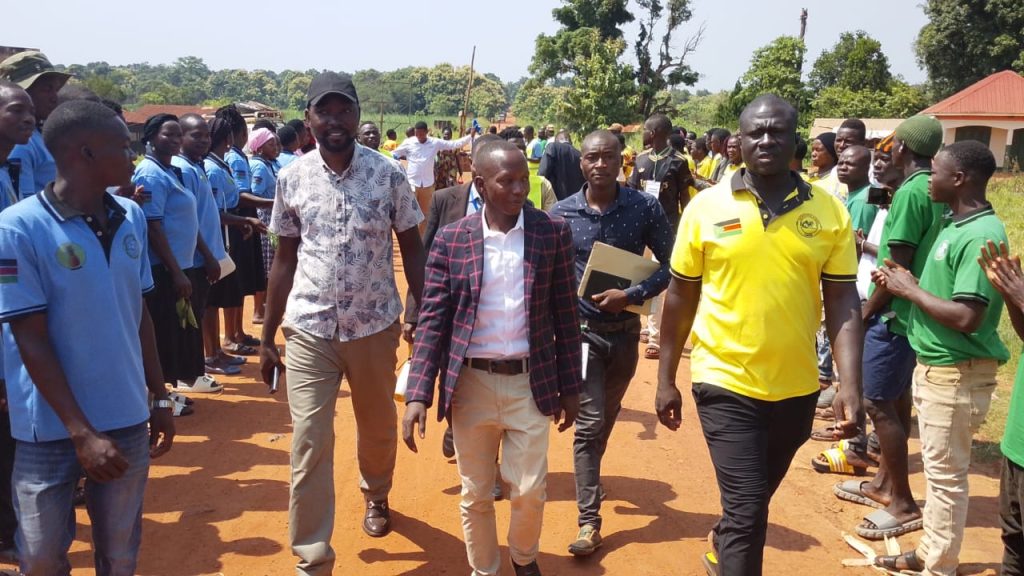
Stakeholder Support and Recognition
Several community leaders and stakeholders spoke during the Nzara County launch, expressing support for the chairperson’s initiatives.
Baraka Paul Albert, Nzara Sub-Association chairperson, called for equal treatment and fairness within the association. “We need equal treatment from our new chairperson. Every rider deserves fairness and recognition,” he said, highlighting the importance of inclusive leadership.
Hon. Peter, Acting Nzara County Commissioner, characterized the touring initiative as marking a new chapter for riders. “This day marks a new chapter for Boda-Boda riders. The chairperson’s tour shows commitment to unity and discipline,” he said, suggesting government recognition of the chairperson’s leadership approach.
Bibi, Female Representative of the Boda-Boda Association, expressed appreciation for the initiative while highlighting women’s concerns. “We appreciate this day. It is a step forward for women in the Boda-Boda sector. We want protection and equal opportunities for all riders,” she said, noting the particular challenges women face in the male-dominated transport sector.
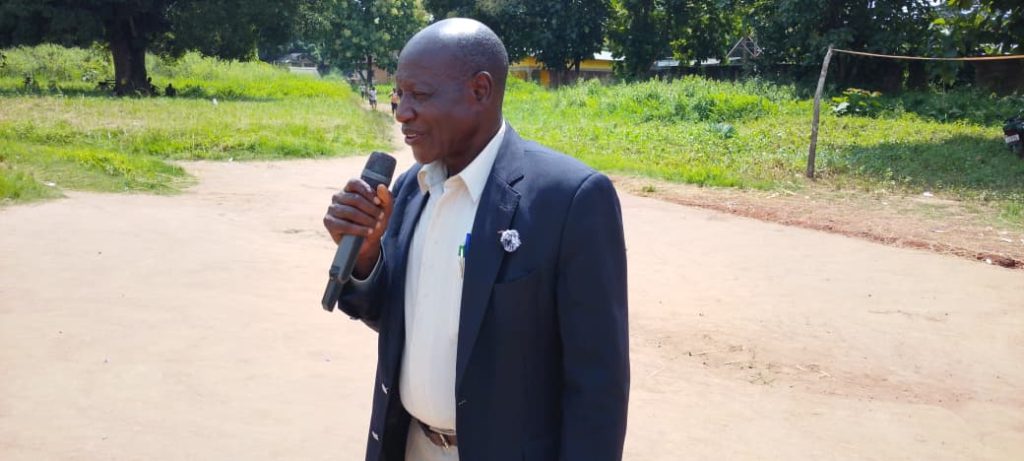
Jonathan Bage, County Youth Chairperson, praised the association’s work while calling on government to strengthen partnerships. “I thank the chairperson and all riders for their good work. I urge the government to work closely with them for safety and to address the challenges they face,” he said.
Elia Richard Box, Nzara elder and former Minister of Roads and Bridges, connected the touring initiative to broader peace and unity goals. “This touring is a sign of peace in the state. We need good collaboration among riders and the government to strengthen unity in Western Equatoria and beyond,” he observed.
Significance for Informal Transport Sector
The Boda-Boda Association represents a significant informal transport sector that serves communities across Western Equatoria State, particularly in areas where government transportation infrastructure is limited. The association’s concerns about safety, police relations, and development opportunities reflect broader challenges facing informal sector workers throughout South Sudan.
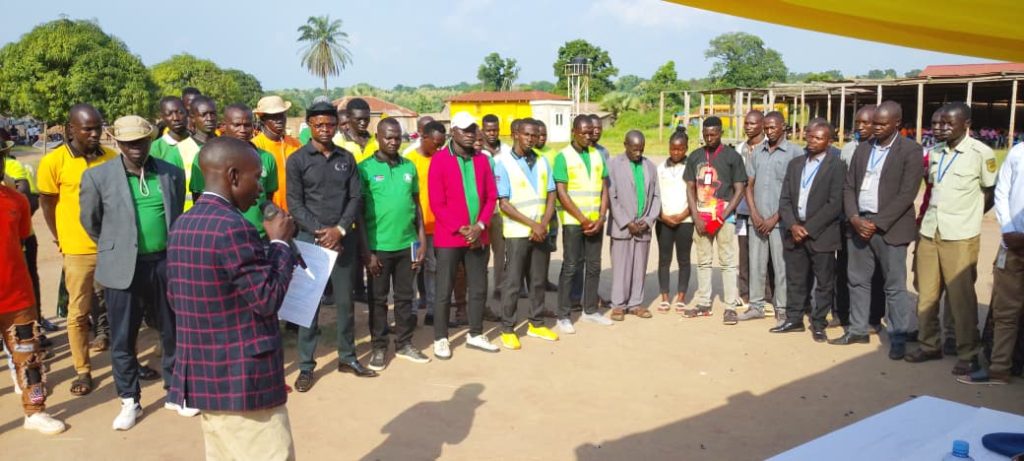
The chairperson’s initiative to conduct county tours demonstrates commitment to grassroots engagement and recognition that addressing riders’ concerns requires direct communication and understanding of local contexts across different counties.
Development and Professionalization Goals
Mr. Badumoyosa’s plans to establish a health clinic and agricultural projects suggest aspirations to professionalize and expand the association beyond its core transportation function. Such initiatives align with broader development goals of creating stable livelihoods, improving health service access, and addressing food insecurity.
Road Safety and Traffic Management
The emphasis on work-hour restrictions and road discipline addresses critical safety concerns in South Sudan, where motorcycle accidents represent a significant public health challenge. Limited enforcement capacity, poor road conditions, and lack of safety equipment combine to create hazardous conditions for riders and passengers.
Government-Civil Society Partnership
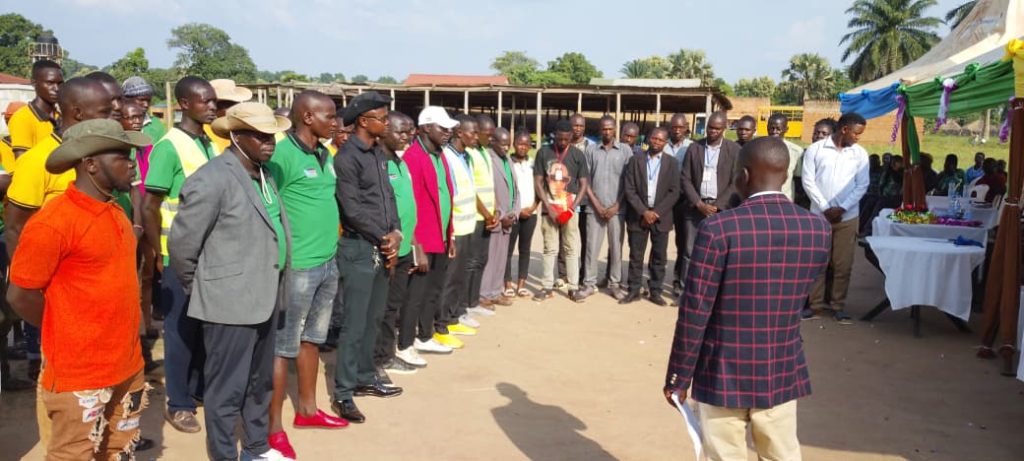
The engagement of government officials and traditional leaders at the Nzara launch suggests recognition that productive partnerships between informal sector associations and government can address mutual concerns around safety, justice, and development.
As Mr. Badumoyosa continues his county tours across Western Equatoria State, the Boda-Boda Association’s initiatives will likely influence how informal transport sectors organize, address safety concerns, and contribute to broader development goals in the state and nation.
The commitment to visit all ten counties reflects recognition that unity and shared vision require direct engagement at the grassroots level, where riders face daily challenges and where contextual understanding is essential for developing effective policies and programs.