By Sr. Laurencila Akinyi, FSSA.
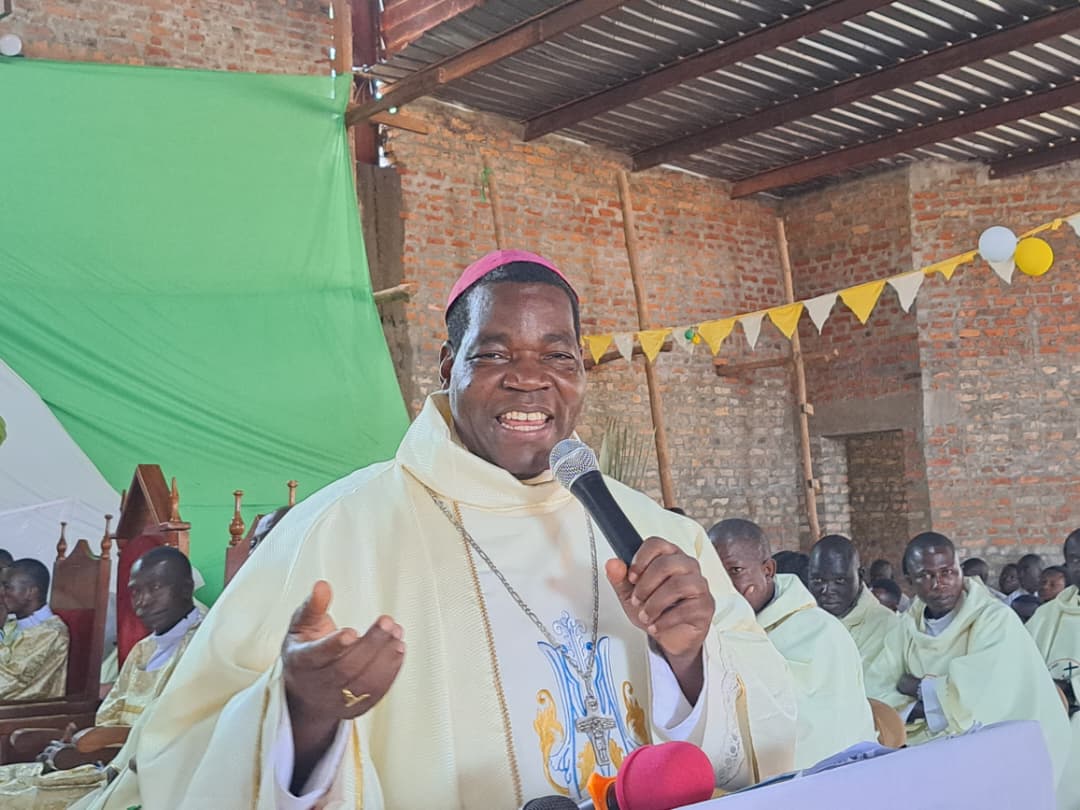
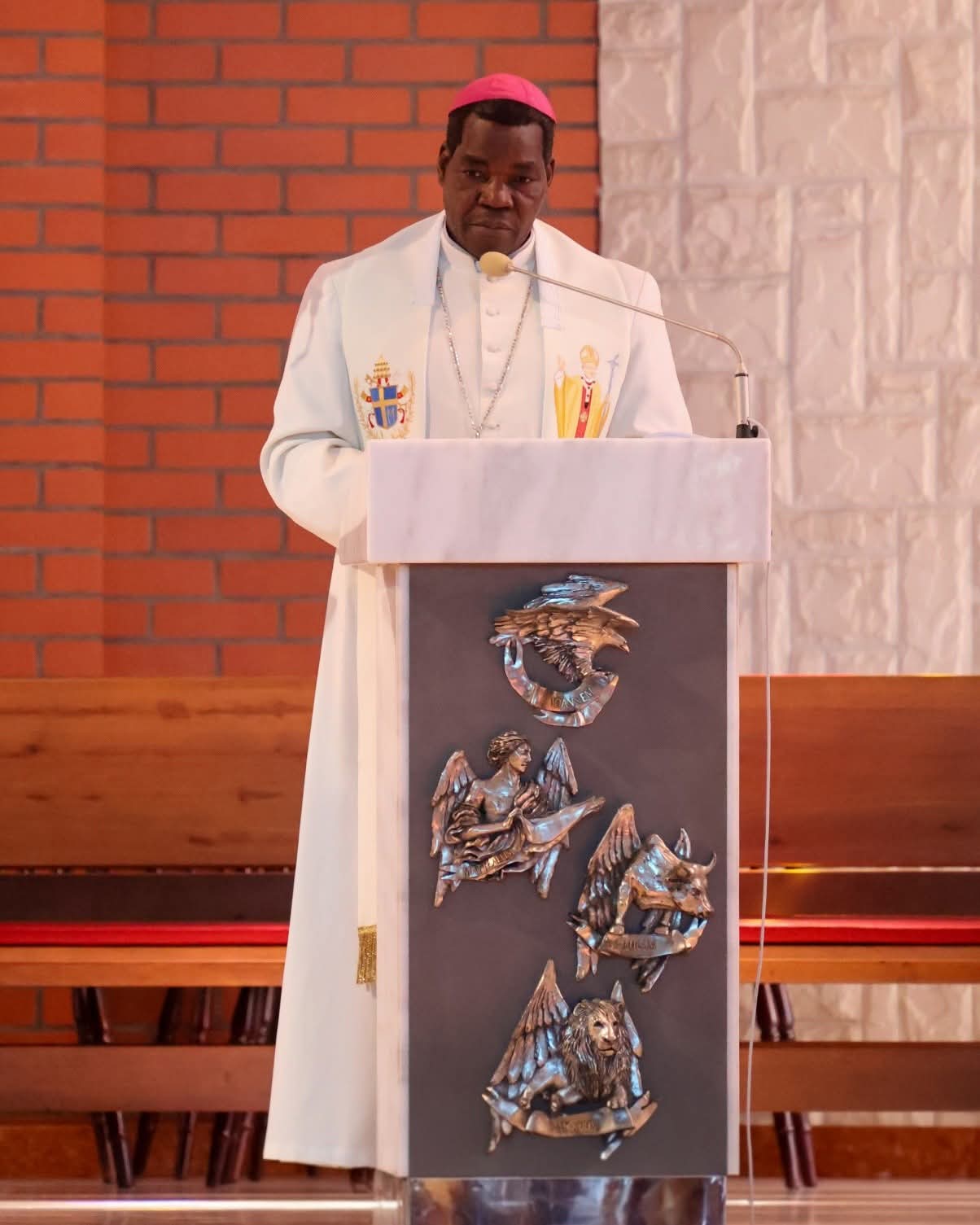
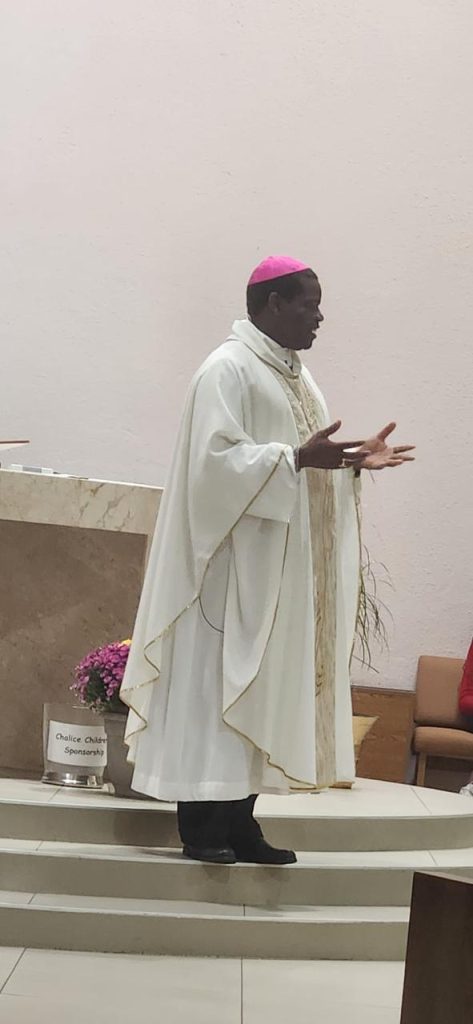
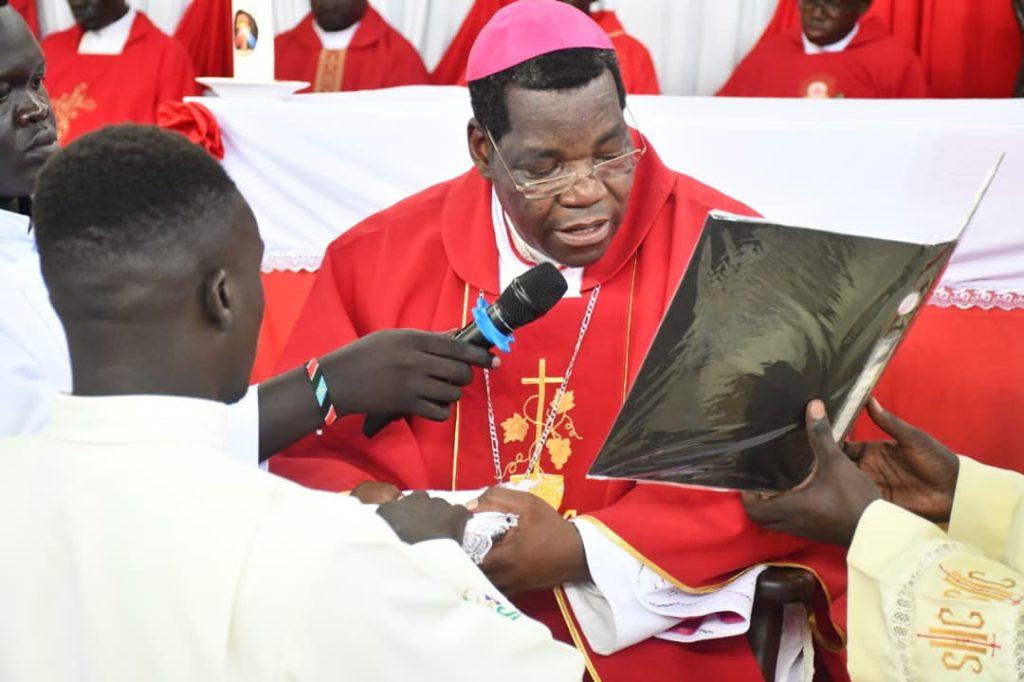
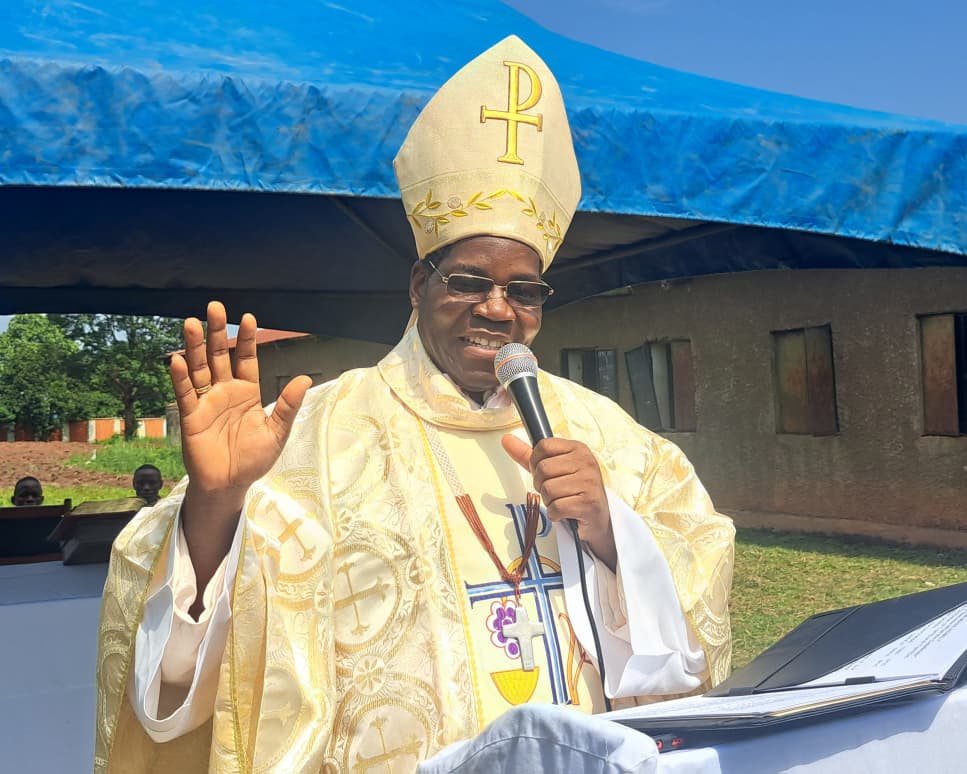
The Bishop of the Catholic Diocese of Tombura-Yambio, the Most Reverend Barani Eduardo Hiiboro Kussala, has expressed profound gratitude to all who remembered him in prayer and kindness during the commemoration of his 18th anniversary of Episcopal Consecration, reflecting on the meaning of episcopacy as service carried by the prayers of God’s people.
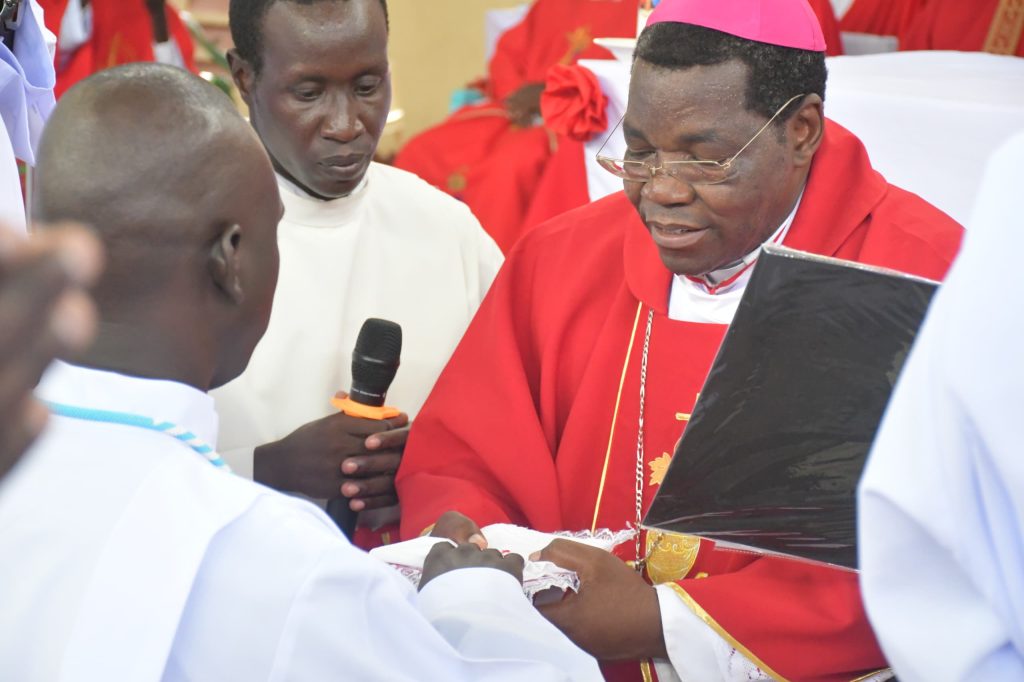
In a message to the diocesan community, Bishop Hiiboro acknowledged the numerous messages, calls, visits, and blessings he received from priests, religious, seminarians, catechists, and faithful throughout the diocese and beyond. He described feeling the love, attention, and healing touch of shared humanity through these expressions of support.
The Bishop drew on the wisdom of St. Paul to express his gratitude, quoting the Apostle’s words: “I thank my God every time I remember you” (Philippians 1:3). He reflected that such support reminds a bishop that he is never a solitary shepherd but rather a servant carried by the prayers of God’s people.
Understanding Episcopacy as Mutual Service
Bishop Hiiboro invoked the words of St. Augustine to articulate his understanding of his role and relationship with the faithful: “For you I am a bishop, with you I am a Christian.” He explained that those words express his heart, noting that he receives the community’s affection with humility, knowing that every good thing comes from God.
The statement reflects a sophisticated theological understanding of episcopacy that emphasizes both the sacramental role of the bishop as shepherd and teacher and the fundamental equality of all baptized Christians in their dignity before God. The Bishop positioned himself both as a minister serving the people and as a member of the faith community, mutually dependent on the prayers and support of others.
Pastoral Vision for the Faithful
Beyond personal reflection, Bishop Hiiboro used the occasion to offer pastoral direction to all members of the diocese. He prayed that each person would discover and fulfill the purpose for which the Lord created them. Drawing on the inspiring words of St. Catherine of Siena, he encouraged the faithful: “Be who God meant you to be, and you will set the world on fire.”
This invocation of Catherine of Siena, a medieval saint known for her courage, mystical depth, and prophetic voice, suggests the Bishop’s desire that the faithful not settle for mediocrity or complacency but rather embrace their full potential as beloved children of God called to transform the world through authentic living.
Blessings for the Community
The Bishop concluded his pastoral reflections with specific blessings for different dimensions of the community’s life. He prayed that homes be filled with peace, work with fruitfulness, and hearts with hope. These three petitions address the fundamental human dimensions of family, labor, and spiritual wellbeing.
Reflections on Life’s Quality Over Duration
Bishop Hiiboro incorporated the wisdom of President Abraham Lincoln, reflecting that “in the end, it is not the years in your life that count, but the life in your years.” This observation invites reflection on how lives are lived rather than merely how long they endure, calling the faithful to invest their time and energy in what matters most—love, service, and faithfulness.
The inclusion of Lincoln’s words alongside quotes from Augustine and Catherine of Siena demonstrates the Bishop’s openness to drawing wisdom from diverse sources, including secular history, in service of spiritual formation.
Eternal Perspective
The Bishop concluded by invoking God’s reward for the goodness shown by the community, praying that the Lord would reward their kindness “not only in this world but with the eternal joy of heaven.” This affirmation of eternal life and divine reward provides ultimate context for earthly service and fidelity.
Significance of the Milestone
An 18-year episcopacy represents substantial tenure in leadership and pastoral service. Bishop Hiiboro’s willingness to publicly acknowledge that such ministry is sustained by the prayers and support of the faithful models humility and recognition of interdependence. His gratitude for community support stands in contrast to views of leadership that emphasize individual achievement or autonomous decision-making.
Theological Themes
The Bishop’s reflection touched on several important theological themes:
The nature of episcopacy as service: Rather than emphasizing authority or power, Bishop Hiiboro highlighted the servant dimension of episcopal ministry.
The communion of saints: His gratitude for prayers and support reflects awareness that ministry is sustained through spiritual communion with the broader faith community.
Human potential and purpose: The emphasis on each person discovering and fulfilling their God-given purpose addresses the fundamental human question of meaning and vocation.
Integration of life and spirituality: The invocation of Lincoln’s wisdom about quality of life reminds the faithful that spirituality must be lived out in the concrete realities of family, work, and relationships.
Invitation to Reflection
The Bishop’s message implicitly invites the entire diocesan community to reflect on their own vocations and purposes. By affirming that each person has a divine purpose and potential to “set the world on fire,” he empowers and challenges all to consider how they might more fully live out their baptismal calling.
The occasion of the 18th anniversary also provides opportunity to recognize the growth and development of the Catholic Diocese of Tombura-Yambio during Bishop Hiiboro’s tenure. The expansion of educational institutions, health facilities, peacebuilding initiatives, and pastoral programs reflects sustained commitment to integral human development.
Bishop Hiiboro’s public expression of gratitude models a leadership approach that emphasizes recognition of others’ contributions, humility before God, and awareness that no leader stands alone. In contexts where leadership is often characterized by authoritarian styles, the Bishop’s approach offers alternative model of servant leadership.
As the Catholic Diocese of Tombura-Yambio continues its mission under Bishop Hiiboro’s leadership, his reflections on this milestone provide both personal gratitude to the community and pastoral guidance for all who seek to live faithfully as disciples of Christ in Western Equatoria State and beyond.
The Bishop’s final Episcopal blessing extends to all who supported him in prayer and kindness during this significant anniversary celebration, affirming the mutual bonds of faith and love that unite the diocesan community