By Sr. Laurencila Akinyi, FSSA.
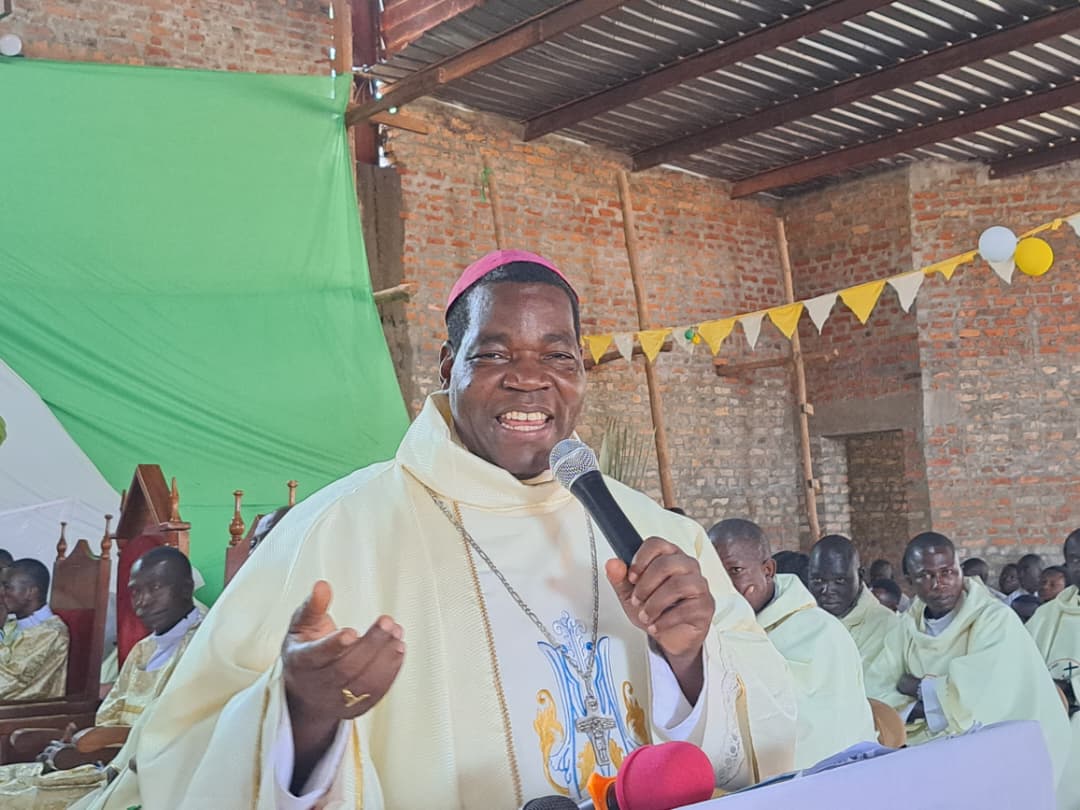
The Bishop of the Catholic Diocese of Tombura-Yambio, the Most Reverend Barani Eduardo Hiiboro Kussala, has challenged seminarians to allow themselves to be transformed by the love of Christ, using the examples of Saints Peter and Paul to illustrate how even those with profound failures can become pillars of the Church through grace and perseverance.
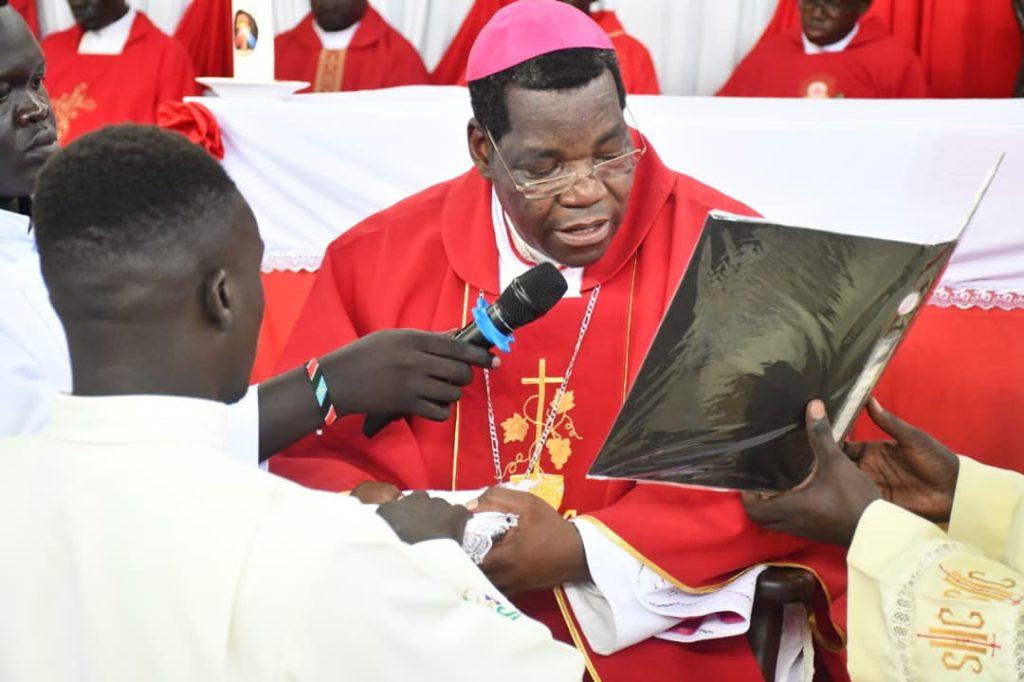
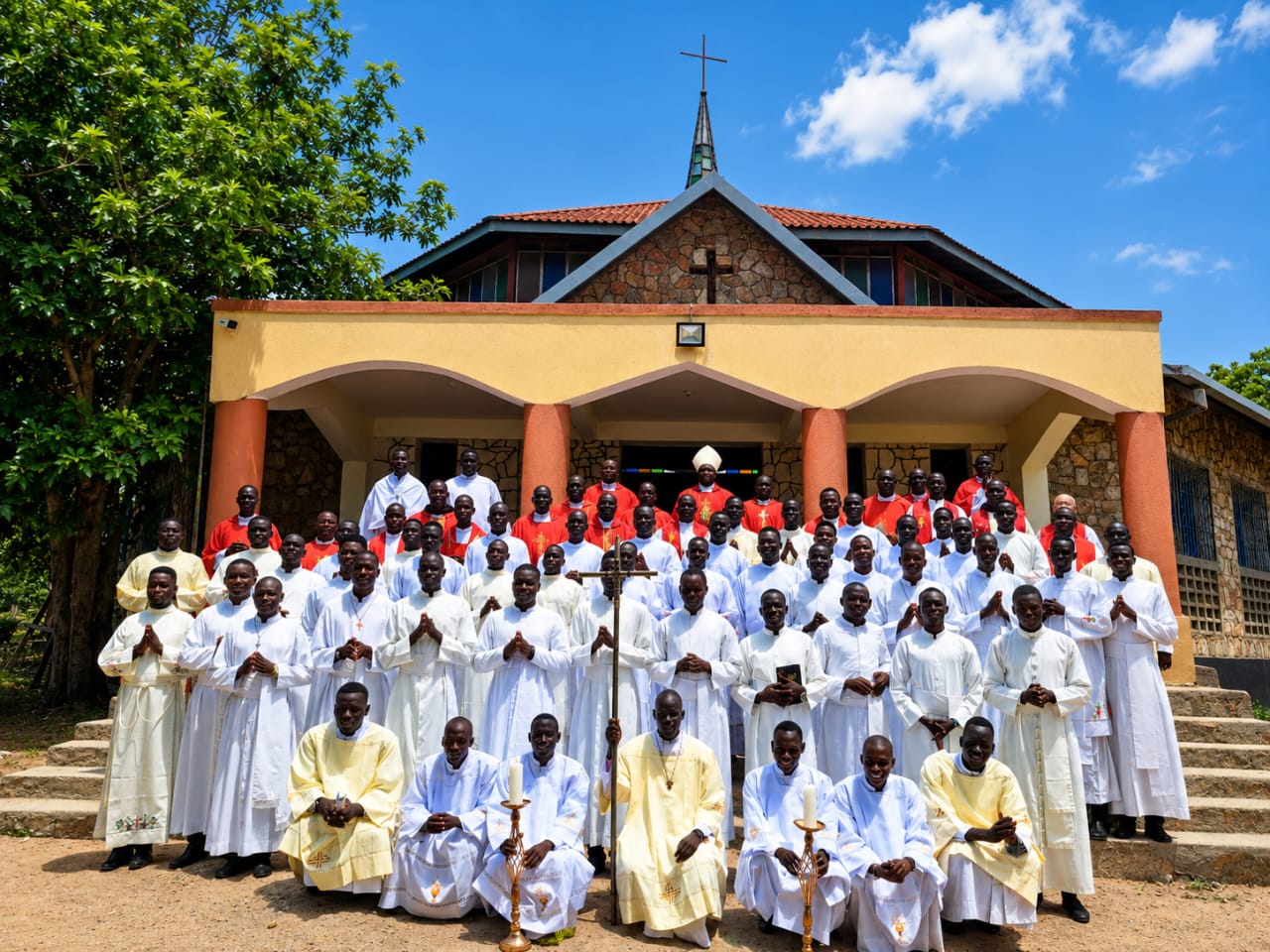
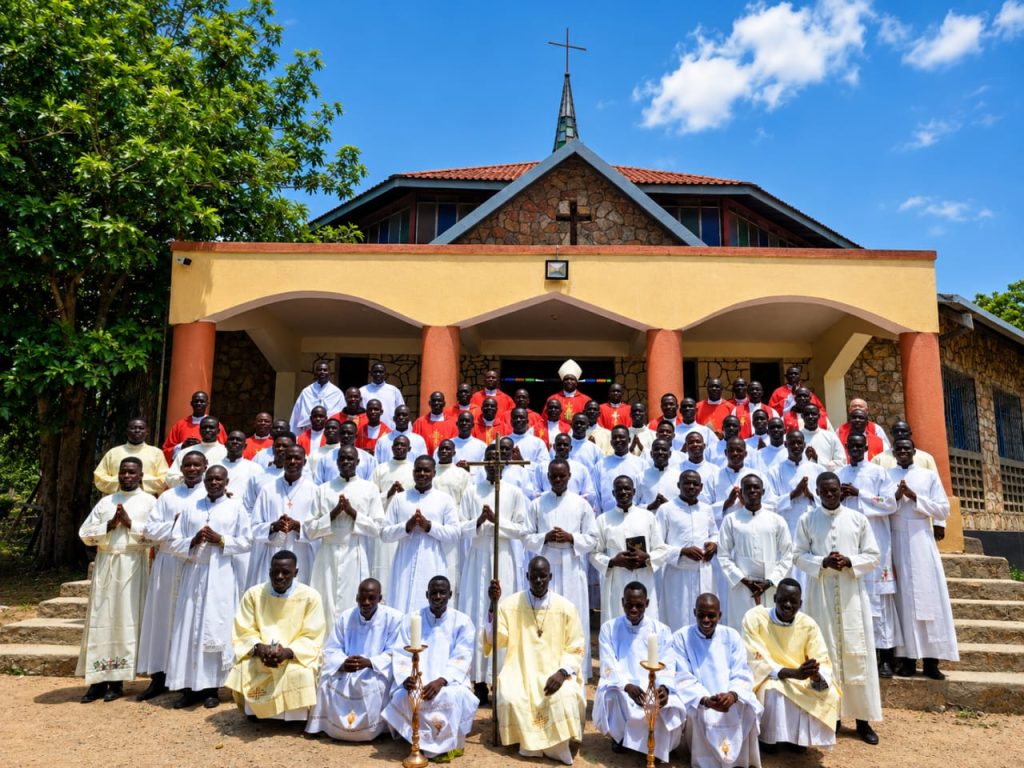
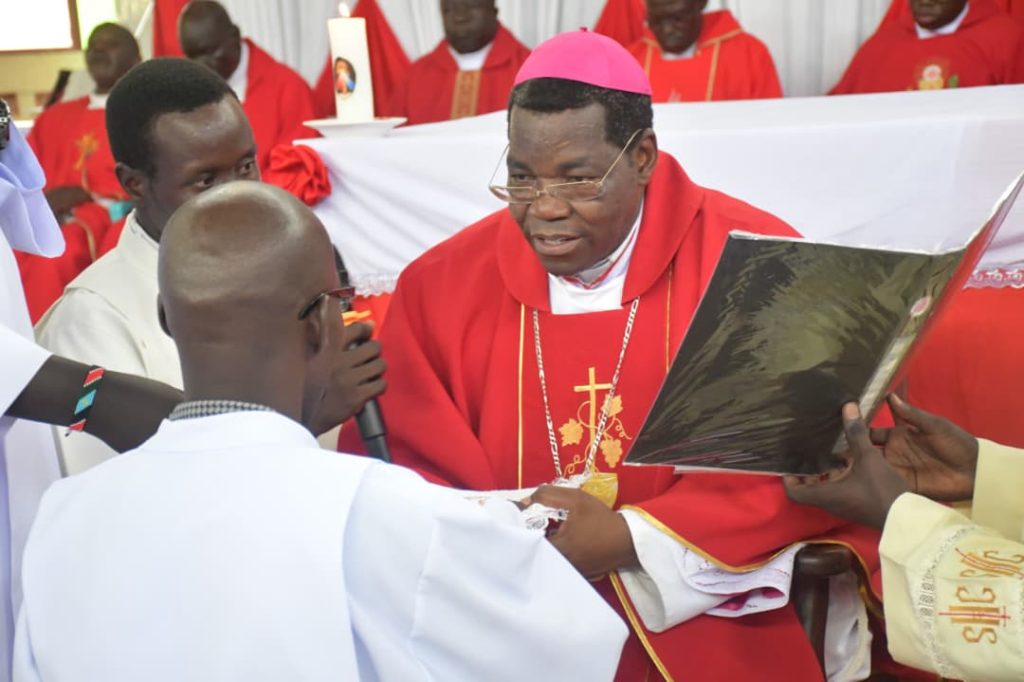
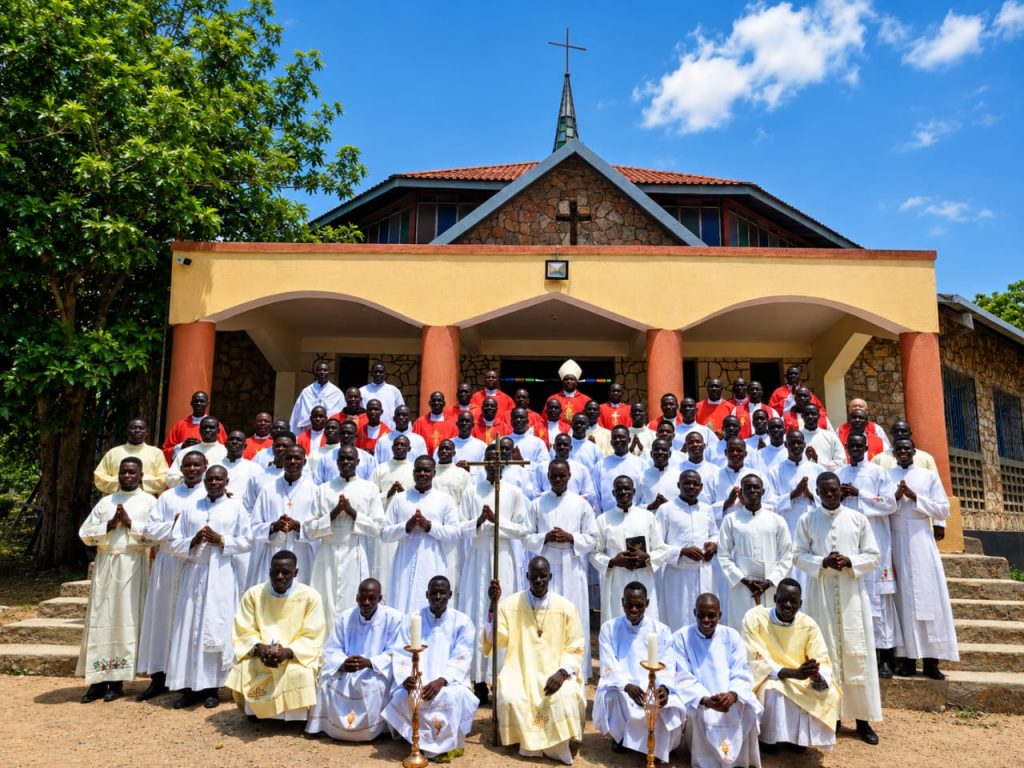
During a homily on the Solemnity of Saints Peter and Paul on June 29, 2026, Bishop Hiiboro presided over the institution of readers and acolytes among seminarians, emphasizing that these ministries represent sacred responsibilities and important steps toward priesthood, not rewards or honors.
The Bishop reflected on the transformation of Peter, who denied Jesus, and Paul, who persecuted the Church, noting that Christ transformed them into two great pillars of His Church. He asked a penetrating question: “What changed them?” Then answered: “Not their intelligence. Not their strength. Not even their past. They became saints because they allowed themselves to be transformed by the love of Christ.”
Foundation of Vocation is God’s Love, Not Human Effort
Central to Bishop Hiiboro’s message was the affirmation that seminarian vocations are not founded on the seminarians’ love for God but on God’s everlasting love for them. He urged seminarians to remember this truth especially when prayer becomes difficult, studies become demanding, and formation seems overwhelming.
“Before you chose Christ, He had already chosen you,” the Bishop declared, emphasizing that awareness of being chosen by God provides spiritual anchor during challenging periods of formation.
The Diamond Metaphor: Pressure as Formative Force
The Bishop employed a powerful image to explain the seminary formation process: a diamond. He explained that diamonds are not found on the surface but are formed deep beneath the earth under enormous pressure and intense heat. “Without pressure, there is no diamond,” he said.
Applying this metaphor to priestly formation, Bishop Hiiboro characterized the seminary as God’s workshop where every lecture, correction, examination, act of obedience, hidden sacrifice, and hour spent before the Blessed Sacrament shapes seminarians into the priests God desires.
“Never complain about the pressure,” he urged. “Pressure does not destroy a diamond. Pressure reveals it. If God allows difficulties in your life, it is because He sees a diamond hidden within you.”
Institution of Readers and Acolytes
Bishop Hiiboro addressed those being instituted as readers and acolytes, providing distinct guidance for each ministry.
To the newly instituted readers, he said: “Love the Word of God before you proclaim it. Let the Scriptures first transform your life.” This emphasis on personal transformation preceding public proclamation reflects the Bishop’s consistent teaching about authenticity in ministry.
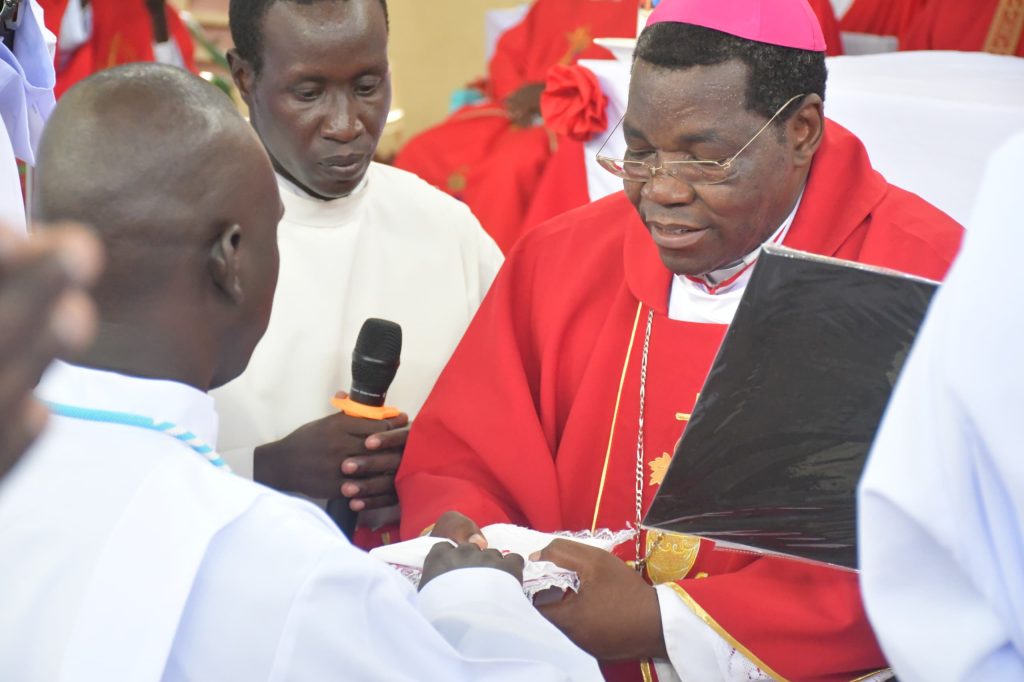
To the newly instituted acolytes, he offered guidance grounded in Eucharistic devotion: “Fall deeply in love with the Eucharist. Whoever learns to kneel before Christ today will stand faithfully at His altar tomorrow.”
The Bishop emphasized that these ministries are sacred responsibilities, not honors or achievements to be celebrated as personal accomplishments.
Building Community Through Humility and Mutual Support
Bishop Hiiboro called on seminarians to be blessings wherever they go, never to compete with brothers but rather to promote one another, encourage one another, and celebrate the gifts of others. He declared that a true priest rises by lifting others up, not by putting them down.
“Humility is the foundation of greatness,” he emphasized, connecting moral character to authentic leadership and effective priesthood.
Vision for Priests South Sudan Needs
The Bishop articulated a vision for the kind of priests South Sudan requires: “Our beloved South Sudan does not simply need more priests. She needs holy priests—priests who build peace instead of division, unity instead of tribalism, hope instead of despair, and love instead of hatred.”
This vision reflects the Bishop’s consistent emphasis on integral human development and the Church’s role in promoting peace and reconciliation in a nation still recovering from conflict.
Message to Young People
Bishop Hiiboro addressed a broader audience of young people, warning them not to let violence, corruption, social media, or desire for quick success steal their future. He urged them to build their lives on character, noting that while popularity fades and success passes, holiness lasts forever.
Three Essential Truths
In conclusion, the Bishop provided three foundational truths he urged seminarians to remember throughout their lives:
- God chose you.
- God is forming you.
- God is sending you.
He called seminarians to walk with the faith of Peter, preach with the courage of Paul, love the Word, love the Eucharist, remain humble, and become a blessing to everyone they meet.
Significance of the Solemnity
The celebration of Saints Peter and Paul’s feast day, combined with the institution of readers and acolytes, created a pedagogical moment allowing the Bishop to connect ancient apostolic tradition with contemporary seminary formation. By invoking Peter and Paul as models of transformation through grace, Bishop Hiiboro grounded seminarian formation in Church history and apostolic succession.
Themes of Transformation and Grace
Central to the homily was the theme that human weakness and past failures do not determine future potential when one submits to God’s transforming grace. The examples of Peter and Paul, both of whom failed dramatically before their conversion and transformation, provided encouragement to seminarians who might be discouraged by their own struggles and imperfections.
Formation as Divine Workshop
The characterization of the seminary as God’s workshop, with every aspect of formation—academic study, spiritual direction, communal living, liturgical participation—serving formative purposes, reflects sophisticated understanding of priestly formation. The Bishop presented seminarians’ challenges and difficulties not as obstacles to overcome but as essential elements of spiritual and pastoral development.
Emphasis on Holiness Over Achievement
Throughout the homily, Bishop Hiiboro emphasized holiness, character, and spiritual transformation over external achievement or status. His repeated affirmation that these ministerial institutions are responsibilities rather than rewards reflects concern that seminarians maintain proper perspective about the nature and purpose of ordained ministry.
Connection to South Sudan’s Needs
By explicitly connecting seminarian formation to South Sudan’s need for holy priests capable of building peace and unity, the Bishop grounded seminary education in pastoral reality and national context. This approach helped seminarians understand that their formation is not abstract spiritual development but preparation for concrete ministry in a nation where reconciliation and peacebuilding remain urgent needs.
Invocation of Intercession
The homily concluded with invocation of the intercession of Saints Peter and Paul and the protection of Mary, Queen of Peace, providing spiritual confidence that seminarians’ formation is supported by the entire communion of saints and by Mary’s maternal care.
As the Catholic Diocese of Tombura-Yambio continues preparing future priests through seminary formation, Bishop Hiiboro’s homily provided both inspiration and challenge to seminarians to embrace their vocations as gifts from God, to allow themselves to be transformed by grace, and to commit themselves to becoming the holy priests their nation needs.