By Waure Eddy.
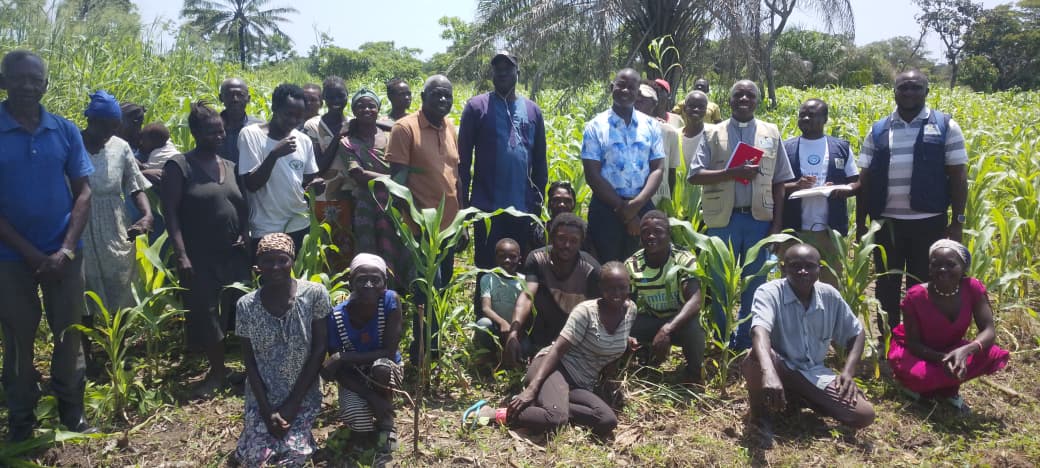
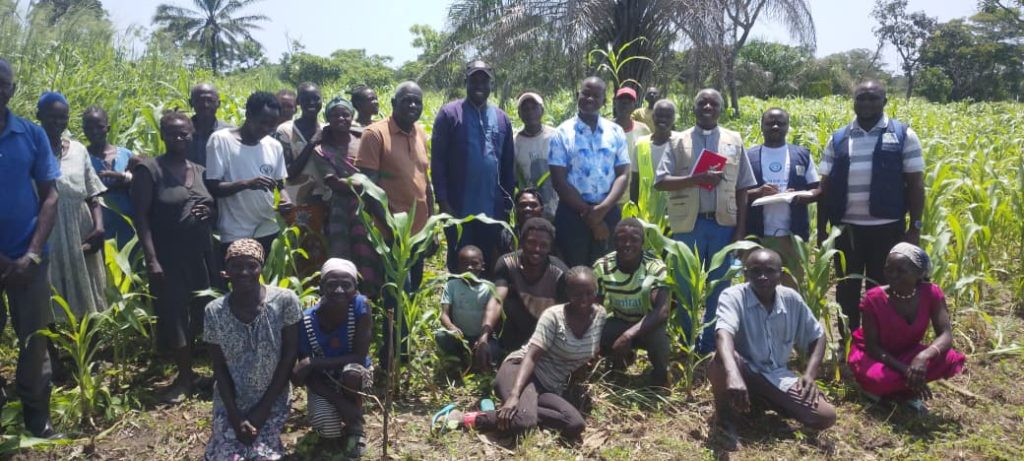
The Catholic Organization for Development and Peace, together with Catholic priests and diocesan leadership, has conducted a supervision visit to the Uze Farmers Group at St. Theresa Bakiri Center and the Ngindo Farmers Group at St. Mary Chapel Baguga, aimed at encouraging farmers to remain committed to their agricultural practices and strengthening community resilience through sustainable farming initiatives.
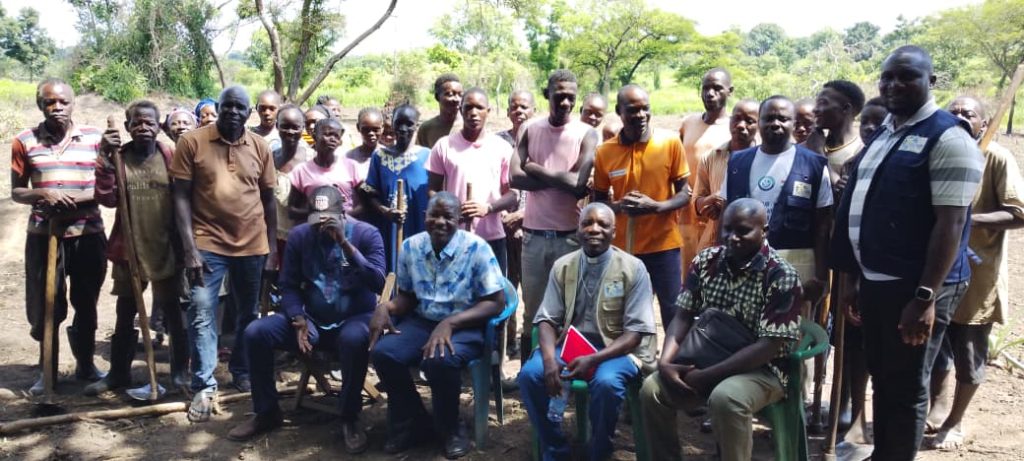
The supervision visit, which brought together CODEP leadership, parish priests, and the newly appointed cooperatives coordinator under the Catholic Diocese of Tombura-Yambio, demonstrated institutional commitment to supporting farmers in implementing sustainable agriculture practices funded by Manos Unidas.
During the visit, participating farmers expressed gratitude for the presence of diocesan and organizational leadership, recognizing that supervision visits affirm their work and provide encouragement to persist in agricultural activities that promise improved household food security and income generation.
Emphasizing Knowledge Application and Farmer Responsibility
Reverend Father Charles Mbikoyo, Director of CODEP, used the supervision opportunity to encourage farmers to prioritize application of knowledge and skills over short-term financial returns. He emphasized that CODEP provides knowledge and tools free of charge, requiring farmers’ attention, commitment, and skill application to achieve agricultural success.
“If you put money ahead of your work, it will not help you. Here we are giving you knowledge for free, and it needs your attention to learn new skills and apply them well,” Father Mbikoyo said, underscoring that sustainable agricultural development requires farmer initiative and consistency.
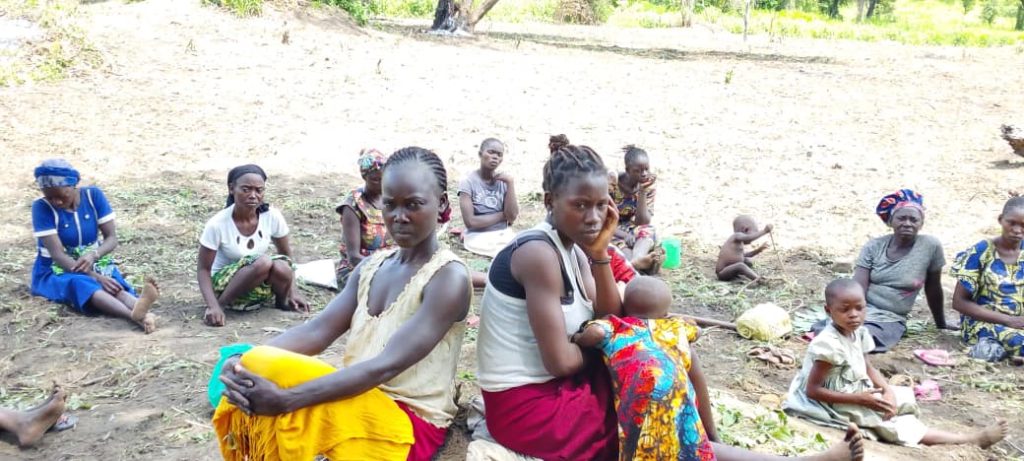
He reminded farmers that the agricultural project took years to secure from donors like Manos Unidas and urged them to work hard for its success. Father Mbikoyo clarified the nature of donor support, noting that “The donors don’t pay farmers at the end of the month. They give you knowledge and tools so that you can cultivate and earn from your produce.”
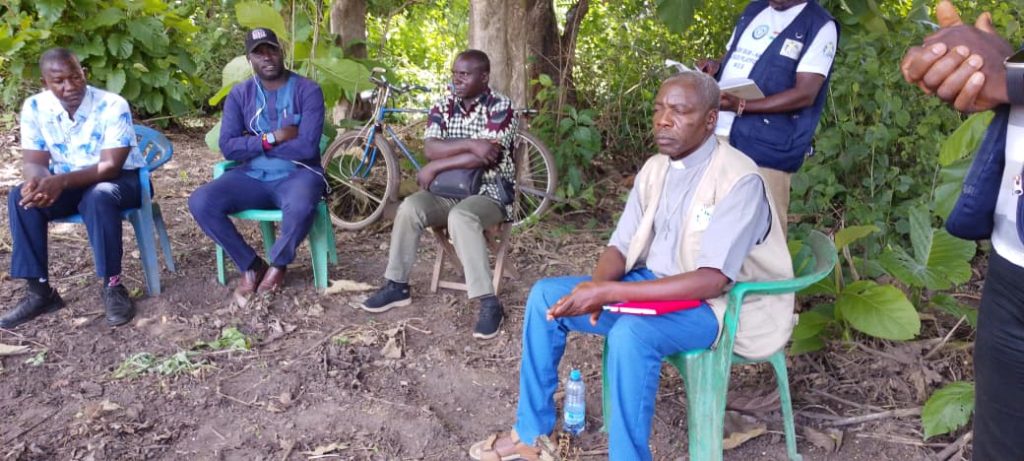
The CODEP Director’s message aimed to reframe farmer expectations, helping them understand that organizational and donor support creates conditions for success but that actual benefits depend on farmers’ own effort and commitment.
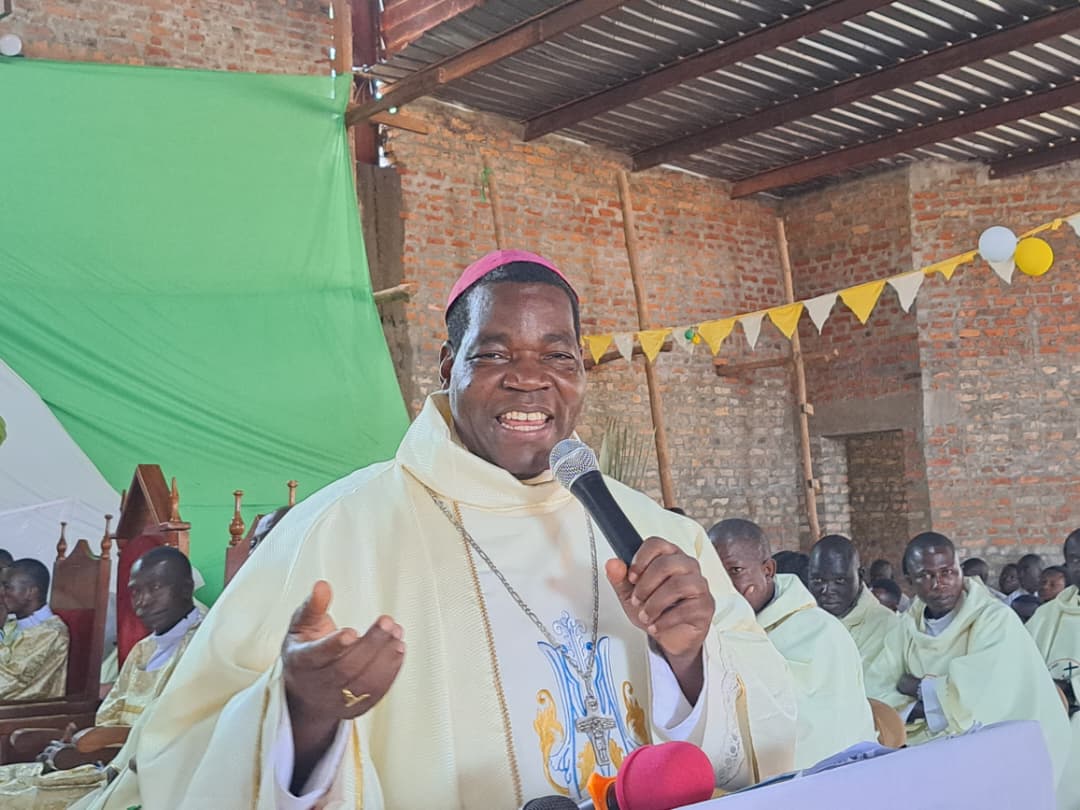
Father Mbikoyo extended gratitude to Bishop Barani Eduardo Hiiboro Kussala for his tireless efforts in supporting the diocese and communities. He reminded farmers that the harvest they produce belongs to them, not to CODEP or the Diocese, emphasizing that agricultural benefits accrue to farmers themselves as reward for their work.
Priestly Leadership and Community Encouragement
Reverend Father Oboi Jochim, Parish Priest of St. Augustine Catholic Parish serving the Uze area, praised the leadership of Bishop Hiiboro and the CODEP team while affirming farmer commitment to the agricultural project.
“Christians and farmers of Bakiri Center are serious about this project. They will have money when everything is ready. This project will feed many people in the community and beyond,” Father Jochim said, expressing confidence that the project will succeed and generate both household benefits and broader community food security gains.
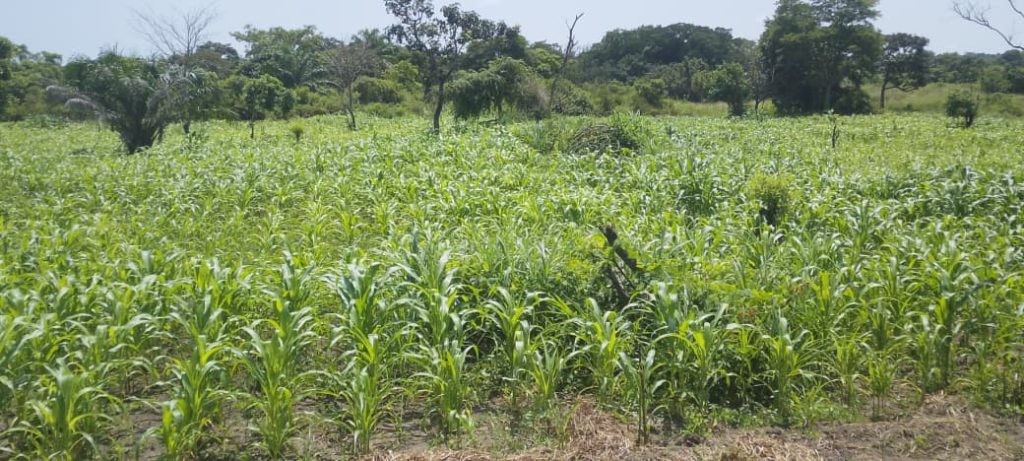
Reverend Father Abel Tindi, Parish Priest of St. Joseph Catholic Parish Maingbangaru serving the Ngindo area, also expressed gratitude for the project and optimism about farmer progress. He witnessed the Bishop’s efforts and donor support through CODEP, noting positive agricultural performance.
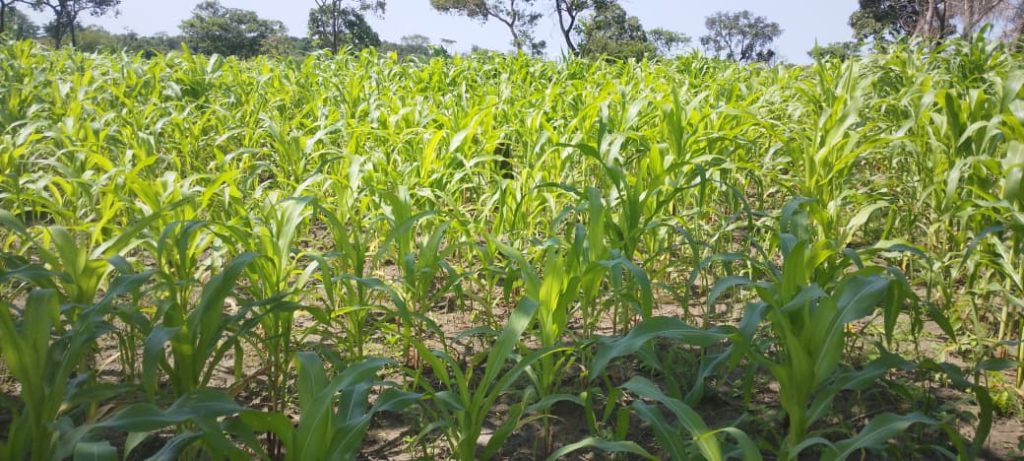
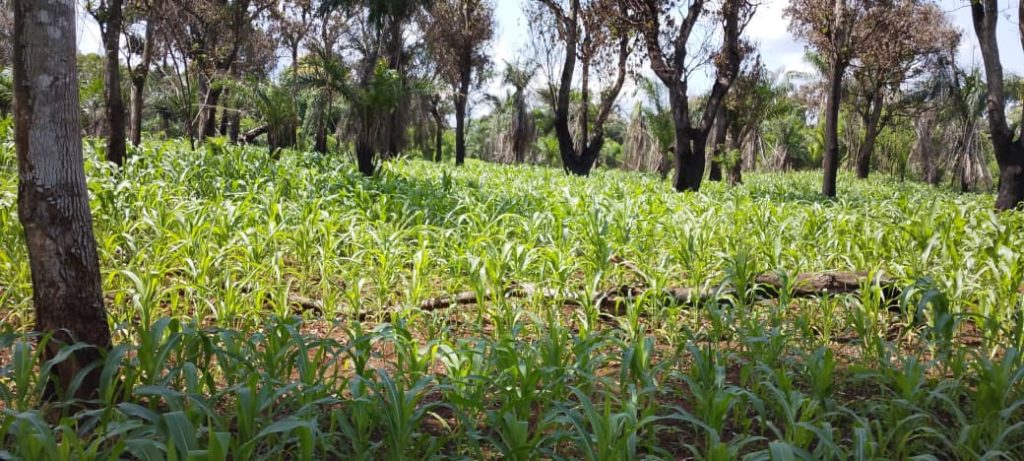
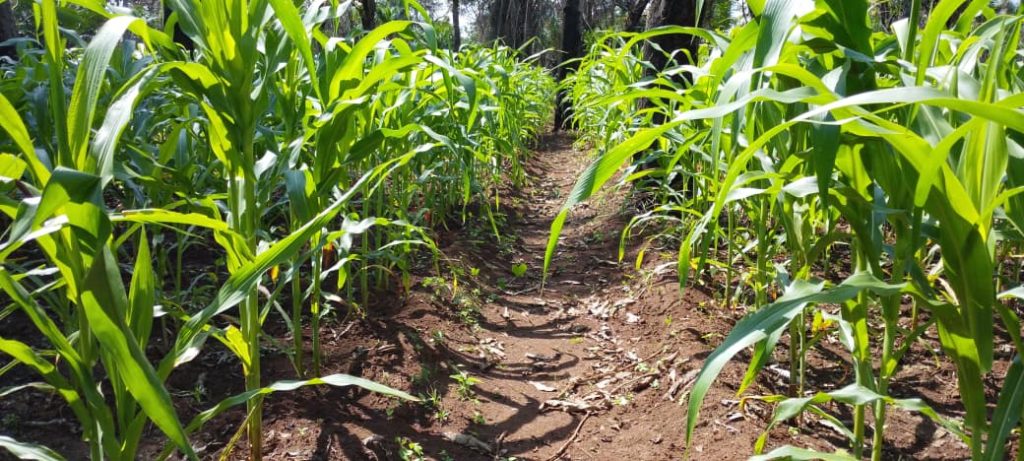
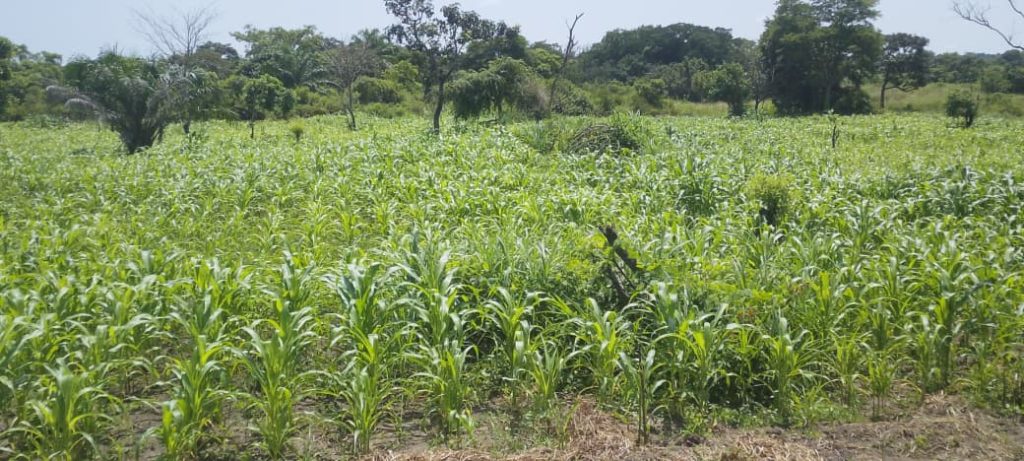
“Here at St. Mary Chapel Baguga, we witness the Bishop’s effort and the donors through CODEP. The maize is doing well without problems, and farmers will earn money at the end of the day,” Father Tindi narrated, providing concrete testimony to the project’s positive trajectory.
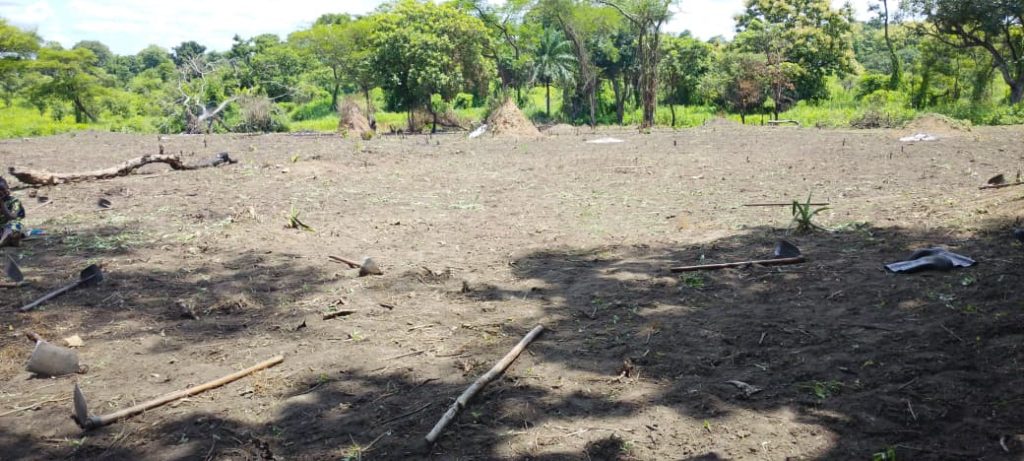
He noted that Baguga farmers have already cleared their land for the second planting season and are waiting for adequate rainfall to begin second-season planting, demonstrating their continued commitment and readiness to apply improved farming practices.
Farmer Perspectives and Commitment
Mr. Clement James, representing the Uze Farmers Group, welcomed the supervision visit and articulated how such organizational engagement strengthens farmer motivation.
“We are happy to see CODEP and the priests coming to check our farms. It gives us strength to continue working hard. We agree to work hand in hand for the success of this project,” he said, emphasizing that institutional presence and oversight provide psychological encouragement and validation of farmer efforts.
Elizabeth Peter from the Ngindo Farmers Group echoed similar sentiments, connecting institutional support to farmer commitment.
“This visit shows that the Bishop and CODEP care for us. We thank them for their efforts. We will remain committed so that our farming benefits our families and the community,” she said, illustrating how farmer motivation is sustained through visible institutional engagement and demonstration of care.
Supervision Visit Significance
The supervision visit serves multiple important functions in agricultural development programs. Beyond monitoring project implementation, supervision visits:
- Demonstrate institutional commitment and accountability to farmers and donors
- Provide opportunity for problem-solving and addressing challenges farmers face
- Strengthen farmer motivation by showing that their work is valued and monitored
- Enable organizational staff to identify successes worth scaling and challenges requiring attention
- Create occasions for teaching and reinforcement of agricultural practices
The combined participation of CODEP director, multiple parish priests, and the diocesan cooperatives coordinator demonstrated the multi-institutional commitment to farmer success and highlighted the integration of agricultural development with pastoral ministry.
Collaborative Implementation and Shared Commitment
Both farmer groups pledged to continue collaborating closely with CODEP and the Diocese to ensure the project’s success. The pledges reflected mutual commitment between organizational partners and farmer beneficiaries to achieve shared goals of improved agricultural productivity and enhanced household food security.
The farmer commitment is particularly significant given that agricultural development projects depend fundamentally on farmer willingness to adopt new practices, invest time and labor in implementation, and persist through challenges until improved productivity is achieved.
Project Context and Broader Impact
The sustainable agriculture projects in Uze and Ngindo represent part of CODEP’s broader mission to strengthen community resilience and food security across Western Equatoria State. The projects address critical challenges of food insecurity that affect many families and communities in the region.
By combining training in improved agricultural techniques with practical tool provision, input distribution, and ongoing technical support, CODEP addresses multiple constraints limiting smallholder farmer productivity. The supervision visits ensure that farmers receive continued guidance and encouragement as they implement what they have learned.
The involvement of Catholic priests in supervising agricultural work reflects the diocese’s integrated approach to pastoral ministry and social development. By connecting agricultural support with parish structures and priestly presence, the Diocese demonstrates that serving the material needs of farming families is integral to its pastoral mission.
Looking Forward
As the Uze and Ngindo farmers continue implementing improved agricultural practices, the supervision visits will provide ongoing opportunities for technical guidance, problem-solving, and encouragement. The farmers’ commitment to preparation for second-season planting indicates their determination to maximize productivity and benefit from improved farming methods.
The supervision visit affirms that agricultural development requires sustained institutional engagement and farmer commitment working together toward shared goals of increased productivity, improved household food security, and community resilience in Western Equatoria State.
Through collaborative efforts of CODEP, the Catholic Diocese, international partners like Manos Unidas, and committed farming families, sustainable agriculture initiatives contribute to transforming rural livelihoods and building more prosperous, food-secure communities across Western Equatoria State.