By Eddy Waure.
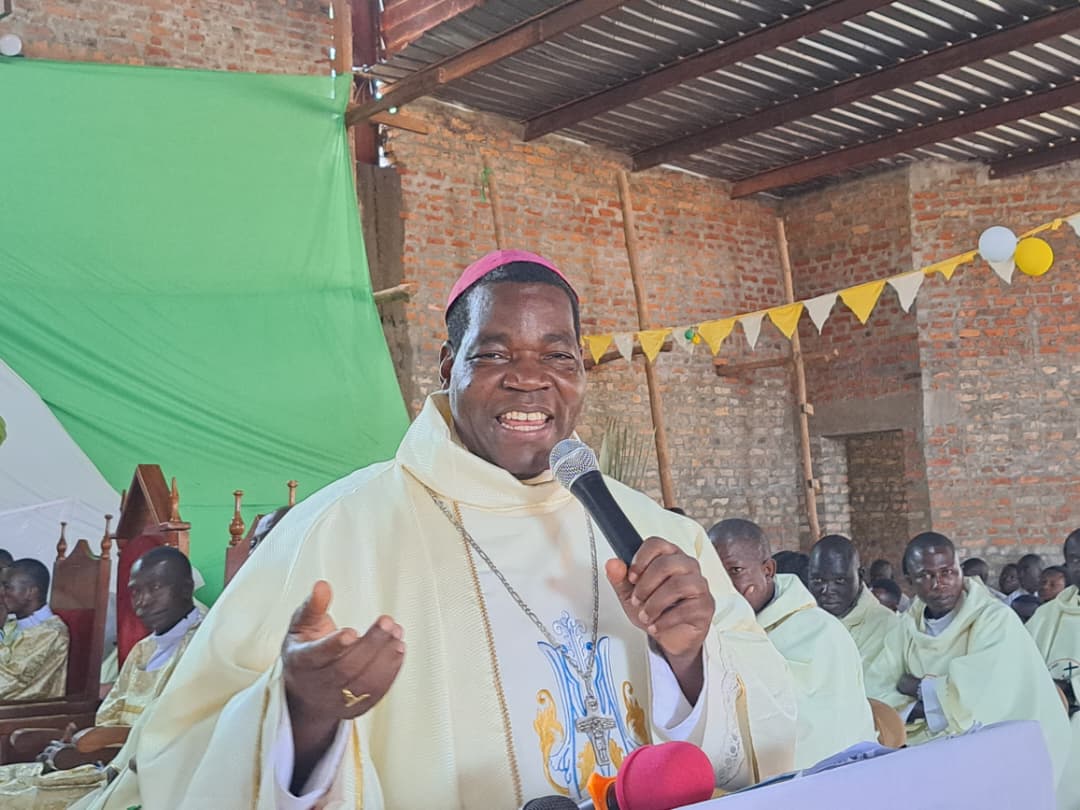
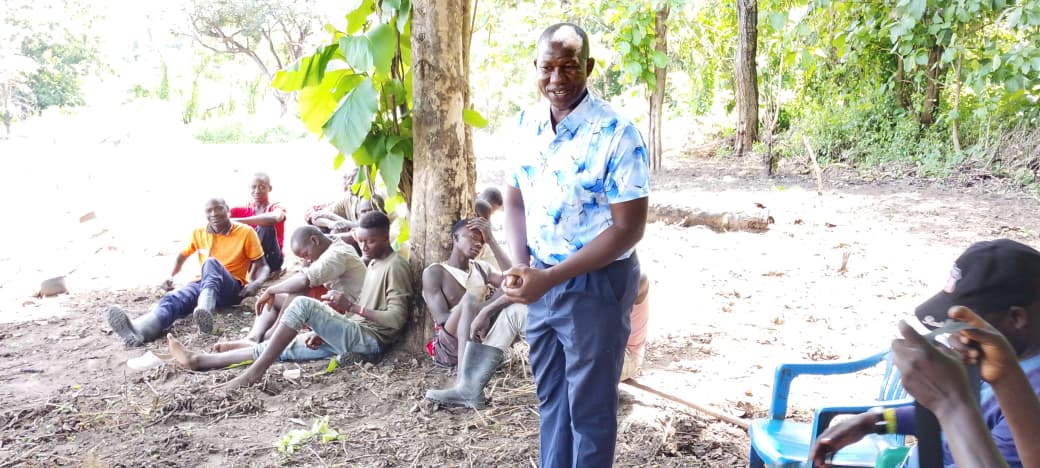
The Episcopal Vicar of Central Deanery, Reverend Father Basana Alfred, has toured the Uze Farmers Group at Bakiri Center and the Ngindo Farmers Group at Baguga Chapel, accompanied by the Catholic Organization for Development and Peace, affirming the Diocese’s commitment to sustainable agriculture and community self-reliance.
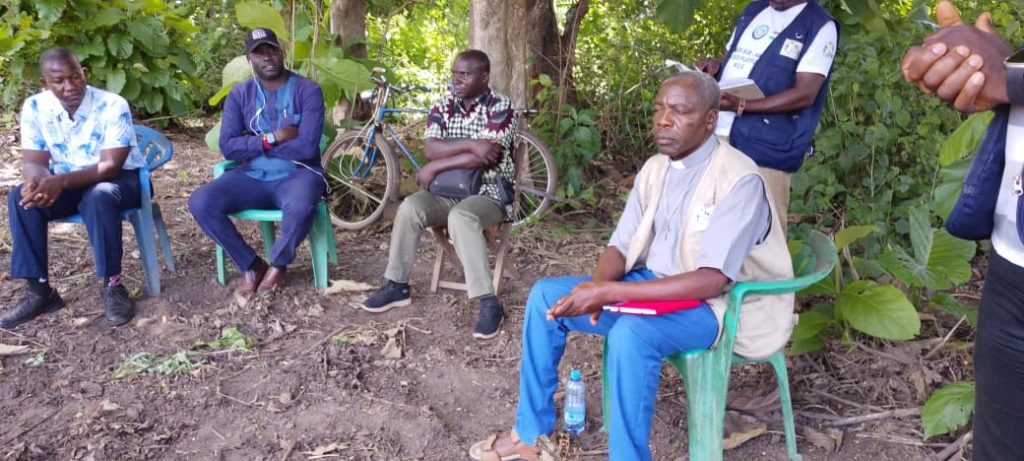
The visit, conducted on Wednesday, formed part of ongoing supervision of the Sustainable Agriculture Project funded by Manos Unidas and implemented by CODEP, demonstrating institutional commitment to supporting farmers in implementing improved agricultural practices.
Project Manager Mr. Mamu John expressed appreciation for the Vicar’s presence, noting that the visit strengthened farmers’ commitment to applying skills acquired during training.
“Today we are happy to see the Episcopal Vicar around us. We appreciate his hospitality to join us, and we thank the leadership of Bishop Barani Eduardo Hiiboro Kussala,” he said.
Vision for Food Security and Self-Reliance
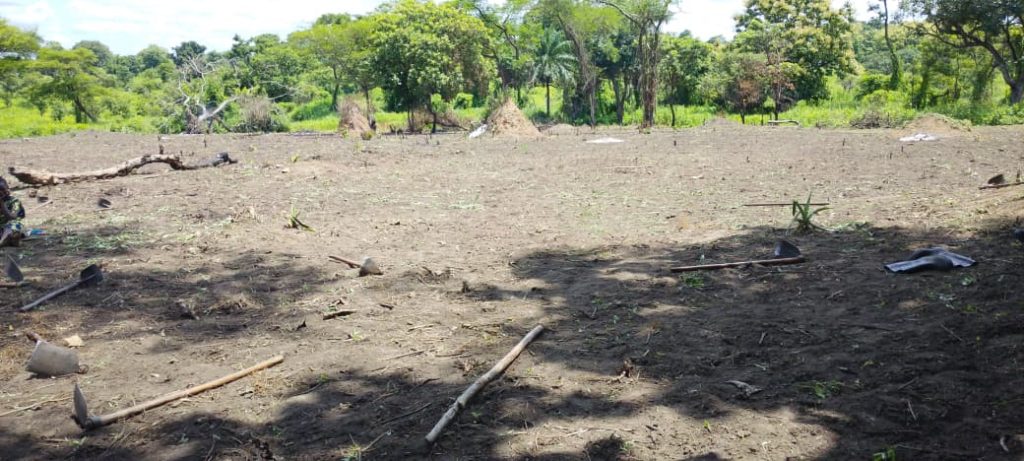
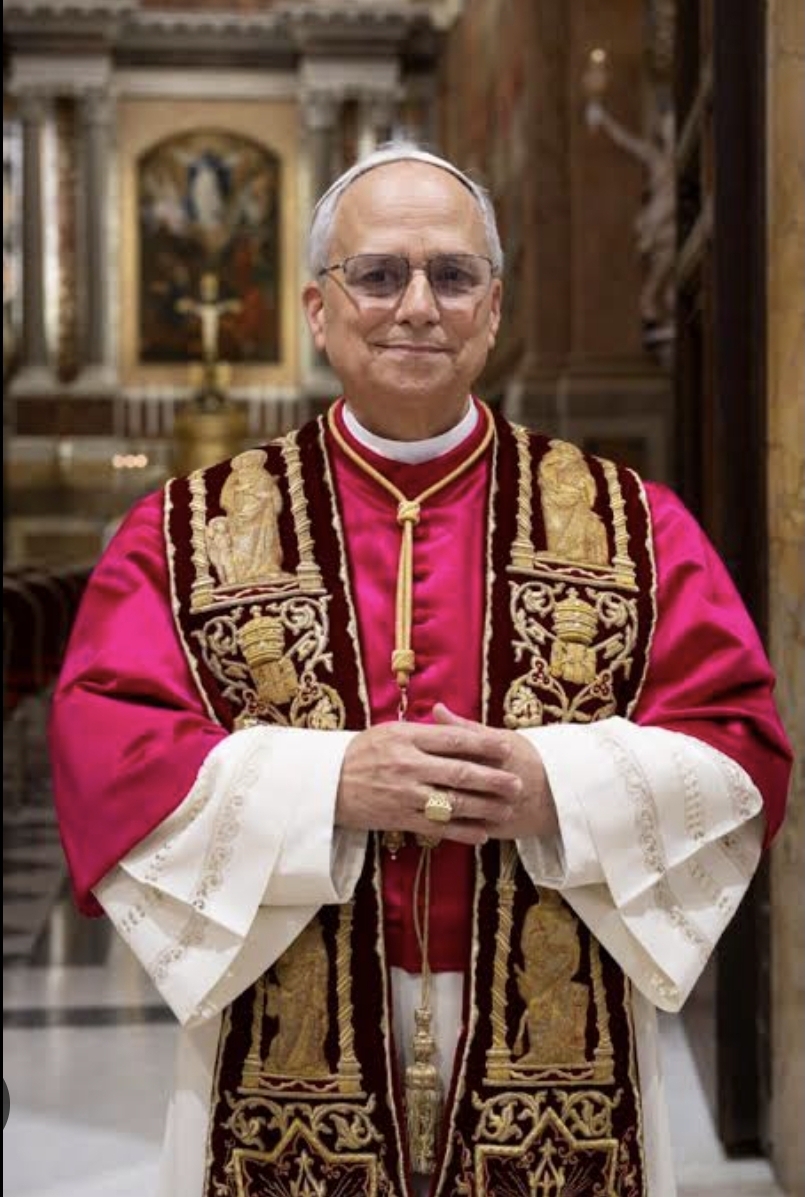
Father Basana Alfred commended farmer progress and praised Bishop Hiiboro’s leadership in supporting Christians and farming communities.
“I am thinking that long time from now, no more hunger will be among the community because of the Bishop’s effort,” he remarked, expressing confidence that the diocese’s agricultural initiatives will achieve long-term food security.
The Vicar encouraged perseverance, urging farmers not to abandon their work, assuring them that dedication would eventually yield abundant harvests. He emphasized that the Bishop’s vision for the Diocese was rooted in resilience and self-reliance rather than external dependency.
Warning Against Counterproductive Aid
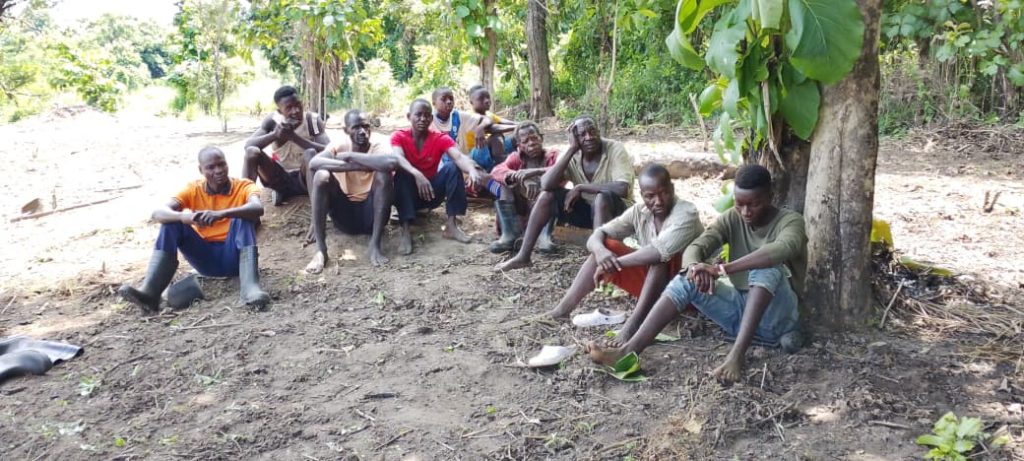
Father Basana cautioned against organizations that provide money instead of practical training and tools, arguing that such assistance weakens farmer motivation and work ethic.
“Some organizations are giving money to farmers, but they are making them lazy. For us in the Diocese, we train farmers and give them tools for cultivation. That is the only error I have seen around,” he said, contrasting CODEP’s approach with potentially counterproductive handout models.

He stressed the importance of mindset change: “Someone who is giving knowledge is better than the one giving ready food. They weaken the ability to work. We encourage farmers not to put money ahead of their work.”
Collective Effort and Shared Prosperity
Father Basana concluded by urging farmers to work as one team, highlighting that collective effort ensures greater financial returns when produce is sold.
The Diocese of Tombura-Yambio, under Bishop Hiiboro’s leadership, continues spearheading initiatives aimed at strengthening the Church and empowering Christians to achieve faster development and improved livelihoods through sustainable agriculture and community-based development.