By Eddy Waure
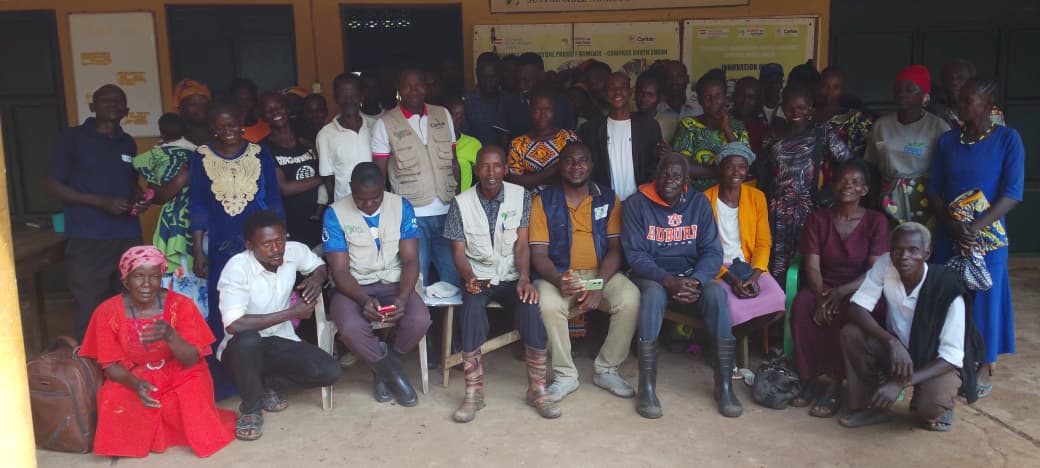
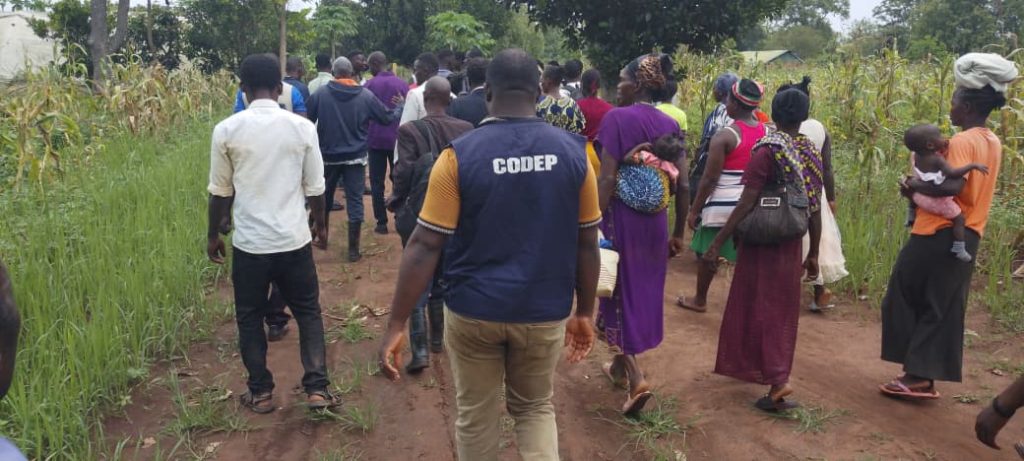
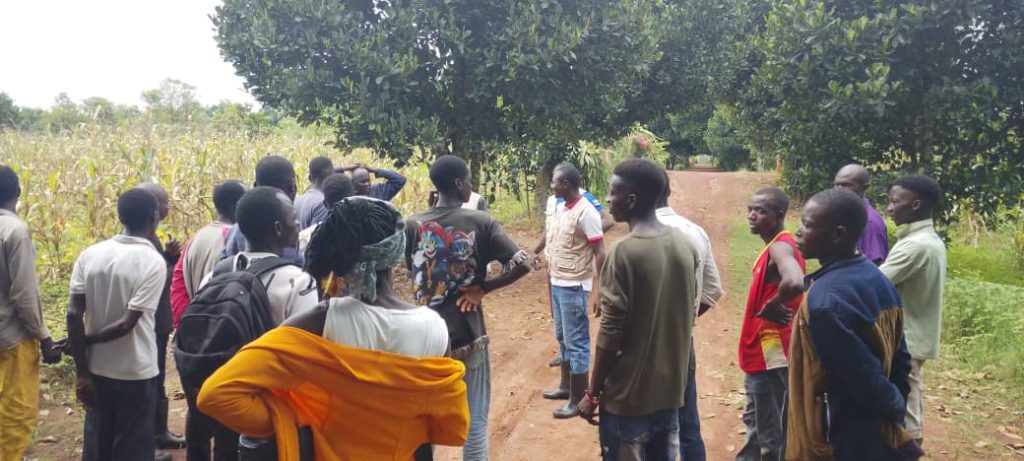
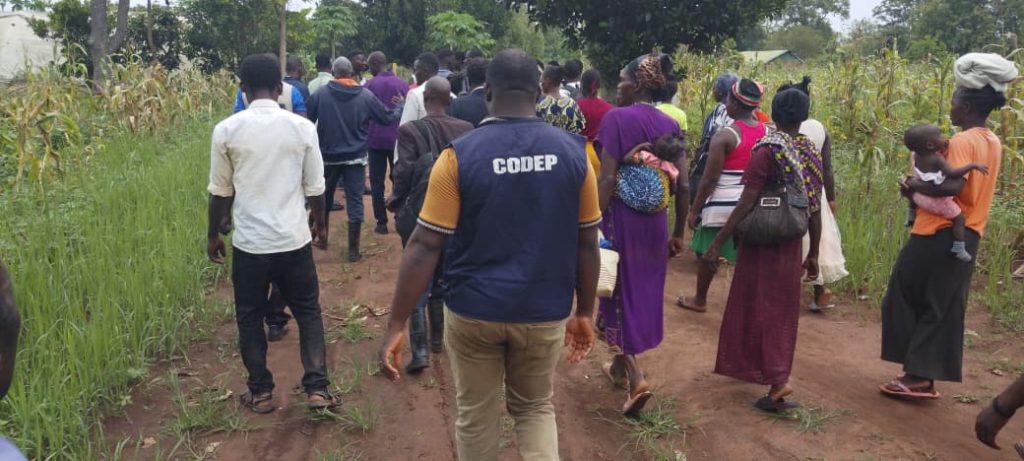
Fifty farmers from the Uze and Ngindo farmer groups have completed an exposure visit to Solidarity Rimenze Farm, gaining practical insights into diverse farming techniques, seed cultivation methods, and land preparation strategies through direct observation and experience-based learning facilitated by the Catholic Organization for Development and Peace with support from Manos Unidas.
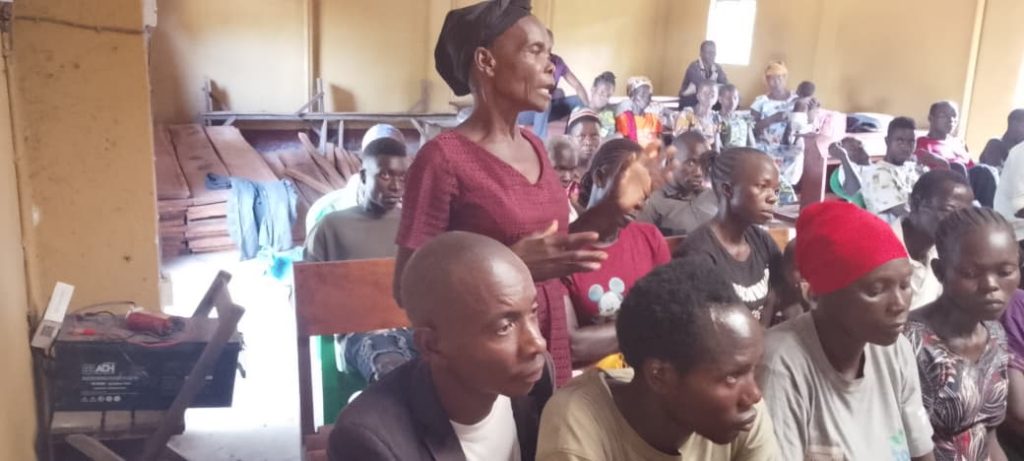
The exposure visit represents a critical component of CODEP’s sustainable agriculture program, which recognizes that farmers benefit significantly from observing improved farming practices in action alongside receiving classroom training. Participants were able to observe diverse farming techniques, exchange experiences with farm supervisors and experienced farmers, and gather practical knowledge about how to improve productivity in their home communities.
The initiative reflects growing recognition that sustainable agricultural development requires combining formal training with practical demonstration and exposure to successful farming models. By visiting Solidarity Rimenze Farm, farmers move from theoretical knowledge to practical understanding of how improved techniques translate into actual crop production and farm management.
Direct Observation and Experiential Learning
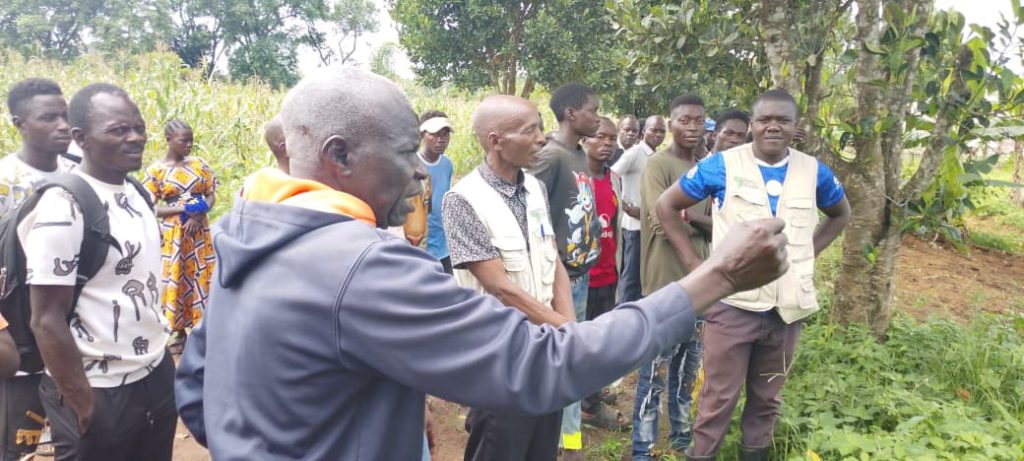
Brother Godsent, Supervisor at Solidarity Rimenze Farm, articulated the value of direct observation in agricultural learning, noting that farmers gain substantial knowledge through visual engagement with farming practices and results.
“When you visit different farms in this world, you learn 75 percent without being touched just by seeing the products around,” he observed, highlighting how exposure visits create learning opportunities that cannot be replicated in classroom settings.
Brother Godsent’s observation reflects agricultural development theory emphasizing that farmers learn effectively through multiple modalities: seeing improved practices, understanding the reasoning behind them, and envisioning how they might apply similar methods in their own contexts.
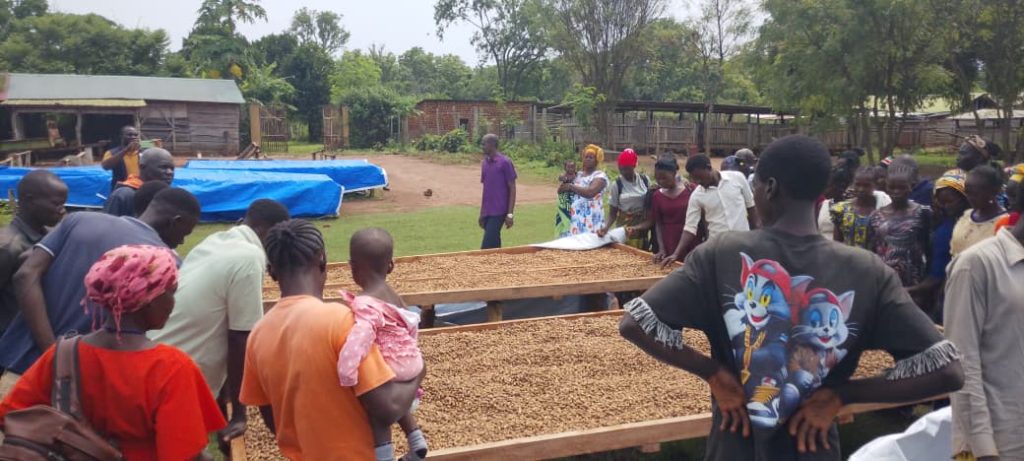
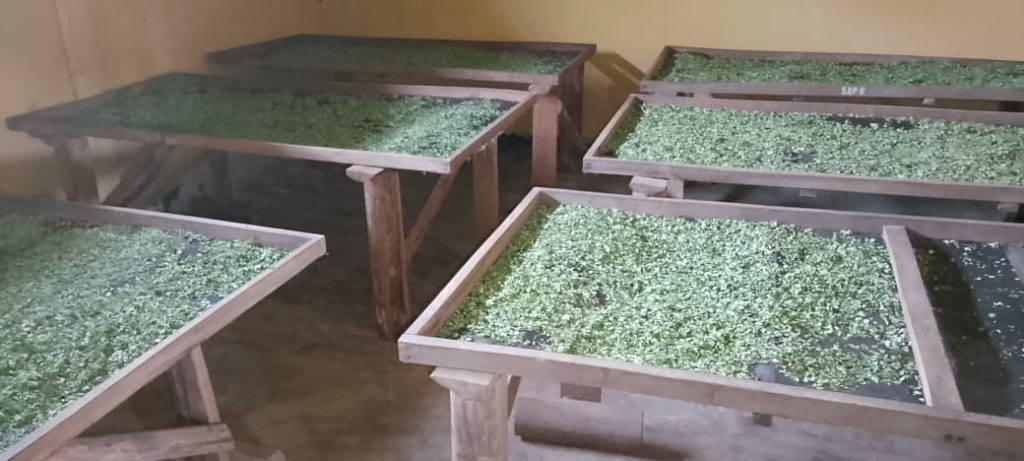
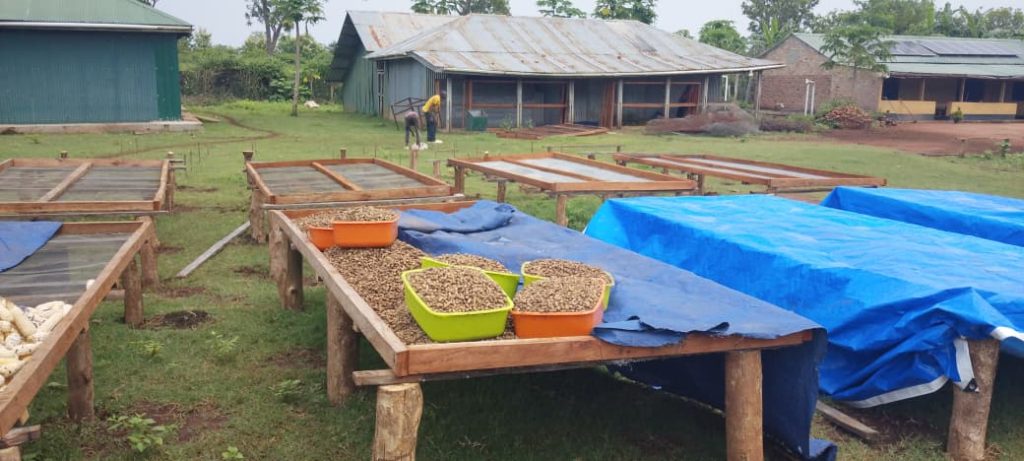
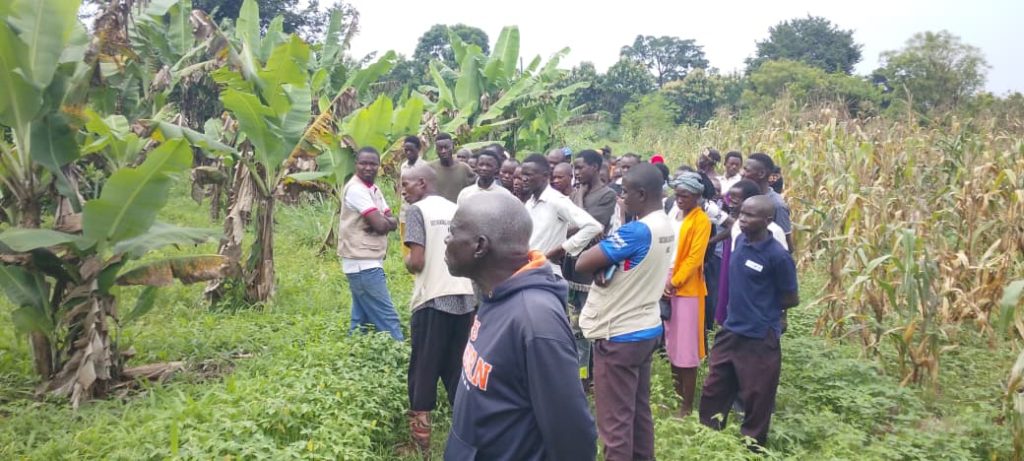
The visit enabled farmers to observe demonstration plots, examine improved seed varieties, observe proper land preparation techniques, and learn about pest management and crop maintenance practices from experienced farmers who have successfully adopted improved methods.
Project Management and Partnership Recognition
Mr. Mamu John, Project Manager for Sustainable Agriculture at CODEP, expressed gratitude for the collaboration between CODEP, Manos Unidas, Solidarity Rimenze Farm, and government partners that made the exposure visit possible.
“We thank Solidarity Rimenze Farm for opening its doors to our farmers. This exposure visit is a vital step in helping Uze and Ngindo farmers apply what they have learned in training. It is through such partnerships that we can build stronger farming communities,” he said, emphasizing that successful agricultural development requires coordinated effort across multiple organizations and stakeholders.
Mr. John’s statement recognizes that CODEP’s role as program implementer depends on partnerships with resource providers like Manos Unidas, demonstration farms like Solidarity Rimenze, and government technical staff who provide expertise and credibility to training programs.
Government and Technical Expert Support
Mr. Marcello Babitimo, consultant from the State Ministry of Agriculture and agriculture specialist from the SARD Institute, commended the exposure visit initiative and the commitment demonstrated by participating farmers.
“I appreciate the farmers for their commitment and Solidarity Rimenze Farm for hosting them. Thanks also to our partners who funded CODEP to bring farmers together. These visits are essential for expanding knowledge and improving farming practices,” he said, affirming government recognition of the importance of farmer exposure visits and practical learning.
His statement demonstrates government support for community-driven agricultural development and recognition that exposure visits and demonstration farms serve essential functions in agricultural extension and knowledge transfer.
Farmer Perspectives and Motivation
Joseph Sakpa, a farmer from Uze, expressed gratitude for the exposure visit and commitment to continued learning and application of improved practices.
“We thank CODEP and Manos Unidas for bringing us here today. This program must continue until we master all farming skills. Exposure visits like this give us confidence and motivation,” he said, highlighting the psychological and motivational dimensions of seeing successful farming models in action.
Joseph’s statement reflects the reality that farmers’ willingness to adopt new practices depends partly on confidence that the practices actually work. Seeing successful demonstrations addresses this confidence gap and provides motivation to implement what they have learned.
Practical Application and Future Implementation
Elizabeth Peter from the Ngindo Farmers Group emphasized the practical benefits she gained from the exposure visit and expressed commitment to implementing observed practices in her community’s upcoming agricultural season.
“We have learned a lot today. We are preparing our ground for the second season, and we will implement what we have seen here. We thank the organization and its partners for caring for farmers within and across communities,” she said, demonstrating how exposure visits create immediate commitment to behavior change.
Elizabeth’s statement highlights the critical transition from learning to implementation—the exposure visit is valuable only if farmers actually apply what they have learned when they return home and prepare their fields for the next season.
Strategic Timing and Seasonal Relevance
The timing of the exposure visit, occurring as farmers prepare for the second planting season, maximizes practical relevance. Farmers who have just completed their first season and are preparing for the second have immediate opportunity to apply new insights from the exposure visit.
This contrasts with training conducted far from planting season, which may result in loss of motivation and forgetfulness before farmers have chance to implement knowledge. By timing the visit strategically, CODEP increases likelihood that farmers will actively apply what they have learned.
Solidarity Rimenze Farm as Development Model
Solidarity Rimenze Farm serves as demonstration of what is possible when improved agricultural practices are implemented with commitment and consistency. The farm’s willingness to host farmer groups reflects recognition that successful farms have responsibility to contribute to community agricultural development by providing demonstration and training opportunities.
The success of Rimenze Farm likely motivated participating farmers by showing them tangible results of improved practices—higher yields, healthier crops, better soil condition, effective pest management—that could be achieved in their own contexts.
Comprehensive CODEP Mission
The exposure visit represents one component of CODEP’s comprehensive mission supporting vulnerable populations across Western Equatoria State. CODEP continues to support farmers, internally displaced persons, vulnerable children, and the elderly through sustainable agriculture, livelihood programs, and humanitarian activities.
By combining training, tool provision, input distribution, and exposure visits, CODEP addresses multiple constraints limiting smallholder farmer productivity. This comprehensive approach recognizes that increasing agricultural output requires not just knowledge but also resources, motivation, and practical support systems.
Broader Development Context
The Uze and Ngindo farmer training program and exposure visit occur within broader context of South Sudan’s food security challenges. Despite significant agricultural potential, the nation faces chronic food insecurity affecting millions of people. Improving smallholder farmer productivity is essential for addressing this challenge.
By building farmer capacity through training and exposure visits, CODEP contributes to national food security goals while also improving household nutrition and income for participating farming families.
Multiplier Effect and Knowledge Dissemination
A significant benefit of this exposure visit is the multiplier effect. The 50 farmers who visited Solidarity Rimenze will return to their communities and share what they learned with neighbors, family members, and other community members. This peer-to-peer knowledge dissemination extends the program’s reach beyond direct participants.
Farmers often trust information from fellow community members more readily than external experts, making farmer-to-farmer knowledge transfer a powerful mechanism for promoting adoption of improved practices.
Continuation and Expansion
Both farmer participants and program implementers expressed commitment to continuation and expansion of exposure visits and farmer training programs. Joseph Sakpa’s call for the program to “continue until we master all farming skills” reflects farmer recognition that agricultural skill development is ongoing process requiring multiple learning opportunities and reinforcement.
CODEP’s track record of implementing programs in partnership with donors like Manos Unidas, government partners, and demonstration sites like Solidarity Rimenze suggests that similar initiatives will continue as resources and partnerships allow.
Significance for Agricultural Development
The exposure visit to Solidarity Rimenze Farm represents best practice in agricultural extension and farmer capacity building. By combining classroom training with practical demonstration, farm visits, and peer learning, CODEP increases effectiveness of its agricultural development programs.
Research demonstrates that farmers adopt improved practices more readily when they:
- Receive training in both theory and practice
- See successful demonstrations
- Learn from peers and respected farmers
- Have immediate opportunity to apply learning
- Receive ongoing technical support
The Uze and Ngindo farmer program incorporates these elements, increasing likelihood of successful adoption of improved practices and sustained agricultural productivity improvements.
Investment in Community Resilience
The investment by CODEP and Manos Unidas in farmer training and exposure visits represents investment in community resilience and long-term food security. By building farmer capacity to produce more food using improved practices, these programs strengthen communities’ ability to feed themselves and withstand future shocks including conflict, climate variability, and economic fluctuations.
As the Uze and Ngindo farmers return home from Solidarity Rimenze Farm and prepare their fields for the second planting season, they carry with them practical knowledge, increased confidence, and renewed motivation to improve their farming practices. The success of their coming harvest will demonstrate the value of exposure visits and farmer-to-farmer learning in promoting agricultural development and improving livelihoods across Western Equatoria State.
CODEP’s commitment to continuing and expanding such initiatives offers hope that more farmers will gain access to training, exposure visits, and technical support that enables them to increase productivity and improve household food security and income.