By Waure Eddy.
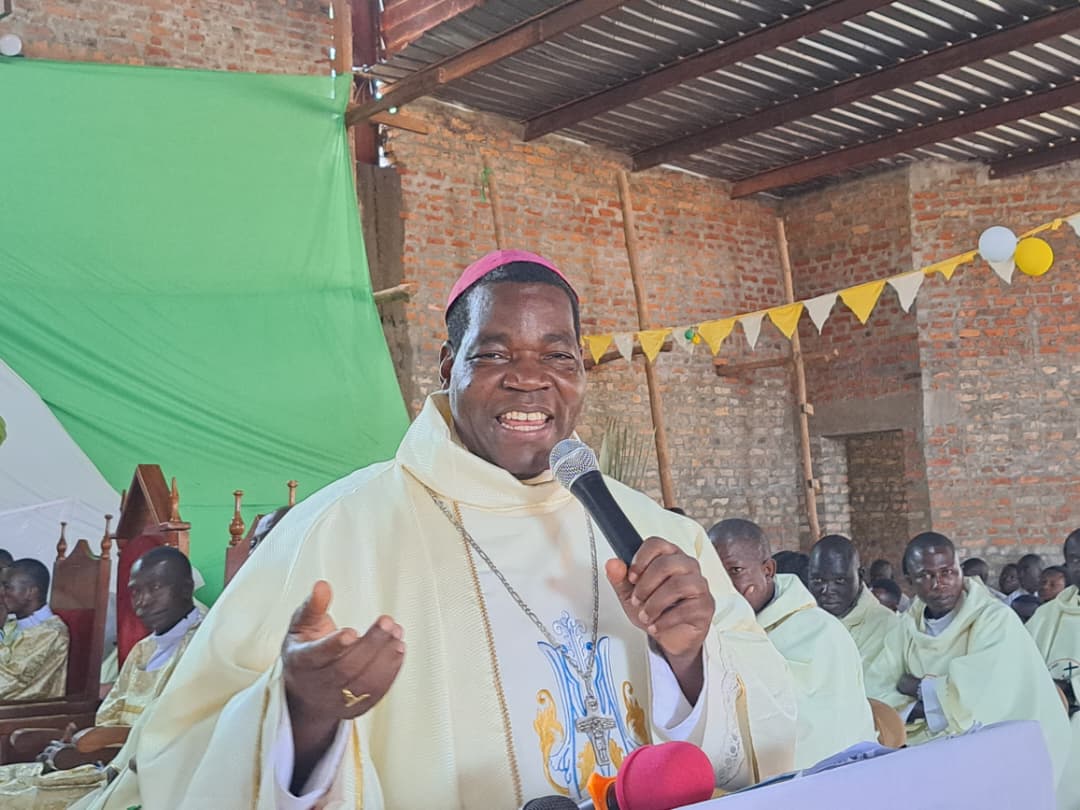
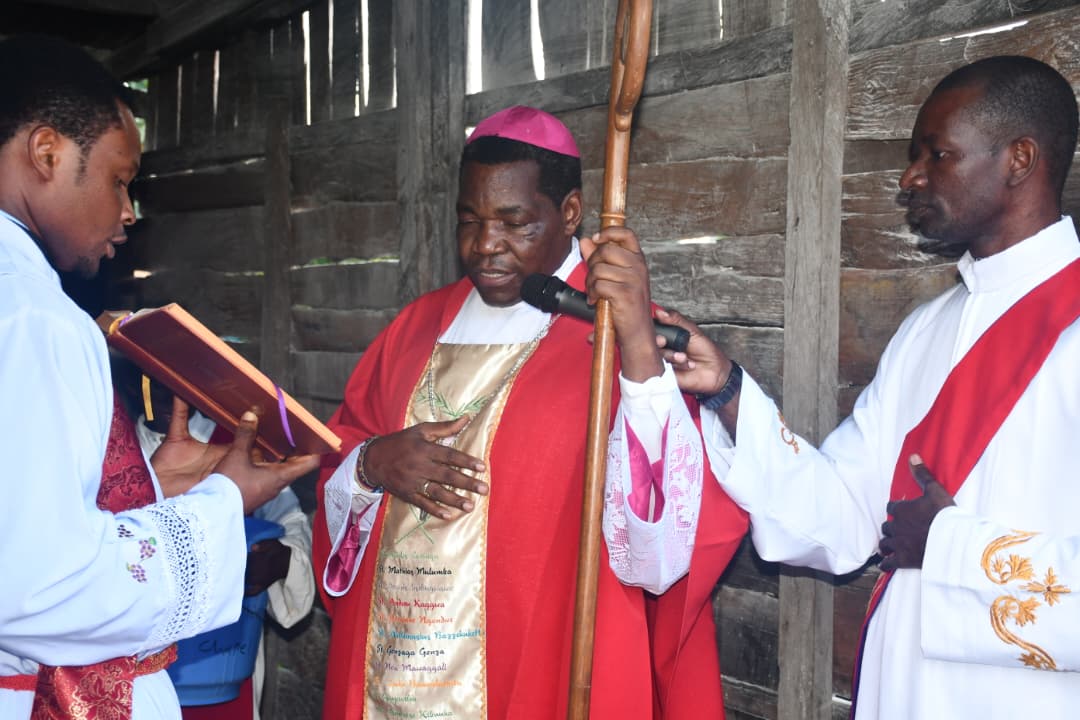
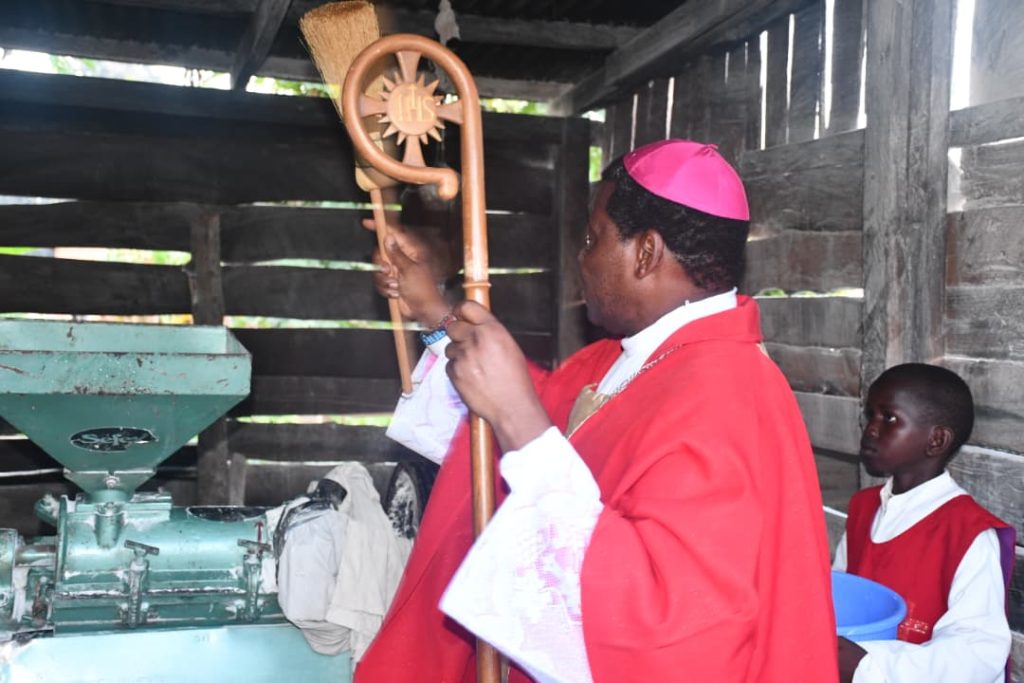
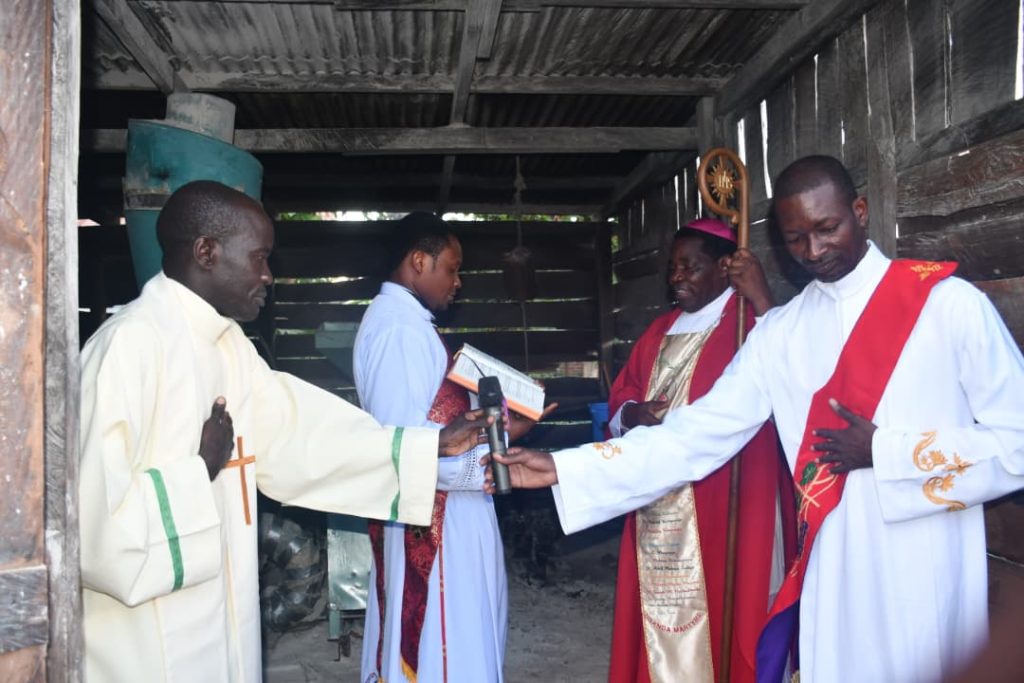
The Bishop of the Catholic Diocese of Tombura-Yambio, the Most Reverend Barani Eduardo Hiiboro Kussala, has officially blessed a vehicle, shop, and milling machine at St. John Paul II Philosophicum Major Seminary during the formal opening of the seminary’s 2026/27 academic year.
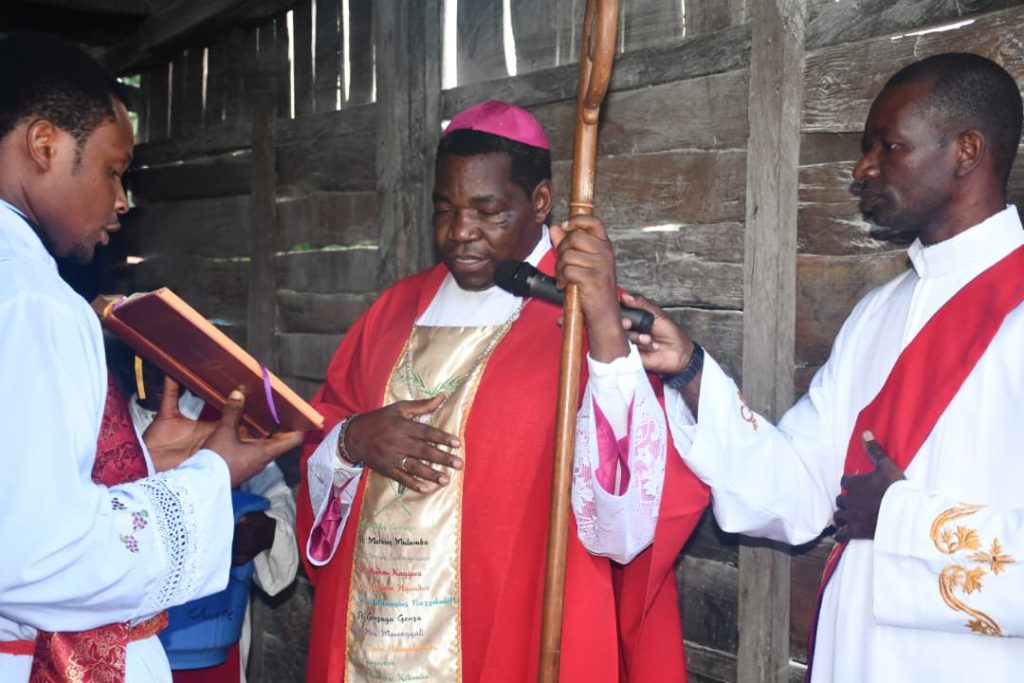
The blessing ceremony and academic year inauguration celebrated institutional investments designed to support seminarian welfare while generating income for the seminary’s operations and service to the broader community.
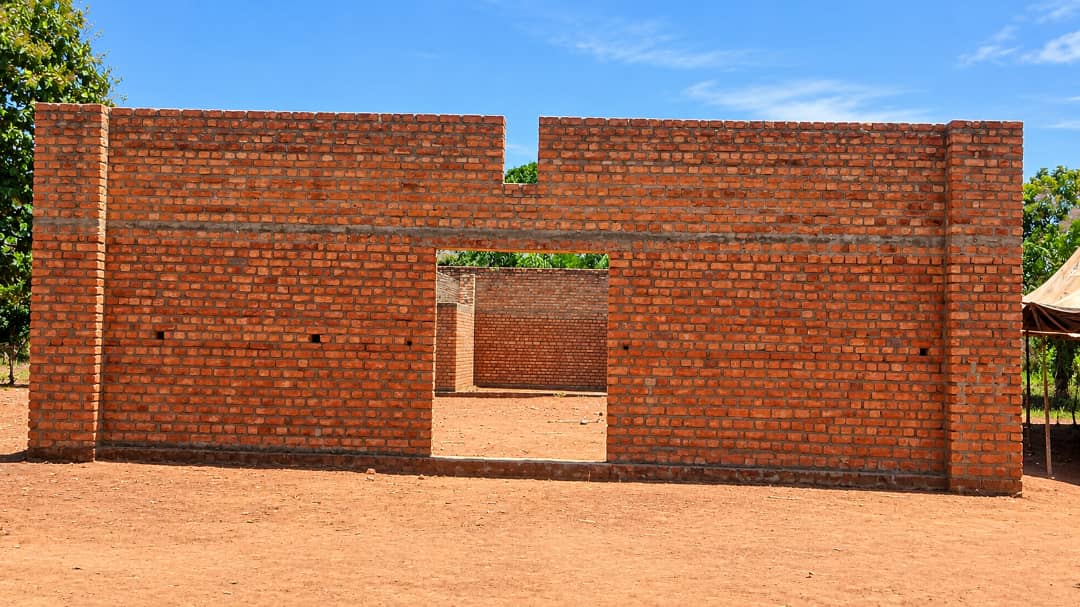
The three items—a vehicle, retail shop, and milling machine—represent strategic investments enabling the seminary to provide adequate food, medical care, and essential supplies for seminarians while creating sustainable revenue streams that strengthen institutional financial stability.
Seminary Rector Reverend Father Natale Vaile expressed gratitude for Bishop Hiiboro’s support and articulated how the blessed items will enhance seminary operations and community service.
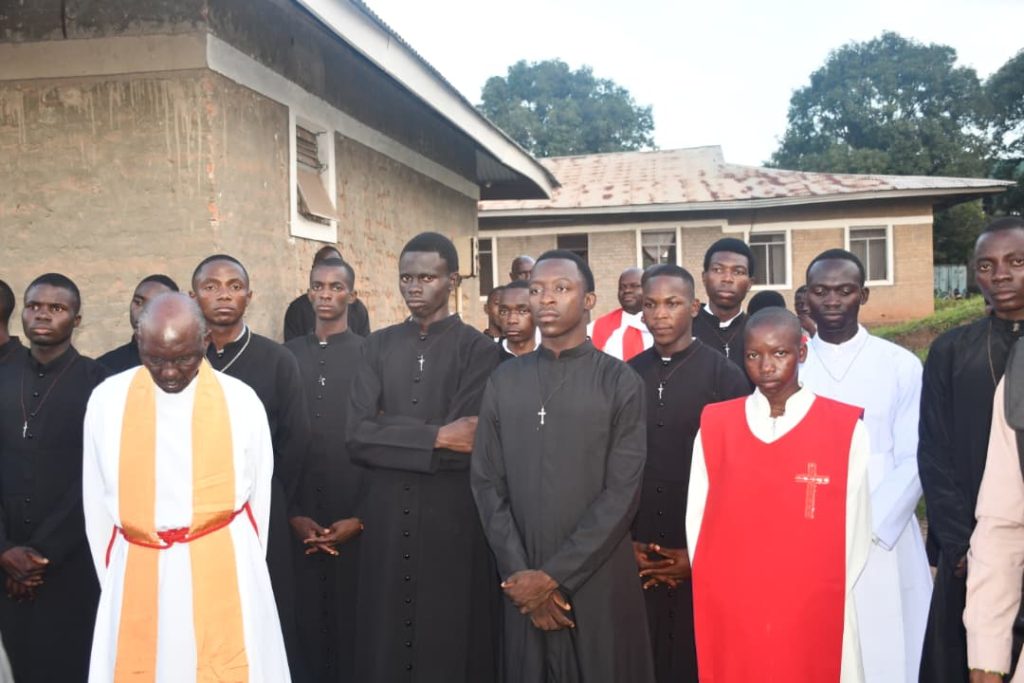
“Today we are witnessing the blessing of our car, shop, and machine. This will help us a lot to cater for our seminarians who are studying. We need them to be strong while doing their duties,” Father Vaile said, connecting the material provision to seminarians’ wellbeing and formation.
The rector emphasized the vehicle’s multifaceted utility, noting that it will facilitate transportation across parishes while generating income through rental services.
“This car will help us a lot because we will be hiring it to whomever needs to transport goods. The money will be used for maintenance, feeding, and medications,” he explained, demonstrating how the vehicle serves both practical and economic functions.
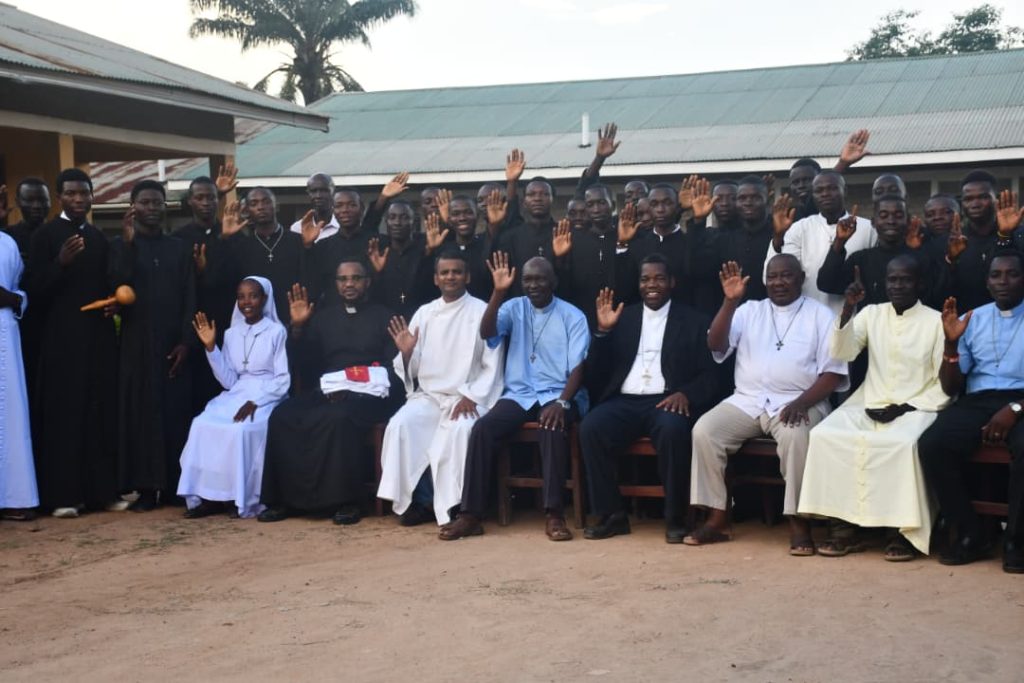
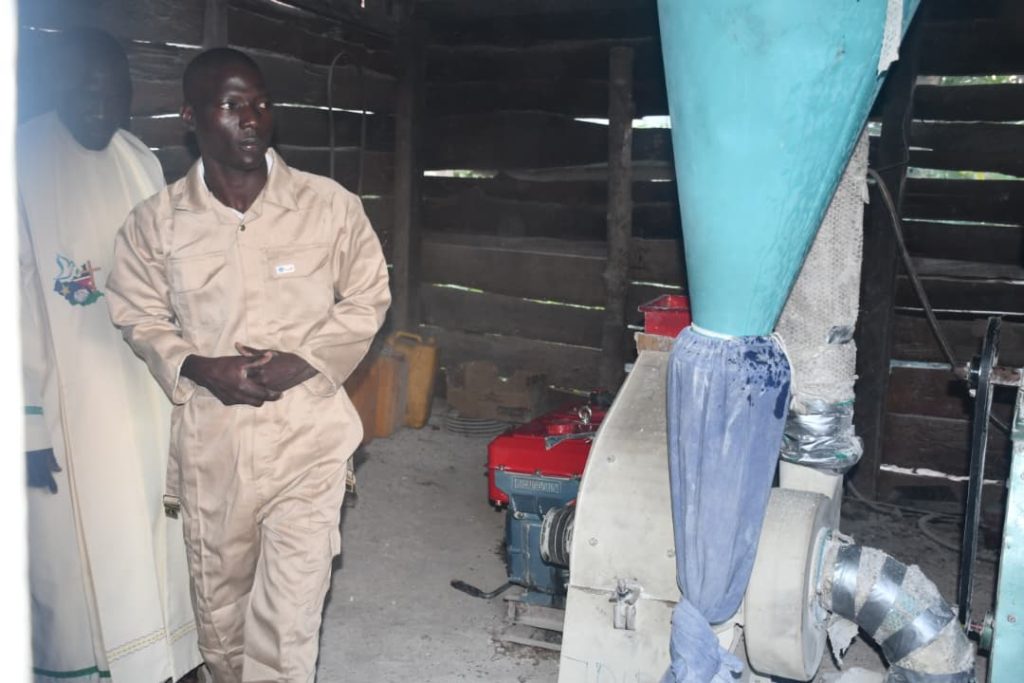
Father Vaile particularly highlighted the seminary’s milling machine as a significant income-generating asset for the institution.
“In a day we get more than 500,000 SSP from our milling machine. We thank the effort of the Bishop towards his Diocese,” he said, indicating that the milling operation provides substantial daily revenue supporting seminary operations.
The milling machine demonstrates innovative approach to seminary sustainability, combining spiritual formation with practical economic activities that support the institution’s operations while serving community needs.
Bishop Hiiboro commended the seminary’s leadership for their resourceful approach to institutional sustainability and community service.
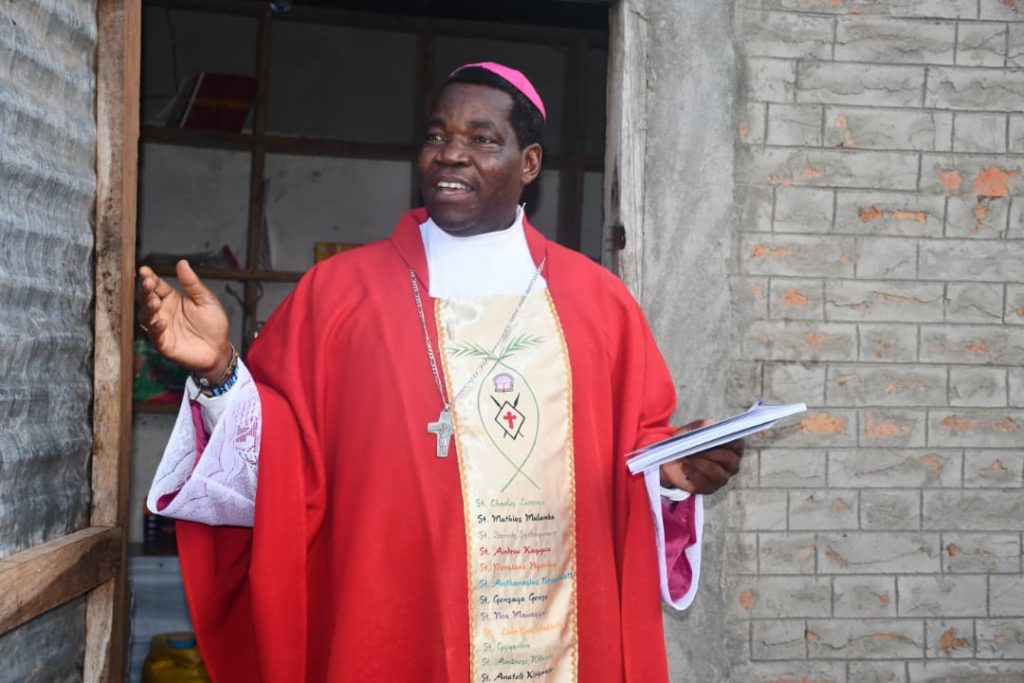
“Today we are witnessing the wonderful effort of the Seminary. These three items we are blessing will serve more people in the community, not seminarians alone,” the Bishop said, recognizing that seminary enterprises benefit broader populations beyond student beneficiaries.
The Bishop’s comment reflects understanding that educational institutions can serve economic and social functions within their communities, generating resources that support both institutional operations and community welfare.
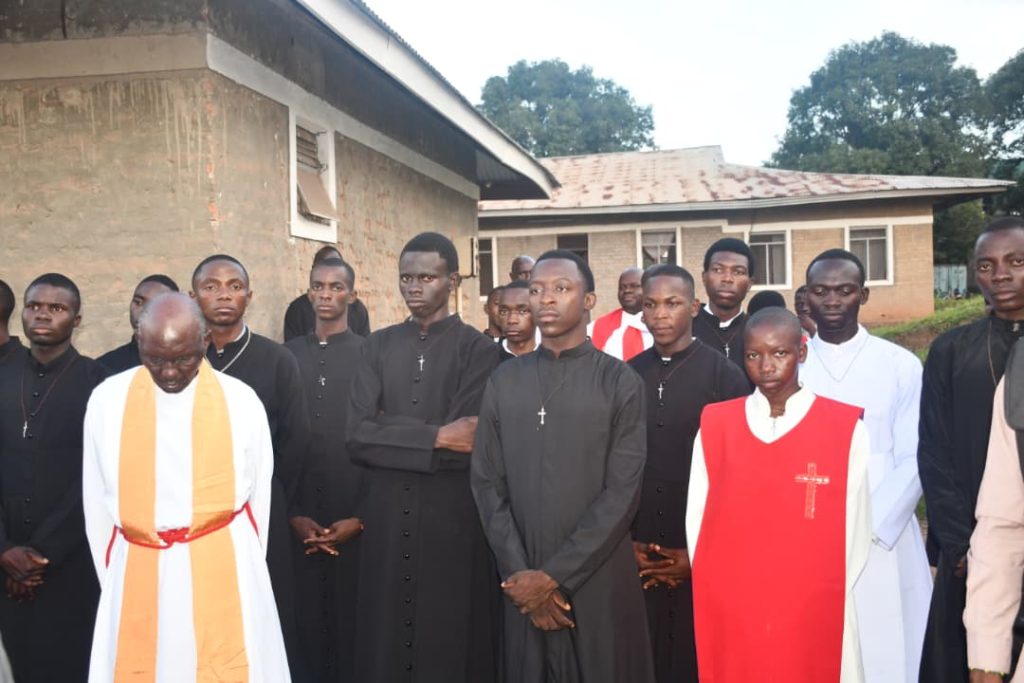
Bishop Hiiboro encouraged those entrusted with managing the blessed items to care for them diligently so they continue supporting the seminary’s mission for years to come.
“These resources have been blessed and entrusted to your care. Treat them with responsibility and respect so they continue to bear fruit for our seminarians and our communities,” the Bishop emphasized, calling for faithful stewardship of institutional assets.
The Bishop also addressed seminarians directly, urging them to maximize their formation years through dedicated study, respect for teachers, and commitment to the seminary’s values.
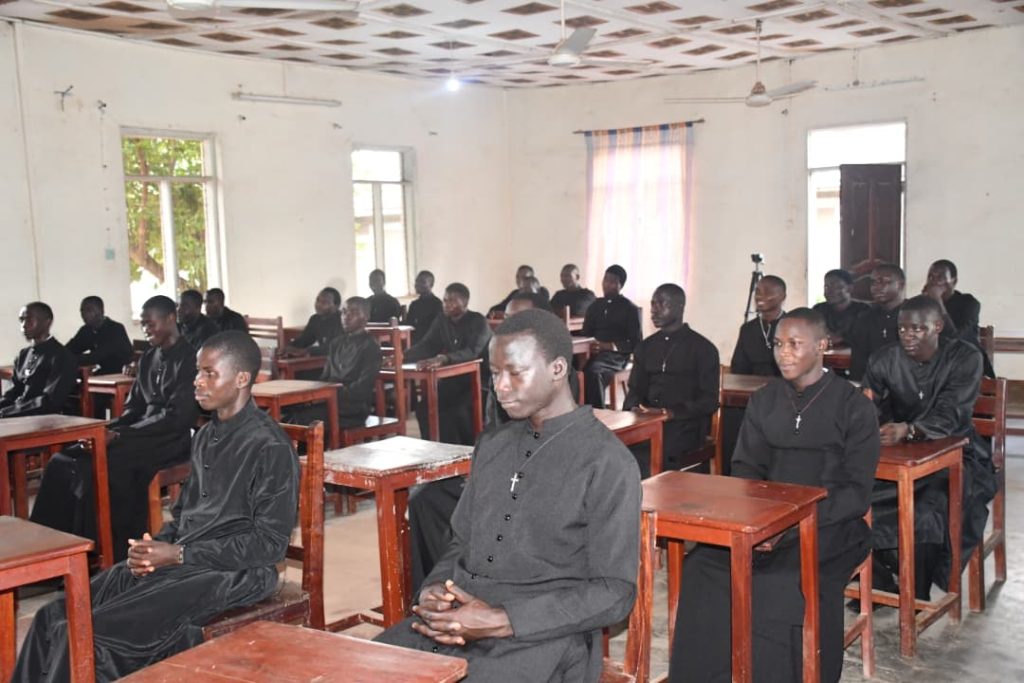
“Study hard, respect your teachers, and uphold the values of the Seminary throughout your formation. You are preparing not only for priesthood but for service to God’s people,” he said, connecting material provision to spiritual formation and pastoral preparation.
The blessing of these three items reflects broader ecclesiastical strategy of promoting institutional self-sufficiency through income-generating activities. Rather than depending entirely on external donations or diocesan subsidies, the seminary has developed enterprises that generate revenue while serving community needs.
This approach to institutional sustainability enables seminaries to maintain operations even when external funding fluctuates and demonstrates entrepreneurial commitment to ensuring that educational institutions can function effectively in challenging economic contexts.
Seminarian formation requires investment in human development—not only spiritual and intellectual formation but also physical wellbeing. Adequate nutrition, healthcare, and material support enable seminarians to focus on studies and spiritual growth without distraction from physical needs.
By ensuring that seminarians receive proper food, medical care, and essential supplies through revenue generated by institutional enterprises, the seminary creates conditions conducive to effective formation and preparation for priesthood.
The vehicles, shop, and milling machine serve functions extending beyond seminary operations. Community members utilize the milling services, rely on the shop for goods, and depend on vehicle rental services. Through these enterprises, the seminary contributes to community economic activity and welfare while generating resources for its own operations.
This model of institutional service demonstrates how educational institutions can simultaneously serve their primary mission—forming priests—while contributing meaningfully to community economic life and development.
As St. John Paul II Seminary continues its formation mission with enhanced material resources and income-generating capacity, the institution is positioned to provide quality education and formation for future priests of the Catholic Diocese of Tombura-Yambio.
The blessing of these items affirms Bishop Hiiboro’s commitment to supporting seminaries and priestly formation while recognizing that institutional sustainability requires both spiritual commitment and practical economic management.
As seminarians complete their formation and enter priesthood, they will carry with them not only theological knowledge and spiritual discipline but also appreciation for institutional stewardship and service to community—values embodied in the seminary’s multifaceted mission.
The blessing of the vehicle, shop, and milling machine at St. John Paul II Seminary represents investment in seminarian formation, institutional sustainability, and community service—all essential dimensions of the Church’s ongoing mission to prepare dedicated priests capable of shepherding God’s people in Western Equatoria State and beyond.