By Sr. Laurencila Akinyi, FSSA
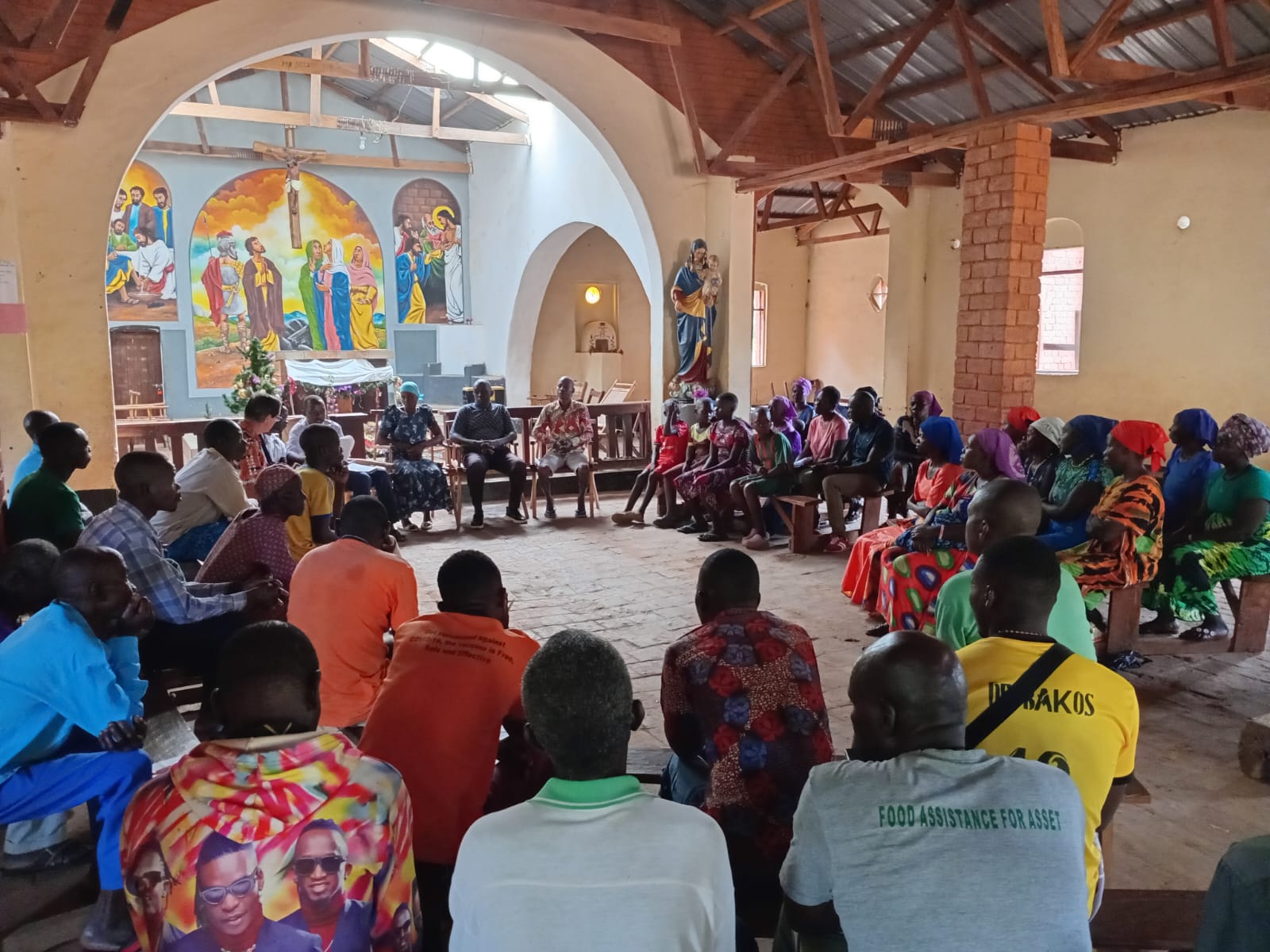
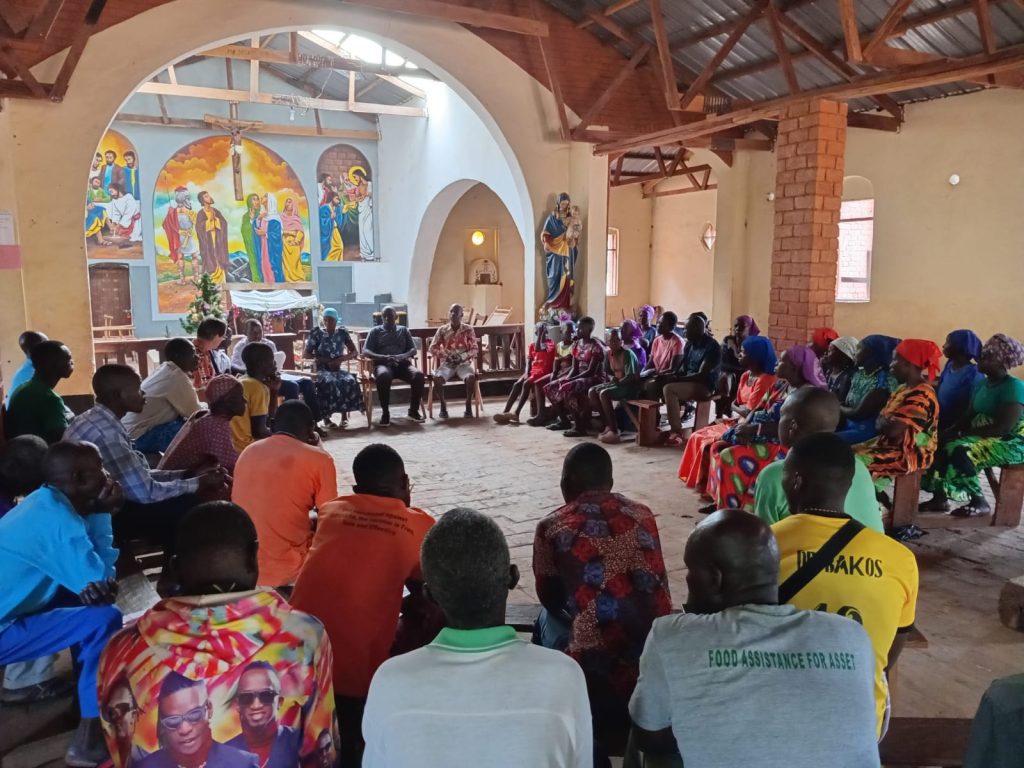
The Missionary Community of St. Paul the Apostle has convened a comprehensive staff meeting at Ave Maria Mission, bringing together employees from both Ave Maria and St. Thomas parishes to discuss the mission’s pastoral and developmental activities in the region.
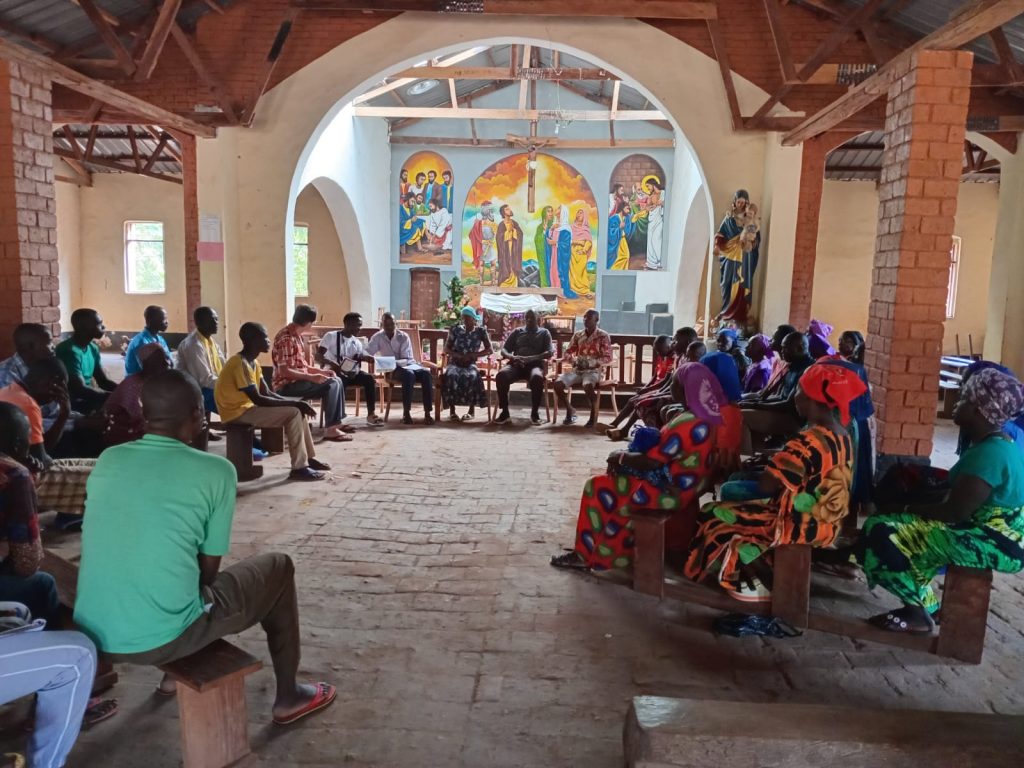
The meeting was led by Reverend Father Albert, head of the Missionary Community of St. Paul the Apostle, who delivered opening remarks outlining the mission and purpose of the community’s work in the area. Father Albert explained that Ave Maria Mission currently employs 146 staff members, of whom 30 positions have been taken over by Mexican sisters, making Ave Maria the leading job creator in the three counties of Ezo, Tombura, and Nagero.
Despite being the largest employer in the region, Father Albert acknowledged that the mission does not have permanent funds at hand but depends on fundraising from well-wishers of their mission to pay the salaries of all staff members. This financial reality underscores both the commitment of the missionary community and the challenges they face in sustaining their extensive operations.
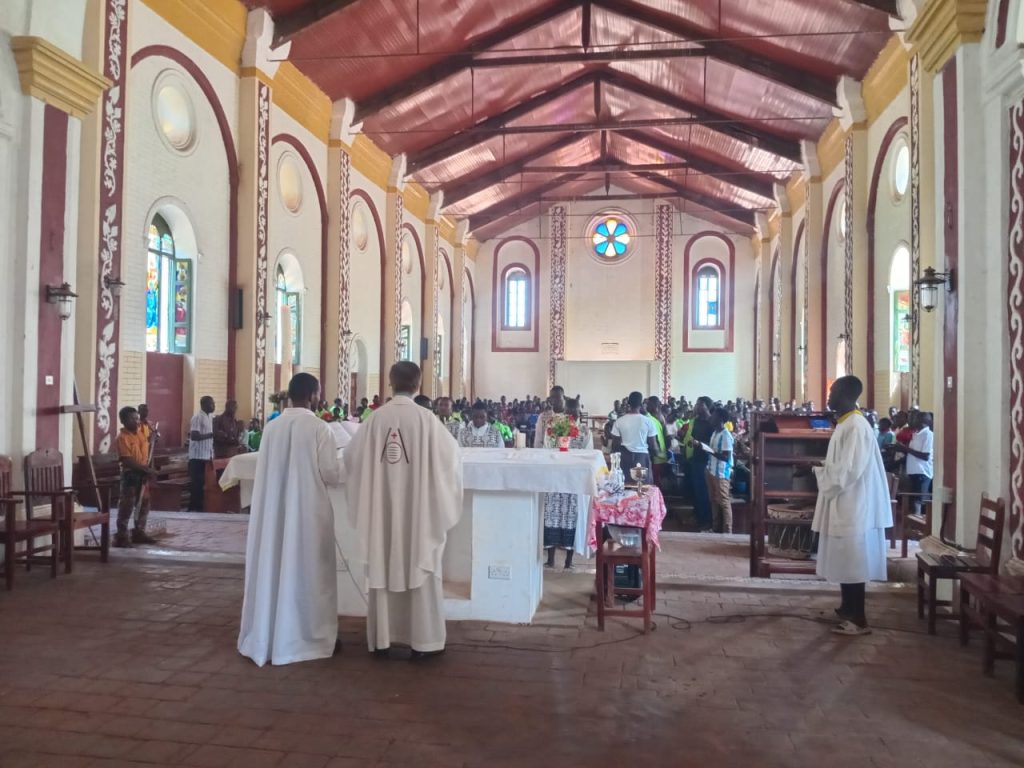
Father Albert emphasized that the meeting was called to help staff understand why the community has taken on the mission of caring for the sick and vulnerable people. He explained that it is through serving such people that the mission encounters Jesus Christ, drawing a direct connection between their work and the Gospel call to serve the least among us.
In addressing perceptions about different types of work, Father Albert stressed that all staff members are equal before God, even though people may think that positions like watchmen or cleaners represent the least important work. He reminded the staff that before God, all workers are equal regardless of their specific roles or responsibilities.
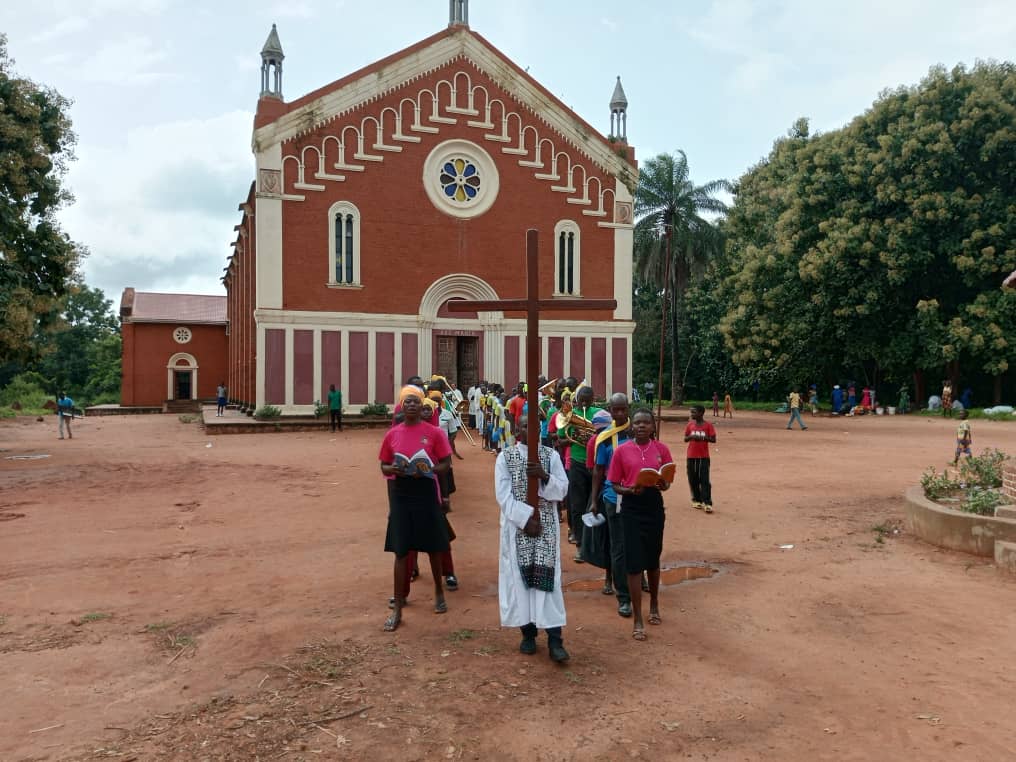
Pastoral and Developmental Activities
Reverend Father Avelino, who serves as Episcopal Vicar for Western Deanery, Parish Priest of Ave Maria Mission, caretaker of St. Thomas Parish, and head of pastoral activity in the Missionary Community of St. Paul the Apostle in Ave Maria, provided detailed information about the community’s work. He explained that the Missionary Community of St. Paul the Apostle has three members who are undertaking missions of pastoral and developmental activities in the two parishes of Ave Maria and St. Thomas.
In their developmental activities, Father Avelino said the mission operates three kindergartens and two primary schools. He noted that Mexican sisters have now taken over one kindergarten and one primary school, leaving under the direct care of the Missionary Community of St. Paul the Apostle two kindergartens and one primary school, of which only one kindergarten is currently operational due to some technical issues.
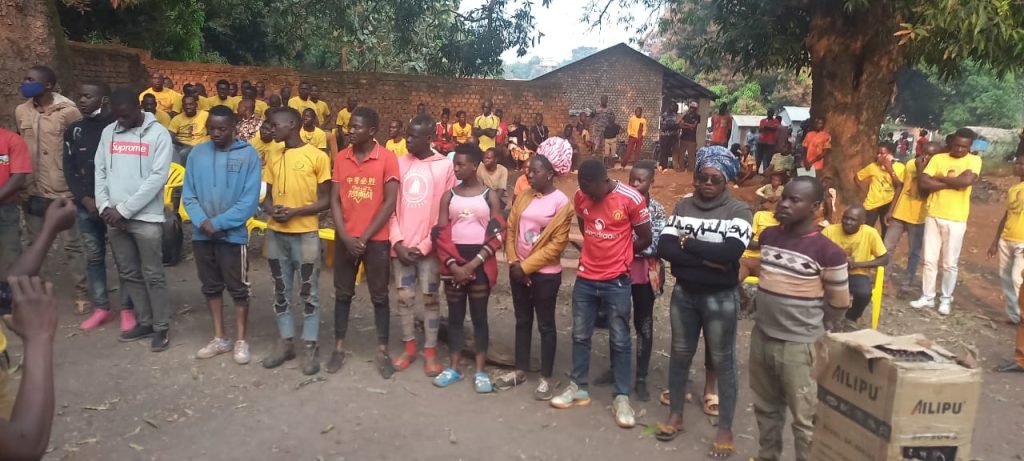
Father Avelino also highlighted the mission’s vocational training center, emphasizing its importance in the context of community development. He noted that in the most developed countries, the number of people who undergo vocational training is greater than those who pursue formal education, suggesting that vocational skills provide practical pathways to employment and self-sufficiency.
On the importance of vocational training, Father Avelino said that prominent sons of the region, especially His Lordship Barani Eduardo Hiiboro and Honorable Bangasi Joseph Bakosoro, are seriously stressing that vocational training should be taken as a very important priority in the community. This emphasis reflects growing recognition that technical skills and practical training are essential for economic development and youth empowerment in the region.
Lillian, who serves as head of technical issues for the mission, instructed staff members to adhere to what they have learned in safeguarding training, emphasizing the importance of maintaining proper protocols for protecting vulnerable populations served by the mission.
Strengths and Weaknesses Identified
In the closing session of the meeting, staff members together with Father Avelino and Lillian conducted an evaluation of the gathering, identifying both weaknesses and strengths. Among the weaknesses realized were that questions raised by workers were not properly answered, there was inadequate welfare provision for workers, poor protection mechanisms for employees, and a limited time frame for the meeting that prevented more thorough discussion of important issues.
The strengths identified included strong unity among all workers and the significant number of employees under the Mission of Ave Maria, which demonstrates the scale and impact of the mission’s presence in the community.
The staff meeting at Ave Maria Mission reflects the Missionary Community of St. Paul the Apostle’s commitment to transparency, communication, and continuous improvement in their service to the communities of Ezo, Tombura, and Nagero counties. As one of the largest employers and service providers in the region, the mission plays a vital role not only in pastoral care but also in education, vocational training, and community development.
The Catholic Diocese of Tombura-Yambio continues to support the work of missionary communities like St. Paul the Apostle, recognizing their essential contribution to building the Church’s presence and serving the material and spiritual needs of people across Western Equatoria State.