By. Waure Eddy
The Catholic Organization for Development and Peace, with support from the Scottish Catholic International Aid Fund, has successfully concluded a five-day intensive agricultural training program for 30 smallholder farmers in Mambe Payam as part of ongoing efforts to boost food security and promote sustainable livelihoods across Western Equatoria.

The training focused on equipping farmers with practical knowledge in modern farming techniques, including good agronomic practices, land preparation, pest and disease control, and post-harvest handling. By strengthening farmers’ skills, CODEP aims to improve crop productivity, enhance soil fertility, and ensure household food security in the region.

At the close of the training, CODEP distributed essential farming tools to participants, enabling them to immediately apply the skills learned in their fields. The provision of tools alongside training represents a comprehensive approach to agricultural development, ensuring that farmers not only gain knowledge but also have the means to put that knowledge into practice.

Speaking during the event, Mr. Gibson Kamilio Bakuyo, Project Manager for Sustainable Agriculture and Livelihoods at CODEP, emphasized the importance of agriculture as a pathway to economic independence. He said the training is designed to empower farmers with hands-on skills that can immediately improve their productivity and resilience, noting that with the generous support from SCIAF, they are building stronger and more sustainable farming communities in Mambe Payam.

Bakuyo further urged South Sudanese communities to embrace agriculture as a foundation for peace, food security, and long-term stability, encouraging youth in particular to take up farming as a productive livelihood. His call reflects growing recognition that agricultural development is not only an economic necessity but also a peacebuilding strategy, providing young people with alternatives to conflict and creating stable foundations for community life.

The Payam Administrator of Mambe, Mr. Robert Taban, welcomed the initiative, saying the training will benefit local farmers significantly. He expressed pleasure with the intervention by CODEP and SCIAF, noting that it directly addresses the needs of farmers and will contribute substantially to food security and improved livelihoods in Mambe and Maridi County more broadly.

Lucia John, one of the participants, expressed gratitude for the training and pledged to implement the new techniques to improve yields and strengthen household resilience. Her commitment reflects the enthusiasm with which farmers in the region have received the program and their readiness to adopt improved practices that can transform their agricultural productivity.
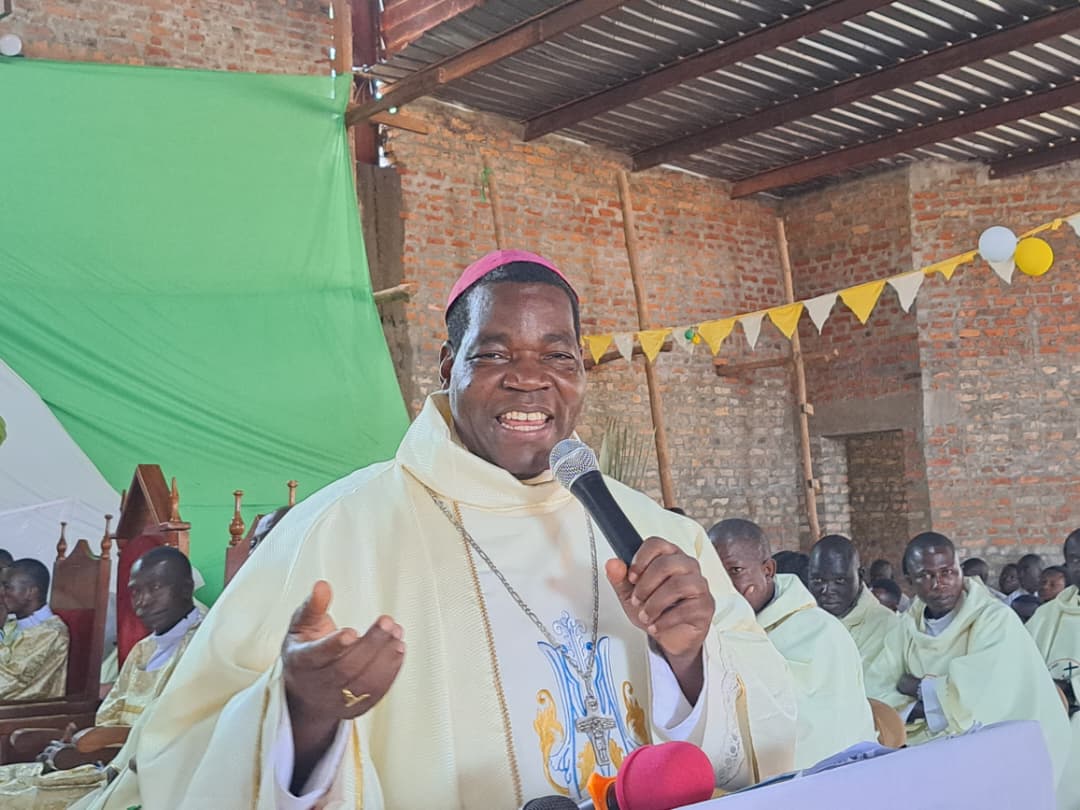
This intervention forms part of the broader Sopabino Project, supported by SCIAF through the Bishop of the Catholic Diocese of Tombura-Yambio, Rt. Rev. Barani Eduardo Hiiboro Kussala. The project promotes sustainable agro-ecological livelihoods across Western Equatoria through practical training, demonstration plots, and community mobilization, representing a holistic approach to agricultural development that combines technical skills with environmental stewardship.
The five-day training marks another milestone in advancing sustainable farming practices in Western Equatoria. By empowering farmers with modern skills and tools, CODEP and SCIAF are laying the foundation for increased food production, economic independence, and peaceful community development in Mambe Payam and Maridi County.

The success of the Mambe training program comes at a critical time when food insecurity remains a pressing concern across South Sudan, with millions of people struggling to meet their basic nutritional needs. Initiatives like this demonstrate the Catholic Church’s continued commitment to supporting communities through practical interventions that address both immediate needs and long-term development challenges.
CODEP has been at the forefront of agricultural development and humanitarian response in Western Equatoria State, implementing multiple projects that combine emergency assistance with sustainable livelihood support. The organization’s work reflects a broader strategy within the Catholic Church to help communities transition from dependence on humanitarian aid to self-sufficiency through agriculture, skills development, and community empowerment.