By Sr. Laurencila, FSSA
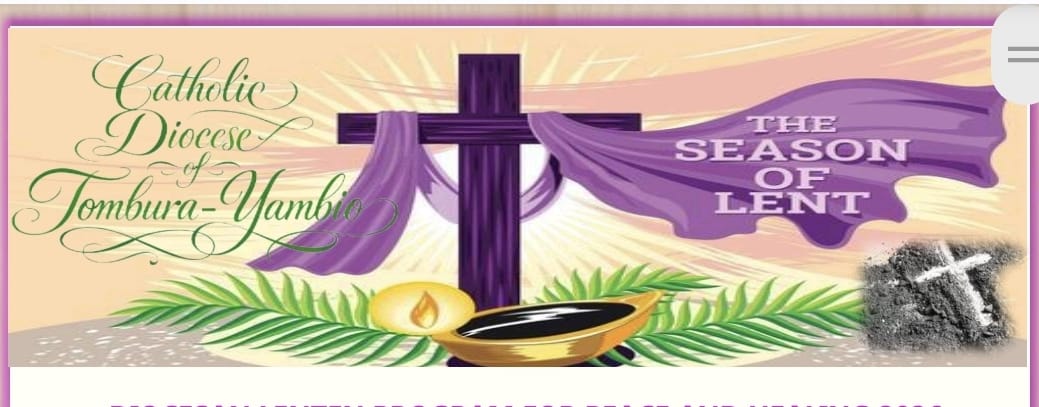
The Catholic Diocese of Tombura-Yambio has launched its Diocesan Lenten Program for 2026 under the motto “Return to the Lord and Live in Peace,” calling on all parishes, families, and Small Christian Communities to embrace a season of spiritual renewal, reconciliation, and active solidarity with the vulnerable.

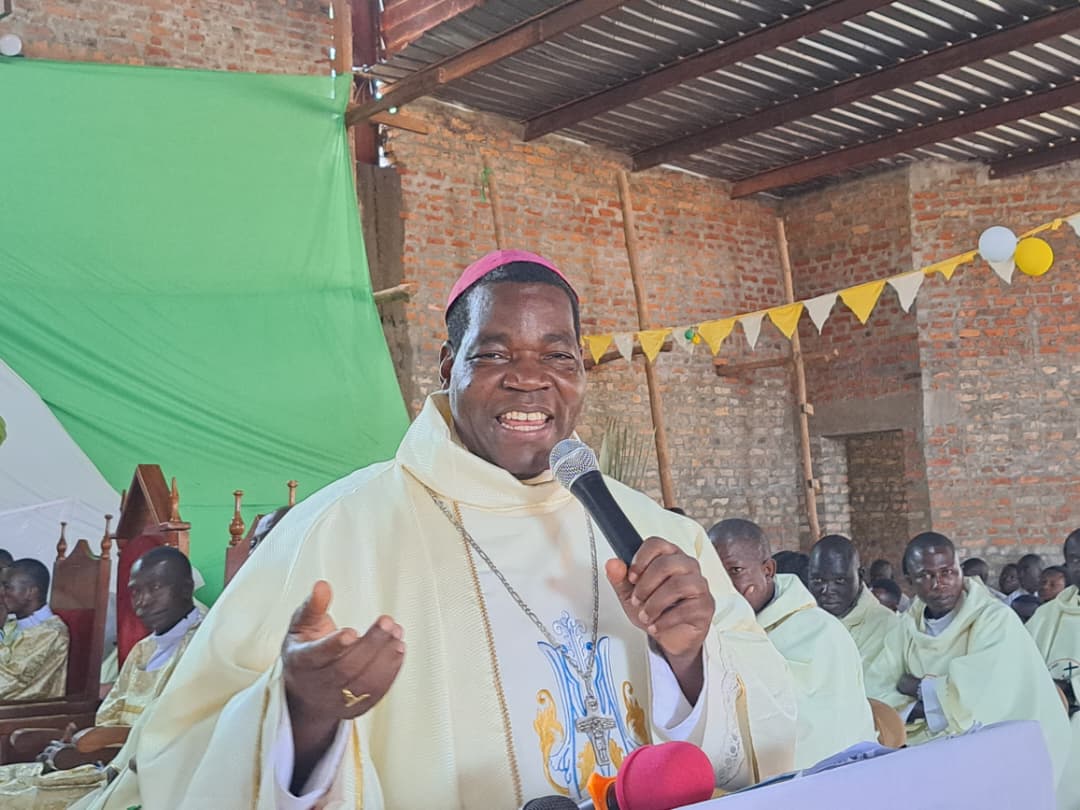
In a pastoral message issued from the Chancery on February 16, 2026, Bishop Barani Eduardo Hiiboro Kussala addressed priests, religious men and women, catechists, lay faithful, and all people of goodwill, acknowledging the many challenges facing the diocese including hatred, tribal divisions, manipulation of youth, betrayal, targeted violence, forced divorces, poverty, and diseases affecting communities across the region.
Despite these challenges, the Bishop described Lent as a time of conversion, healing, and hope, inviting the faithful to return to God, restore relationships, and build communities of reconciliation and solidarity. The diocesan program aligns with the National Lenten Campaign under the theme of holiness of life, reconciliation and healing, social justice and peace, livelihoods, and environmental care.
Biblical and Canonical Foundation
Bishop Hiiboro rooted the Lenten program firmly in Sacred Scripture, drawing from Jesus’ forty days in the desert as recounted in Matthew’s Gospel, the call to repentance in Mark, the ministry of reconciliation in Saint Paul’s second letter to the Corinthians, the promise of a new heart in Ezekiel, and the blessing of peacemakers in the Sermon on the Mount. He emphasized that peace flows from repentance, justice, and love, and that without conversion, reconciliation cannot endure.
The program is also grounded in Church discipline, with the Bishop citing the relevant canons of the Code of Canon Law that oblige all the faithful to do penance during Lent, observe regulations for fasting and abstinence, and receive sacramental confession at least once a year. The diocese urges the faithful to embrace Lenten practices fully, both spiritually and socially.
A Rich Program of Spiritual and Social Practices
The diocesan Lenten program encompasses sixteen distinct practices designed to address both spiritual renewal and the social challenges facing the community. At its heart is a call to personal moral conversion, with the faithful being asked to abstain from alcohol, drugs, smoking, abusive language, tribal hate, betrayal, and corruption, while avoiding domestic violence and injustice. As a practical action, each person is encouraged to identify one bad habit to abandon and one virtue to practice daily throughout the season.

A unique feature of this year’s program is the Lenten Covenant Garment, through which the faithful may prepare modest clothing or cloth for blessing by a priest, symbolizing sobriety, purity, self-discipline, commitment to holy living, and remembrance of baptismal dignity.
The program encourages families, parishes, and Small Christian Communities to undertake pilgrimages and shrine prayer for peace, visiting diocesan shrines during Lent to pray for peace and reconciliation in Mundri, Mvolo, Maridi, Ibba, Ezo, Tombura, Yambio, and Nagero, as well as for the healing of trauma and diseases and for the intentions of Pope Leo XIV. Parishes unable to travel are encouraged to create Lenten Prayer Corners as an alternative.
In a creative use of modern technology, fourteen priests will prepare Pazande Lenten audio reflections in MP3 format, covering topics of repentance, forgiveness, peace, and hope. These reflections will be shared weekly via WhatsApp or parish loudspeakers, making spiritual formation accessible to communities across the diocese regardless of their proximity to parishes.
The diocese has designated a special Diocesan Day of Reconciliation, a Sunday dedicated to public prayers of forgiveness, inter-community reconciliation, the lighting of peace candles, and Scripture reflection on unity. This will be accompanied by weekly fasts for peace and reconciliation, including fasting from anger, tribalism, and gossip, with funds saved during fasting directed toward supporting widows, orphans, and vulnerable families.
One of the most practical initiatives of the program is the “Adopt a Vulnerable Family” scheme, through which parishes and Small Christian Communities will adopt one or more families to provide food and material support, school items for children, and prayerful visits. This initiative directly translates the Lenten spirit of solidarity into concrete action for the most marginalized members of the community.
Other key elements of the program include weekly Eucharistic Adoration for the healing of trauma and diseases and the renewal of faith and vocations; a Family Prayer Revival encouraging daily family Rosary, evening Gospel reading, and parental blessings for children; and a monthly Youth Formation and Mentorship program covering the dignity of life and work, responsible speech and leadership, avoiding tribal divisions and addictions, and youth sports and vocational guidance.
A Confession Campaign titled “Return to the Father” will see extended confession hours recommended in all parishes, ensuring that every faithful person receives sacramental reconciliation before Easter. The program also incorporates community farming days with prayer, reflection on the dignity of labor, and care for creation through parish environmental initiatives, linking spiritual renewal to the practical realities of livelihoods and environmental stewardship.
All five Deaneries and the Ezo Vicariate have been strongly recommended to organize a Half-Day Lenten Recollection next month to deepen spiritual renewal and communal prayer. A Three-Day Annual Retreat is also planned later in the Lenten season, open to clergy, religious, and lay leaders, focusing on holiness of life, reconciliation, healing, social justice, and peace.
The program also includes a Peace Procession in each county, during which youth will carry the Cross, widows will hold candles, and leaders will walk together publicly, with Scripture readings and prayers at stops. The purpose of the procession is to provide public witness, spiritual cleansing, and unity across tribal lines. A Healing Mass and Intercession for Victims will be offered for those affected by violence, disease, or trauma, with anointing of the sick where appropriate and prayers for reconciliation in marriages and families.

Expected Fruits and Final Exhortation
The diocese expects the program to bear concrete fruits, including a reduction in hate speech and tribal tensions, strengthened family bonds and youth formation, mobilized resources for needy families, and spiritual renewal and increased diocesan unity.
In his final exhortation, Bishop Hiiboro reminded the faithful that Lent is not merely a season of fasting but a time of spiritual rebirth, social responsibility, and community healing. He called on every parish, family, and individual to commit to returning to God, restoring peace, and supporting the vulnerable. He placed the diocese under the intercession of the Blessed Virgin Mary, Mother of Peace, and asked the Lord Jesus to renew hearts and communities across the region.
The launch of the Diocesan Lenten Program comes at a critical moment for Western Equatoria State, where communities continue to grapple with the aftermath of conflict, displacement, and social fragmentation. Through its comprehensive and inclusive approach to Lenten observance, the Catholic Diocese of Tombura-Yambio is offering a vision of hope grounded in faith, solidarity, and the conviction that return to God and commitment to one another can transform even the most broken communities into places of peace and healing.