By Amos Mongu
In a landmark move to reshape South Sudan’s local economy, the Catholic Diocese of Tambura-Yambio has launched an ambitious new initiative aimed at unlocking the region’s vast agricultural potential.
The “Pilot Marketing Development System and Value Chain Analysis” project, officially unveiled during a consultative meeting on Tuesday, promises to bridge the long-standing gap between fertile farmlands and viable markets.

Backed by international development partners CAFOD and Trócaire and implemented by the Community Development Program (CODEP), the project is designed to empower local farmers by strengthening market systems and enhancing value chains.
The initiative comes at a critical time, as many communities in Western Equatoria continue to struggle with limited access to stable markets and fair prices for their produce.
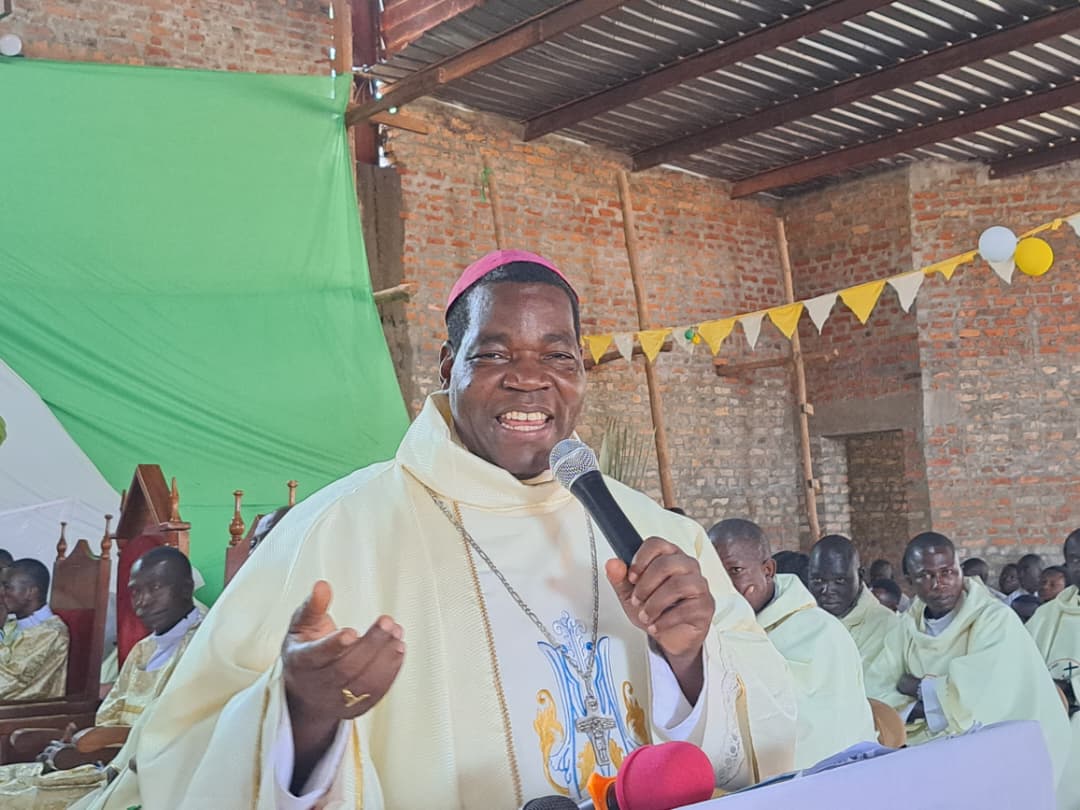
“Our land is rich,” declared Bishop Edward Hiiboro Kussala during his keynote address. “We should be happy and know how to make the best use of this fertile land we have. I think our land can be the bank in Western Equatoria State in everything: food, money, and more. We must recognize that our soil holds the key to our prosperity.”
He called on all stakeholders to embrace the project wholeheartedly, emphasizing the importance of value addition.
“We should find a way of processing our local food or fruits,” he urged, pointing to the potential for job creation and increased income through agro-processing and local enterprise development.
Facilitator Justin Ebere Ginana elaborated on the project’s innovative approach, explaining that Marketing System Development is not merely about selling products. “It’s about creating a whole system that connects producers, consumers, and essential support services transporters, banks, suppliers, and media in a way that benefits everyone involved,” he said.
The initiative is expected to serve as a blueprint for similar efforts across South Sudan, with the potential to transform Western Equatoria into a thriving agricultural hub.

The Diocese’s collaboration with CAFOD, Trócaire, and CODEP underscores a growing recognition of the role faith-based organizations can play in sustainable development.
Bishop Hiiboro concluded the event by commending Rev. Fr. Charles Mbikoyo, the project’s director, for his leadership and dedication.
As the project enters its implementation phase, optimism is high that this bold step will not only uplift local livelihoods but also inspire a broader movement toward economic self-reliance and food sovereignty in South Sudan.