By Waure Eddy.
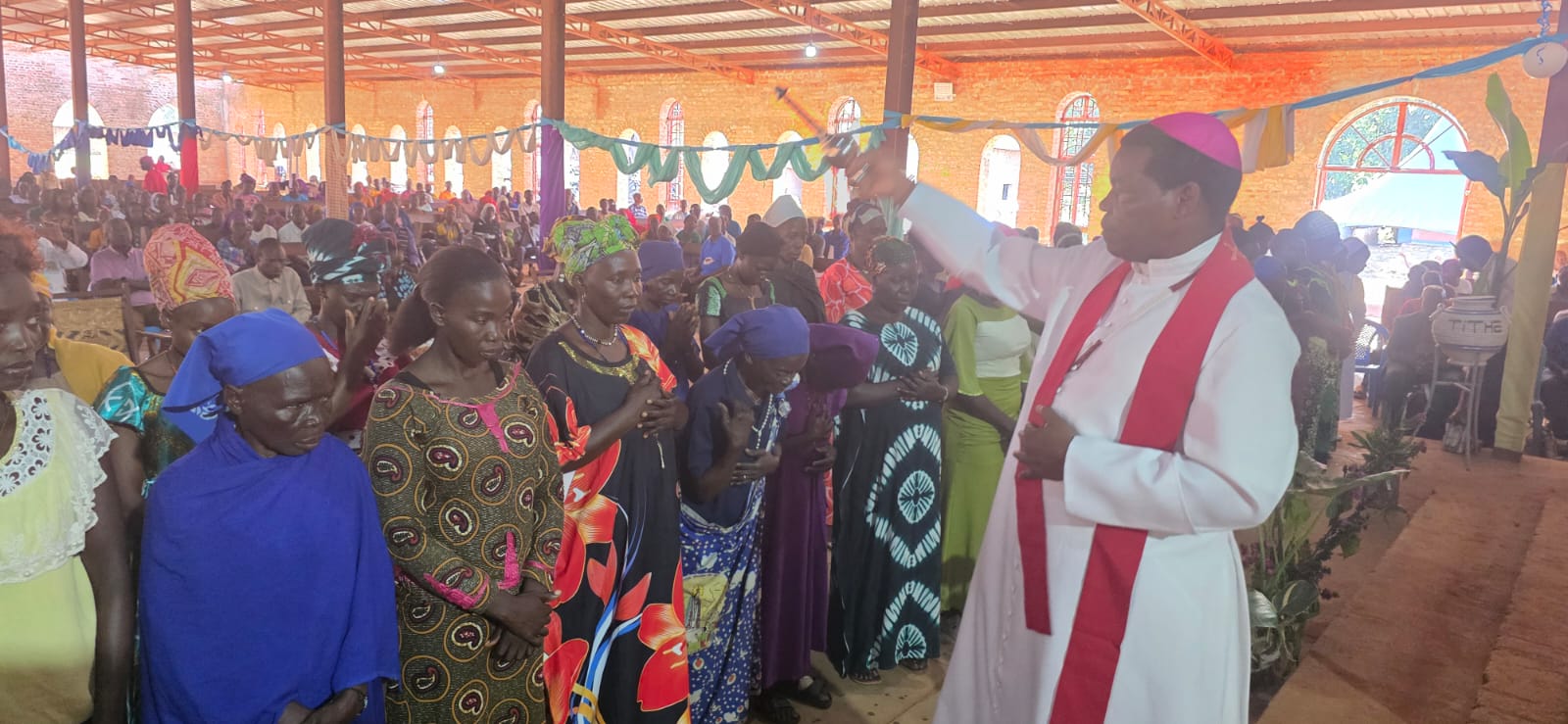
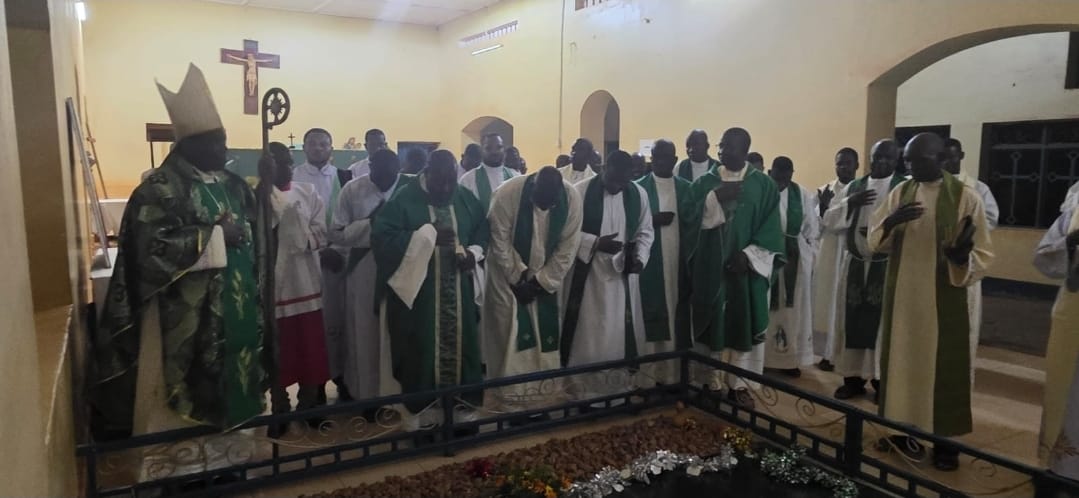
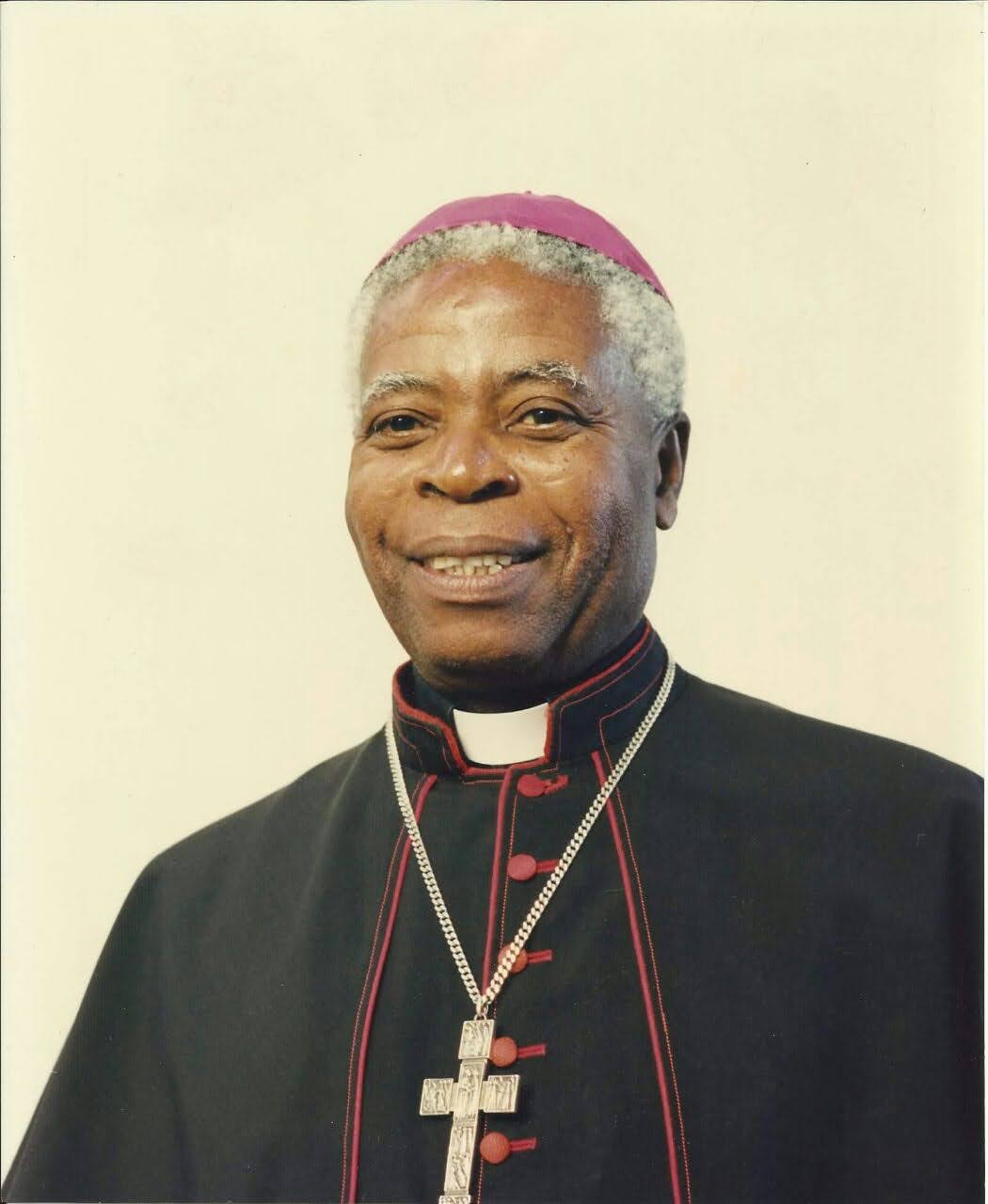
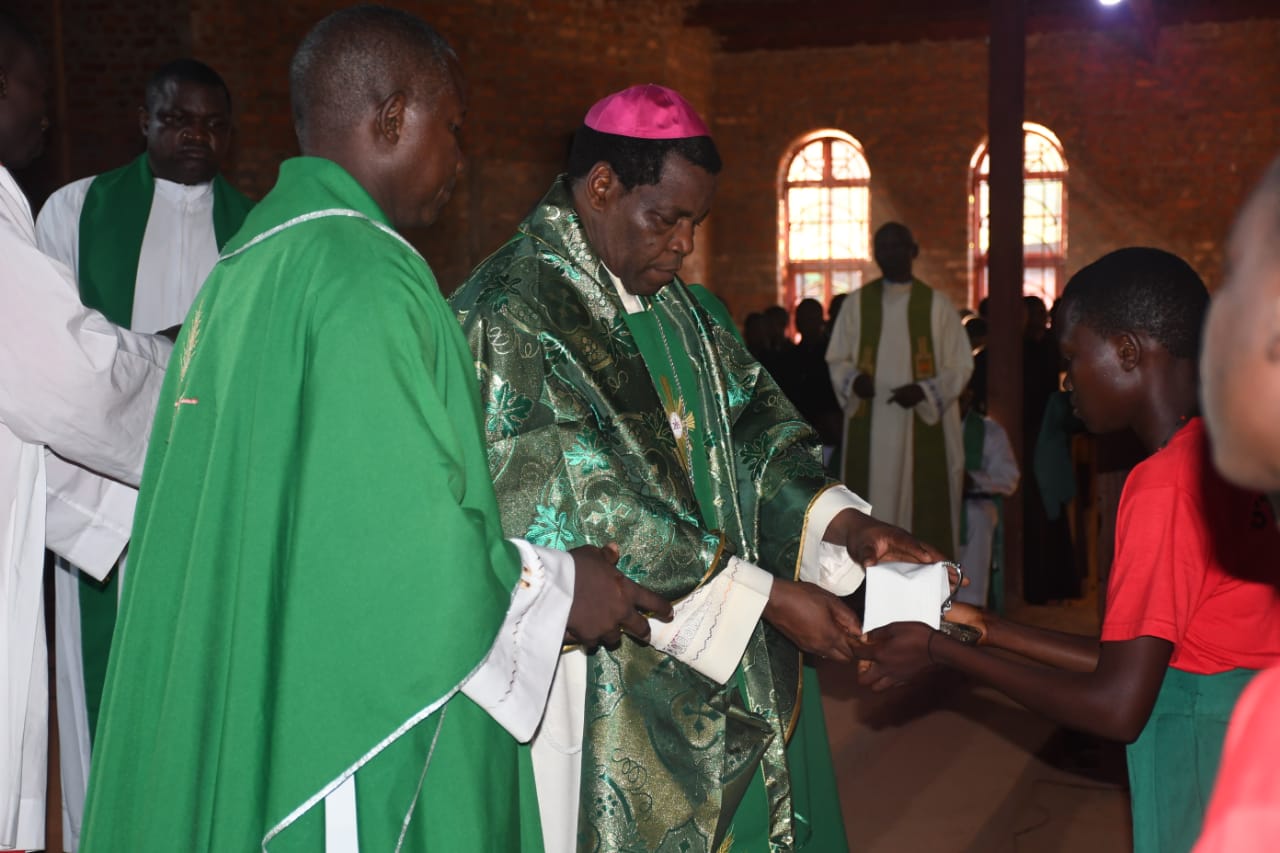
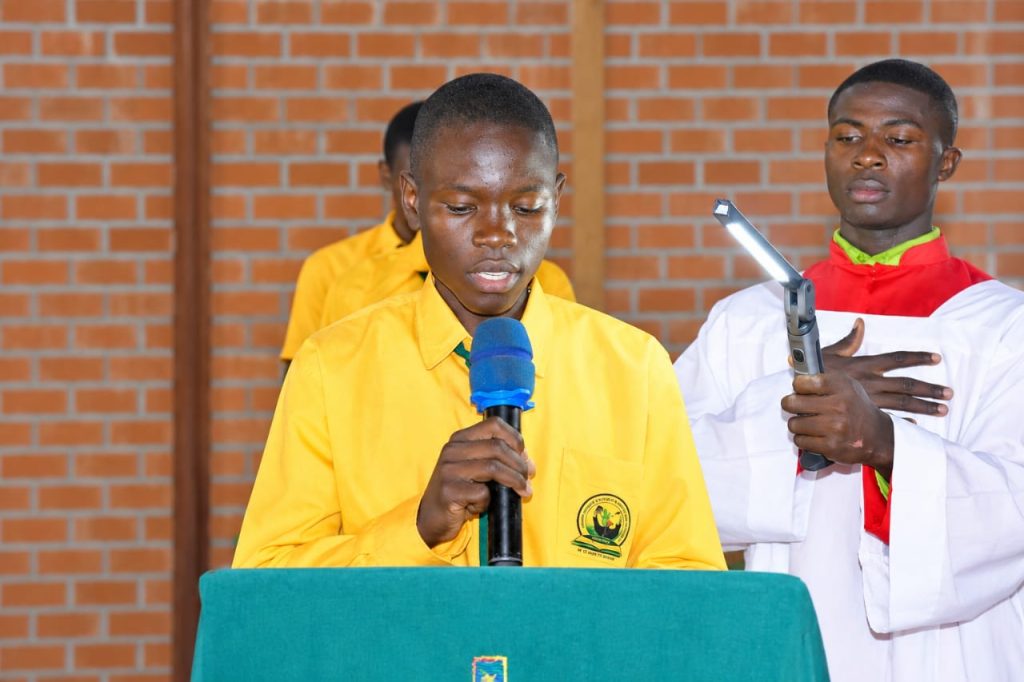
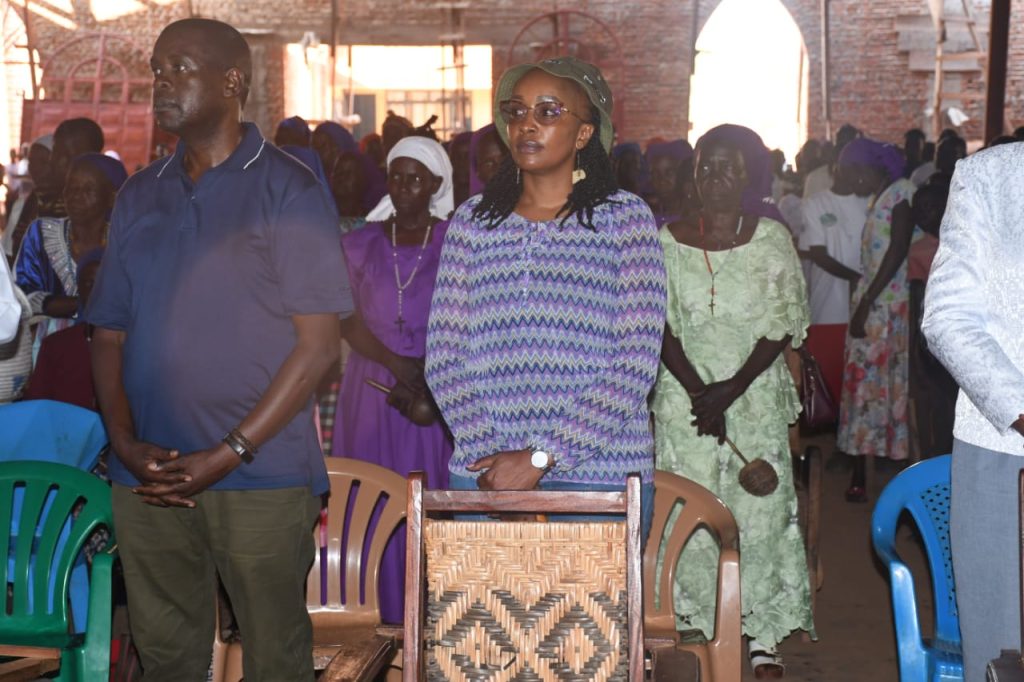
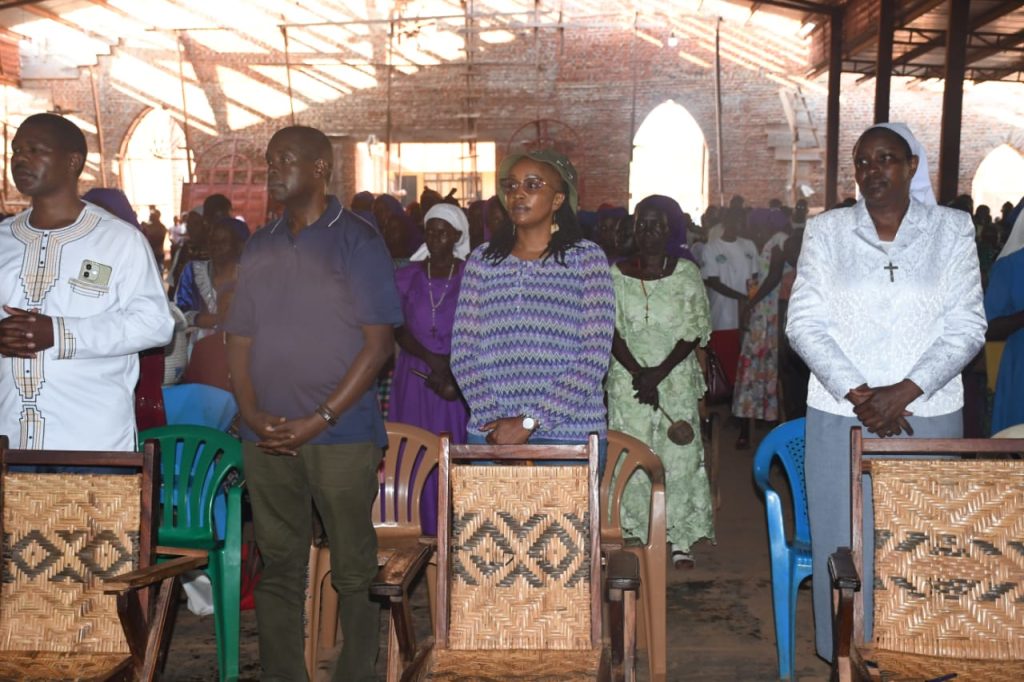
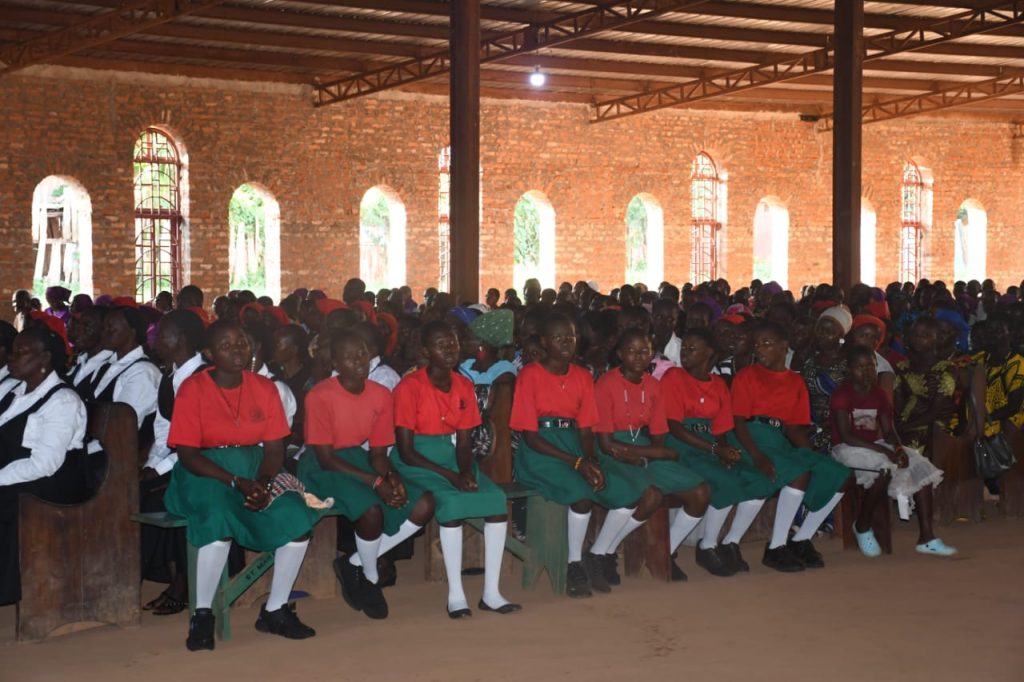
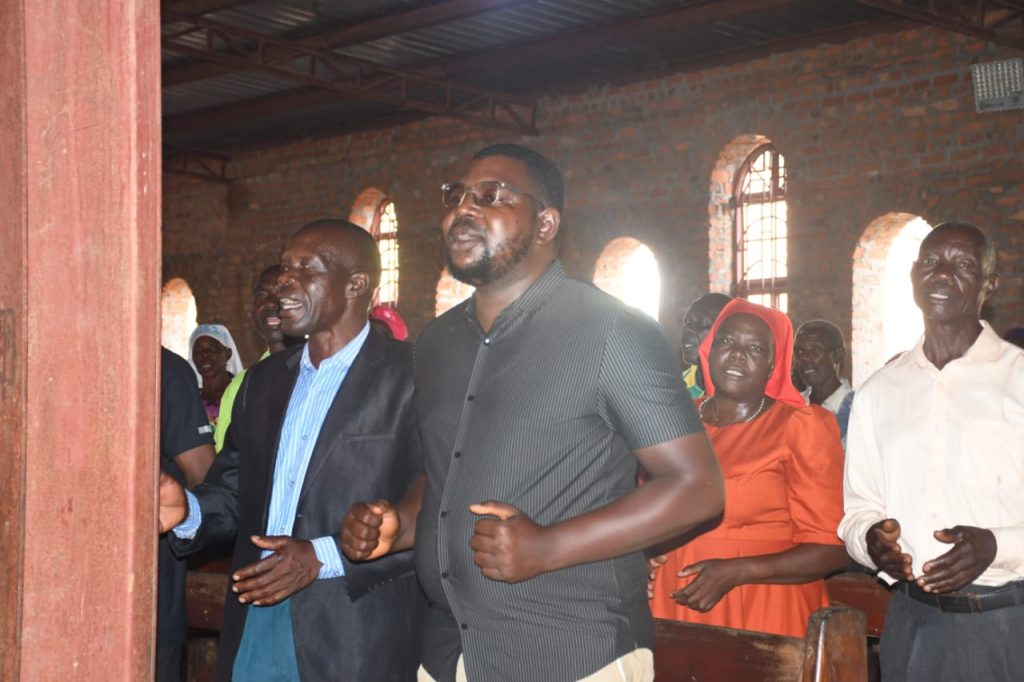
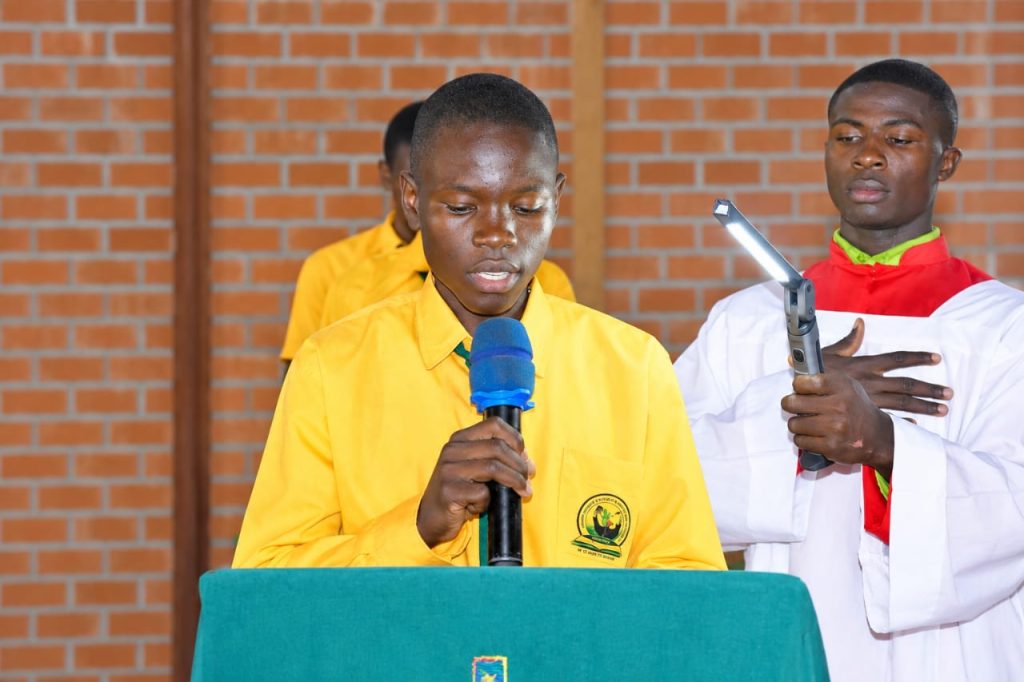
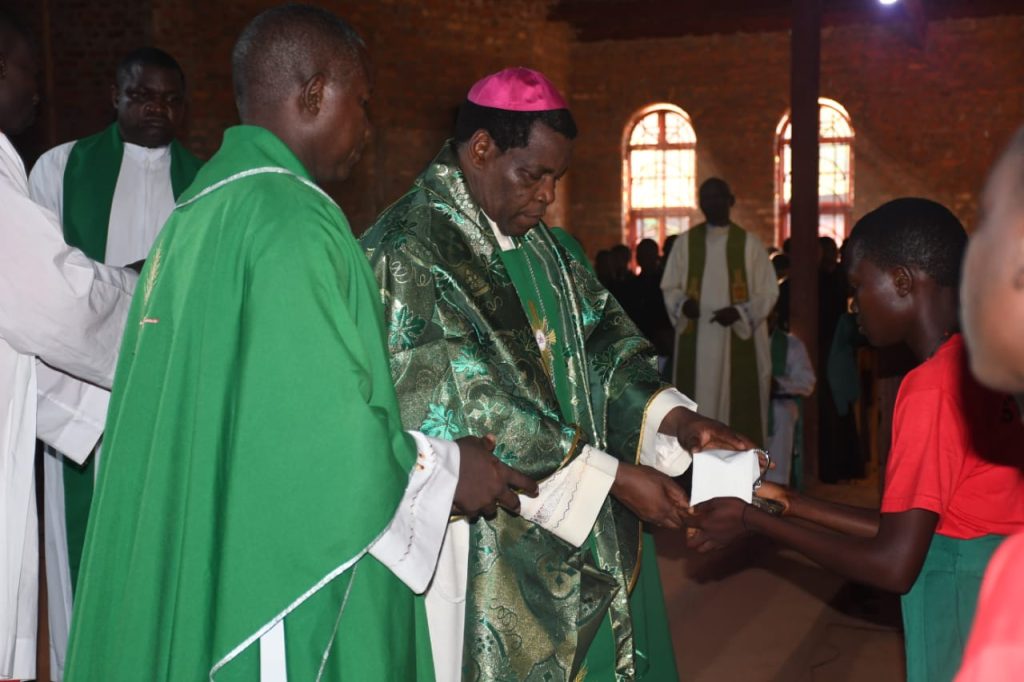
Bishop Abangite College of Science and Technology held a commemorative Holy Mass on Friday to honor the life, legacy, and contributions of Bishop Titarani Joseph Gasi Abangite, marking the 12th anniversary of the pioneering bishop’s passing. The celebration brought together government officials, clergy, religious communities, women, youth, and students in recognition of the late bishop’s foundational vision for Catholic education and institutional excellence in Western Equatoria State.
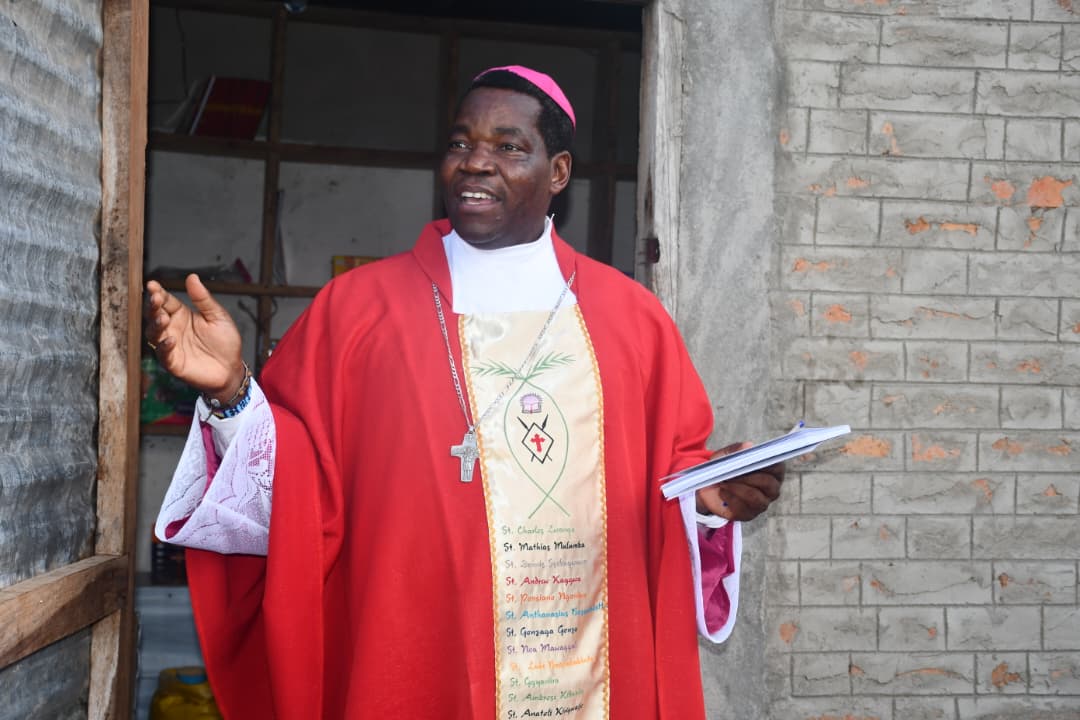
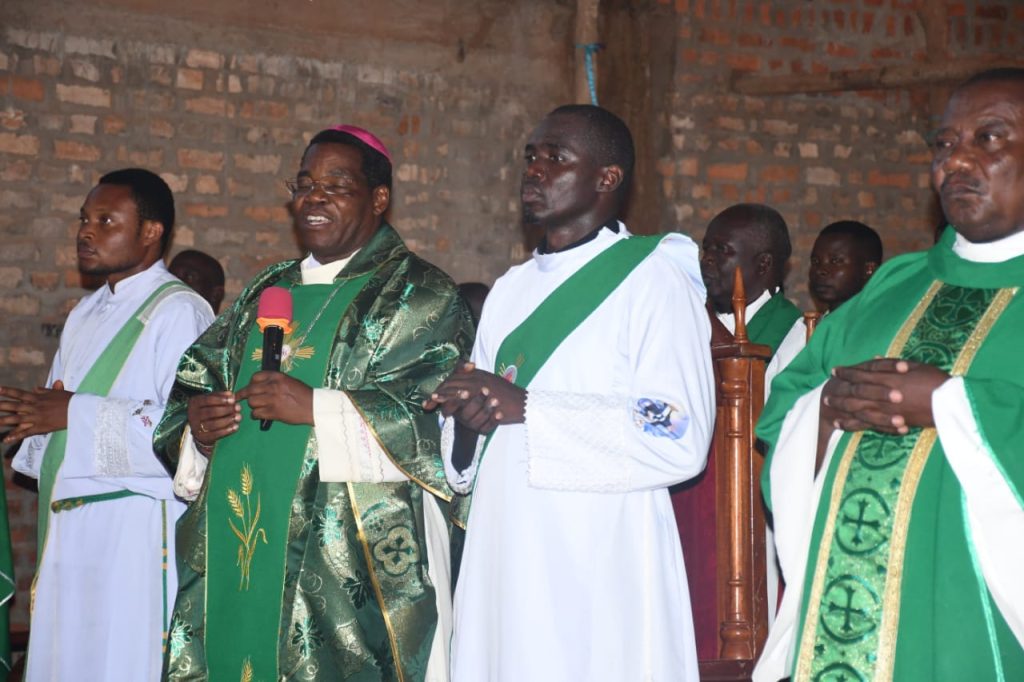
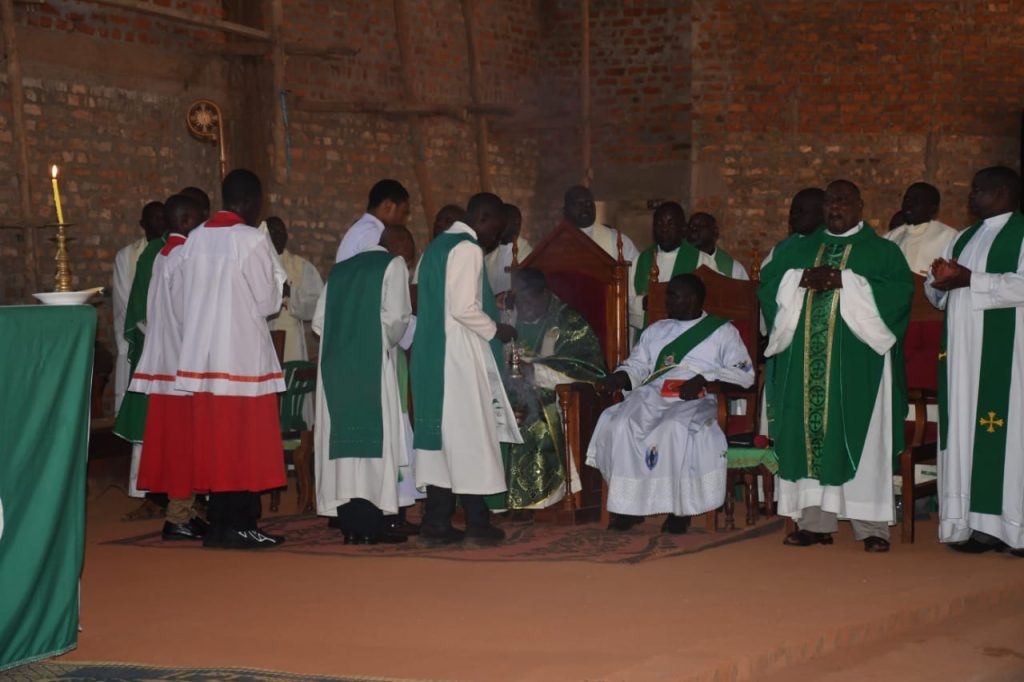
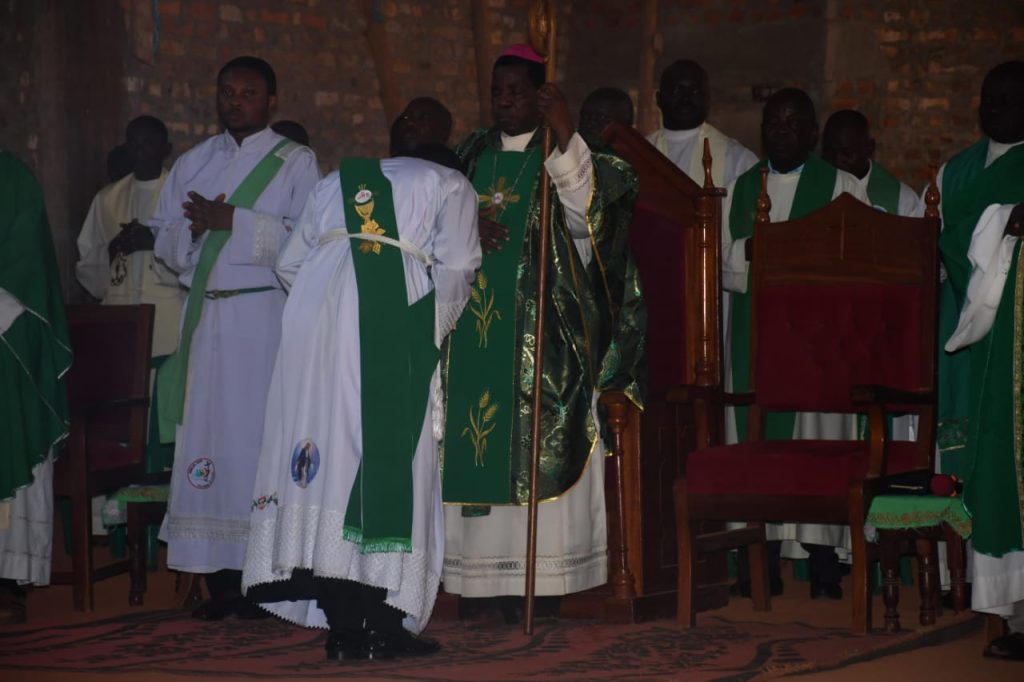
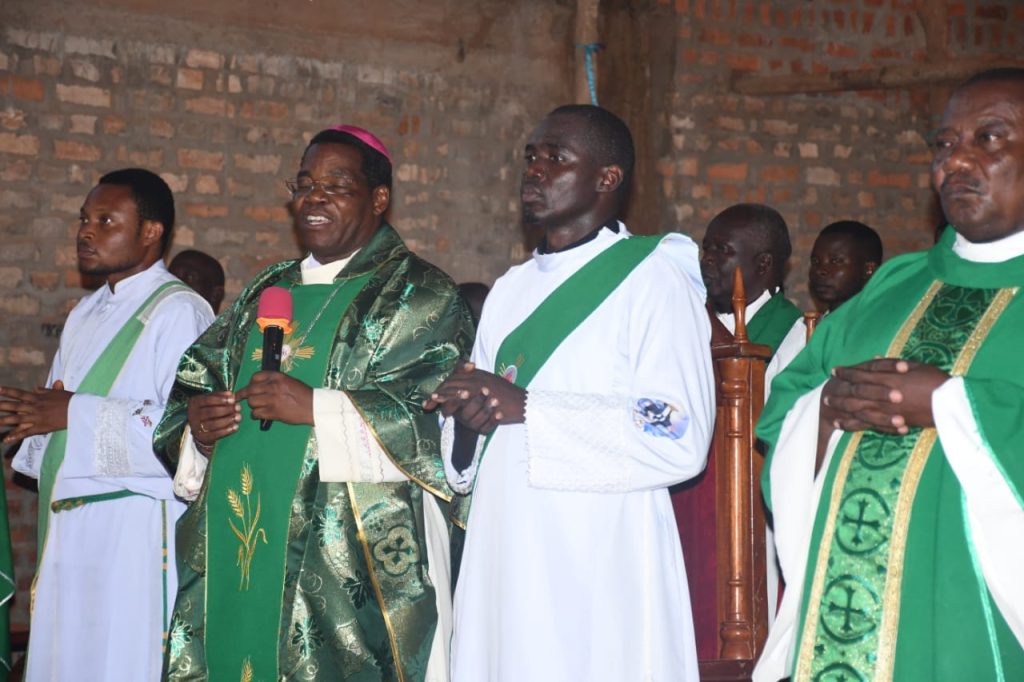
The Friday program officially inaugurated the week-long Gasi Anniversary celebrations at the college that bears his name. Bishop Barani Eduardo Hiiboro Kussala, current Bishop of the Diocese of Tombura-Yambio, presided over the commemorative liturgy and delivered the homily, reflecting on Bishop Gasi’s character, achievements, and enduring influence on the institution and Diocese.
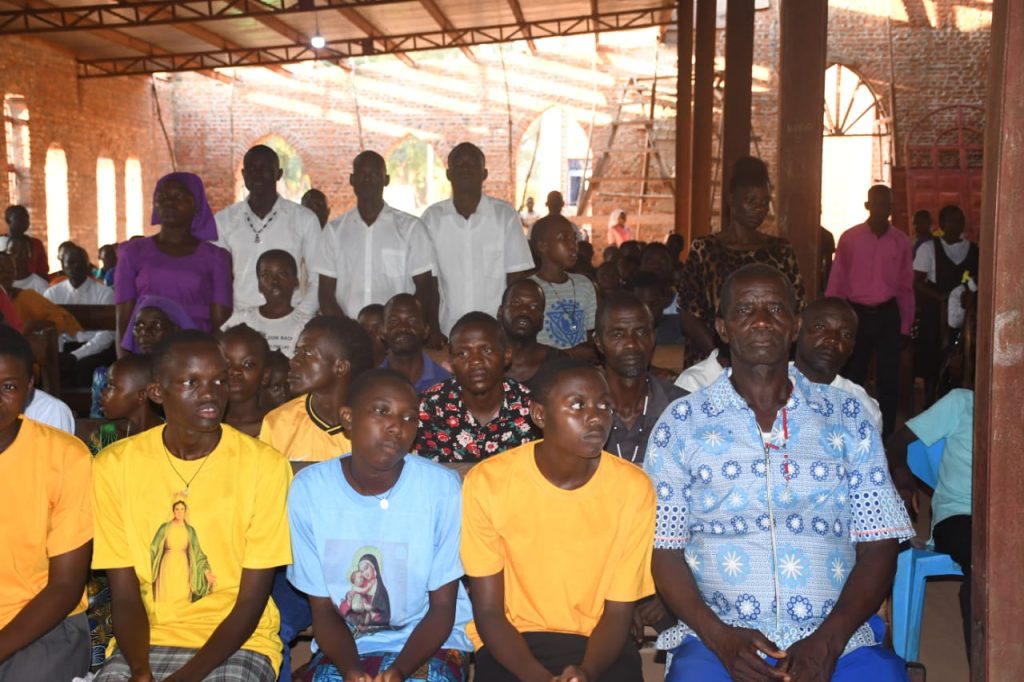
Participants included representatives from the Ezo Vicariate, who organized this year’s commemoration, as well as members of the college community spanning students, faculty, administrators, and support staff. The gathering demonstrated the broad institutional and community commitment to preserving and perpetuating Bishop Gasi’s legacy among younger generations.
Bishop Reflects on Gasi’s Life and Character
In his homily, Bishop Hiiboro offered penetrating reflection on Bishop Gasi’s life, describing it as “full of experiences and achievements” while emphasizing that the late bishop’s significance lay not merely in institutional accomplishments but in the quality of faith and character that animated his ministry.
“We are remembering him for what he has done, to remember who he was. He did everything for us to remember him. Bishop Gasi became everything,” Bishop Hiiboro stated, suggesting that Bishop Gasi so thoroughly embodied his mission that his very person became inseparable from his institutional legacy.
The current Bishop characterized Titarani Gasi as “a man of good heart whose faith in God was deeply formed,” emphasizing that the late bishop’s spiritual foundation enabled him to understand his responsibilities and vocational calling. “He said the late Bishop understood his responsibilities and knew what he was called to do in his life and ministry,” Bishop Hiiboro explained.
Faith Visible Through Action
Bishop Hiiboro emphasized that Bishop Gasi’s faith was not merely internal conviction but manifested concretely in disciplined action and institutional commitment. “Bishop Gasi’s faith was visible through his actions and commitment to God, which enabled him to live a meaningful and happy life,” the Bishop stated, presenting the late founder’s life as testimony to the transformative power of authentic faith grounded in consistent action.
This connection between faith and visible achievement carries particular relevance for students and young people considering their own vocational paths. By highlighting how Bishop Gasi’s spiritual commitments translated into tangible accomplishments—institutional establishment, educational standards, community development—Bishop Hiiboro offered contemporary youth a model integrating spiritual depth with practical effectiveness.
The Bishop extended an exhortation to all faithful based on his reflection on Bishop Gasi’s example: “Learn from Bishop Gasi’s dedication, emphasizing that success requires commitment and determination. Bishop Gasi was committed to achieving his goals and encouraged the faithful to remain dedicated to their plans and dreams if they want to succeed in life.”
Leadership Characterized by Pastoral Care
Bishop Hiiboro further described Titarani Gasi as exemplifying pastoral leadership grounded in genuine concern for community welfare. “Bishop Gasi was a caring leader who understood the needs of his people and worked toward helping them find direction and achieve a better future,” the current Bishop stated.
This characterization of Gasi as “caring leader” emphasizes a dimension of leadership often overlooked in institutional histories—the personal attention to human needs and aspirations that motivates institutional development. Rather than presenting Bishop Gasi as abstract founder pursuing impersonal institutional goals, Bishop Hiiboro portrayed him as shepherd genuinely invested in people’s spiritual, educational, and material flourishing.
This pastoral dimension distinguishes religious leadership from secular institutional administration. Bishop Gasi established Bishop Abangite College not as monument to personal achievement but as instrument for serving community by providing quality Catholic education grounded in Gospel values.
Direct Challenge to College Students
Addressing students and young people of Bishop Abangite College specifically, Bishop Hiiboro issued direct challenge to draw inspiration from their institution’s founder and embody his values of dedication, excellence, and service.
“You cannot stay for hours without mentioning his name in this school. He knew what to do for the school. He had skills, and he was a scientist. He loved mathematics and football. Today, as you celebrate his day, all of you will be successful in life,” Bishop Hiiboro stated, connecting reverence for the founder to students’ own aspirations for achievement and excellence.
The mention of Bishop Gasi’s expertise in mathematics and passion for football humanizes the founder, presenting him not as distant historical figure but as real person whose diverse interests and abilities contributed to his institutional leadership. By noting that Bishop Gasi “had skills” and “was a scientist,” Bishop Hiiboro emphasized that religious vocation and intellectual capacity are complementary rather than competing commitments.
Institutional Legacy and Contemporary Significance
Bishop Abangite College of Science and Technology stands as most visible institutional testimony to Bishop Gasi’s vision of integrating faith with rigorous scientific and technical education. Founded in 1988 during Bishop Gasi’s episcopate, the college has served thousands of students over nearly four decades, shaping young people who subsequently contributed to diocesan, national, and regional leadership.
The college’s continued operation and growth demonstrate the viability of Bishop Gasi’s conviction that Catholic institutions can provide world-class education while maintaining faith commitments and pastoral concern for student formation. By bearing Bishop Gasi’s name and maintaining his legacy, the college perpetuates his vision that faith and academic excellence need not be antagonistic but can reinforce one another.
The 12th-anniversary commemoration at the college carries particular significance because it occurs in the institution where Bishop Gasi’s educational vision remains most tangibly embodied. Current students and faculty inhabit spaces that earlier cohorts of bishop’s students occupied, study curricula that reflect principles Bishop Gasi established, and participate in community life shaped by his pastoral vision.
Preserving Memory While Inspiring Future
The commemorative programming explicitly aims to “preserve the memory and legacy of Bishop Titarani Joseph Gasi Abangite while inspiring the younger generation to embrace faith, education, dedication, service and positive values.” This dual purpose—honoring past while directing future—characterizes how the Diocese approaches foundational figures.
Rather than treating Bishop Gasi’s memory as historical relic to be preserved unchanged, the Anniversary celebration uses remembrance as catalyst for renewing commitment to values the late bishop embodied. By challenging contemporary students to embrace “faith, education, dedication, service and positive values,” the celebration connects past achievement to present responsibility.
Week-Long Commemorative Activities
The Friday opening of anniversary celebrations initiated week-long programming expected to continue with “various spiritual, educational and community-focused programs in honor of the late bishop’s contribution to the Church and society.”
This extended commemoration reflects recognition that meaningful remembrance requires substantial time and engagement. Single ceremonial day would prove insufficient to adequately honor 34 years of episcopal ministry and the institutional legacy Bishop Gasi established. By extending celebrations across the week with diverse programming, the Diocese and college community create space for multifaceted engagement with the founder’s life and continuing influence.
Anticipated programming likely includes additional liturgies, educational seminars, community service projects, and reflective sessions inviting participants to consider how Bishop Gasi’s example addresses contemporary challenges and informs present responsibilities.
Broader Significance for Diocese and Nation
The 12th-anniversary commemoration of Bishop Gasi carries significance extending beyond institutional boundaries to encompass broader diocesan and national contexts. At diocesan level, the anniversary provides opportunity for the Diocese of Tombura-Yambio to reflect on foundational principles established under Bishop Gasi’s leadership and consider how faithfully the contemporary Diocese perpetuates those principles.
At national level, Bishop Gasi’s example of integrating faith with educational and social development offers South Sudan a model of how religious institutions contribute to nation-building. As South Sudan prepares for December 2026 elections and continues post-conflict reconstruction, the church’s educational institutions and pastoral leadership remain essential resources for developing human capacity and promoting peace.
Educational Excellence and Faith Formation
Bishop Abangite College’s continuing operation as recognized center of educational excellence testifies to Bishop Gasi’s foresight in establishing institutions capable of competing with secular alternatives while maintaining explicit Catholic identity and formation mission. The college demonstrates that Catholic education need not accept inferior academic standards but can provide rigorous training in science, mathematics, and technology while promoting faith, ethics, and service.
This integration of academic excellence with faith formation addresses false dichotomy sometimes encountered in educational discourse—the notion that rigorous academics and spiritual formation compete for institutional resources and attention. Bishop Gasi’s foundational vision rejected this dichotomy, establishing that Catholic college should cultivate both intellectual rigor and spiritual depth.
Looking Forward
As Bishop Abangite College and the Diocese of Tombura-Yambio continue commemorating Bishop Gasi’s legacy, they simultaneously face responsibility to advance and adapt his vision to contemporary contexts. South Sudan’s ongoing development requires continued investment in quality education, yet funding remains limited. The church’s educational institutions must innovate to maintain excellence while serving economically disadvantaged populations.
Similarly, the church’s pastoral mission must address contemporary challenges unknown to Bishop Gasi—digital technology’s impacts on youth, climate change affecting agricultural communities, and political tensions surrounding electoral processes. Yet the foundational principles Bishop Gasi established—integration of faith and learning, pastoral concern for whole person, commitment to community development—remain relevant to addressing these emerging challenges.
Conclusion
The 12th-anniversary commemoration of Bishop Titarani Joseph Gasi Abangite at Bishop Abangite College of Science and Technology represents more than ceremonial remembrance of departed leader. The celebration embodies institutional and spiritual renewal—honoring the past while calling present generation to embrace the values and commitments that defined Gasi’s ministry.
Through Bishop Hiiboro’s homily challenging students to embody Gasi’s dedication, excellence, and service; through week-long programming addressing faith, education, entrepreneurship, and community development; through the simple fact of the college bearing Gasi’s name and continuing his educational vision, the Diocese testifies to the enduring power of faithful leadership grounded in Christ and directed toward human flourishing.
As students of Bishop Abangite College face their futures, they inherit not merely institutional infrastructure but spiritual and educational legacy—the conviction that faith and learning, prayer and work, institutional excellence and pastoral care can be integrated into unified commitment to building more just, peaceful, and prosperous communities.
Bishop Gasi’s 12th-anniversary commemoration invites the Diocese and broader Catholic community to renew commitment to the vision he pioneered: Catholic education and pastoral ministry that touches whole person, transforms communities, and contributes authentically to national development while remaining rooted in Gospel values and Christ-centered faith.