By Sr. Laurencila Akinyi, FSSA.
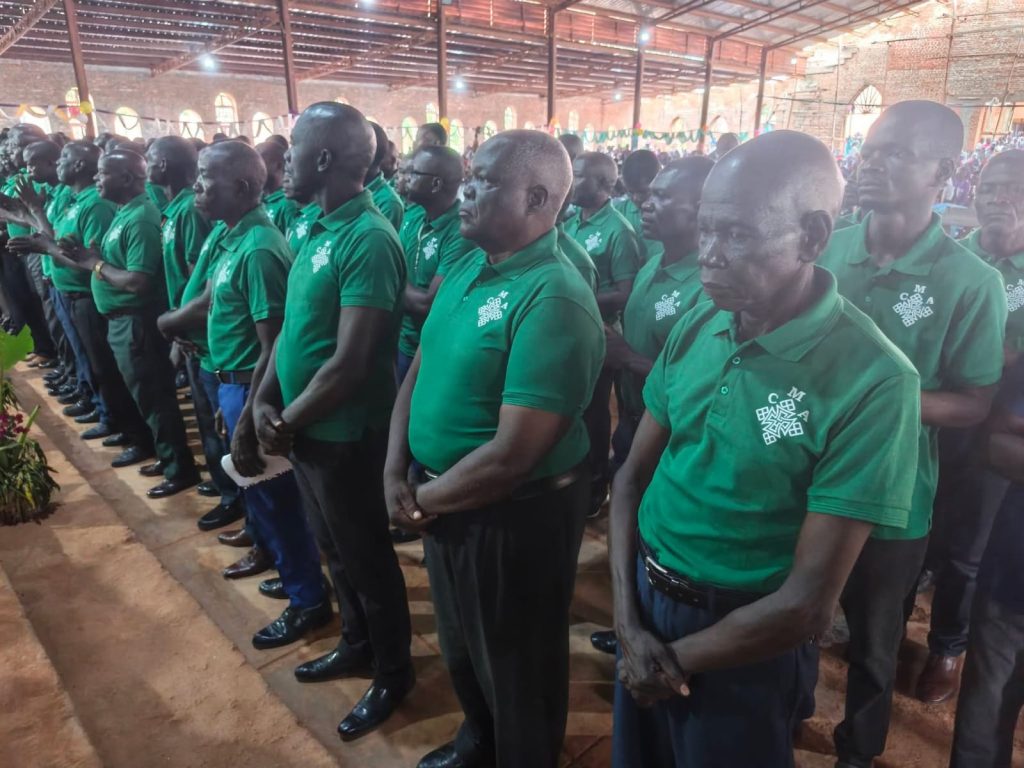
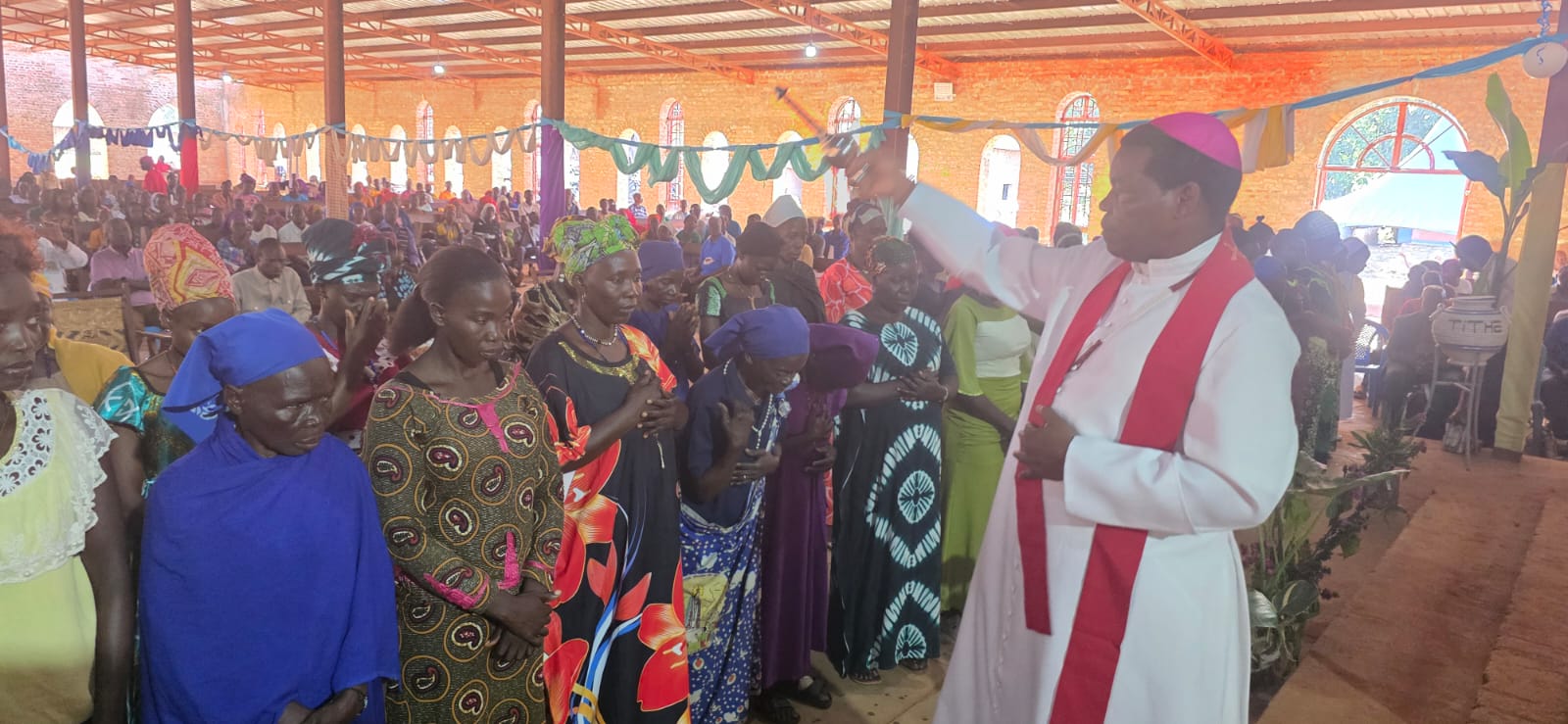
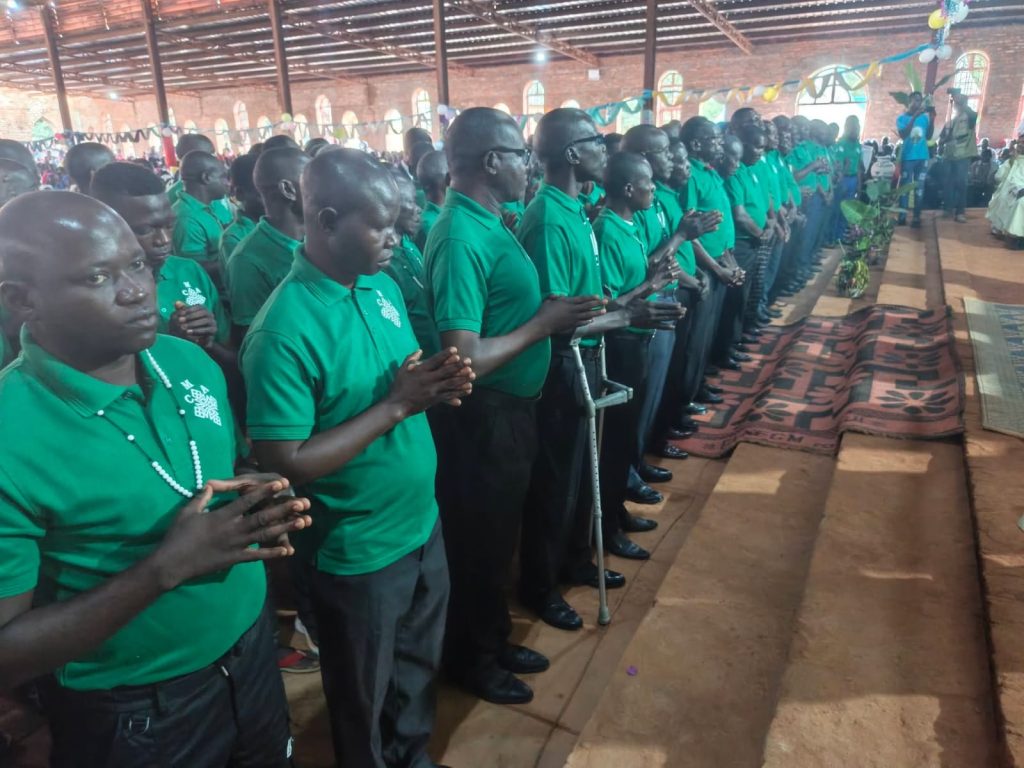
The Catholic Diocese of Tombura-Yambio has announced the formal establishment of three new diocesan organizations: the Catholic Men Association (CMA), Catholic Women Association (CWA), and Diocesan Missionary Children Movement (DMCM), marking completion of comprehensive structures uniting all age groups and genders in shared faith and mission.
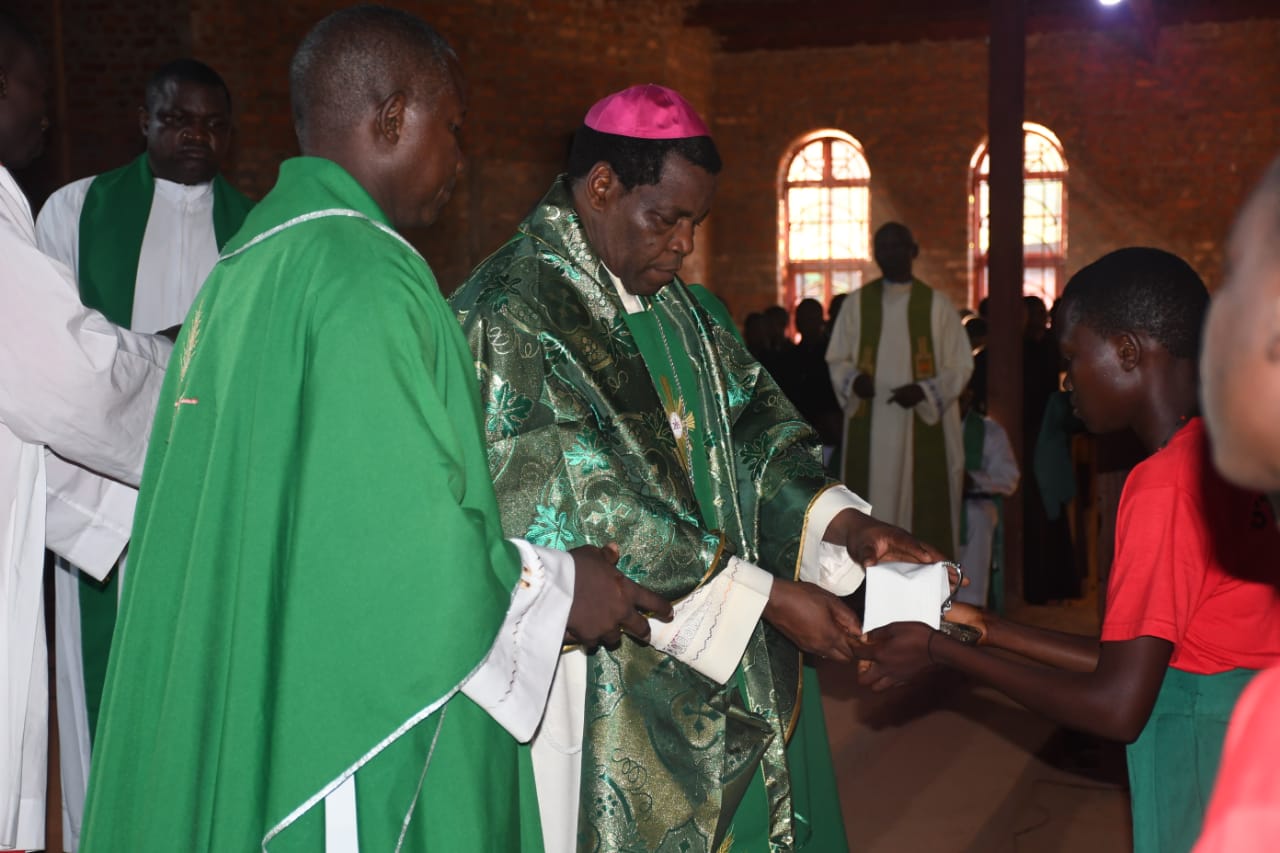
Bishop Barani Eduardo Hiiboro Kussala announced the establishment following years of preparation and formation supported by the Archdiocese of Nairobi under the leadership of Archbishop Philip Anyolo. The creation of these three organizations represents significant institutional milestone, bringing together men, women, and children in coordinated diocesan mission.
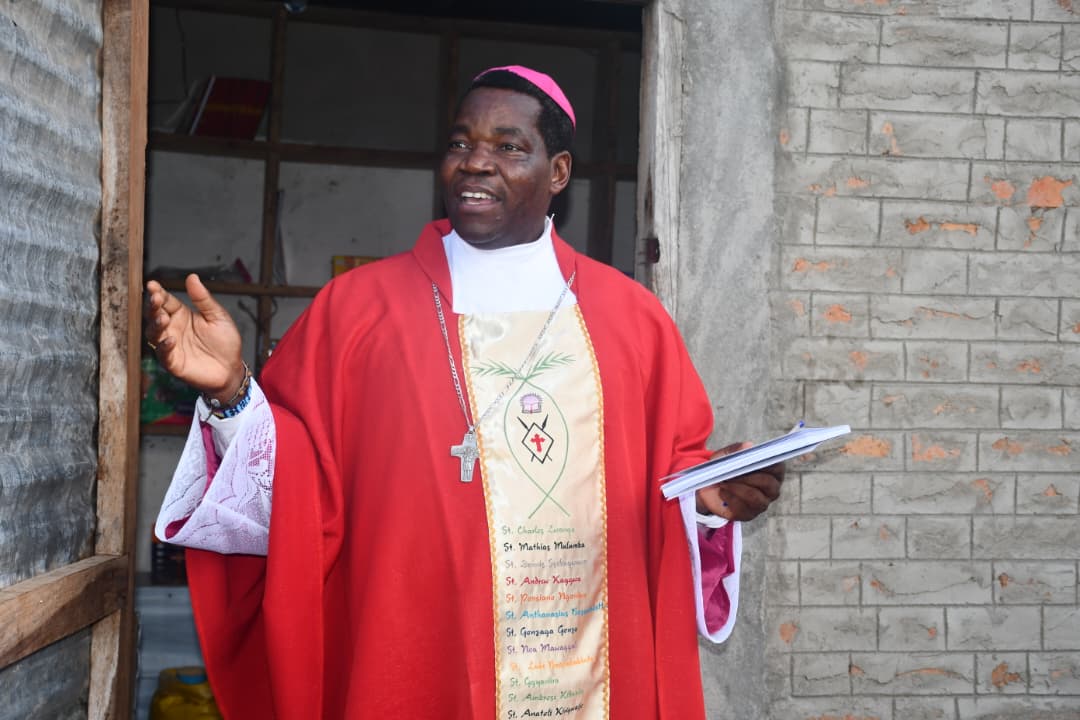
“Now, the family is complete! Men, women and children are united in one faith and one mission. From here, we move forward together to build a stable, hopeful and sustainable future for our Diocese,” Bishop Hiiboro stated, expressing deep fulfillment at achieving long-envisioned organizational structure.
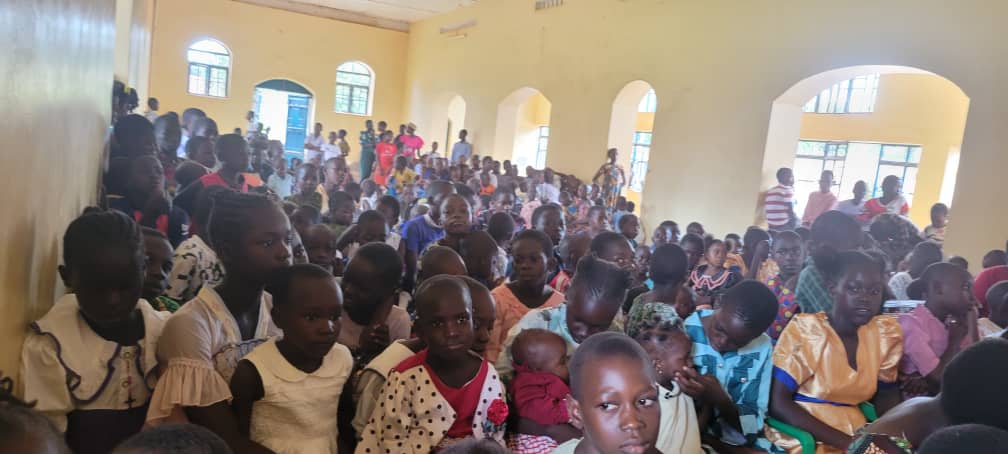
The three new associations complement existing diocesan structures, creating comprehensive framework for engaging entire Catholic community. The Catholic Men Association mobilizes male laity for service and leadership, the Catholic Women Association empowers women’s participation in diocesan mission, and the Diocesan Missionary Children Movement engages young people in faith formation and evangelization.
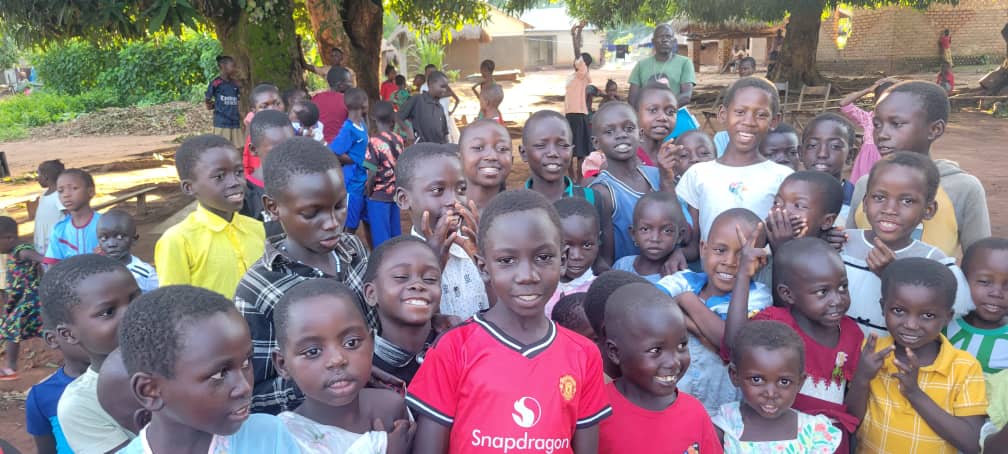
Together, these organizations ensure that no segment of the Catholic family—men, women, youth, or children—lacks structured opportunity for spiritual growth, formation, and active participation in diocesan apostolate.
Support from Kenyan Archdiocese
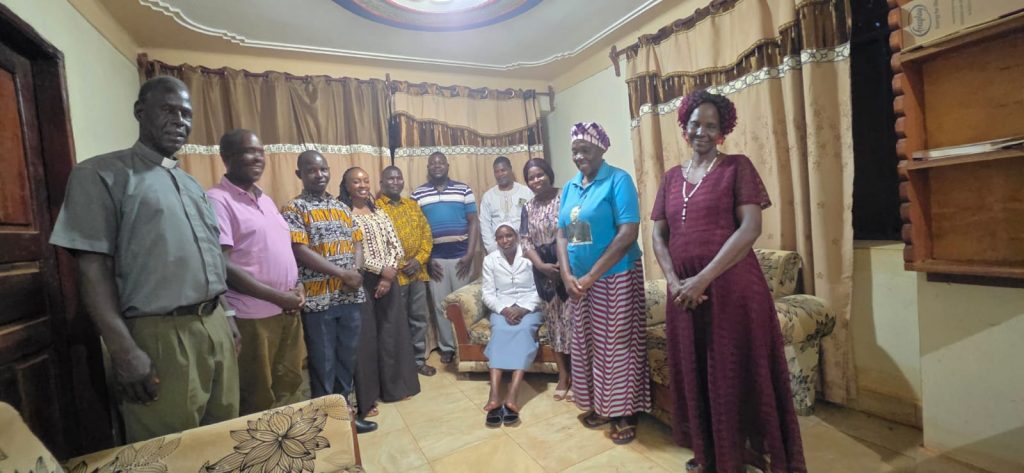
Bishop Hiiboro extended profound gratitude to the Archdiocese of Nairobi for accompanying the Diocese through formation, coaching, and missionary support. Archbishop Philip Anyolo’s leadership proved instrumental in establishing these organizations on solid spiritual and organizational foundations.
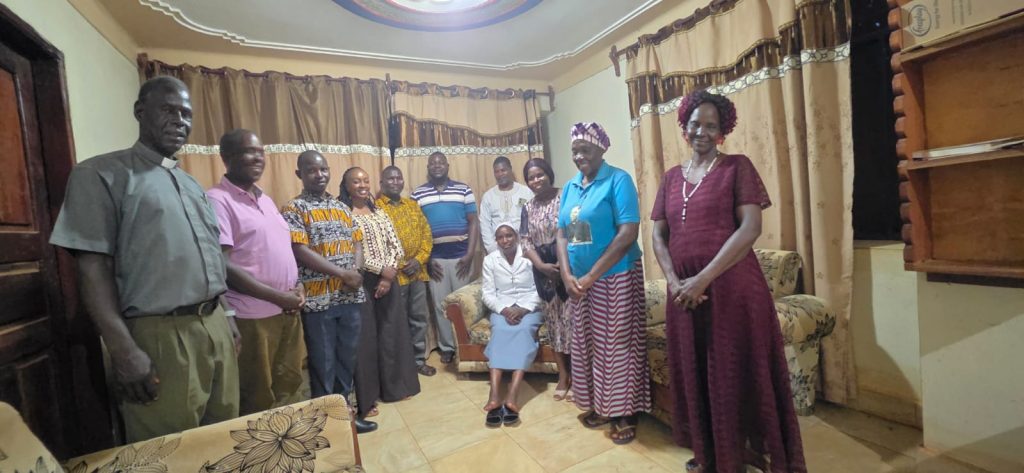
“My profound gratitude goes to the team from the Archdiocese of Nairobi, under the leadership and pastoral support of His Grace Archbishop Philip Anyolo, for accompanying us in this important journey of formation, coaching and mission,” the Bishop stated.
This cross-border partnership demonstrates ecclesial communion and mutual support among East African dioceses, with the more established Nairobi Archdiocese sharing institutional experience and spiritual resources with the younger Diocese of Tombura-Yambio.
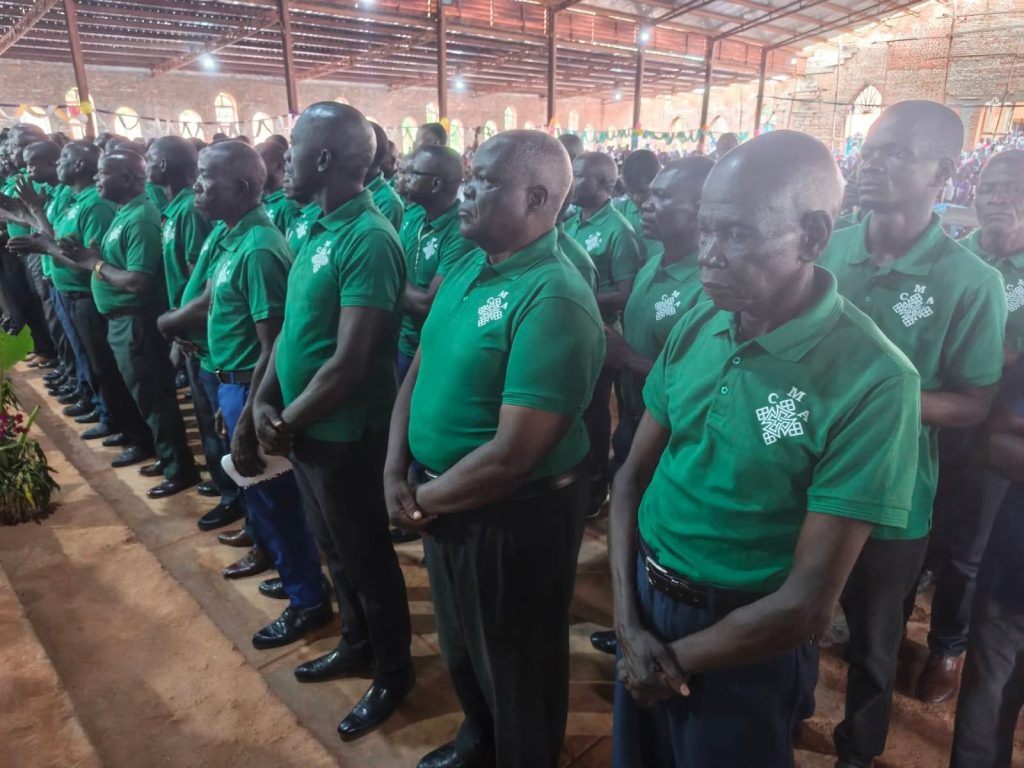
Vision for Family-Centered Faith
Bishop Hiiboro articulated comprehensive vision for how these new associations should function at community level. “Let every family become a school of faith, a centre of service and a seedbed of hope,” he declared, positioning families as primary loci of spiritual growth and Christian witness.
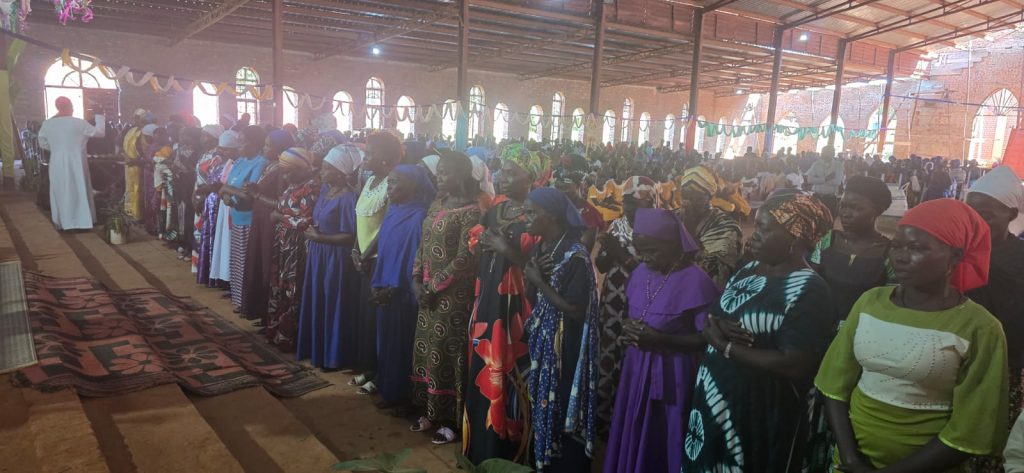
This vision recognizes that authentic faith formation occurs not only in formal ecclesiastical settings but within family units where parents model faith, transmit values, and nurture children in discipleship. By mobilizing men and women through their associations, the Diocese strengthens families as spiritual centers.
Shared Responsibility and Collective Mission
The Bishop issued a clarion call to diocesan faithful for collective engagement in the Church’s mission. “Come, let us build together. Our Diocese is our family; our mission is our shared responsibility,” he stated, emphasizing that the Diocese belongs to all its members and flourishes through coordinated effort of all segments.
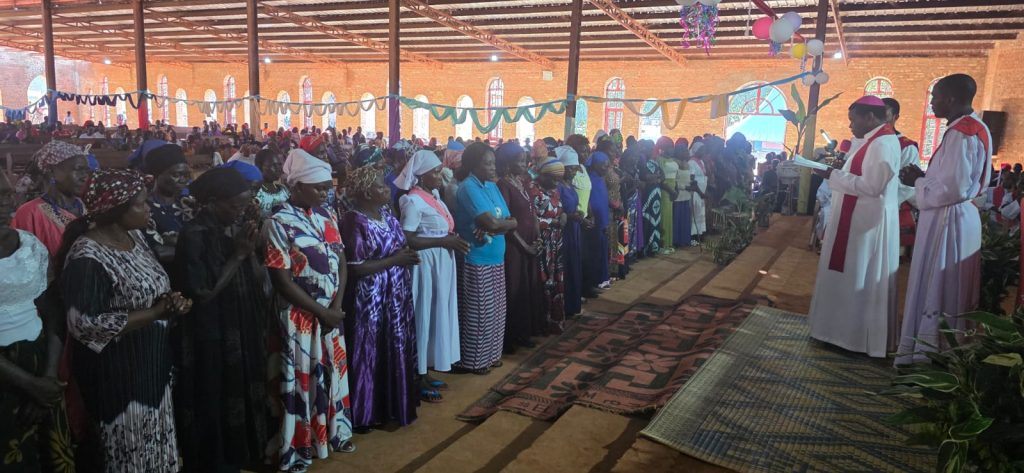
This messaging counters potential clericalism or passive reception of ecclesial mission, instead positioning laity as active agents responsible for diocesan vitality. Men’s, women’s, and children’s associations provide structured mechanisms through which laity can exercise this shared responsibility.
Building Stable, Hopeful Future
The establishment of these associations occurs within larger context of diocesan development and national challenges. South Sudan continues post-conflict recovery as the nation prepares for December 2026 elections. Economic hardship, limited educational access, and social fragmentation remain pressing concerns.
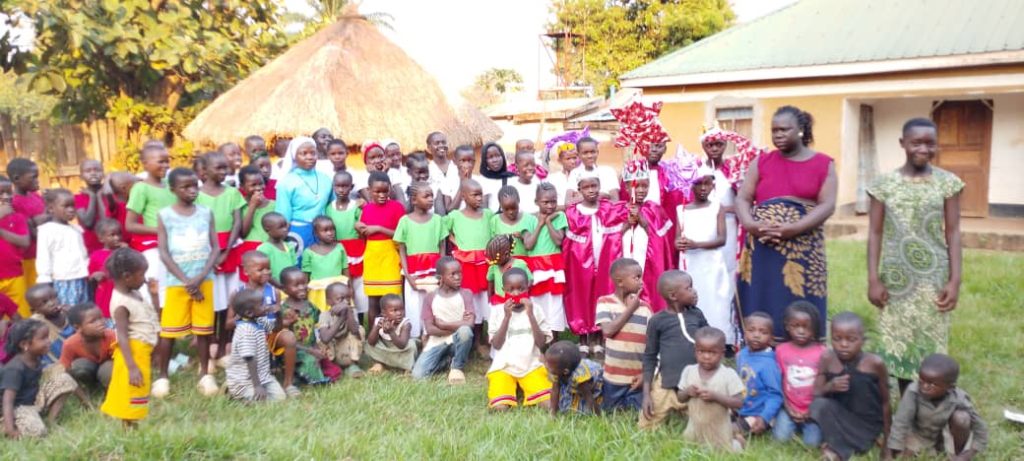
By mobilizing diocesan community through these new associations, Bishop Hiiboro positions the Church to address community needs through coordinated action. Men’s association can facilitate economic initiatives and community development. Women’s association can empower female leadership and address gender-specific challenges. Children’s movement can ensure faith formation for younger generation.
Together, these associations create infrastructure for translating faith commitments into concrete service benefiting communities across Western Equatoria State.
Timing and Significance
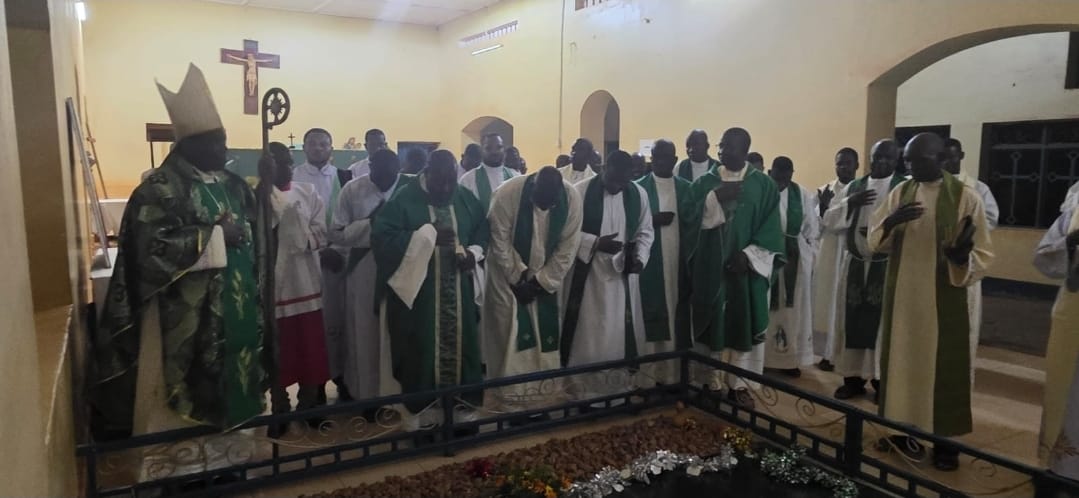
The announcement arrives during significant moment in diocesan and national history. The 12th anniversary commemoration of Bishop Joseph Gasi’s passing and associated celebrations provided occasion for reflection on pioneering bishop’s vision of integrating faith with human development and community service.
The establishment of comprehensive diocesan associations represents contemporary expression of that vision—mobilizing entire Catholic family for mission of integral human development grounded in faith and directed toward building more just, peaceful, and prosperous communities.
Looking Forward
As these three new associations begin functioning, diocesan leadership will task them with specific initiatives aligned with diocesan priorities. The Catholic Men Association may focus on economic empowerment, community infrastructure, and male spiritual formation. The Catholic Women Association may address women’s education, economic opportunity, and family stability. The Diocesan Missionary Children Movement may emphasize youth evangelization, education, and preparation of young people for adult Catholic citizenship.
The Diocese has established formation programs and leadership training to ensure associations function effectively and advance diocesan mission consistently across all parishes and communities.
Concluding Vision
Bishop Hiiboro’s announcement captures a moment of organizational completion and spiritual renewal. By bringing men, women, and children into coordinated associations, the Diocese creates family structure reflecting Catholic understanding of ecclesial communion—the Church as interconnected body united by faith and oriented toward common mission.
The establishment of these associations affirms that building “stable, hopeful and sustainable future” requires engagement of entire community. Each association—men, women, and children—contributes distinctive gifts and perspectives while working toward shared vision of faith, service, and hope.
As these associations become operational, they will embody Bishop Hiiboro’s conviction that “every family” can become “a school of faith, a centre of service and a seedbed of hope”—transforming individual family units into cells of missionary activity advancing God’s kingdom throughout the Diocese of Tombura-Yambio.
The announcement represents significant institutional milestone and spiritual renewal as the Diocese pursues its ongoing mission of evangelization and integral human development in Western Equatoria State and beyond.