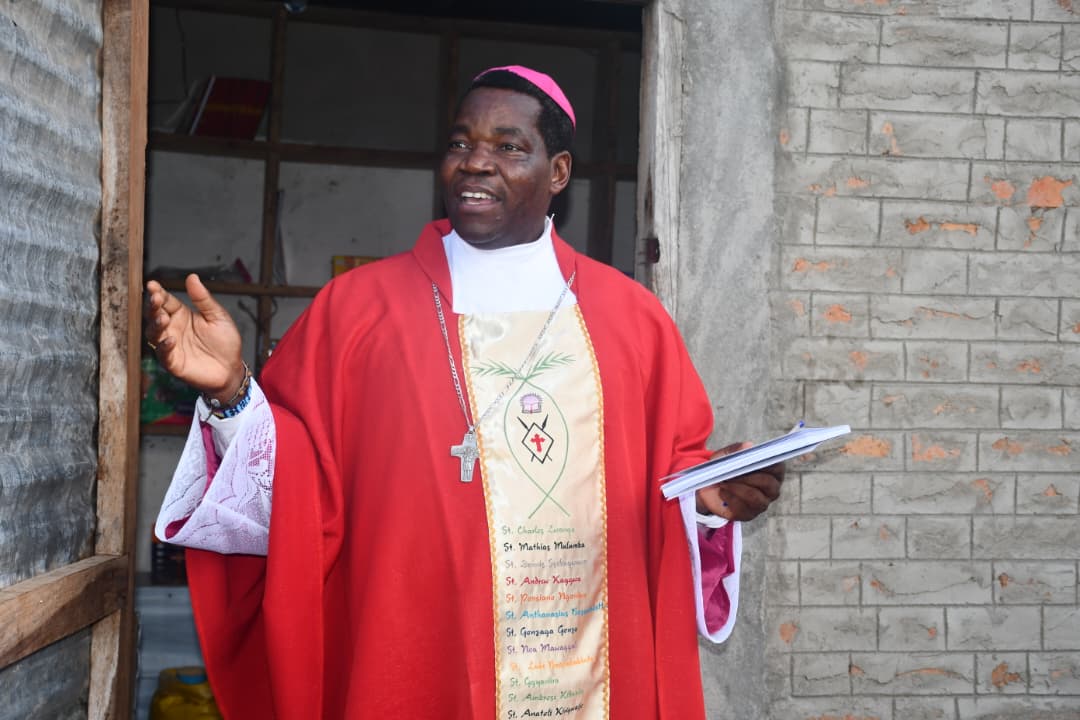
By Sr. Laurencila Akinyi, FSSA.
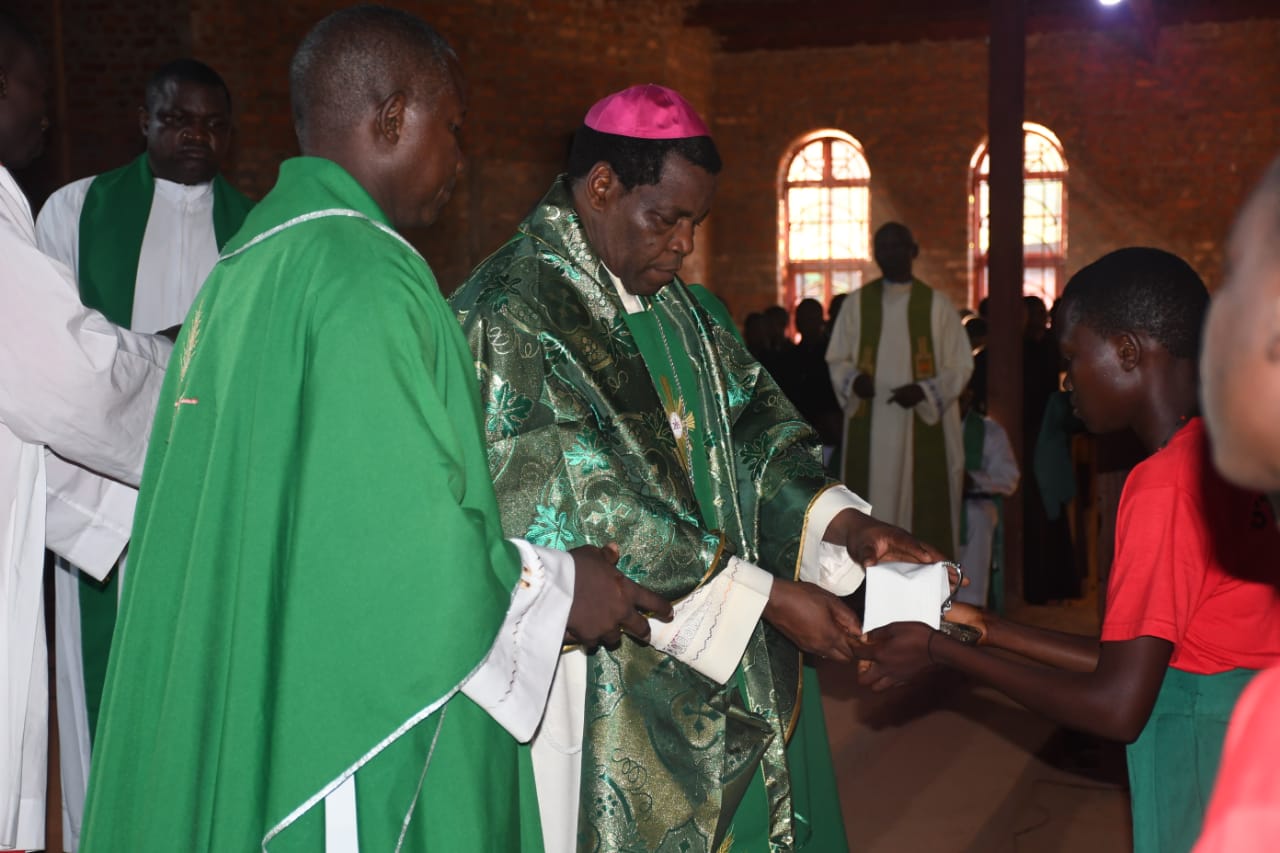
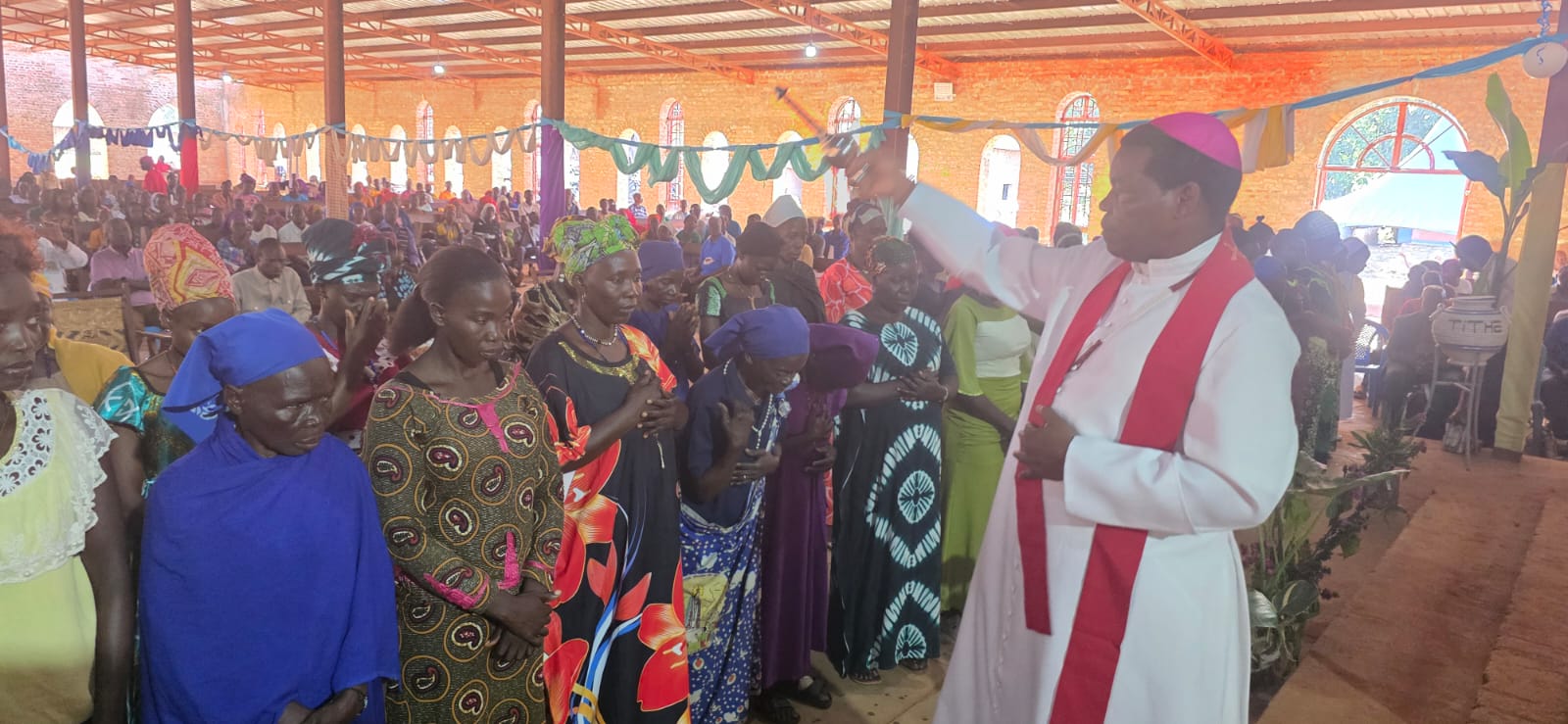
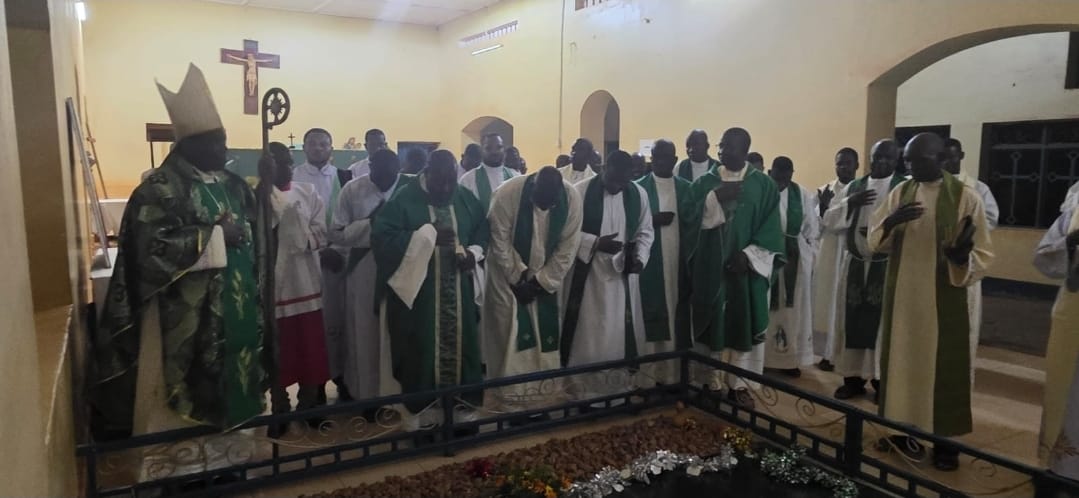
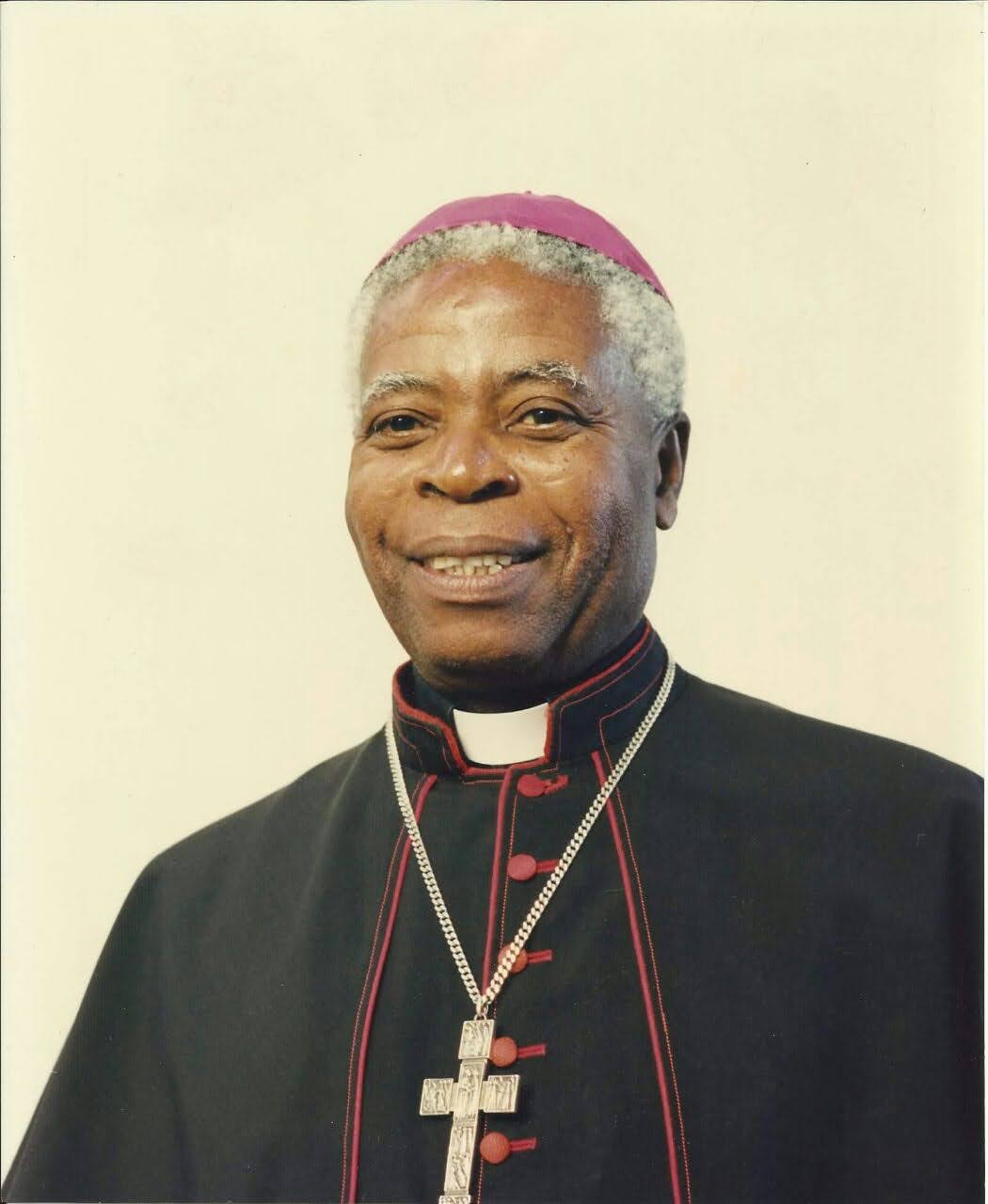
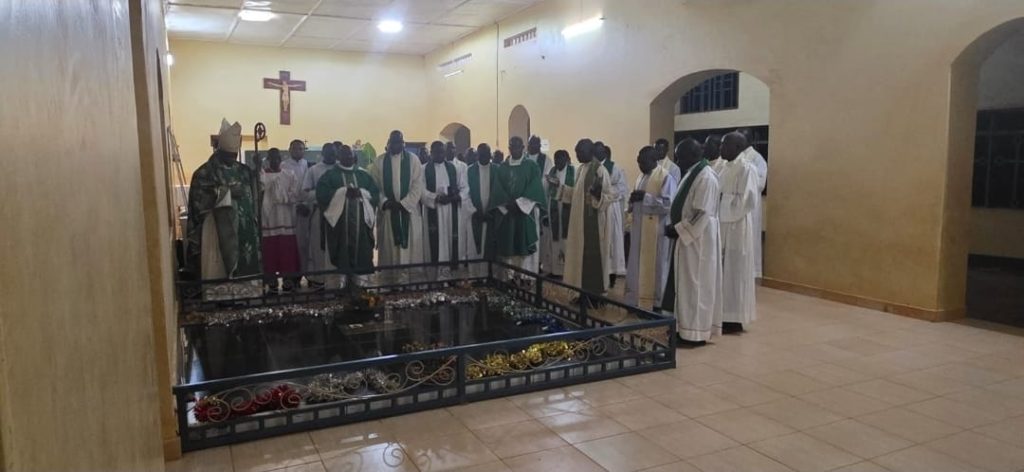
As the Catholic Diocese of Tombura-Yambio commemorates the 12th anniversary of Bishop Joseph Abangite Gasi’s passing, Bishop Barani Eduardo Hiiboro Kussala has reflected on the pioneering bishop’s enduring legacy and called on the contemporary Diocese to continue the missionary, developmental, and educational vision that defined Gasi’s 34-year ministry.
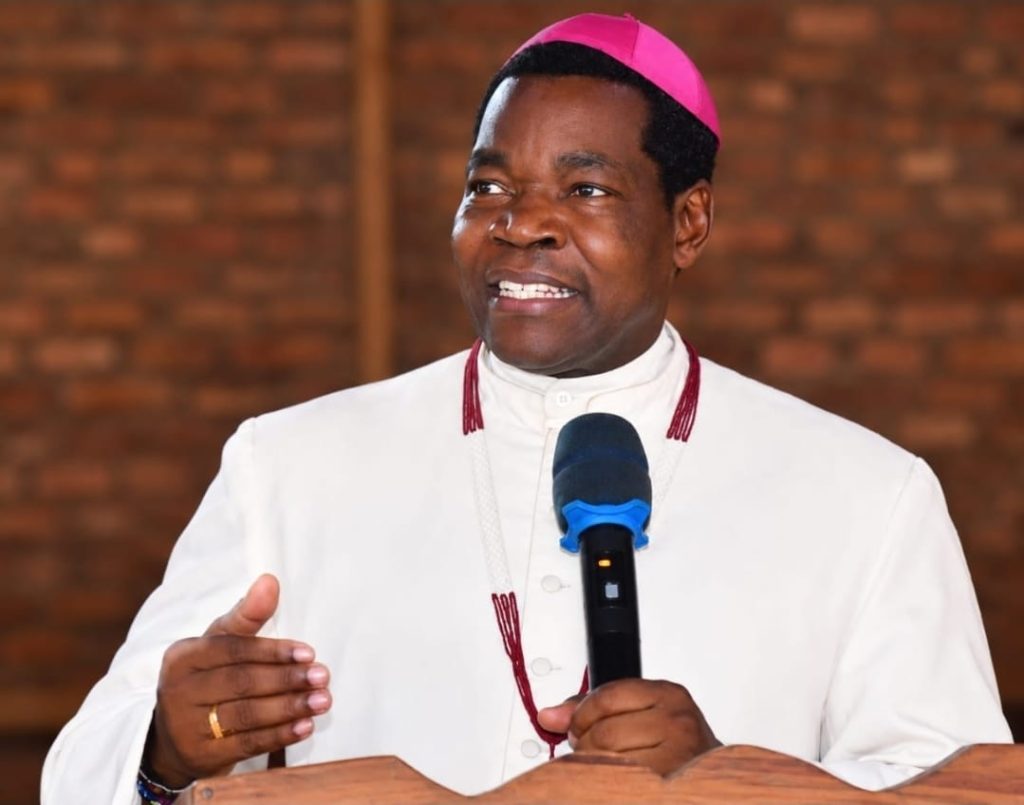
In an exclusive interview with Rurugene online news, Bishop Hiiboro described Titarani Bishop Gasi—the Diocese’s first bishop (1974-2008)—as more than an ecclesiastical founder but as a visionary who understood that authentic evangelization must engage the whole person through faith, education, human development, and service to society.
“He was a father, a pioneer and a builder of our local Church. His life laid foundations upon which we continue to build,” Bishop Hiiboro stated, emphasizing that commemorating Bishop Gasi serves not merely to honor the past but to direct the Diocese’s future.
Bishop Hiiboro particularly highlighted Bishop Gasi’s investment in educational institutions as “prophetic,” citing Bishop Abangite College of Science and Technology, founded in 1988, as tangible expression of the late bishop’s conviction that faith must produce educated, responsible citizens.
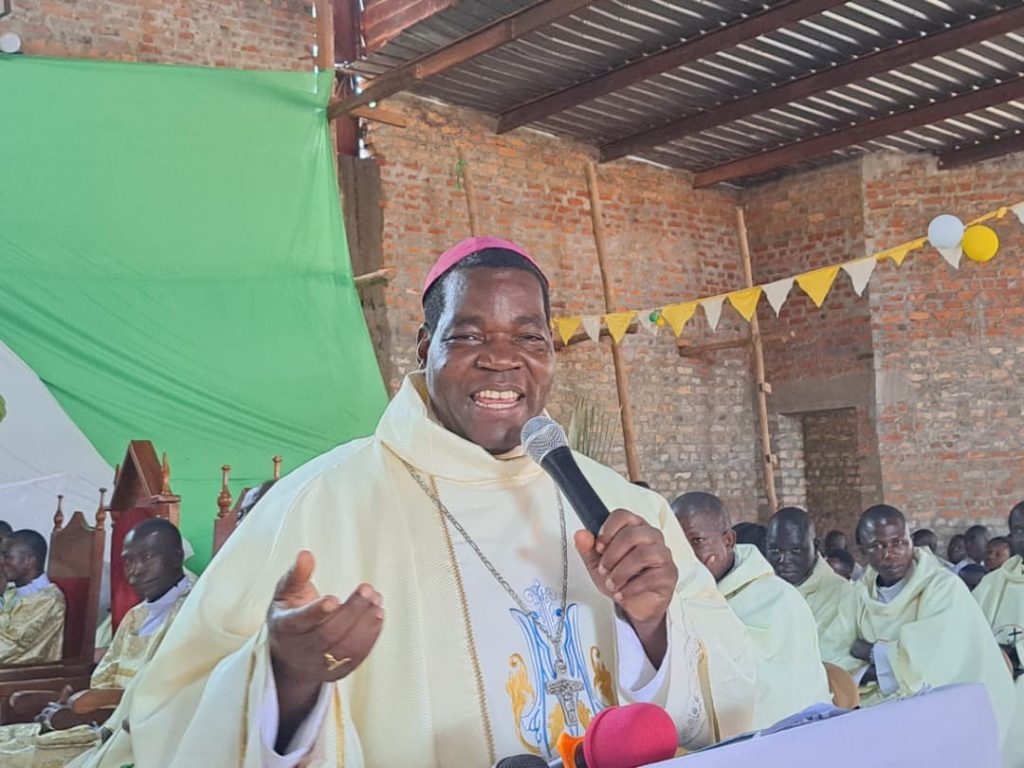
“When I see our young people there today, disciplined, educated and serving the Church, I see a seed planted decades ago now bearing fruit. It is an honor to Bishop Gasi and a responsibility for all of us,” the Bishop said.
This emphasis on education reflected Bishop Gasi’s understanding that the Gospel cannot be separated from human dignity. “The Church must evangelize the heart, educate the mind and serve the whole person. Faith should produce responsible citizens, peaceful families, educated young people and communities capable of building their own future,” Bishop Hiiboro explained.
Bishop Hiiboro articulated a theology of commemoration that moves beyond nostalgia to active engagement with the present. “Memory, when purified by faith, becomes a source of mission. We do not gather simply to look backwards. We gather to thank God for his life, to learn from his example and to renew our commitment to the Church’s mission.”
This understanding positions the 12th anniversary celebration as both remembrance and renewal—an opportunity for the Diocese to assess how faithfully it carries forward Gasi’s pioneering vision while addressing contemporary challenges.
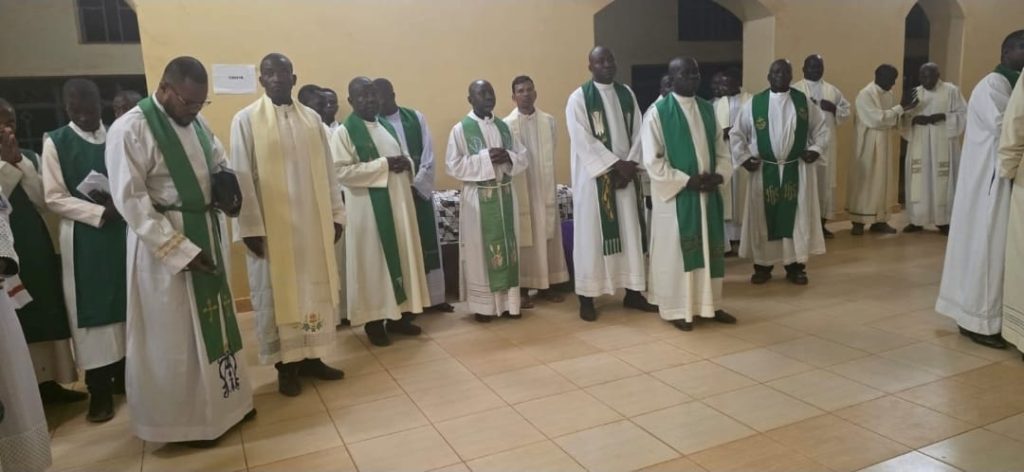
The commemoration includes Humekodabe, the Diocesan Family Day, which Bishop Hiiboro described as “beautiful expression of family responsibility and solidarity.” Through this annual gathering, diocesan faithful mobilize resources to support pastoral mission, affirming that “the Diocese belongs to all of us, and its future is our shared responsibility.”
The event demonstrates how Bishop Gasi’s legacy of community engagement continues shaping diocesan structures and practices, enabling broad-based participation in institutional mission.
Bishop Hiiboro disclosed that the Diocese is undertaking preliminary discernment concerning a possible Cause of Beatification and Canonization for Bishop Gasi. He emphasized this represents not premature declaration of sainthood but “serious process of prayerful, historical and ecclesial discernment concerning his life, ministry and reputation for holiness.”
“We are not declaring him a saint. If the Church eventually judges that there are sufficient grounds, the proper canonical process can proceed. For us, this is first of all an invitation to rediscover his virtues and to ask how faithfully we are living the Gospel,” Bishop Hiiboro explained, framing canonization exploration as spiritual renewal rather than institutional promotion.
When asked which elements of Bishop Gasi’s legacy the Diocese must prioritize, Bishop Hiiboro identified:
- Missionary spirit grounded in Christ
- Commitment to education and institutional development
- Love for the people and engagement with their aspirations
- Courage in difficult circumstances
- Conviction that the Church must build hope
“We must not merely preserve his achievements; we must continue the work he began,” the Bishop stated, connecting memory to active responsibility.
He translated this contemporary commitment into five core values: “Faith, family, education, work and peace.”
When asked what message Bishop Gasi would offer young people today, Bishop Hiiboro responded: “Do not be afraid of the future. Educate yourselves, remain close to Christ, love your people and become builders rather than spectators. The future of our Diocese and our country will be shaped by the character, faith and courage of our young people.”
This challenge positions youth not as passive recipients of inherited institutions but as active builders responsible for continuing and advancing the mission Bishop Gasi pioneered.
Bishop Hiiboro concluded with a prayer capturing his vision for the Diocese’s trajectory: “May we honour our past without becoming prisoners of the past. May the memory of Bishop Gasi inspire us to build a stronger, more united and missionary Diocese.”
He summarized the appropriate relationship between past and future in three commitments:
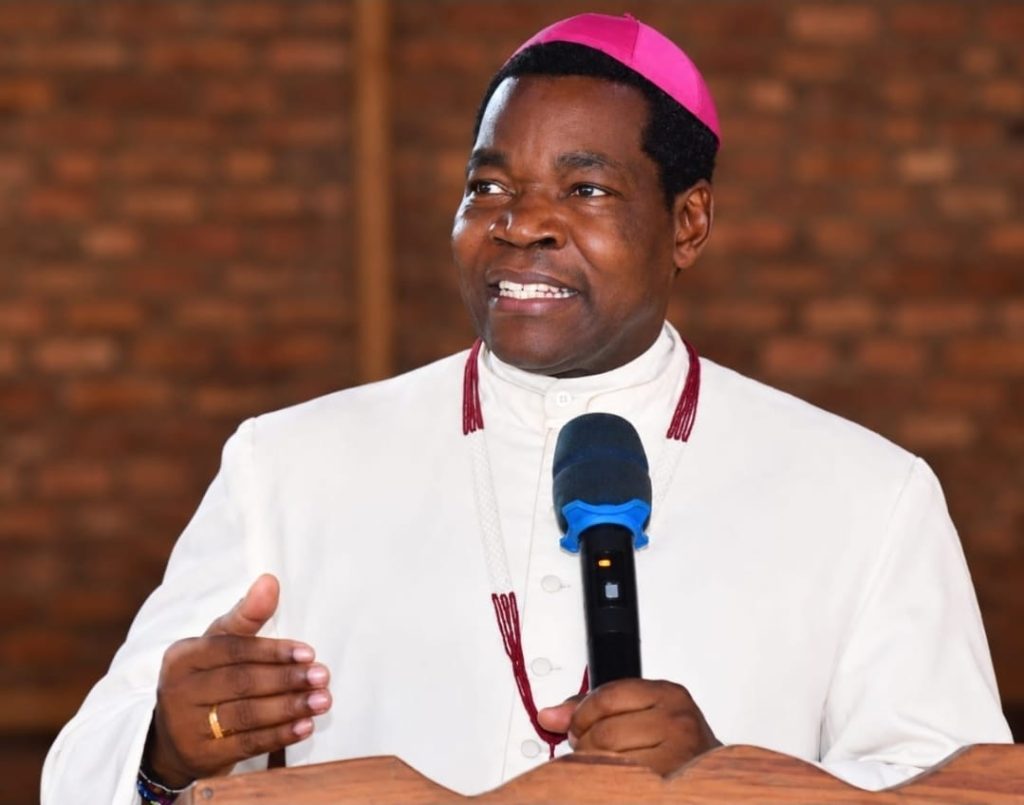
“Remember with gratitude, live with responsibility and walk into the future with hope.”
The Diocese’s emphasis on Bishop Gasi’s educational and developmental legacy acquires particular significance as South Sudan prepares for December 2026 general elections and continues post-conflict reconstruction. By connecting faith to education, development, and peace-building, the Diocese models holistic approach to national transformation.
Bishop Gasi’s emphasis on human dignity and community development—now being actively promoted by his successor—offers spiritual and practical resources for addressing South Sudan’s ongoing challenges of poverty, educational access, and social reconciliation.
The 12th anniversary commemoration demonstrates how the Diocese honors foundational figures while actively engaging with present realities and future possibilities, using memory as catalyst for ongoing mission and transformation.