By Sr. Laurencila Akinyi, FSSA.
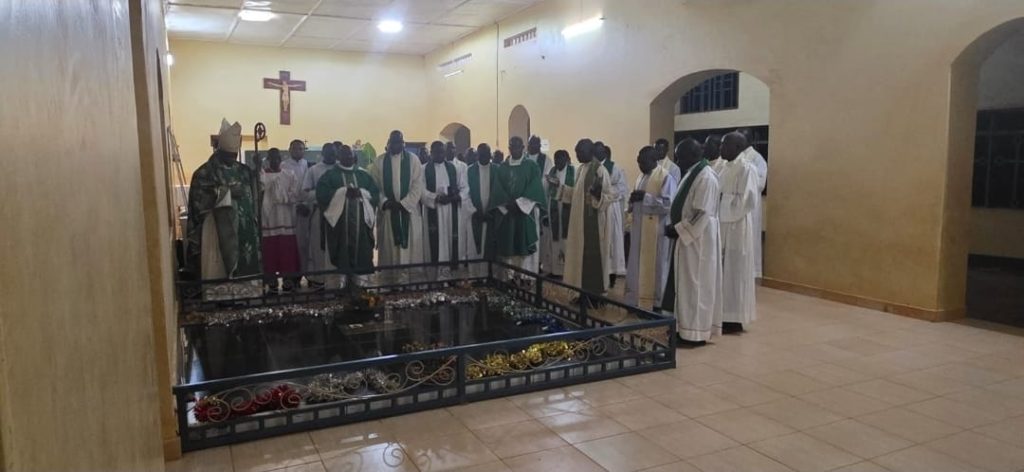
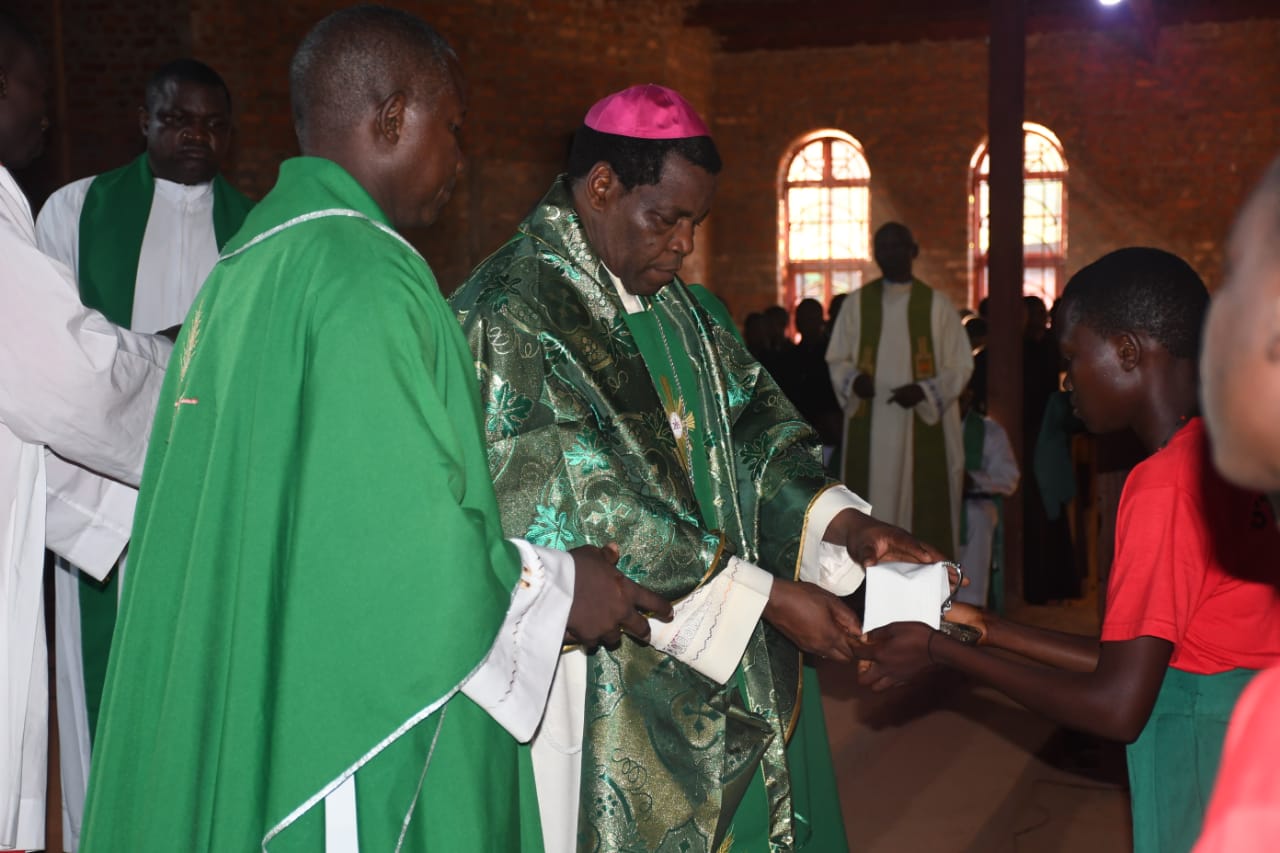
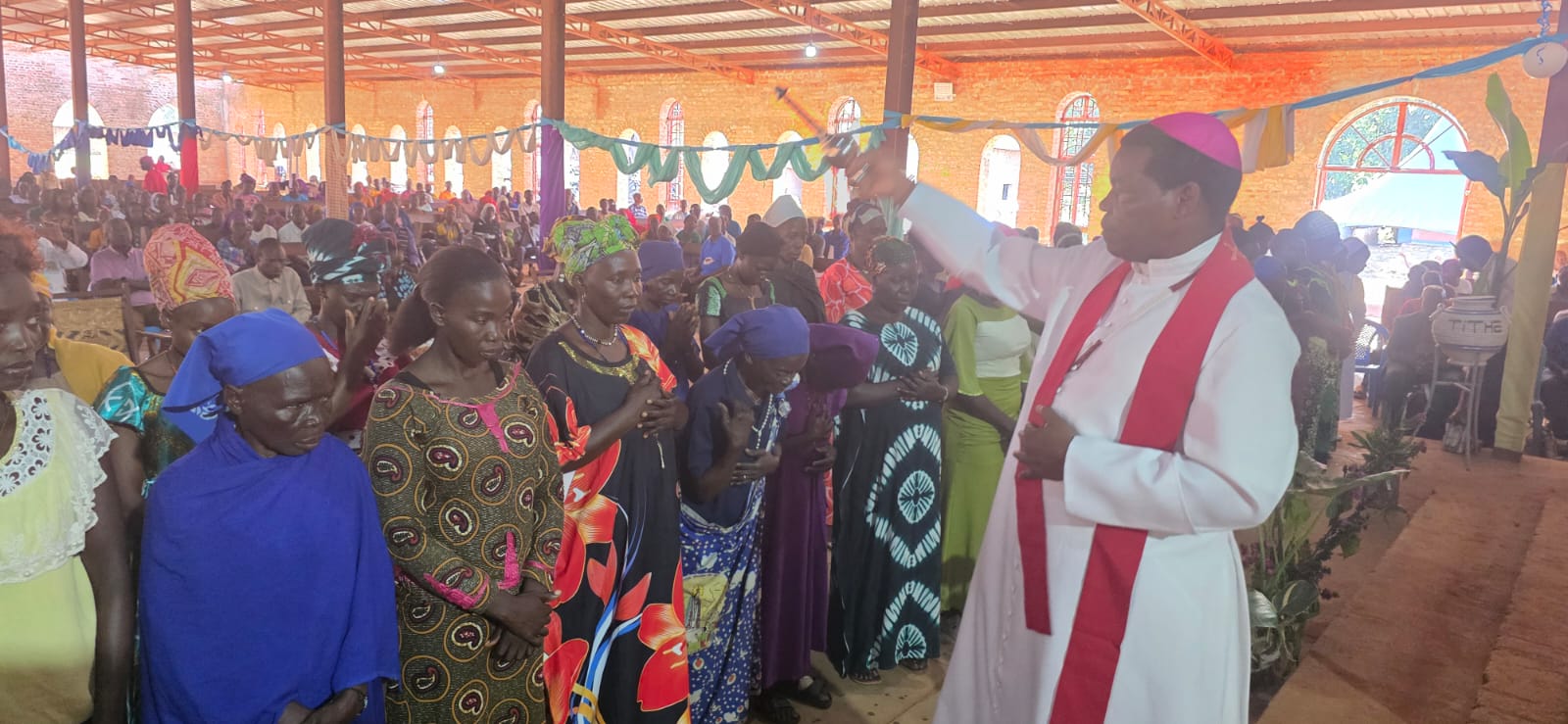
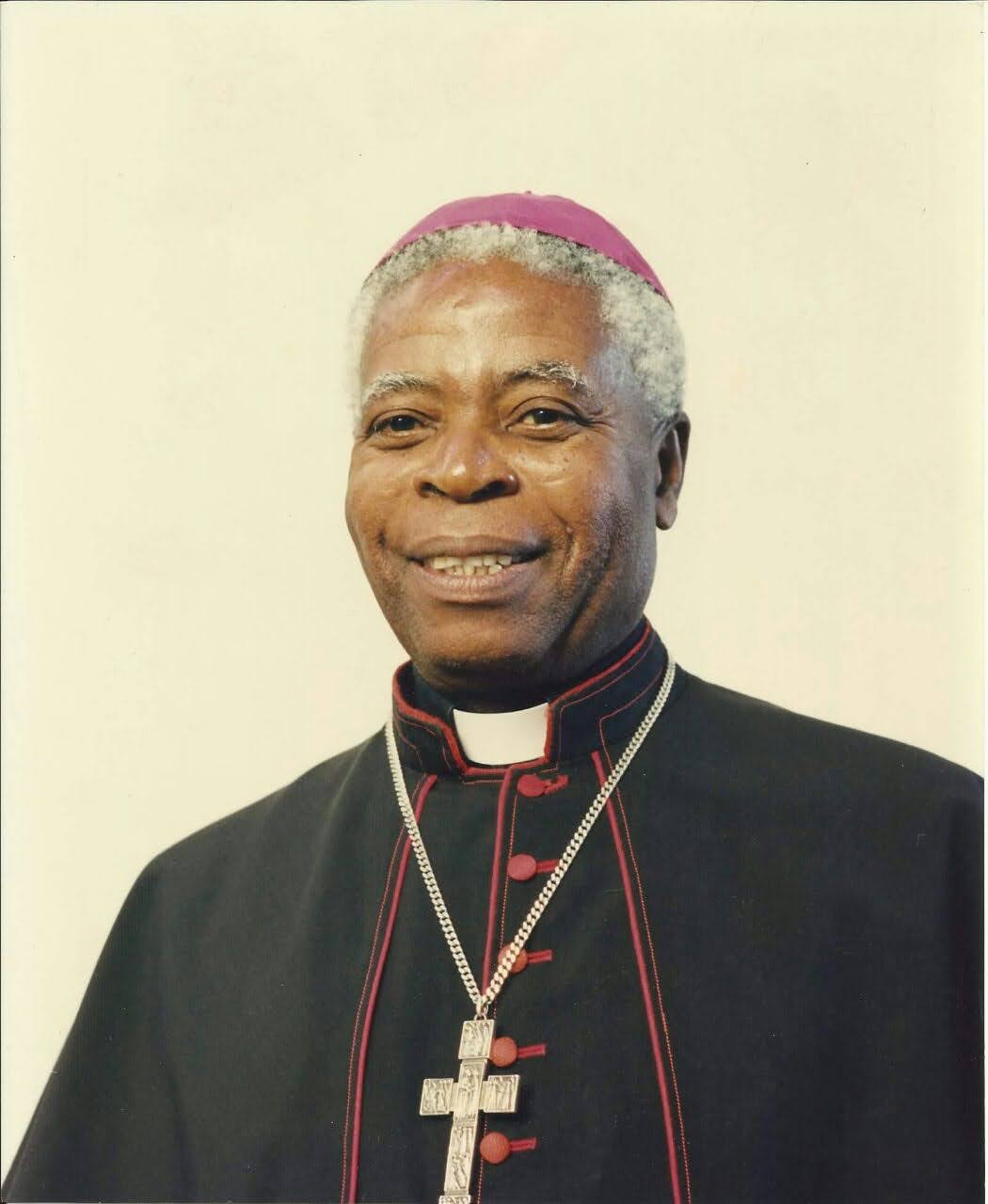
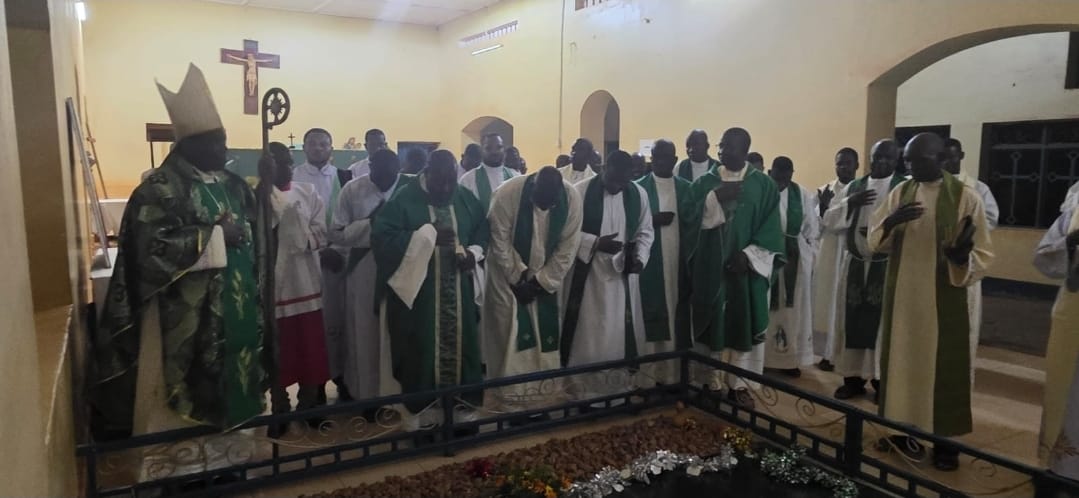
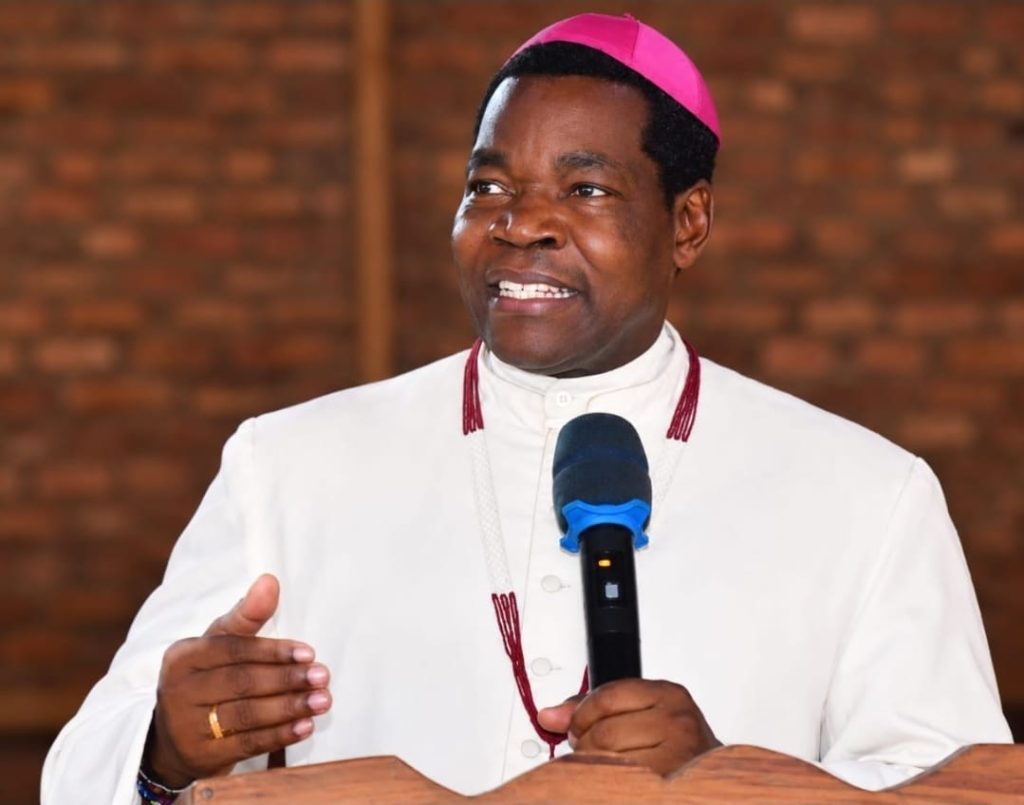
Bishop Barani Eduardo Hiiboro Kussala has called on the Catholic Diocese of Tombura-Yambio to embrace forgiveness and build lasting legacies as the Diocese commemorated the 12th anniversary of Bishop Joseph Abangite Gasi’s passing on September 13, 2026.
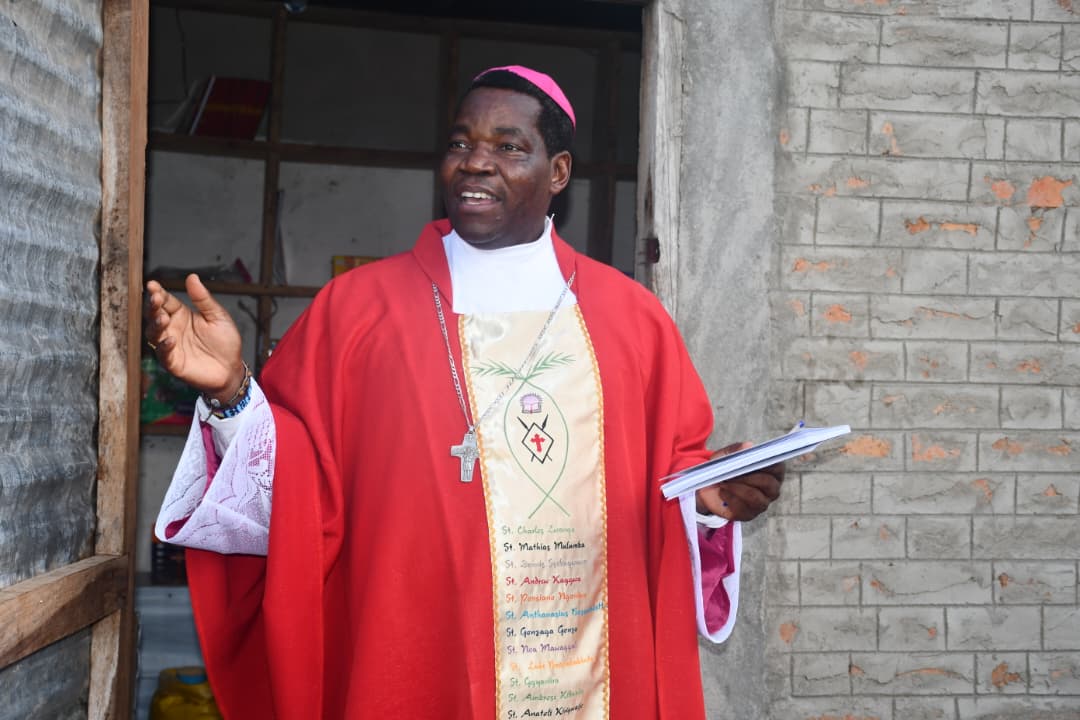
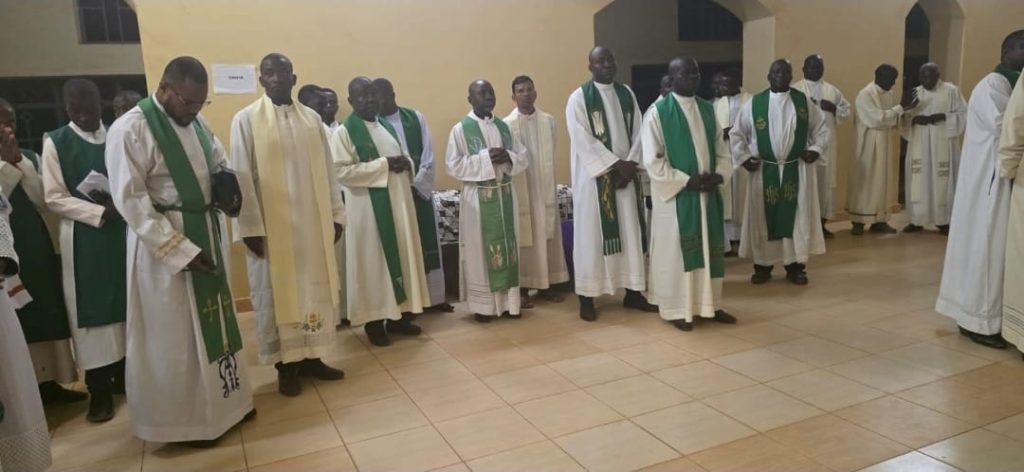
In his homily to thousands of pilgrims gathered in Yambio, Bishop Hiiboro connected the Sunday Gospel message of reconciliation to South Sudan’s need to heal from conflict’s wounds while building a prosperous future for coming generations. He emphasized that authentic legacy begins with forgiveness, not monuments.
“We cannot build a peaceful future while carrying the hatred of the past,” Bishop Hiiboro declared, drawing from Scripture to argue that forgiveness forms the essential foundation for meaningful legacy.
“Forgiveness does not deny evil or justice. It means refusing to pass yesterday’s wounds to tomorrow’s children. Hatred continues the wound. Forgiveness begins to heal it,” he stated.
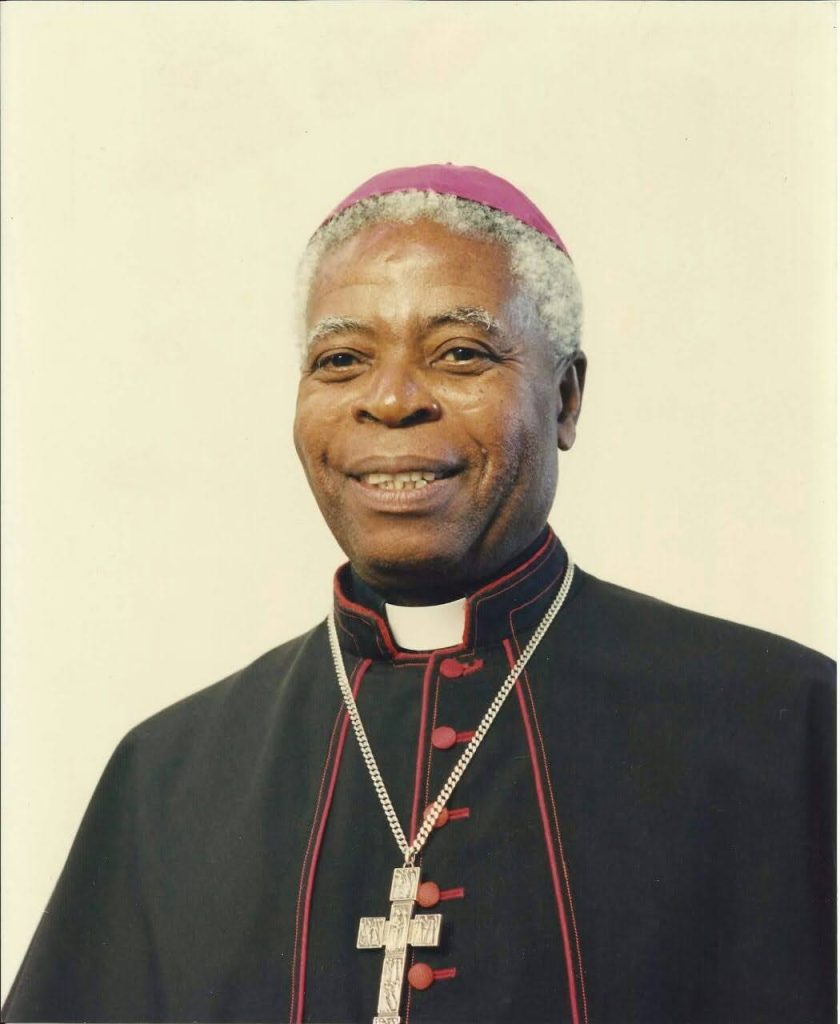
The Bishop connected forgiveness directly to honoring Bishop Gasi’s memory, noting that the late bishop’s work as educator extended beyond the Diocese—Bishop Gasi taught Dr. John Garang de Mabior, who later shaped South Sudan’s independence.
“A teacher touched a student. A student influenced a nation. This is the mystery of legacy. We never know how far one good act can travel,” Bishop Hiiboro observed.
The Bishop challenged the faithful to transform commemoration into action. “Memory must become mission,” he stated, calling for concrete engagement with development challenges.
He questioned why South Sudan remains poor despite fertile land, gifted youth, and strong communities. Bishop Hiiboro called for systematic development: educate children, cultivate land, learn skills, cooperate, empower women and youth, and reject corruption.
He grounded his vision in the Diocese’s motto: “On one hand, the hoe; on the other, the Holy Bible.”
“The Bible gives direction. The hoe gives bread. Faith gives hope. Work gives dignity,” he explained, presenting integral human development combining spiritual and material dimensions.
Bishop Hiiboro posed a personal challenge to departing pilgrims: “What will I leave behind?”
He illustrated through examples:
- “A child we educate can change a generation.”
- “A person we help can help another.”
- “A family we reconcile can live in peace.”
- “A young person we encourage can transform a community.”
- “An enemy we forgive can become a brother or sister.”
The Bishop synthesized his message into five values for legacy building:
FAITH. FAMILY. EDUCATION. WORK. PEACE.
These values integrate spiritual commitment, relational health, intellectual development, material dignity, and communal harmony—forming vision of human flourishing grounded in Gospel values.
Bishop Hiiboro rejected physical memorials as Bishop Gasi’s true legacy. “The greatest memorial to Titarani Bishop Gasi cannot simply be a monument of stone. His greatest memorial will be people whose lives become better because we continue the good he began.”
The Bishop concluded with hopeful aspiration that when his generation passes, people will say: “They came among us and left us better than they found us.”
This vision—leaving communities and nations better than inherited—captures the essence of meaningful legacy rooted in forgiveness, service, education, honest work, and peace-building.
The homily arrives during critical moment as South Sudan prepares for December 2026 general elections—its first competitive elections since independence in 2011. Bishop Hiiboro’s emphasis on forgiveness, peace-building, and integrity reflects the Church’s commitment to supporting democratic processes and national reconciliation.
The Diocese of Tombura-Yambio continues honoring foundational figures while calling for renewed commitment to their values, connecting past, present, and future in service to building a more just and peaceful South Sudan.